
Luxury Diaper Bags: What You Get & What to Skip
 Abdul WadoodLast updated
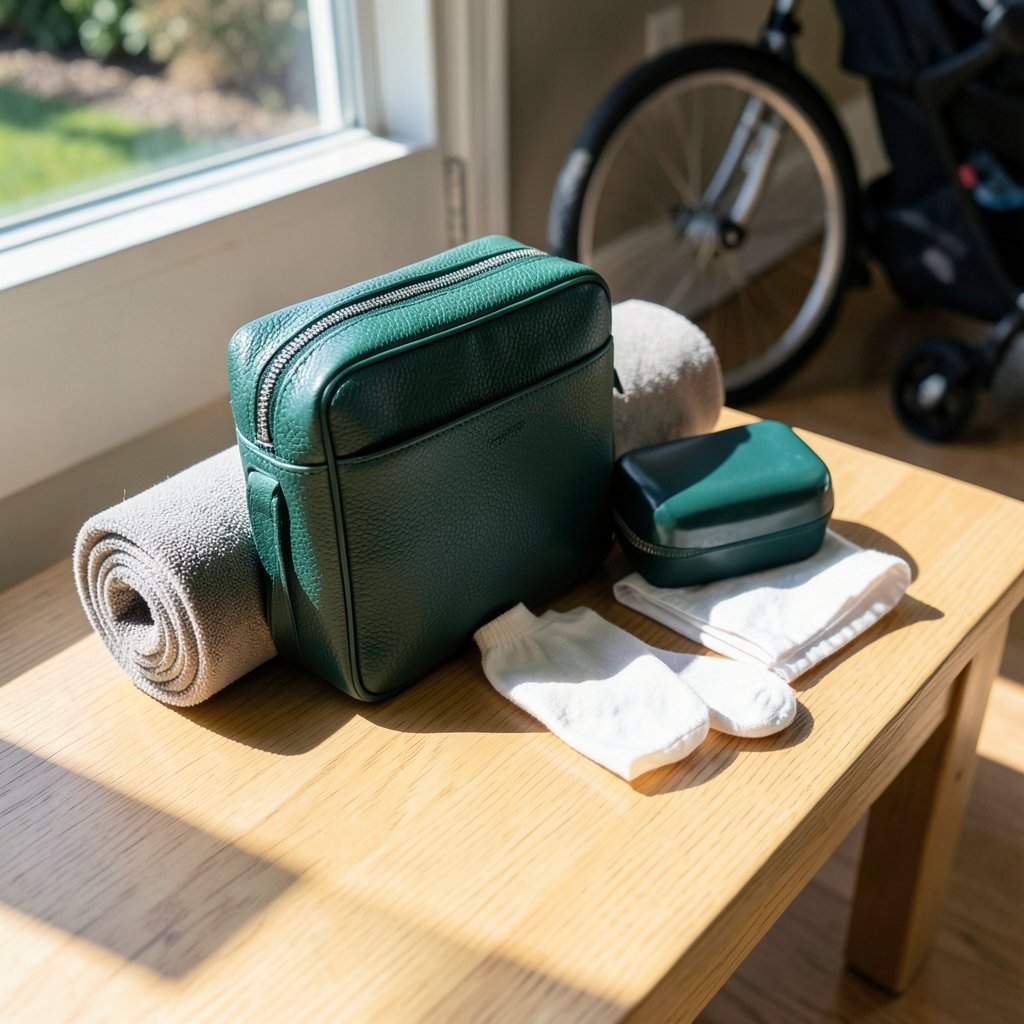
Would you spend four hundred dollars on a bag that will hold dirty diapers and a half-eaten cracker? Thousands of parents do every year. But is a luxury diaper bag a smart long-term purchase or an expensive way to feel organized for six months? The answer depends on a few practical things most buyers only figure out after the fact.
This guide looks at what actually separates a premium diaper bag from a good mid-priced one, where the money goes, which features hold up in daily use, and where shoppers most often waste cash. No hype, no brand worship, just the details that matter when the bag is hanging off a stroller in the rain.
What “luxury” Actually Means in Diaper Bags
Here is the first thing to understand: luxury diaper bags are a marketing tier, not a regulated product category. No standards body defines what makes a diaper bag “luxury.” There is no certification, no testing protocol, no official threshold. A brand can charge $450 for a bag and call it luxury on day one.
In practice, the label usually signals four things:
- Materials that cost more to source, such as coated canvas, full-grain leather, or heavy-duty nylon
- Hardware that is metal rather than plastic, with reinforced stitching at stress points
- Construction done in smaller runs, which raises per-unit cost
- Brand positioning, which is the least tangible and often the largest price driver
That last point matters. Two bags can come off similar production lines with similar materials and sell for wildly different prices because one has a logo that carries social weight. Recognizing this is not cynicism; it is the key to buying well. If you want the material quality without the markup, you can often find it. If you want the logo, you are paying for something real too, just not something functional.
The same logic applies across luxury categories. Anyone comparing Italian houses, for instance, quickly learns that Fendi vs Gucci bags comes down to construction philosophy and brand identity as much as price. Diaper bags work the same way.
Where the Money Actually Goes

Buyers tend to assume a higher price means better materials across the board. In reality, the split looks more like this:
| Cost driver | Share of price at mid-tier | Share of price at luxury tier |
|---|---|---|
| Raw materials | High | Moderate |
| Labor and construction | Moderate | Moderate |
| Brand marketing | Low | High |
| Retail margin | Moderate | High |
The practical takeaway: past a certain price, you are mostly paying for marketing and retail positioning, not durability. That does not make expensive bags bad. It means you should judge them on the features you will actually use, not on the assumption that more money equals more bag.
A useful test before buying: ignore the logo and ask whether the bag would still seem worth the price in plain canvas with no branding. If the answer is no, you are buying a status object, which is fine as long as you know it.
The Features That Genuinely Matter
After the branding fades, a diaper bag has to do a job. These are the elements that separate a bag that works for three years from one that annoys you by month two.
Opening and access
A wide, structured opening is the single most underrated feature. Bags that flop closed force you to dig one-handed while holding a baby. Look for a frame or stiffened rim that holds the mouth open.
Strap system
You need at least two carry options: shoulder and stroller. Clips should be metal and should attach without a fight. Cheap plastic clips are the most common failure point on any diaper bag, luxury or not.
Interior organization
Pockets are good; too many pockets are worse. A bag with eleven small compartments becomes a place where things disappear. Four to six well-placed pockets, including one insulated one and one wipeable one, covers nearly every real need.
Wipeability
This is non-negotiable. Interior linings should wipe clean with a damp cloth. Light-colored fabric linings look beautiful in photos and show every spill.
Weight empty
A leather diaper bag can weigh two to three pounds before you put anything in it. Add diapers, wipes, bottles, a change of clothes, and snacks, and you are carrying a small suitcase. Try the bag on empty and imagine it full.
Materials: The Real Trade-Offs
Material choice drives both price and daily experience. Here is how the common options compare.
| Material | Durability | Weight | Care | Best for |
|---|---|---|---|---|
| Coated canvas | High | Light | Wipe clean | Everyday use, travel |
| Full-grain leather | Very high | Heavy | Condition and protect | Long-term ownership |
| Nylon | High | Very light | Machine washable (often) | Active parents |
| Vegan leather | Moderate | Light | Wipe clean | Budget-conscious buyers |
Two practical notes. First, coated canvas is the sweet spot for most families: it resists stains, weighs little, and looks sharp for years. Second, leather ages well but demands care. If you will not condition it twice a year, it will crack at the folds, and no brand name prevents that.
Vegan leather deserves an honest mention. Quality varies enormously. Some premium vegan leathers last years; cheap ones peel within months. The conscious luxury buying guide covers how to judge materials and construction claims without being misled by green-sounding language.
Safety: What to Check Before You Buy
Diaper bags are not regulated as a separate product class in the United States. Bags marketed for adults generally fall outside children’s product rules, though attached items like changing pads or toys may be covered by Consumer Product Safety Commission requirements for children’s products.
Because oversight is limited, the buyer does the checking. Practical steps:
- Inspect all straps and clips for sharp edges or pinch points.
- Check that small detachable parts are securely fastened and not a choking size.
- Confirm the changing pad has no loose threads or peeling coating.
- Look for chemical odor. A strong plastic smell on a new bag is a reason to return it.
- Test the stroller clips under load before relying on them.
None of this requires expertise. It requires ten minutes and a skeptical eye.
Common Mistakes Buyers Make
Most regret around luxury diaper bags comes from a handful of predictable errors.
Buying for the newborn phase only. A bag sized for a newborn’s needs often becomes too small by month eight, when you are packing snacks, toys, and a full change of clothes. Buy for the toddler years.
Choosing looks over access. A beautiful tote with a narrow opening is a daily frustration. Function first, aesthetics second, and you will still find something attractive.
Ignoring the second bag problem. Many parents buy one expensive bag, then buy a cheap second one for the car or grandparents. Budget for two from the start, or buy one premium bag and one inexpensive backup deliberately.
Skipping the resale question. Premium bags often hold value better than mid-tier ones, but only for in-demand brands in good condition. If resale matters to you, buy a classic style in a neutral color and keep the dust bag. The practical guide to collecting luxury handbags explains how condition and provenance affect what a bag is worth later.
Assuming price equals longevity. A $400 bag with plastic clips and a thin lining will fail before a $150 bag built properly. Check construction, not the price tag.
How Luxury Diaper Bags Compare to Mid-Range Options
The honest answer is that the gap is narrower than the price suggests, but it is real in specific places.
| Factor | Mid-range ($60–$150) | Luxury ($250–$600) |
|---|---|---|
| Materials | Mostly polyester | Coated canvas, leather, heavy nylon |
| Hardware | Plastic clips common | Metal clips typical |
| Stitching | Adequate | Reinforced at stress points |
| Longevity | 1–2 years of daily use | 3–5+ years with care |
| Resale value | Minimal | Moderate for sought-after brands |
| Warranty | Rarely offered | Often included |
If you plan to have more than one child, the longevity difference can justify the price. If you are buying for a single child and will not resell, a well-chosen mid-range bag is often the smarter financial call.
Practical Buying Tips That Actually Work
A few habits separate satisfied buyers from regretful ones.
Try before you buy when possible. Load the display bag with a water bottle and a sweater. Feel how it hangs. Online photos hide weight distribution problems.
Check the interior in person or in detailed photos. Retailers love exterior shots. Ask for interior photos or find video reviews. The lining and pocket layout decide whether the bag works.
Buy neutral colors. Black, tan, navy, and grey survive trends and resell better. A seasonal color is fun until you want to sell it.
Keep the dust bag and receipt. Both matter for resale and warranty claims.
Register the warranty immediately. Many premium brands offer multi-year coverage on hardware and stitching, but only if you register within a set window.
Break it in gently. Leather bags should not be stuffed to capacity in week one. Give the material time to soften at the folds.
For families pairing a premium bag with bigger purchases, the same “buy once, buy well” logic shows up elsewhere. The guide to quiet luxury cars makes a similar case about paying for engineering you actually feel rather than badges you display.
Conclusion
A luxury diaper bag is not a scam, and it is not a necessity. It is a purchase that makes sense when the materials, construction, and longevity match how you will actually use it, and when you are honest about how much of the price is branding.
The buyers who end up happiest tend to follow the same pattern: they buy for the toddler years rather than the newborn months, they prioritize a wide opening and wipeable lining over logos, they check the hardware before the label, and they keep the dust bag for resale. The ones who regret it usually bought the prettiest bag in the store without opening it.
Spend what makes sense for your family. Just spend it on the parts of the bag you will touch every day.
Frequently Asked Questions
Are luxury diaper bags worth the money?
They can be, if you plan to use one for multiple children and the construction justifies the price. The value comes from materials, hardware, and longevity, not from the brand name alone. If you are buying for one child and will not resell, a well-made mid-range bag is often the better financial choice.
What should I look for in a luxury diaper bag?
Prioritize a wide opening that stays open, metal stroller clips, a wipeable interior lining, four to six useful pockets, and a weight under three pounds empty. Check the stitching at strap attachment points, since that is where bags fail first. Brand and color come last.
Do expensive diaper bags hold their resale value?
Some do, particularly classic styles from in-demand brands in neutral colors and good condition. Most do not hold value well. If resale matters, keep the dust bag and receipt, choose a timeless design, and expect a meaningful drop from the original price.
How do I clean a luxury diaper bag?
Coated canvas and nylon wipe clean with a damp cloth and mild soap. Leather needs a dedicated leather cleaner followed by a conditioner, applied twice a year to prevent cracking at the folds. Never machine wash a structured bag, and never soak leather.
Is a leather or canvas diaper bag better?
Canvas is lighter, wipes clean, and handles spills with less fuss, which suits most families. Leather is more durable over many years but heavier and requires regular conditioning. If you will not maintain leather, choose coated canvas.
How many diaper bags do I actually need?
Most families do well with two: one premium bag for daily outings and one inexpensive bag kept in the car or at a grandparent’s house. Buying two deliberately from the start usually costs less than buying a second bag in a panic later.