
Luxury African Safari: What You Pay For & Why It Matters
 Abdul WadoodLast updated

What makes a safari worth more than a small car per week? The answer is rarely the thread count of the sheets. On a luxury African safari, the money buys space, silence, access to land that is not crowded, and a chain of people who keep animals alive long after you fly home. Understanding that chain is the difference between an expensive holiday and a genuinely good one. (Choose best luxury safari operators without getting lost) (Safari)
The Two Models Behind Every Safari Price
Most first-time buyers assume safari lodges are priced by star rating. They are not. They are priced by land policy.
Botswana is the clearest example. Since the 1990s the country has run a deliberate high-cost, low-volume tourism policy, particularly in the Okavango Delta. Concession fees are high, bed numbers are capped, and the result is vast areas where you may see no other vehicle all morning. You are not paying for marble bathrooms. You are paying for the absence of other people.
Kenya works differently. The Maasai Mara area includes private conservancies alongside the national reserve, where tourism leases pay landowners directly and grazing is restricted. This model is credited with expanding wildlife habitat and easing pressure inside the reserve itself. A bed in a conservancy often costs more than a bed in the reserve because the conservancy is not open to day-trippers.
Namibia offers a third route. Its conservancy programme, enabled by legislation in the 1990s, gives communities rights over wildlife use on communal land, with income from both photographic tourism and hunting. It is the standard reference point for community benefit in African conservation tourism, and it explains why some of the best-value safaris sit on communal land rather than in national parks.
| Model | Where It Dominates | What It Buys You | Typical Feel |
|---|---|---|---|
| High-cost, low-volume concessions | Botswana, parts of Zambia | Solitude, low vehicle density | Quiet, exclusive, expensive |
| Private conservancies | Kenya (Mara area) | Night drives, walking, off-road access | Flexible, conservation-linked |
| Community conservancies | Namibia, parts of Tanzania | Cultural access, community revenue | Raw, spacious, variable comfort |
When to Go, and Why Timing Changes Everything
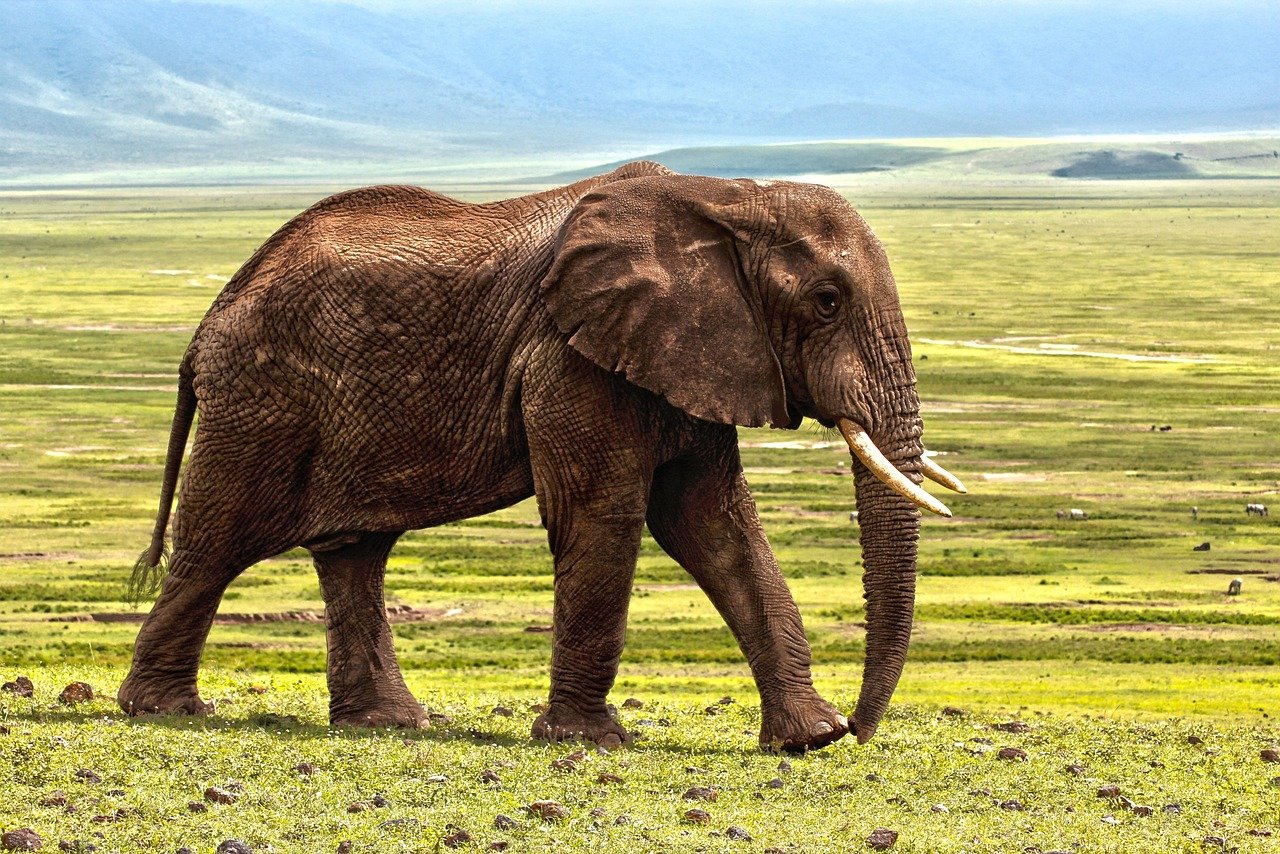
The single biggest lever on both price and experience is season, and in East Africa the season is written by rainfall.
The wildebeest migration in the Serengeti–Maasai Mara area is seasonal. Herds typically move north into Kenya’s Maasai Mara around July to October and return south to the Serengeti for calving around January to March. Exact timing shifts year to year with rainfall, which is why operators who promise “guaranteed river crossings” are selling you a lottery ticket with a nice label.
Practical guidance that holds up:
- Peak season (July–October in East Africa) delivers the migration and the highest rates. Book 9–12 months ahead for the best camps.
- Green season (November–May) brings rain, lower rates, lush landscapes, and excellent predator viewing because animals are dispersed and active. Many lodges cut rates by 30–50 percent.
- Shoulder weeks just before and after peak often deliver nearly the same wildlife at meaningfully lower cost.
- Southern Africa inverts the pattern. Botswana’s Okavango floods in the dry winter (roughly June–August), which is peak for water-based game viewing.
A common mistake is booking the cheapest week in a prime area and expecting peak-season sightings. Another is booking peak season in a camp that floods or turns to mud. Ask any operator what the camp is like in the week you are considering, not in the brochure month.
What a Luxury Safari Actually Costs
Luxury lodges in prime areas commonly price at several hundred to over US$1,000–2,000 per person per night in high season, often all-inclusive. Treat that as indicative rather than fixed, because rates move with fuel, permits, and demand.
The all-inclusive label deserves scrutiny. What is usually included: accommodation, all meals, two game activities per day, park fees at some camps, and local drinks. What is often excluded: international flights, light aircraft transfers between camps, premium wines, spa treatments, gratuities, and community or conservation levies.
Those transfers add up fast. A three-camp itinerary may involve four or five light aircraft hops, each priced separately. This is also where the carbon critique lands: luxury safaris lean heavily on small planes, and the emissions per passenger are high. There is no single authoritative figure to quote, so be sceptical of anyone who offers one with confidence. What you can do is ask operators to combine road transfers where distances allow, and to route itineraries to minimise hops. (Lake como luxury travel guide villas boats where stay)
For readers weighing how to spend well rather than simply spend more, the principles in this guide to conscious luxury as a practical buying philosophy translate neatly to travel: fewer, better, longer.
Choosing an Operator Without Getting Burned
The safari industry has a wide quality range and a narrow honesty range. The good operators are exceptional. The poor ones sell a beautiful PDF and subcontract everything.
What actually works in practice:
- Ask who owns the camp and who runs the vehicles. Owner-run camps with their own guide teams behave differently from booking agents reselling beds.
- Ask for guide tenure. A guide with eight years in one area knows where a leopard denned last season. A guide on his second contract does not.
- Ask what happens if a sighting is crowded. Good camps have a two-vehicle rule or access to private traversing rights. Ask directly.
- Check the vehicle ratio. Six guests per vehicle is comfortable. Nine is a hostage situation with binoculars.
- Confirm the conservancy or concession fee structure. You want to know how much of your money reaches land management.
If you are comparing packages and feeling lost in the terminology, this walkthrough on how to choose luxury safari operators without getting lost covers the questions worth asking before deposit. Pair it with a realistic kit list; the packing plan for a luxury safari that stays light is a genuinely useful read, because most first-timers overpack by about 40 percent and then pay excess baggage on a light aircraft with a 15kg hard limit. (IUCN Red List of Threatened Species overview)
Where the Money Goes: Conservation and Community
This is the part of the story that gets glossed over in glossy brochures, and it is the part that determines whether the landscape you photograph still exists in twenty years.
Photographic tourism and, controversially, regulated trophy hunting are both used to fund anti-poaching and habitat protection. The balance between them is genuinely contested, and reasonable people disagree. What is not contested is that tourism revenue, when it reaches landowners and communities, changes the incentive to convert wild land into cattle or crops.
Kenya’s conservancy leases pay Maasai landowners directly. Namibia’s community conservancies distribute income to members. Both models have critics who point to uneven benefit sharing and governance problems. Both also have measurable wildlife recoveries attached to them. If you want to judge whether a lodge is genuinely sustainable rather than merely decorated with recycled timber, the test is whether it can explain its lease, its bed cap, and its community payment structure in plain numbers. A useful filter is set out in this guide to spotting genuine sustainability behind eco-luxury lodges, which focuses on verifiable claims rather than certification logos.
Health, Paperwork, and the Boring Things That Ruin Trips
Luxury does not exempt you from bureaucracy. Many safari destinations require yellow fever vaccination certificates for entry depending on your origin country, and malaria prophylaxis is recommended for most safari areas. Rules vary by destination and by your travel history, so check the official guidance for your specific itinerary rather than relying on a forum post from 2019.
Other practicalities that catch people out:
- Yellow fever certificates must be the official International Certificate of Vaccination, not a photocopy of a clinic receipt.
- Malaria tablets need to be started before travel, sometimes days before, and some courses must be finished after return.
- Bag weight limits on light aircraft are strict and include hand luggage. Soft bags only, no wheels.
- Travel insurance must cover light aircraft, evacuation, and pre-existing conditions. Read the evacuation clause.
- Visas for multi-country itineraries are not always straightforward; Kenya, Tanzania, and Rwanda have different rules and some regional visas exist.
Solo, Family, or Multigenerational?
Safari is more adaptable than its reputation suggests. Solo travellers can join scheduled departures or pay a single supplement that some camps waive in green season. Couples get the classic version. Families need camps with interconnecting rooms, shorter game drives, and pools, which narrows the list considerably but does not eliminate quality.
Multigenerational groups are the hardest and most rewarding. The trick is a two-base itinerary: a malaria-free or low-risk area with shorter drives for grandparents and young children, then a wilder camp for the adults. This planning framework for a multigenerational luxury trip that works for every age covers pacing, room configuration, and the medical conversations worth having before booking.
The Quiet Luxury Angle
There is a growing segment of travellers who care more about silence than chandeliers. The same instinct that drives interest in the quietest luxury cars, where cabin noise is engineered down to a whisper, applies to safari camps. The best ones are quiet by design: no generators near tents, no music at dinner, no convoy of vehicles at a sighting. Ask about generator placement and vehicle numbers. The answers tell you more than any awards list.
Conclusion
A luxury African safari is not a hotel stay with animals attached. It is a land-use transaction, a conservation funding mechanism, and a logistical puzzle, all wrapped in early mornings and cold mornings and the specific silence of a leopard crossing a track. The travellers who get the most out of it are the ones who ask unglamorous questions about leases, bed caps, guide tenure, and transfer costs before they book. Spend your money on space, access, and expertise. The thread count will take care of itself.
Frequently Asked Questions
How much does a luxury African safari cost per person?
In prime areas such as the Okavango Delta, the Serengeti, and the Maasai Mara conservancies, luxury camps commonly charge from several hundred to over US$1,000–2,000 per person per night in high season, usually all-inclusive. International flights, light aircraft transfers, premium drinks, spa treatments, and gratuities typically sit outside that figure. A two-week, three-camp itinerary with internal flights usually lands well above the nightly rate multiplied by nights, so budget for the transfers separately.
What is the best time of year for a luxury safari?
It depends on what you want to see. The wildebeest migration typically reaches Kenya’s Maasai Mara between July and October and returns to the Serengeti for calving between January and March, though rainfall shifts the timing each year. For lower rates and lush landscapes, the green season is excellent value. In Botswana, the Okavango’s flood peak in the dry winter months is the headline season for water-based viewing.
Is a private conservancy better than a national park?
Not universally, but often for luxury travellers. Conservancies in Kenya’s Mara area allow night drives, walking safaris, and off-road viewing that national reserves usually prohibit, and they cap vehicle numbers. They also pay landowners directly, which supports habitat protection. The trade-off is cost and, occasionally, fewer of the headline wildlife densities that draw crowds to the reserve itself.
Do I need a yellow fever certificate or malaria tablets?
Many safari destinations require yellow fever vaccination certificates for entry depending on where you have travelled previously, and malaria prophylaxis is recommended for most safari areas. Requirements differ by country and by your route, and some countries enforce the certificate strictly at arrival. Check the official health guidance for your specific itinerary and consult a travel clinic several weeks before departure.
How far in advance should I book?
For peak-season travel in the best-known camps, nine to twelve months is sensible, and longer for family rooms or specific guides. Green-season bookings can often be made three to six months out. The limiting factor is rarely lodge availability alone but the combination of camp, guide team, and internal flight seats, which sell out earlier than beds do.
How physically demanding is a luxury safari?
Less than most people fear, more than the brochures suggest. Typical days involve two game drives of two to four hours each, with early starts and long periods seated on uneven tracks. Walking safaris add real exertion. Travellers with mobility limitations should ask specifically about vehicle step height, tent path distances, and whether rooms are ground level, because “luxury” does not automatically mean accessible.