
What Is Haute Joaillerie? The Ultimate Guide
 Abdul WadoodLast updated
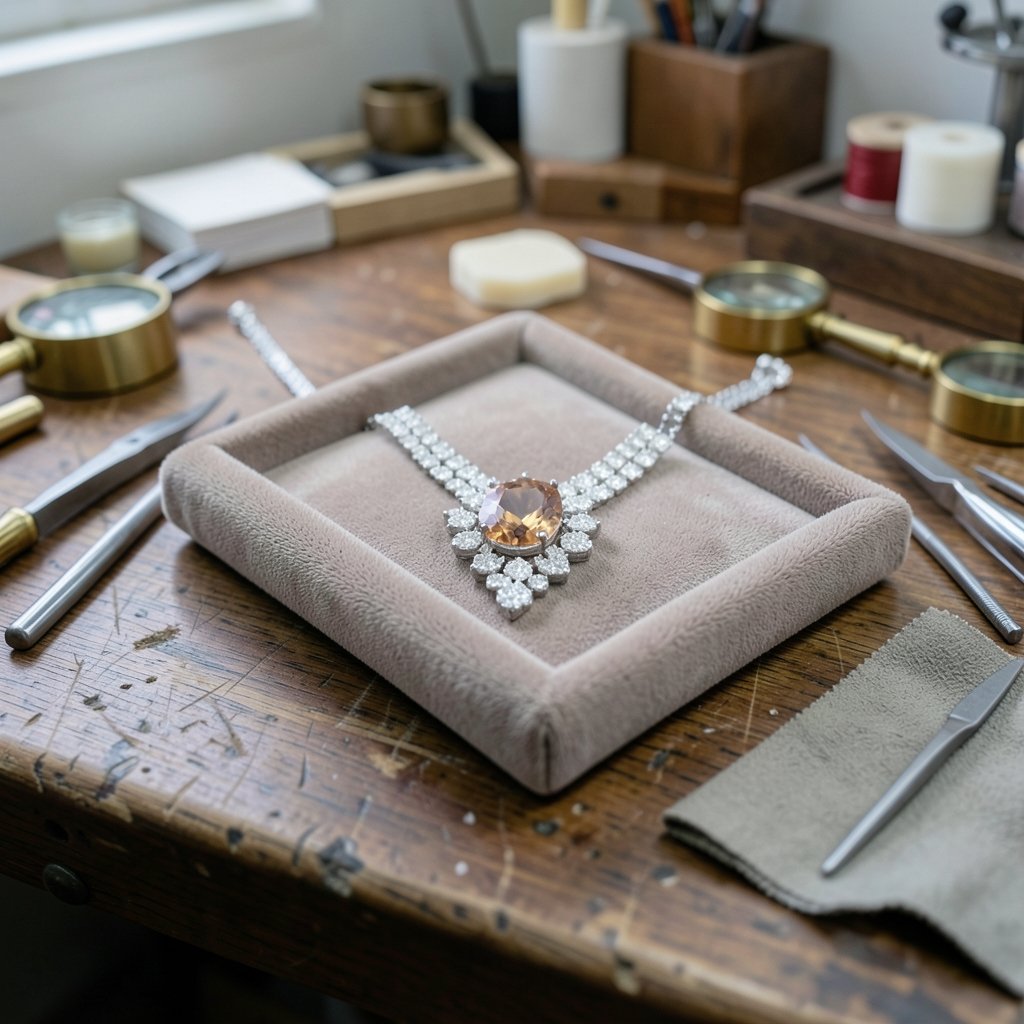
Quick Answer: What is haute joaillerie?
Haute joaillerie is the top tier of fine jewelry: one-of-a-kind or near-unique pieces built around exceptional gemstones and executed by hand by skilled craftsmen. You encounter it through historic Paris houses, annual high-jewelry collections, private salons, and museum exhibitions rather than ordinary retail counters.
It differs from fine jewelry, which uses precious metals and genuine stones but is produced at broader scale, and from costume jewelry, which uses base materials. Unlike haute couture, the term is a trade convention rather than a legally protected designation, so definitions vary by house and market.
Before buying or evaluating a piece, check the gemstone grading and provenance, the metal and setting work, the maker’s signature and paperwork, the rarity of the design, and the resale and auction record.
A Term Borrowed From Fashion, Applied to Stones
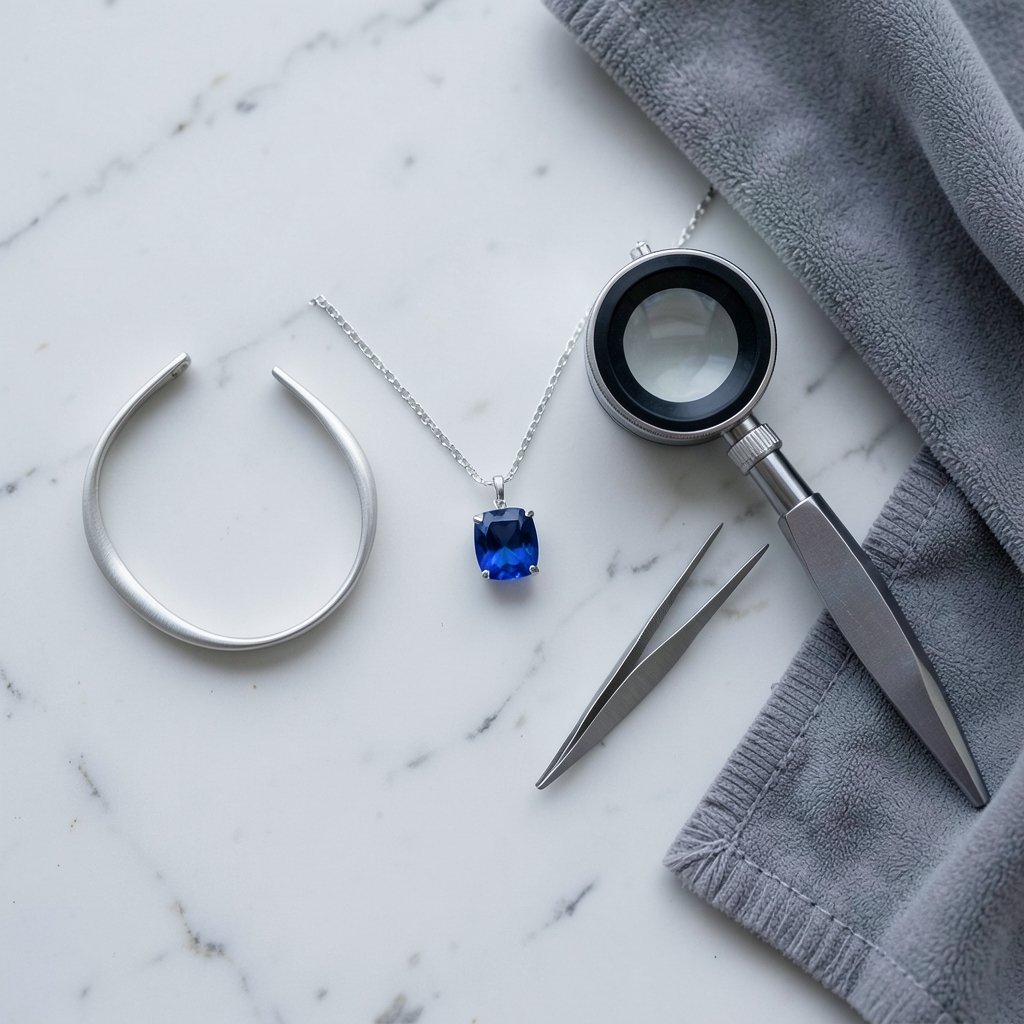
The phrase comes from French, where haute means “high” and joaillerie refers to the craft of working with precious stones, as opposed to bijouterie, which deals in objects made mainly from precious metal. That linguistic split matters. A gold bangle with no significant stones sits closer to bijouterie; a necklace built around a single exceptional sapphire is joaillerie by definition.
What makes it haute is a matter of degree rather than a certificate. The category implies the finest stones available, hand craftsmanship at the highest level, and a piece that exists once or in a handful of examples. There is no governing body issuing a stamp of approval, which is exactly why the term gets stretched.
Why the Term Has No Legal Definition
Haute couture is protected. In France, the designation is controlled through a formal framework administered in Paris, and houses must meet specific criteria to use it. Haute joaillerie enjoys no such protection. Any brand can print the words on a catalog cover.
That creates a genuine ambiguity worth understanding before you walk into a salon. In Paris, the term usually signals a unique piece or a very small series shown at a dedicated annual presentation. In some markets, “high jewelry” is applied to any line containing precious stones. The label tells you about positioning as much as about craft.
The practical consequence: judge the object, not the phrase. Ask what makes this specific piece haute joaillerie, and listen for answers about the stone, the setting, and the hours of work.
What Actually Separates Haute Joaillerie From Fine Jewelry
The distinction is easiest to see side by side.
| Factor | Fine Jewelry | Haute Joaillerie |
|---|---|---|
| Gemstones | Genuine, commercial to good grade | Exceptional, individually sourced and matched |
| Quantity produced | Series production, often repeated | Unique or a very small number of pieces |
| Craft | Machine-assisted with hand finishing | Predominantly hand work by specialist artisans |
| Setting | Standard settings, often cast | Individually fitted, articulated, often custom-built |
| Presentation | Retail counter or e-commerce | Private salon, annual collection, by appointment |
| Documentation | Standard invoice and grading report | Extensive provenance, grading, and archive records |
| Price band | Hundreds to tens of thousands | High five figures into millions |
Two rows deserve emphasis. First, the stone. In haute joaillerie, a house typically builds the piece around a stone rather than selecting a stone to fit a design. That inversion drives everything downstream, including cost and timeline. Second, the setting. A skilled setter fits metal to the individual stone, sometimes with articulated mounts that let a piece move with the body. That work cannot be rushed, and it cannot be fully automated.
The Human Craft Behind a Single Piece
A high-jewelry necklace can pass through many pairs of hands. The gemologist sources and matches stones. The designer sketches. A wax or resin model is carved and refined. The goldsmith builds the structure. The setter places each stone. The polisher finishes. The piece may then return to the workshop several times before it is signed off. (Christie’s)
This is why timelines stretch into months and sometimes years. It is also why training matters. Specialist schools teach gem-setting, lapidary work, and polishing as distinct disciplines, and the pipeline of skilled setters is genuinely narrow. When people ask why a piece costs what it costs, the honest answer usually involves labor hours that no production line can compress.
A useful practical tip: when viewing a piece, ask to see it under magnification and from the underside. The back of a high-jewelry piece is often as finished as the front. Rough edges, uneven prongs, or visible solder marks on the reverse are a signal that the piece is riding on the label rather than the craft.
Where Haute Joaillerie Lives
The historic center of gravity is Paris, particularly the Place Vendôme district, long associated with the major jewelry houses. Annual high-jewelry collections are typically unveiled in the city during the summer couture season, when houses present new one-off pieces to private clients and press.
Beyond Paris, the market is genuinely global. Geneva matters for auctions and colored stones. London, New York, and the Gulf states host significant private client bases. Asian markets, particularly China, have grown into major destinations for high-jewelry presentations.
Museums also play a role in public understanding. Decorative arts institutions stage jewelry exhibitions that let people see historic pieces up close, which is often the most accessible way to learn what top-tier craftsmanship looks like before ever entering a salon.
How Pricing Works, and Why It Is Opaque
There is no published price list for unique pieces, and that is deliberate. Pricing reflects the stone, the metal, the labor, the brand, and the client relationship. Two pieces of similar appearance can differ enormously in value because one centers on an unheated stone of exceptional color and the other on a treated stone of ordinary quality.
For buyers, the practical approach is to separate the components. Ask for the grading report on principal stones. Ask about treatments and origin. Ask what proportion of the price reflects the stone versus the workmanship versus the signature. Not every house will answer in detail, but the questions themselves change the conversation.
Transparency is not the industry’s default setting, so you have to ask for it.
Common Mistakes Buyers Make
Buying the label instead of the piece. A famous name on the box does not guarantee an exceptional stone. Evaluate the object on its own terms.
Skipping the paperwork. Grading reports, provenance documents, and invoices matter enormously for insurance and resale. Missing paperwork can cut value sharply.
Confusing size with quality. A large stone of poor color and heavy treatment is worth far less than a smaller, finer one.
Ignoring the setting. Poor setting work risks stone loss and signals weaker craftsmanship. Check prong security and articulation.
Assuming resale parity. High-jewelry pieces rarely resell at retail price. Auction results for comparable pieces are the realistic benchmark, and they are often well below what was paid.
Overlooking insurance. Unique pieces need agreed-value coverage, not standard homeowners’ contents cover. Get a professional appraisal at purchase.
What to Check Before You Commit
- Request independent grading reports for all principal stones.
- Ask directly about treatments, enhancements, and origin.
- Inspect the piece in person, under magnification, front and back.
- Confirm the maker’s signature, hallmark, and serial or archive number.
- Ask for the piece’s documentation package in writing.
- Compare against recent auction results for similar stones and makers.
- Arrange agreed-value insurance before the piece leaves the salon.
The Market Context
Haute joaillerie is small in volume and large in prestige. The segment functions partly as a brand statement: it demonstrates technical capability, generates editorial coverage, and builds relationships with the wealthiest clients. Many houses do not expect these pieces to drive revenue directly. They expect them to elevate everything else.
That context helps explain why the category keeps expanding even in soft luxury markets. High jewelry is marketing and craft in equal measure, and the two reinforce each other. For collectors, the implication is straightforward: the craft is real and often extraordinary, but the surrounding narrative is engineered. Learn to tell which is which. (Sotheby’s)
How to Learn More Without a Salon Invitation
Start with museum collections and published exhibition catalogs, which show construction details and historical context. Attend auction previews, which are typically free and open to the public and let you handle pieces under supervision. Read specialist trade coverage rather than consumer glossies. Follow the craft schools and their public programming, which often explain technique in accessible terms.
For background on the broader jewelry category and how its tiers are conventionally described, the Wikipedia entry on jewellery is a reasonable starting point. If you are building a content or brand strategy around luxury categories, the editorial team at Voozon Media covers positioning and market language in detail.
Conclusion
Haute joaillerie is best understood as a standard of execution rather than a protected title. It means exceptional stones, hand craftsmanship by specialist artisans, and pieces that exist once or nearly so. Because no authority polices the term, the burden of verification falls on the buyer, and the tools are simple: grading reports, close inspection, provenance documents, auction comparisons, and a willingness to ask uncomfortable questions about price composition. Get those right and the label stops mattering, because the piece speaks for itself.
Frequently Asked Questions
Is haute joaillerie legally regulated like haute couture?
No. Haute couture in France operates under a formal framework with defined criteria, while haute joaillerie has no equivalent legal protection. The term is a trade and marketing convention, which means usage varies considerably between houses and between markets. Treat it as a positioning signal and verify the specifics of any individual piece.
How much does a haute joaillerie piece typically cost?
The range is enormous, from high five figures into millions, driven mainly by the principal stones. Unique pieces are rarely priced publicly. The more useful question is what proportion of the price reflects the stone versus the craftsmanship versus the brand, and a reputable house should be able to discuss that breakdown at least in general terms.
Can I resell a high-jewelry piece for what I paid?
Usually not. Retail prices include brand premium and salon costs that do not transfer on resale. Auction results for comparable pieces are the realistic benchmark, and they frequently sit well below original retail. If resale value matters to you, buy with the secondary market in mind and keep every document.
What documents should come with a purchase?
At minimum: an invoice identifying the piece and maker, grading reports for principal stones from a recognized laboratory, and any provenance or archive documentation the house provides. For insurance, you need an appraisal at agreed value. Missing paperwork can materially reduce both insurability and resale value.
Is haute joaillerie the same as high jewelry?
In practice, yes, though usage differs by market. “High jewelry” is the common English rendering, while “haute joaillerie” carries French and specifically Parisian associations with unique pieces shown at annual collections. Some brands use the English phrase more loosely for any precious-stone line, so the words alone do not guarantee the top tier.
How can someone see haute joaillerie without buying?
Museum exhibitions, published catalogs, and auction previews are the most accessible routes. Auction houses typically open previews to the public at no cost, and you can view pieces closely under supervision. Craft schools and decorative arts institutions also run public programming that explains technique, which sharpens your eye faster than browsing retail windows.