
France Luxury Travel: Where to Go & Spend Well in 2026
 Abdul WadoodLast updated

What if the most expensive trip of your life turned out to be the one you planned the least carefully? France has a way of punishing that mistake. A first-time visitor can drop a small fortune on a Paris hotel near the Eiffel Tower, eat two mediocre dinners, and fly home wondering what the fuss was about. Meanwhile, someone with the same budget who booked a converted château in the Loire, took the train south, and ate lunch where the winemaker eats will describe the trip for years. (Atout France)
The difference is not money. It is knowing how French luxury actually works: what the state labels mean, when the crowds arrive, which regions reward splurging, and which “luxury” extras are quietly a waste. This guide walks through all of it, from palace-status hotels to the practical details nobody mentions until you are standing in the wrong line.
What “luxury” officially means in France
France does not leave high-end hospitality to marketing departments. Beyond the standard star ratings, the state awards a separate Distinction Palace to a small group of exceptional five-star hotels, judged on location, history, service, and that hard-to-define sense of place. The label is administered under French tourism law, and the list is short by design. It is worth knowing because it gives you an independent benchmark: a hotel with the palace label has been inspected against criteria that go beyond thread count.
That matters for trip planning. If a property advertises itself as “palace-style” or “palace-level,” it is borrowing the vocabulary without the certification. Ask directly whether a hotel holds the distinction. The answer is usually a clear yes or a graceful change of subject.
Paris: spend on the address, not the extras
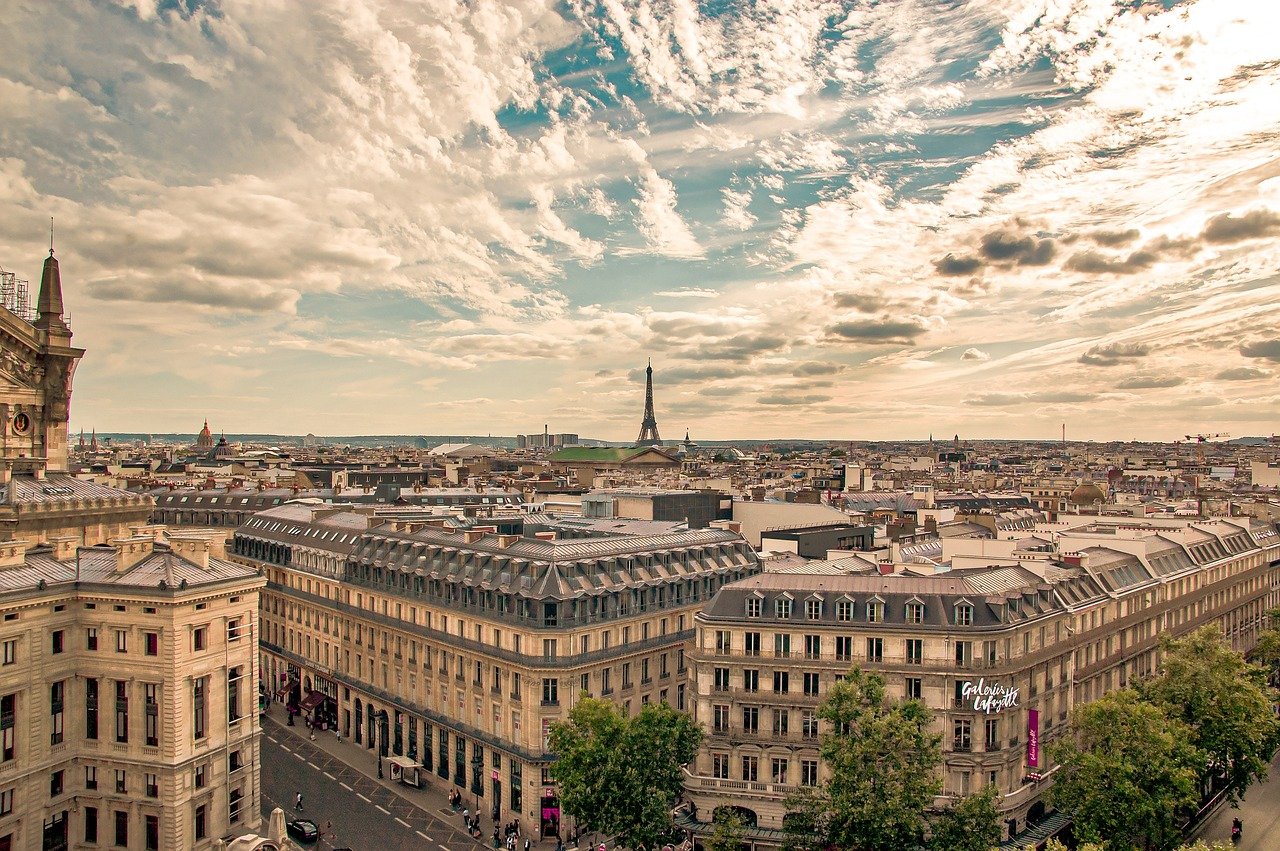
Paris is where most luxury budgets go wrong, because the city makes it easy to pay a premium for things that do not improve the trip. A room overlooking a famous monument can cost twice as much as an equally beautiful room three streets back, and you will spend most waking hours away from the window anyway.
What actually earns its price in Paris:
- A central, walkable address. The first, second, sixth, seventh, and eighth arrondissements put the river, museums, and good food within reach on foot. Walking is the luxury.
- A hotel with real service depth. A concierge who can get you a table on a Friday night is worth more than a marble bathroom.
- One splurge meal, booked early. Reserve the big dinner the day reservations open, not the week you travel.
What rarely does: hotel breakfast at 45 euros when the corner café serves better croissants, airport transfers in a luxury sedan when the RER train is faster in traffic, and shopping in the most touristed corridors where prices carry a location premium rather than a quality one.
A useful rule: in Paris, pay for location and access. Save the theatrical spending for the countryside, where your money buys space, silence, and scenery that no city hotel can match.
Beyond Paris: where the money goes furthest
The smartest luxury itineraries treat Paris as a two- or three-night bookend and put the rest of the budget elsewhere. Each region has its own logic.
The Loire Valley
Château hotels and wine-country estates offer the best value-for-luxury ratio in France. You get historic buildings, large grounds, and serious kitchens at rates that would buy a standard room in central Paris. The trade-off is that you need a car or a driver, and many estates close or run reduced service outside the May-to-October window.
Provence and the Côte d’Azur
Provence rewards slow travel: farmhouse hotels, market towns, and long lunches. The coast is the opposite. In July and August, the Riviera’s marquee towns are congested, prices peak, and a beach club lounger can cost more than a rental car. If the coast is the goal, aim for late May, June, or September, when the light is still good and the crowds thin out.
The Alps
Ski luxury in France is genuinely world-class, but the pricing is seasonal to an extreme. Christmas and February school holidays can double or triple rates. Mid-January and late March often deliver excellent snow with noticeably calmer prices. Book ski equipment and lessons as early as accommodation; the best instructors fill up first.
Bordeaux and Champagne
Wine-region travel suits people who want substance over spectacle. Estate visits, private tastings, and small luxury hotels are the core. The common mistake is over-scheduling: three tastings in a day is one too many, and the third is wasted on a palate that has stopped paying attention.
When to go: the calendar that saves you money
Timing is the single biggest lever on a French luxury budget, bigger than hotel choice. The same room can cost wildly different amounts a few weeks apart.
| Period | Crowds and prices | Best for |
|---|---|---|
| Late April to mid-June | Moderate, rising | Cities, countryside, wine regions |
| July to August | Peak, highest prices | Coast and Alps, if booked far ahead |
| September to mid-October | Moderate, falling | Almost everything; best overall balance |
| November to March (excluding holidays) | Low, best value | Paris museums, city breaks, ski season start |
Two quirks catch visitors out. First, August in Paris is quiet in an odd way: many neighbourhood restaurants and shops close for the holidays, so the city can feel emptied rather than relaxed. Second, French school holiday zones stagger across the country, which spreads demand but does not eliminate it. Check the official holiday calendar before locking dates.
If you are building a multi-country European trip around France, it helps to see how other cities handle peak season and pricing. A Copenhagen luxury travel guide, for instance, shows how a compact, expensive city can be navigated by choosing the right neighbourhood and season rather than simply spending more.
Trains, transfers, and the small gear that matters
France’s high-speed rail network is one of the great luxury assets of the country, and it is often overlooked by travellers who default to flying or private cars. A first-class TGV seat between Paris and the south is comfortable, fast, and puts you in the city centre rather than an airport an hour outside it. For longer or more scenic routes, the wider world of premium rail is worth understanding before you book; this luxury train travel guide on routes and smart booking covers how to compare sleeper services, scenic lines, and when a rail pass actually pays off. (Luxury goods)
Practical details that trip up even experienced travellers:
- Book TGV seats early. Fares rise steeply as departure approaches, and popular weekend trains sell out.
- Validate nothing, but check your ticket. Paper tickets still need stamping on some regional lines; app-based tickets do not.
- Pack one adapter that fits French sockets. France uses standard European two-pin outlets. Hotel loaners disappear fast, and a single well-chosen adapter beats a bag of cheap ones. There is a genuinely useful breakdown of which travel adapters actually work in luxury hotels, including the USB-C and voltage questions people get wrong.
- Arrange transfers in advance for rural estates. Taxis are scarce outside cities, and a missed pickup at a country train station is a common, avoidable stress.
The mistakes that quietly ruin a luxury trip
Nobody plans a bad trip. They just make small errors that compound. Here are the ones that show up again and again.
Over-packing the itinerary. Three cities in five days is not luxury; it is logistics. Two bases with real time in each will feel far more indulgent.
Booking the famous restaurant instead of the good one. Reputation lags reality. Ask your hotel for the place the staff eat at, and book that too.
Ignoring closure days. Many museums close one day a week, and many top restaurants close Sunday and Monday. A little calendar work prevents a lot of standing outside locked doors.
Treating the concierge as a last resort. The best concierges in France are a genuine service, not a tip jar. Ask early, ask specifically, and they will move mountains.
Skipping travel insurance on high-value trips. Cancellation, medical cover, and baggage protection cost little relative to the trip and protect the whole investment.
For city-focused itineraries, it pays to study how a single destination rewards slower travel. A Kyoto luxury travel guide on where to stay, dine, and slow down makes the case for depth over breadth in a way that translates directly to a week in Paris or Lyon.
Making the budget work harder
Luxury in France is less about spending more and more about spending deliberately. A few structural choices do most of the work.
Split the trip. Two or three nights in a city hotel, then four or five in a countryside estate, gives you both experiences for less than a week of city rates.
Use the midday meal. France’s lunch menus at high-end restaurants are often dramatically cheaper than the same kitchen’s dinner, with much of the same cooking on the plate. This is the single best-value move in French fine dining.
Book direct and ask. Hotels frequently have more flexibility than booking platforms show, especially on room upgrades and late checkout. A short, polite email explaining the occasion costs nothing.
Choose one signature experience. A private vineyard lunch, a hot-air balloon at dawn, a cooking class with a market visit. One memorable splurge beats five forgettable ones.
Watch the extras. Minibar, spa add-ons, and hotel transfers are where budgets leak. Set a daily allowance for incidentals and check it.
A sample week that balances city and country
A workable shape for a first luxury trip: three nights in Paris in a well-located five-star, one splurge dinner, one market morning, and one day trip by train. Then two hours south by TGV to a Loire or Burgundy estate for four nights, with a driver for one day of vineyard visits and the rest spent walking, reading, and eating. Return to Paris the night before departure to remove all transfer risk.
It is not the most extravagant itinerary possible. It is the one people come home from happy.
Conclusion
France rewards travellers who understand its systems rather than simply its scenery. The palace label tells you which hotels are genuinely exceptional. The calendar tells you when the same room costs half as much. The train network tells you that the most comfortable way between regions is also often the smartest. And the country’s food culture tells you that lunch is where the value hides.
None of that requires a bigger budget. It requires a little homework before you book and the discipline to build in empty time. Do that, and the trip stops being an expense and starts being the one you compare everything else to.
FAQ
What is the Distinction Palace in France?
It is a state-awarded label for exceptional five-star hotels, granted under French tourism law after inspection of location, history, service, and character. It sits above the standard star rating and is held by a small number of properties. If a hotel claims to be “palace-style,” ask whether it actually holds the distinction.
When is the cheapest time for a luxury trip to France?
November through March, excluding the Christmas and New Year period and school holidays, offers the lowest rates almost everywhere. Late September and early October are the sweet spot for good weather at moderate prices. July and August are the most expensive months, particularly on the coast and in the Alps.
Is it better to take the train or fly between French regions?
For most city-to-city routes, the high-speed train wins: it is faster door to door, drops you in the centre, and avoids airport transfers entirely. Flying makes sense mainly for long distances or connections to international flights. Book train tickets well in advance, as fares climb steeply closer to departure.
How much should a luxury trip to France cost per day?
It varies enormously by region and season. A realistic planning range for a comfortable five-star trip, including accommodation, meals, and local transport, runs from roughly 500 to 1,500 euros per person per day. Paris and the Riviera in peak season sit at the top of that range; the Loire, Burgundy, and off-season city stays sit well below it.
Do I need to speak French to have a luxury experience?
No, but effort is rewarded. A greeting in French before switching to English changes the tone of almost every interaction, from hotel desks to village bakeries. Learn a handful of phrases: bonjour, merci, s’il vous plaît, and excusez-moi cover most situations.
What should I book first for a French luxury trip?
Accommodation and any signature restaurant reservations, in that order, and both as early as your plans allow. In peak season, the best tables and the most characterful countryside hotels fill months ahead. Train tickets come next, then private transfers and any guided experiences.