
Gender-Neutral & Oversized Designer Collections 2026
 Abdul WadoodLast updated
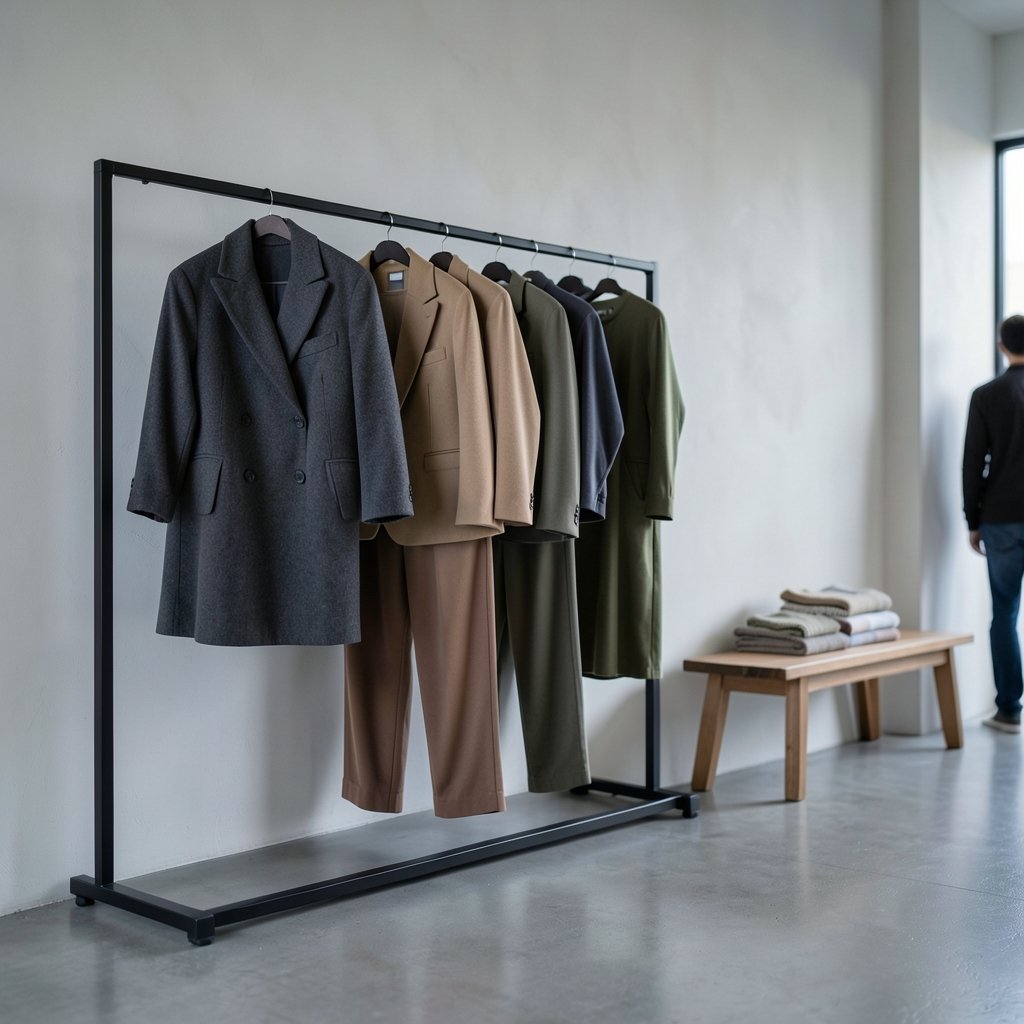
Quick Answer: Which designer collections focus on gender-neutral or oversized silhouettes?
The labels most consistently associated with gender-neutral or oversized silhouettes include Yohji Yamamoto, Comme des Garçons, Rad Hourani, Thom Browne, Eckhaus Latta, Telfar, Harris Reed, and Palomo Spain, with Gucci’s mid-2010s era frequently cited as a turning point in the mainstream.
These houses differ in approach: some build entire labels around fluid tailoring, while others use volume as a seasonal statement layered onto otherwise conventional menswear or womenswear. The distinction matters, because a single oversized season is not the same as a permanent design philosophy.
Before committing to a piece, compare fit intent, fabric weight, construction quality, sizing conventions, return terms, and how the garment reads across body types.
Why Volume and Fluidity Became a Design Language
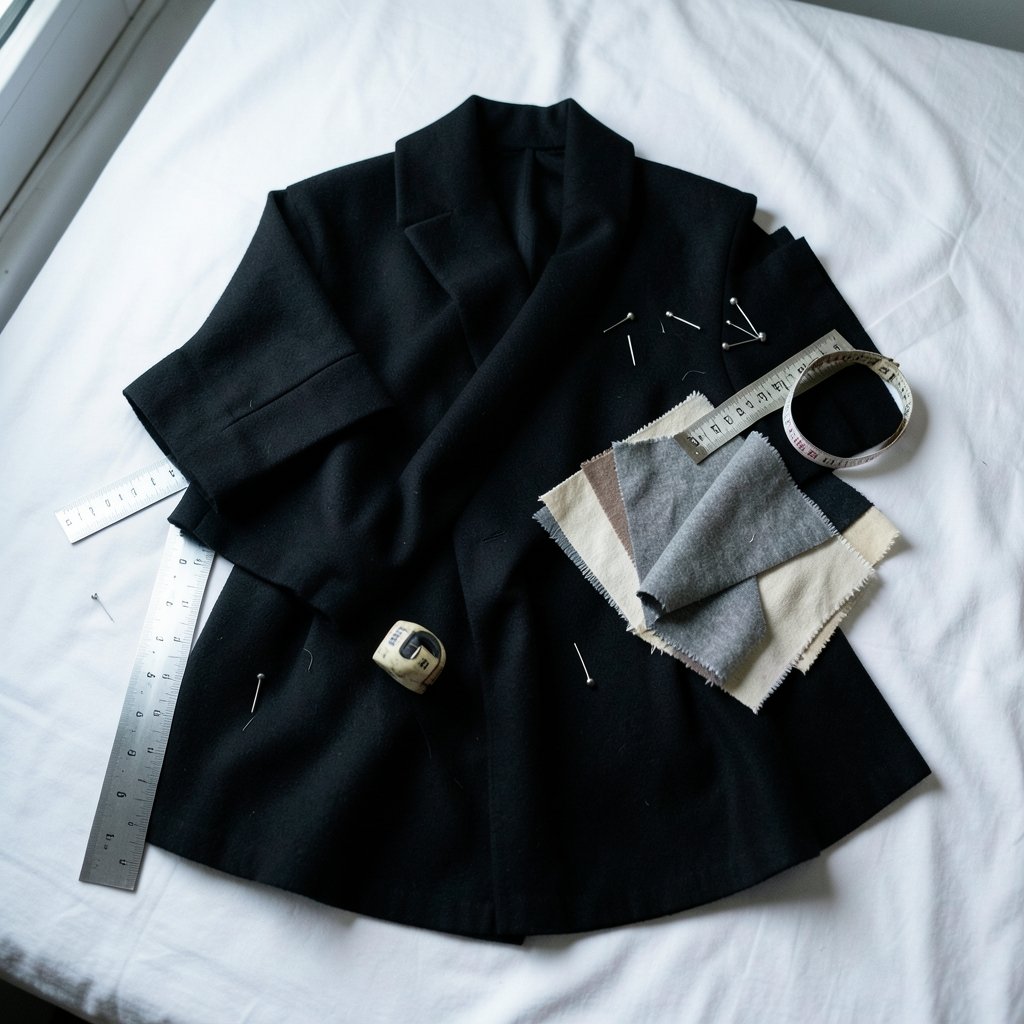
Ever notice how a boxy jacket can make a person look like they borrowed someone else’s clothes, and somehow that is the point? That small act of borrowing is where this whole story begins.
Fashion has spent decades loosening the link between a garment and a gender. The designers who pushed hardest did not start with a marketing deck. They started with a silhouette. Yohji Yamamoto, who showed in Paris in 1981, and Rei Kawakubo of Comme des Garçons built collections around draped, body-obscuring volume through the 1980s, years before “gender-neutral” became a retail category. Their clothes hung away from the body, hid the waist, and refused to advertise the wearer’s shape. That refusal is the ancestor of nearly every oversized look on the rails today.
The vocabulary still trips people up. Gender-neutral, unisex, gender-fluid, and androgynous get used interchangeably in fashion press, and there is no single industry standard. A brand calling a shirt “unisex” may simply mean it is cut straight with no bust shaping. A brand calling a collection “gender-fluid” may mean something more conceptual about who gets to wear what. Knowing which one you are buying saves a lot of guessing. (Eau de parfum vs eau de toilette which concentration) (Unisex clothing)
The Labels That Built Their Identity Around It
Some designers treat fluid tailoring as the whole point of the house, not a capsule experiment. These are the names worth knowing first.
Yohji Yamamoto and Comme des Garçons
Both Japanese houses made volume and concealment central long before the terminology caught up. Yamamoto’s tailoring wraps, layers, and drops; Kawakubo’s work often abandons conventional garment logic entirely. If you want to understand oversized silhouettes as an idea rather than a trend, these two are the primary texts.
Rad Hourani
Hourani presented what is widely described as the first unisex haute couture collection in Paris in July 2012, and the label has stayed seasonless and gender-neutral since. Treat the “first” label with some caution, since it is a contested superlative repeated across fashion press rather than a settled record.
Thom Browne
Browne has run men’s and women’s collections on a shared language of shrunken-and-stretched tailoring since the 2000s, with the grey suit as a recurring unisex motif. His oversized proportions are deliberate and architectural, not slouchy.
Eckhaus Latta
Founded in 2011, this label has consistently used unisex casting and gender-neutral garments, and it turns up repeatedly in discussions of post-gender fashion. It sits at the more accessible end of the conceptual spectrum.
Telfar
Telfar’s “not for you, for everyone” positioning and its unisex shopping-bag accessory turned gender-neutral accessibility into a mainstream retail story. It is the clearest example of the idea moving from runway to everyday.
Harris Reed and Palomo Spain
Harris Reed has become a prominent name for fluid, theatrical, oversized silhouettes, and Palomo Spain has shown romantic, gender-fluid tailoring since 2016. Both push toward drama rather than minimalism.
How the Main Houses Compare
The table below summarizes how each label treats volume and gender, so you can match a house to what you actually want to wear.
| Label | Core approach | Typical silhouette | Best for |
|---|---|---|---|
| Yohji Yamamoto | Draped, body-obscuring volume since 1981 | Long, layered, dropped shoulders | Buyers who want movement and concealment |
| Comme des Garçons | Conceptual, often non-garment forms | Sculptural, asymmetric | Collectors and statement wearers |
| Rad Hourani | Seasonless unisex couture since 2012 | Clean, straight, minimal | Minimalists wanting true unisex cuts |
| Thom Browne | Shared tailored language across men’s and women’s | Shrunken or extended suiting | Suit wearers who want precision |
| Eckhaus Latta | Unisex casting and gender-neutral garments since 2011 | Relaxed, everyday | Casual wardrobes |
| Telfar | Accessible unisex accessories and clothing | Boxy, functional | First-time buyers |
| Harris Reed | Theatrical fluidity | Dramatic, wide, embellished | Occasion and editorial dressing |
| Palomo Spain | Romantic gender-fluid tailoring since 2016 | Soft, flowing menswear | Wearers who want softness in tailoring |
Oversized Is Not the Same as Gender-Neutral
Here is a mistake people make constantly: assuming a giant coat is automatically gender-neutral. It is not. A coat can be enormous and still be cut with a defined bust, a nipped waist, or shoulder shaping that only works one way. Volume and gender neutrality are two separate design decisions that sometimes travel together.
Oversized silhouettes as a trend are usually traced to 1990s grunge and hip-hop styling and, before that, to the Japanese avant-garde of the 1980s. That lineage is interpretive rather than hard fact, but the practical takeaway is solid: oversized is a proportion choice, while gender-neutral is a pattern-cutting choice. Ask which one you are actually looking at.
This matters when you shop. A boxy unisex tee and an oversized women’s blouse can look similar on a hanger and behave completely differently on a body. The first has no shaping; the second has shaping, just with extra room. If your goal is a genuinely shared wardrobe, check the pattern, not the photo.
The same logic applies across categories. Just as a bag’s size does not tell you who it is for, a garment’s width does not tell you how it is cut. That is why the current appetite for very large shapes, explored in this look at the maxi bag trend and oversized bags winning in 2025, runs parallel to the gender conversation without being identical to it.
Gucci and the Mainstream Turn
Gucci under Alessandro Michele, appointed in January 2015, did more than any other big house to blur gendered codes in the mainstream. Lace, pussy-bow blouses, and oversized tailoring appeared across men’s and women’s lines, and the house’s unisex concept around 2019 is often cited as a landmark. The exact naming and dates of that initiative are worth verifying before you repeat them, but the direction is not in doubt.
What Michele proved commercially is that fluid dressing sells. Before that, gender-neutral design lived mostly in avant-garde and independent labels. After it, department stores started merchandising unisex sections and fast fashion followed within a season or two. Whether that diffusion was good for the idea is a fair debate, but it undeniably widened access.
The comparison most shoppers actually face now is between heritage houses that flirt with fluidity and independents that live it. If you are weighing two Italian names against each other, this breakdown of Fendi versus Gucci bags, which Italian luxury house fits your style, is a useful reminder that a house’s aesthetic identity often outlasts any single creative director’s experiment.
Practical Buying Tips That Actually Work
Theory is cheap. Here is what tends to work in practice when you are actually spending money on these silhouettes.
- Check the pattern, not the label. Look for bust darts, waist suppression, and shaped shoulders. Their absence is the real signal of a unisex cut.
- Read the size chart in centimetres. Unisex sizing often runs on men’s measurements, so a “small” may fit nothing like a women’s small.
- Weigh the fabric. Heavy wool and dense cotton hold an oversized shape; thin jersey collapses into a sack after two washes.
- Try the shoulder seam first. In oversized tailoring, the shoulder is where the whole garment succeeds or fails.
- Ask about return terms before you buy. Fluid cuts are harder to fit blind than conventional ones.
Common mistakes are predictable. People buy one size up in a gendered garment and call it unisex, which rarely works because the proportions shift in the wrong places. People also assume oversized means forgiving, when a badly cut oversized piece can look more restrictive than a fitted one.
Travel adds its own wrinkle. Structured, voluminous pieces crease and lose shape in a suitcase, so packing smart matters as much as buying smart. These tips on how to pack designer shoes for travel without ruining them apply the same principle to footwear: protect structure, and the piece survives the trip.
Shoes and bags aside, the wardrobe question is broader. There is a real difference between spending on objects and spending on experiences, and the same tension shows up in clothing. This piece on experiential luxury versus material luxury, which actually delivers more value, is worth reading if you are deciding whether a single archival Yamamoto piece beats three forgettable trend buys.
Where Oversized Fits Into a Real Wardrobe
A useful way to think about it: oversized pieces are anchors, not filler. One excellent wide-shouldered coat or a dropped-shoulder knit does more work than five mediocre baggy items. Build around it with fitted basics so the volume reads as intentional.
There is also a styling question hiding inside the trend conversation. A chin-length bob reads very differently against a huge coat than long hair does, and the choice of cut changes the whole proportion of an outfit. If you are rethinking the top half of your look alongside the clothes, this comparison of the Italian bob versus the French bob, which chin-length cut actually suits you, covers the practical differences.
For anyone building a wardrobe around these shapes, the smartest move is to buy fewer, better pieces and learn how each one behaves. Volume is unforgiving of cheap construction. A well-made oversized blazer survives a decade; a poorly made one looks tired by the second season.
Conclusion
The designer collections most committed to gender-neutral or oversized silhouettes are not a single school. Yohji Yamamoto and Comme des Garçons treat volume as philosophy. Rad Hourani, Eckhaus Latta, and Telfar treat unisex cutting as the foundation. Thom Browne, Harris Reed, and Palomo Spain reinterpret tailoring through proportion and romance, while Gucci’s mid-2010s era carried the idea into the mainstream.
The practical lesson is simple. Decide whether you want volume, fluidity, or both, then check the pattern, the fabric, and the sizing before you pay. A garment that hides the body and a garment that ignores gender are two different achievements, and the best pieces manage both at once.
FAQ
What does gender-neutral actually mean in fashion?
It usually means a garment is cut without shaping designed for one sex, such as bust darts or a suppressed waist, so the same piece is intended to fit any wearer. The term is used loosely across the industry, and some brands apply it to marketing rather than pattern-cutting.
Is oversized clothing always unisex?
No. A garment can be very large and still be cut with gendered shaping. Oversized refers to proportion and volume, while unisex refers to how the pattern is drafted. The two often appear together but are independent decisions.
Which designer is credited with the first unisex couture collection?
Rad Hourani is widely credited with presenting the first unisex haute couture collection in Paris in July 2012. The claim is repeated across fashion press but remains a contested superlative rather than a settled historical record.
Are these collections more expensive than mainstream designer lines?
Generally, yes. Avant-garde and independent labels producing fluid tailoring sit at luxury price points, while Telfar and Eckhaus Latta offer more accessible entry points. Construction quality and fabric weight drive most of the difference.
How should I size an oversized or unisex piece?
Start with the size chart in centimetres rather than the letter size, since unisex garments often follow men’s measurements. Check the shoulder seam placement and confirm return terms before buying, because fluid cuts are harder to fit without trying on.
Can I wear oversized silhouettes if I am short?
Yes, with attention to length and shoulder placement. A cropped wide jacket or a long coat with a clear vertical line usually works better than a boxy mid-length piece, which can shorten the whole outfit. Proportion, not height, decides whether volume reads well.