
How to Collect Vintage Watches: Avoid Overpaying
 Abdul WadoodLast updated
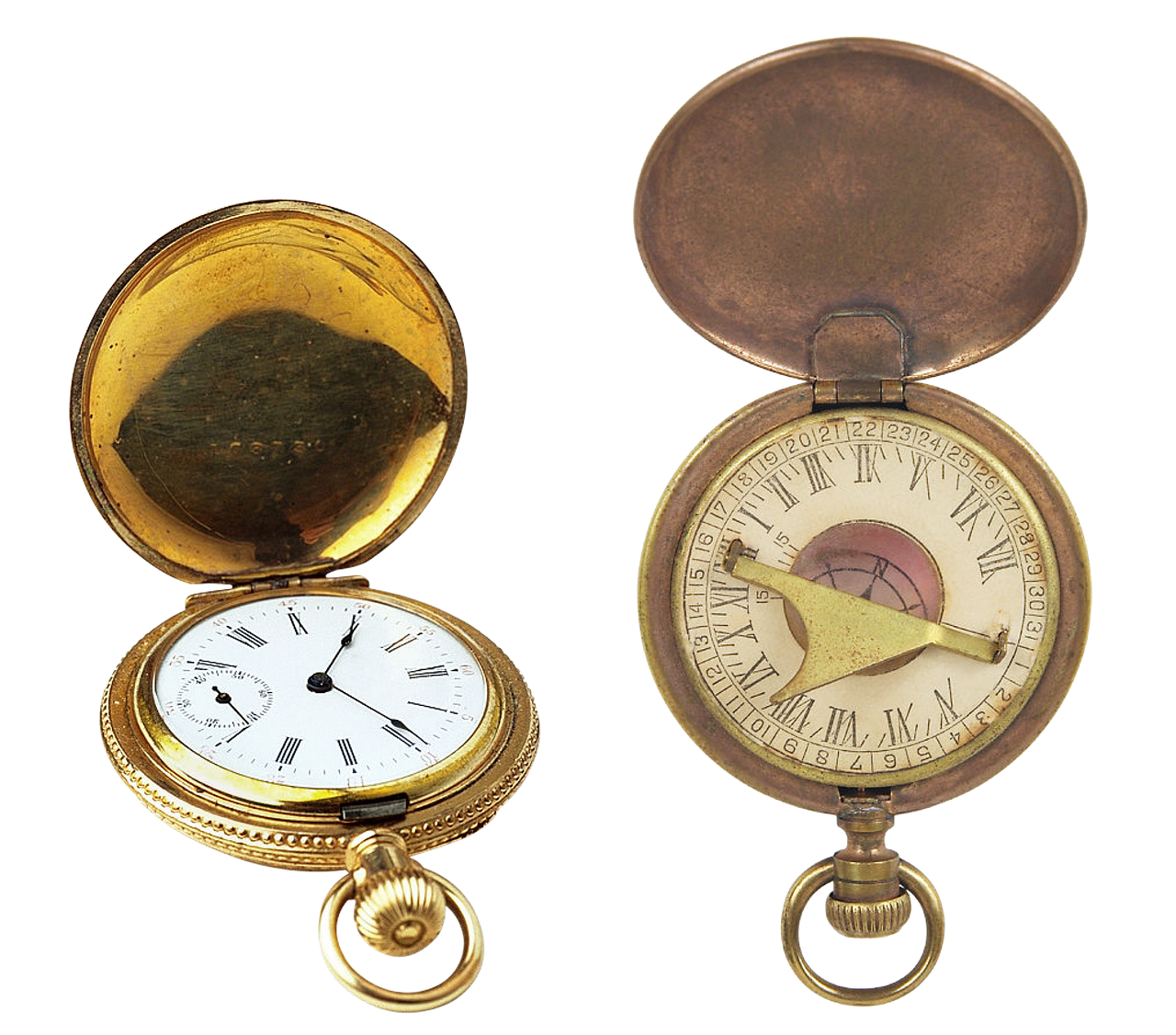
A mechanical watch contains roughly 100 to 300 moving parts, yet the difference between a $900 vintage piece and a $90,000 one often comes down to details most buyers never check before handing over money. That gap is where the real skill of collecting lives.
Collecting vintage watches is part treasure hunt, part forensics, and part discipline. The market rewards people who learn to read a watch the way a jeweler reads a gemstone, and it punishes anyone who buys on impulse and romance. This guide walks through what actually works in practice, from setting a budget to spotting a “frankenwatch” built from mismatched parts.
Start With a Budget and a Narrow Focus
New collectors make the same mistake: they buy everything that looks interesting. A scattered collection is hard to value, hard to insure, and hard to sell later. Pick a lane first.
Good starting lanes include:
- One brand, one era (for example, 1960s dive watches)
- One complication (chronographs, or watches with date windows)
- One country of origin (Swiss, Japanese, or American)
- One price band (say, $500 to $1,500 per piece)
A narrow focus does two things. It forces you to learn a specific market deeply, and it makes your collection coherent if you ever resell. Dealers pay more for a focused group than for a random pile.
Set a hard ceiling per purchase, and keep a separate fund for servicing. Vintage watches are mechanical objects that wear out. A full service on a simple three-hand watch often runs $200 to $500, and chronographs cost considerably more. If a watch needs service and the seller’s price doesn’t reflect that, you’re absorbing the cost.
Learn to Read Condition Before You Learn to Read Price

Condition drives value more than rarity in most segments. Two identical references can differ in price by 40 percent or more based on dial condition alone.
Here’s what experienced buyers check, in order:
- Dial originality. Has it been repainted (a “redial”)? Look for uneven lettering, fuzzy printing, or a finish that doesn’t match the era. A redial can cut value in half.
- Hands and crown. Do they match the case and dial period? Mismatched hands are a classic sign of a rebuilt watch.
- Case condition. Polishing rounds off sharp edges. Original bevels and crisp lugs matter.
- Movement. Ask for photos of the movement and, ideally, a recent service record.
- Bracelet and end links. Original bracelets can be worth more than the watch head on some models.
Bring a loupe, or use your phone’s macro mode. Ten seconds of magnification catches most problems.
Understand What “Original” Really Means
The word original gets thrown around loosely. In practice, collectors grade watches on a spectrum: fully original, mostly original with period-correct replacement parts, and assembled from unrelated components.
The last category is the danger zone. A frankenwatch is a watch built from parts of different watches, often of different eras, sold as if it were a single original piece. It might look fine at arm’s length and still be nearly worthless to a knowledgeable buyer.
Red flags include:
- A dial reference that doesn’t match the case reference
- Service parts from a much later decade
- Serial numbers that don’t fit the production range
- A seller who can’t explain the watch’s history
Reputable sellers document provenance. They keep service papers, original boxes, and purchase records. Those items, often called “box and papers,” can add 10 to 30 percent to resale value on collectible models. If you’re building a collection you may one day sell, buy the complete set whenever the price difference is reasonable.
Where to Buy and What Each Channel Costs You
Every buying channel has a different risk profile. Knowing the trade-offs keeps you from overpaying for convenience or underpaying for safety.
| Channel | Typical Premium | Main Risk | Best For |
|---|---|---|---|
| Auction houses | Buyer’s premium, often 20–26% | Condition surprises, as-is sales | Rare references with documented provenance |
| Established dealers | 15–30% over private sales | Overpaying for convenience | Beginners who want a warranty |
| Online marketplaces | Lowest prices | Fakes, frankenwatches, no recourse | Experienced buyers who can verify |
| Watch forums and clubs | Fair prices | Variable seller quality | Learning and building relationships |
| Estate and antique sales | Occasionally very low | Poor condition, no history | Patient hunters with repair budgets |
Auction is where the market’s pulse is clearest. Major houses run dedicated watch sales, and the realized prices, published after each sale, are one of the best free research tools available. Study results for the reference you want before you bid, and remember that the buyer’s premium is added on top of the hammer price.
Dealers cost more, but they carry risk. A good dealer will let you return a watch and will stand behind authenticity. For a first serious purchase, that protection is often worth the premium.
Build a Research Habit Before Every Purchase
The single most effective habit in this hobby is boring: research the exact reference before you buy. Not the brand, not the era, the reference number.
A practical checklist:
- Search completed sales for the same reference over the past two years
- Compare dial variants and note which are rarer
- Find the production years and confirm the serial range
- Ask the seller for movement photos and service history
- Check whether the bracelet is original or a later replacement
- Look up common faults for that movement
Keep a simple spreadsheet. Log the reference, the asking price, the condition notes, and the date. After a year, you’ll have your own price database, which is more useful than any generic guide because it reflects the watches you actually want.
This is also where the culture of collecting has shifted. Buyers increasingly want a story and a personal connection to a piece rather than a pure status symbol, and that shift rewards research over flash. The same instinct shows up across collecting categories, as explored in this look at why collecting is becoming personal. (Collecting)
Set a Servicing and Storage Plan
A vintage watch is not a piece of jewelry you leave in a drawer. Mechanical movements need periodic attention, and improper storage accelerates wear.
Practical rules that work:
- Service every 5 to 7 years for watches in regular use, or when timekeeping drifts noticeably.
- Never wind a watch that has sat unused for years without having it inspected first. Dry lubricants turn to grit, and running the movement can grind pivots.
- Store away from moisture and magnets. A simple dry box with a silica packet is enough.
- Keep the box, papers, and any service receipts in one place. Documentation is part of the asset.
- Insure the collection separately. Standard home policies often cap jewelry and watch coverage.
Use a watchmaker who specializes in vintage movements. A generalist may replace parts that should be preserved, and on a collectible watch, an unnecessarily replaced dial or handset can destroy value. Ask specifically whether the watchmaker will preserve original components.
Know the Difference Between Collecting and Investing
Vintage watches can hold value, and certain references have appreciated strongly. But the market is not a savings account. Prices move with fashion, and liquidity varies wildly by reference. A rare dive watch might sell in a week; an obscure dress watch might sit for a year.
Treat watches as a passion first. If a piece appreciates, that’s a bonus. Buyers who chase returns tend to buy at peaks and sell in soft moments. Buyers who collect what they genuinely love tend to hold longer, learn more, and make better decisions.
There’s also a design dimension worth appreciating. Vintage pieces carry proportions, dial layouts, and finishing techniques that modern manufacturing rarely reproduces at the same price. Exploring watches, brands, and design with a collector’s eye trains you to notice these details, and that knowledge transfers to every future purchase. (Voozon Luxury)
Common Mistakes That Cost Real Money
Some errors show up again and again. Avoiding them is worth more than any single buying tip.
- Buying the story, not the watch. A romantic tale about a grandfather’s service record means nothing without documentation.
- Skipping the movement photos. The dial is what you see; the movement is what you’re buying.
- Ignoring size. Vintage watches often measure 34 to 36mm. Try one on before committing.
- Overpolishing. A heavily polished case loses its original geometry and its value.
- Buying without a return window. Always confirm return terms in writing.
- Forgetting the total cost. Add buyer’s premium, shipping, import duty, and servicing to the sticker price.
One more: don’t buy your first vintage watch at an auction you can’t attend in person. Online bidding is convenient, but condition reports are no substitute for holding the piece.
Conclusion
Collecting vintage watches rewards patience more than money. The collectors who do well are the ones who narrow their focus, learn one reference at a time, verify condition with magnification and documentation, and budget for servicing from day one. They treat every purchase as a small research project rather than a splurge.
Start small. Buy from sellers who stand behind their watches. Keep records. The pleasure of a vintage watch comes from understanding it, not from wearing it alone. A piece you can explain, down to its movement and its service history, will always be worth more than one you bought on a hunch.
Frequently Asked Questions
How much should a beginner spend on a first vintage watch?
Most experienced collectors suggest starting between $500 and $1,500. That range buys genuine vintage pieces from established brands with real collectible value, while keeping the cost of a mistake manageable. Always reserve an extra $200 to $500 for a service.
How can I tell if a vintage watch has been redialed?
Look closely at the printing under magnification. Original dials usually show crisp, even lettering and consistent aging. Redials often have slightly fuzzy edges, mismatched fonts, or a finish that looks too new for the watch’s age. Compare against photos of known original examples of the same reference.
Are vintage watches a good investment?
Sometimes, but not reliably. Certain references have appreciated significantly, while others have stayed flat or declined. Liquidity varies, and servicing costs eat into returns. Treat collecting as a passion first and an investment second.
What does “box and papers” mean and why does it matter?
It refers to the original presentation box and the documentation that came with the watch, such as warranty papers and manuals. Complete sets are more desirable to collectors and typically resell for 10 to 30 percent more than a watch sold alone.
Should I service a vintage watch before wearing it?
Yes, if it has been sitting unused. Old lubricants dry out and can damage the movement once it starts running. Have a watchmaker inspect it first, then decide whether a full service is needed.
Is it safe to buy vintage watches online?
It can be, if you buy from sellers with strong feedback, clear return policies, and detailed photos of the dial, case, and movement. Avoid listings with blurry images, vague descriptions, or prices far below market. When in doubt, pay a little more for a dealer who offers a guarantee.
Finally, join a community. Forums, local watch clubs, and enthusiast meetups give you access to expertise no guide can replace. Members share reference photos, flag bad listings, and often sell to each other at fair prices. The relationships you build there will shape your collection more than any single purchase, and the knowledge flows both ways: every question you ask teaches someone else. Start with one reference you love, learn it thoroughly, and let the rest follow.