
How to Collect Vintage Jewelry: Avoid Fakes & Overpaying
 Abdul WadoodLast updated
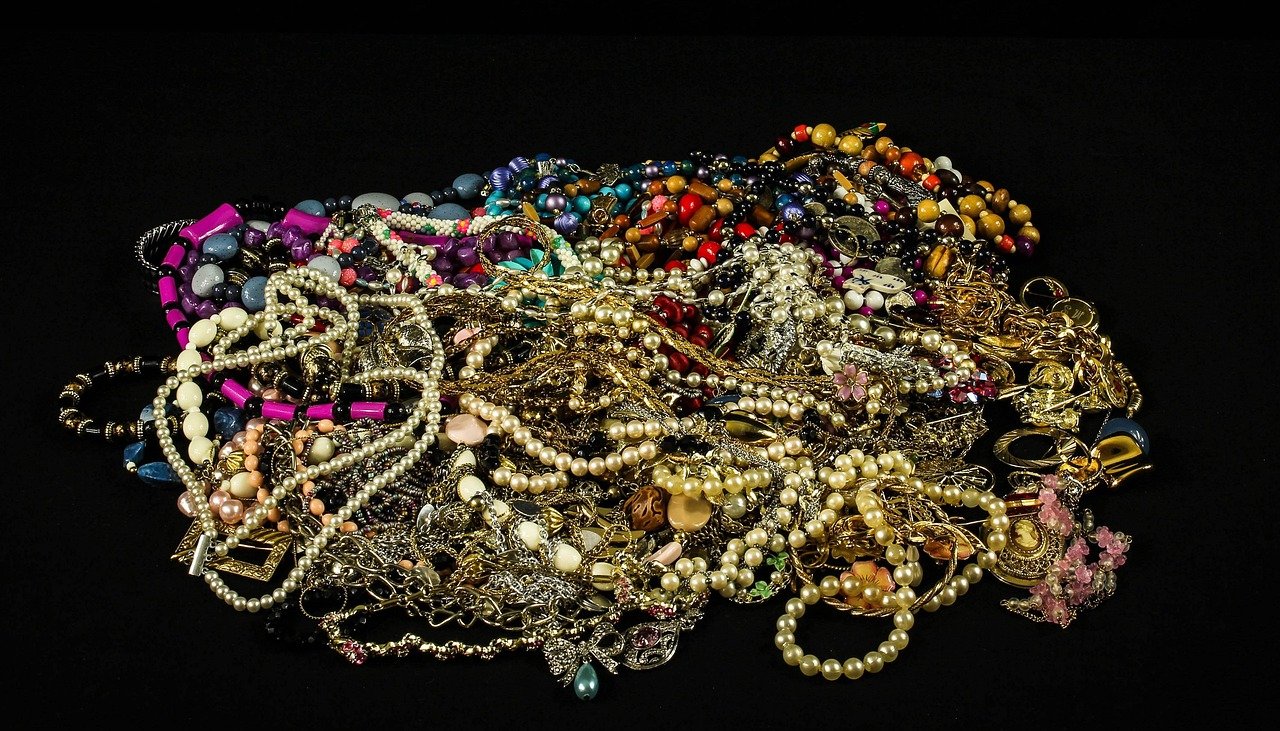
A single signed costume piece from a mid-century design house can sell for more than a solid gold ring from the same era. That fact surprises almost every new collector, and it captures why vintage jewelry rewards knowledge over budget. Value here rarely follows the metal content. It follows design, provenance, condition, and scarcity.
This guide walks through the practical side of building a collection: what to learn first, where to buy, how to spot problems, and the mistakes that cost beginners the most money.
Start With One Era, Not Everything at Once
The fastest way to waste money is to buy broadly before you can recognize anything. Experienced collectors almost always begin with a narrow focus: Art Deco pieces, mid-century American costume jewelry, Victorian mourning jewelry, or a single designer. Depth beats breadth early on because patterns become visible. After handling fifty pieces from one era, a collector starts noticing the clasp styles, stone settings, and finish quality that separate the real thing from a reproduction.
Two terms get used loosely, so pin them down before shopping. Vintage generally means at least 20 years old. Antique usually means 100 years or more. Dealers and markets apply these thresholds inconsistently, and no single authority enforces them. Treat the labels as shorthand, not guarantees.
A useful starting question: what does the piece do that modern jewelry doesn’t? Hand-set stones, hand-painted enamel, and hand-finished clasps all show up in older work in ways that mass production rarely matches. That craft difference is often where collector value lives.
Learn the Marks Before You Learn the Prices

Marks are the collector’s best tool, and they’re free to study.
Precious-metal jewelry from the UK and many European countries carries hallmarks: a maker’s mark, an assay office mark, and a date letter. The date letter lets you tie a piece to a specific year using published tables from the assay offices. That’s a genuine authentication aid, not a guess.
Costume jewelry uses different signatures. Designer marks may be stamped into the metal or printed on a hang tag. Patent numbers are another dating tool; national patent databases let you look up when a design or mechanism was registered.
| Mark type | What it tells you | Where to verify |
|---|---|---|
| Hallmark (assay office) | Metal purity, maker, assay year | Assay office date-letter tables |
| Designer signature | Maker, sometimes era | Designer reference books, auction archives |
| Patent number | Registration date of a design or mechanism | National patent office databases |
| Country of origin stamp | Manufacturing location | Country-specific hallmarking guides |
One caution: hallmarking rules differ by country and have changed over time. A rule that holds for British silver does not automatically apply to French or American pieces. Don’t generalize.
Know What You’re Actually Buying
Much of the confusion in vintage jewelry comes from material labels that sound similar but mean very different things.
- Solid gold is gold all the way through, measured in karats.
- Gold filled (also called rolled gold) is a base metal bonded to a layer of gold, and the layer is thick enough to be legally defined.
- Gold plate is a thin electroplated layer over base metal. It wears through.
- Vermeil is sterling silver with a gold coating.
- Sterling silver is 92.5 percent silver.
- Base metal covers everything else: brass, copper, pot metal, and alloys.
The legal definitions of these terms are set out in the US Federal Trade Commission’s jewelry guides, and they’re worth reading once. Sellers sometimes use “gold” casually when they mean plated, and the difference in value is enormous.
Testing has limits. Acid tests and electronic testers can confirm metal content, but both can leave marks, and neither works well through heavy plating. On a piece with enamel, pearls, or glued stones, testing can cause real damage. For anything expensive, a professional appraisal is the sensible route.
Buy From Sellers Who Let You Return
This single rule prevents more losses than any other. A seller with a clear return policy and a written condition report is telling you they expect scrutiny. A seller who won’t accept returns on a $400 brooch is telling you something too.
Where to look, roughly in order of risk:
- Established auction houses. Condition reports, provenance notes, and realized-price archives are standard. Buyer’s premiums add to the cost, so factor them in.
- Reputable dealers. Ask how they authenticate. Vague answers are a signal.
- Estate sales and auctions. Great finds, but sold as-is, usually without returns.
- Online marketplaces. Widest selection, thinnest protection. Photos hide plating wear and replaced stones.
- Charity shops and flea markets. The classic hunting ground. Expect a low hit rate and buy only what you can inspect in person.
Provenance matters more than most beginners expect. Original boxes, paperwork, and a documented history add value and reduce risk. A piece with a story that can be traced is worth more than an identical piece without one. That shift toward personal, story-driven collecting is reshaping how people choose what to buy, as explored in this look at why collecting is becoming personal.
Condition Decides the Price, Not the Age
An old piece in poor condition is worth less than a newer piece in excellent condition. Collectors learn this the hard way.
Inspect for these specific issues:
- Plating wear on high-contact points: edges, clasps, the backs of brooches.
- Missing or replaced stones, especially rhinestones, which are often swapped with mismatched colors.
- Replaced clasps and pin backs. A modern safety catch on a 1930s brooch is a repair, and repairs reduce value.
- Resizing evidence on rings: a visible seam inside the band, thinned shank.
- Enamel chips and hairline cracks near settings.
- Pearl damage: peeling nacre, enlarged drill holes, yellowing.
- Reproduction tells: uniform machine finishing, modern glue, cheap findings on a piece that should have hand-set work.
Ask for close-up photos of the back and the clasp. Reproductions usually look convincing from the front and give themselves away at the back.
Set a Budget and a Rule for Impulse Buys
A practical framework most collectors settle into:
| Budget tier | Typical price range | What to buy | What to avoid |
|---|---|---|---|
| Learning | Under $50 | Common unsigned pieces, flawed examples for handling | Anything sold as “rare” |
| Building | $50–$250 | Signed costume pieces, good-condition silver, common era pieces | Pieces with unclear marks |
| Serious | $250–$1,000+ | Rare signatures, fine condition, documented provenance | Anything without a return option |
The impulse rule that works: if a piece costs more than an hour of your income, sleep on it. Reproductions and overpriced pieces rely on urgency. Scarcity claims in an online listing are marketing, not evidence.
Store and Handle Pieces Properly
Damage from bad storage destroys value quietly. Practical habits:
- Store pieces separately in soft pouches or compartmented trays. Metal on metal causes scratches.
- Keep pearls away from perfume, hairspray, and household cleaners. Their surface is soft and porous.
- Skip ultrasonic cleaners on plated pieces, pearls, opals, emeralds, and glued stones. The vibration and heat loosen settings and strip plating.
- Use a soft cloth and mild soapy water for most metal; dry thoroughly.
- Store silver with anti-tarnish strips and keep humidity low.
- Photograph and record every piece: purchase date, price, marks, and any repairs. This record matters for insurance and resale.
Common Mistakes That Cost Beginners Money
Buying the label instead of the piece. A famous signature on a damaged item is still a damaged item. Condition first, signature second.
Assuming age equals value. Plenty of 80-year-old jewelry is worth very little. Common designs were made in huge numbers.
Skipping the research on reproductions. Certain eras and styles have been copied heavily for decades. Know which ones before you shop.
Over-cleaning. Aggressive polishing removes the patina that signals age and can wear through thin plating in one session.
Ignoring the total cost. Buyer’s premiums, shipping, insurance, and restoration all add up. A bargain that needs a $60 repair often isn’t one.
Not asking about provenance. A piece with a documented history is easier to resell and easier to trust.
Build Slowly and Keep Learning
The collectors who do well over time share a pattern. They buy fewer pieces, research each one, and keep records. They handle jewelry in person whenever possible, because photos hide the details that matter. They treat every purchase as a small research project rather than a treasure hunt.
There’s also a quieter reward. Vintage jewelry is one of the few collecting fields where a $30 flea-market find can turn out to be genuinely interesting, and where the knowledge that makes that possible is free. Museum collections and costume jewelry archives are open to the public, and reference books on designer marks are widely available through libraries.
Start with one era. Learn the marks. Buy from sellers who accept returns. Inspect condition before you fall for a design. Do those four things and the collection builds itself, one well-chosen piece at a time. (Jewellery)
Frequently Asked Questions
How do I tell if vintage jewelry is real gold?
Look for hallmarks or purity stamps first: 9K, 14K, 18K, or 585, 750, and 999 for European pieces. A stamp alone isn’t proof, since counterfeit stamps exist. Acid and electronic testing can confirm content but may mark the piece, and neither works reliably through heavy plating. For anything valuable, get a professional appraisal before buying.
What’s the difference between vintage and antique jewelry?
Vintage generally means at least 20 years old, while antique usually means 100 years or more. These thresholds vary by dealer and market, and no single authority sets them. Because the labels are inconsistent, judge a piece on its marks, construction, and condition rather than the word used in the listing.
Are signed costume jewelry pieces worth more?
Often, yes, sometimes dramatically more than unsigned pieces of similar materials. A recognized designer signature can multiply value because it confirms maker, era, and design quality. But signature alone doesn’t guarantee value. A damaged or altered signed piece may be worth less than a clean unsigned one, so check condition and verify the mark against reference sources.
How can I spot a reproduction?
Check the back and the findings. Reproductions typically show uniform machine finishing, modern glue, cheap clasps, and settings that don’t match the era’s hand-worked style. Compare against known examples from reference books or museum collections. Ask for close-up photos of the clasp, pin back, and any marks before committing.
Should I clean vintage jewelry myself?
Usually only gently. A soft cloth and mild soapy water suit most metal. Skip ultrasonic cleaners on plated pieces, pearls, opals, and glued stones, since heat and vibration loosen settings and strip plating. Aggressive polishing removes the patina that signals age. When in doubt, leave it alone or consult a jeweler.
Where should a beginner buy vintage jewelry?
Start where returns are possible: established dealers and auction houses with condition reports. Estate sales and online marketplaces offer better prices but less protection. Flea markets are fine for learning if you buy cheap and inspect in person. Wherever you shop, confirm the return policy before paying, and factor buyer’s premiums and shipping into the real cost.
Does unsigned jewelry have any value? Yes, often for its design, materials, and era rather than a maker’s name. Well-made unsigned pieces from documented periods can be worth collecting, though they resell for less and are harder to date. Buy them for the craftsmanship, not as an investment.
The through-line in all of this is patience. Knowledge compounds faster than collections do, and the collectors who last are the ones who stay curious about the pieces they already own.