
How to Collect Fine Wine: Build a Cellar That Ages Well
 Abdul WadoodLast updated
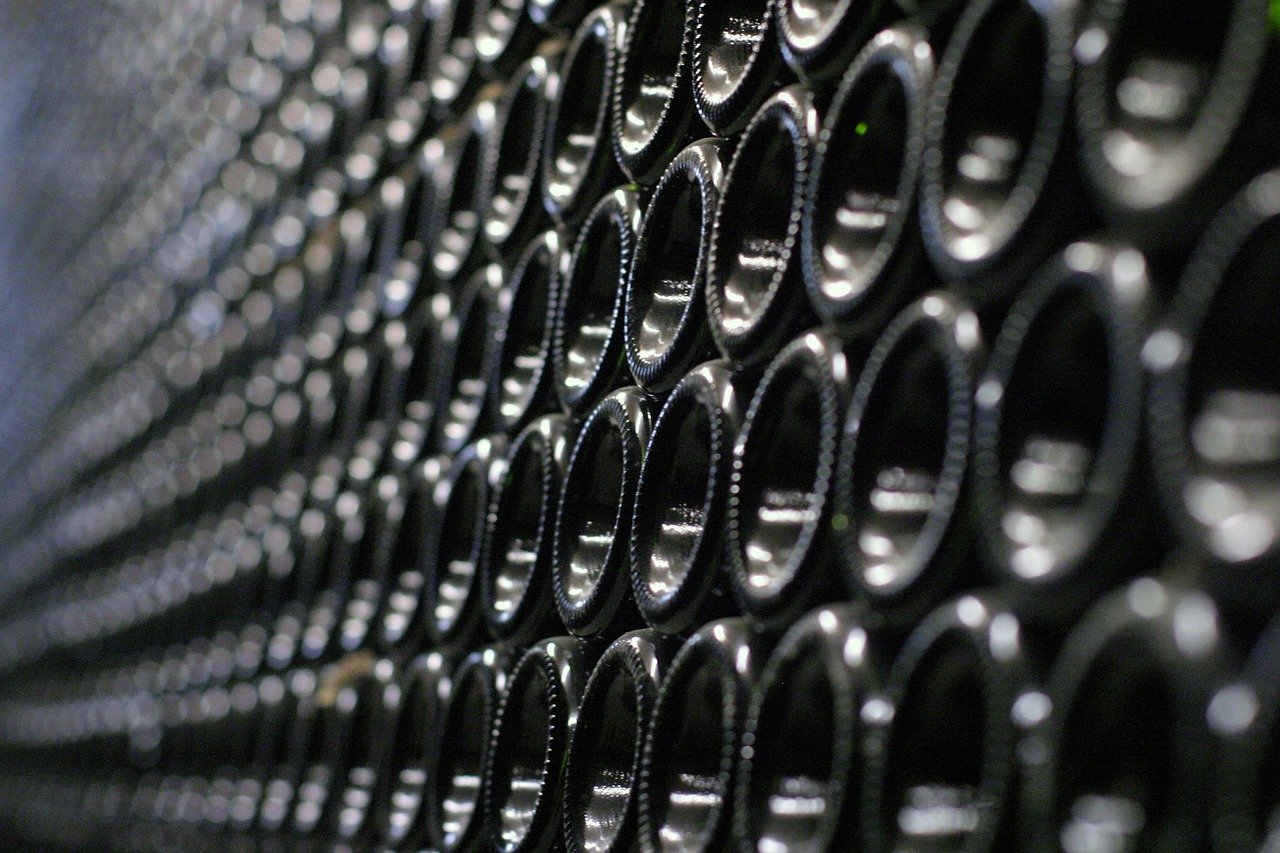
A single bottle of Burgundy can change hands for more than a family car, yet most serious collectors started with a mixed case bought on a whim. The gap between a casual buyer and a confident collector is rarely money. It is knowledge: what to buy, how to store it, when to open it, and how to avoid the expensive mistakes that trip up beginners.
Fine wine collecting rewards patience and punishes impulse. This guide walks through the practical mechanics of building a collection that holds its value and gives pleasure. It covers sourcing, storage, record-keeping, provenance, and the habits that separate a cellar from a stack of bottles under the stairs.
Start With a Purpose, Not a Shopping List
The most common mistake new collectors make is buying before deciding why they are collecting. Wine can be a drinking hobby, a long-term investment, a way to mark milestones, or a study of a single region. Each goal leads to a different cellar.
A collector who wants to drink mature Bordeaux in twenty years needs different bottles, storage, and quantities than someone assembling a vertical of one producer to follow its evolution. Writing down a one-page plan sounds fussy. In practice, it prevents the classic error of buying whatever scored highly that month and ending up with a cellar that has no coherence.
A useful starting framework:
- Define the drinking horizon. Are bottles for this decade, the next one, or both?
- Pick two or three regions to learn deeply rather than scattering attention across the world.
- Set a per-bottle ceiling and a monthly budget, then treat both as firm.
- Decide the split between drinking and keeping — many collectors aim for roughly 70% everyday bottles and 30% long-term holdings.
The same logic applies to any collection built around taste and long-term value, which is why the shift toward personal, story-driven collecting described in why collecting is becoming personal resonates with wine buyers too. A cellar with a point of view is easier to enjoy and easier to explain.
Learn the Difference Between Ageing and Improving
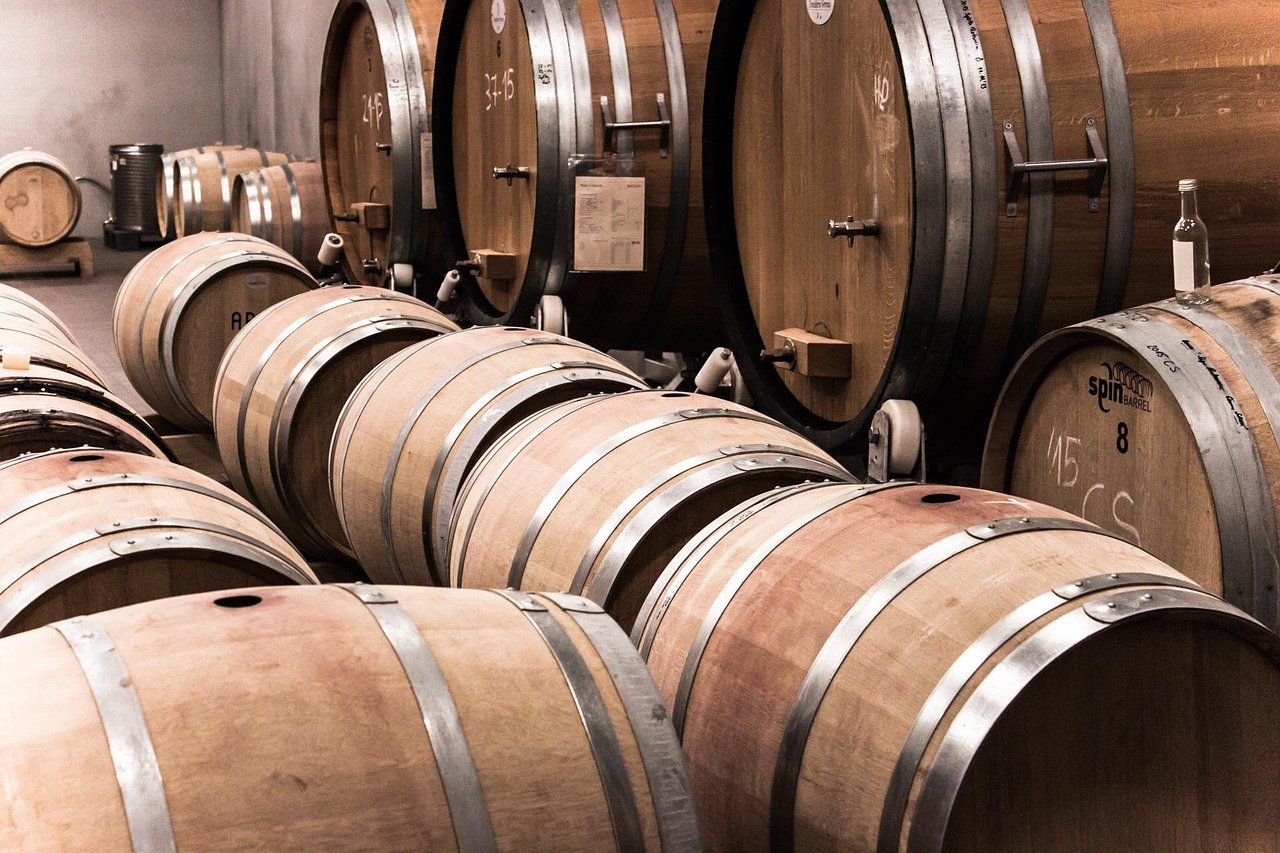
Not all wine improves with time. Most bottles sold today are made to be opened within a few years, and laying them down simply produces tired, brown liquid. Collectors need a working sense of which categories genuinely reward cellaring.
| Category | Typical cellaring time | What to expect |
|---|---|---|
| Everyday reds and whites | 1–3 years | Freshness fades; little gain |
| Good-quality regional reds | 5–10 years | Softening tannins, added complexity |
| Classed-growth Bordeaux, top Burgundy, Barolo | 10–30+ years | Structural change, secondary aromas |
| Vintage Port, sweet Riesling, top Champagne | 20–50+ years | Acidity and sugar preserve the wine |
| Most rosé and light whites | Drink now | Not built for ageing |
The variables that matter are acidity, tannin, sugar, and concentration. High acidity and sugar act as preservatives. Tannin from skins and stems provides structure that softens over time. Concentrated fruit from low yields gives the wine something to say after a decade. A wine missing these elements will not become great; it will simply become old.
Vintage matters as much as producer. In difficult years, even famous names can be thin. Collectors check harvest reports and critic assessments before buying en primeur, the system where wine is purchased before bottling. That system offers the best prices but also the most risk, because buyers commit to a wine they cannot taste.
Storage: The Part That Ruins Collections Quietly
Storage failures are the silent killer of wine collections. A bottle stored badly for three summers may look perfect and taste like sherry. The core requirements are consistent temperature, adequate humidity, darkness, stillness, and clean air.
Practical guidance that works in real homes:
- Temperature: aim for a steady range in the low-to-mid teens Celsius (roughly 12–14 °C). Stability matters more than the exact number. A cellar that swings ten degrees daily is worse than one sitting at 16 °C year-round.
- Humidity: around 50–70% relative humidity keeps corks from drying out. Too dry and air enters; too damp and labels and cartons mould.
- Light: ultraviolet light degrades wine. Dark glass helps, but total darkness is better.
- Vibration: constant shaking disturbs sediment and, over years, the wine itself. Keep racks away from washing machines, gyms, and stairwells.
- Odours: wine breathes through the cork. Paint, petrol, and mould smells migrate into the bottle.
For anyone without a cellar, a purpose-built wine fridge is the honest answer. Buying a case of serious wine and storing it in a warm kitchen cupboard is the single most common beginner error, and it wastes both money and the wine’s chance to improve. (Wine)
Sourcing: Where Bottles Actually Come From
Collectors buy from four main channels, each with a different risk profile.
Merchants and specialist retailers offer the safest route. Reputable shops provide storage history, delivery, and returns. Prices are higher than auction, but so is certainty.
Auctions are where bargains and disasters live side by side. Provenance documentation, condition reports, and buyer’s premiums all matter. A hammer price of £200 can become £250 once fees are added, so collectors calculate the all-in cost before bidding.
Direct from producers and allocations reward relationships built over years. Small-production wines are often unavailable elsewhere.
Private sales and wine clubs sit in the middle: convenient, but dependent entirely on the seller’s honesty.
Whichever channel is used, the questions are the same: where has this bottle been, who has owned it, and can that be proven? Provenance is the collector’s currency. A case with documented single-owner history and original cartons will always outperform an identical wine with a murky past.
Provenance, Authenticity, and the Counterfeit Problem
Fine wine attracts forgery because bottles are valuable, hard to verify, and easy to refill. Collectors protect themselves by learning the physical details of the producers they follow: capsule design, label printing, bottle shape and weight, cork markings, and the exact wording of the vintage.
Red flags worth taking seriously:
- Labels that are too clean for a bottle supposedly stored for thirty years
- Missing or mismatched capsule and cork branding
- Prices far below market for a supposedly rare wine
- Sellers who cannot describe storage conditions
- Glass etched or printed in ways that do not match known production
Photographs of the bottle, the cork, and the capsule before purchase are a reasonable request. Any seller who resists is telling you something useful. Serious collectors also keep their own purchase records, because a documented chain of ownership protects resale value later.
Keep Records Like a Professional
The unglamorous habit that separates good collections from great ones is record-keeping. A simple spreadsheet or cellar-management app should capture, for every bottle:
- Producer, cuvée, vintage, and bottle size
- Quantity purchased and price paid, including fees and delivery
- Supplier and date of purchase
- Storage location and any movement between sites
- Drinking window and a note when a bottle is opened
Tasting notes matter more than collectors expect. Recording what a wine tasted like at five, ten, and fifteen years old builds a personal reference library that no critic score can replace. It also reveals which purchases were mistakes, which is the fastest way to improve future buying. (Fragrance That Defines a Season)
Drink the Collection, Don’t Just Guard It
There is a particular sadness to a cellar full of wine that was never opened because every bottle became too valuable or too special. Collectors who enjoy their holdings plan consumption deliberately.
A workable approach is to set a drinking budget alongside the buying budget, then open bottles at intervals to track their evolution. Buying three or six of a wine rather than one makes this possible: one bottle to test early, several to follow over the years, and one to keep for a significant occasion.
The same principle of considered, long-term curation applies to other collecting worlds, as explored in design details that define a driver’s car — the pleasure comes from understanding the object deeply, not from owning the most. Wine rewards that mindset. The collector who knows a dozen producers intimately will drink better than the one who owns a hundred labels at random.
Insurance, Valuation, and the Practical Side
As a cellar grows, it becomes an asset that needs protecting. Standard home insurance often caps cover for wine at a low level, so collectors should check whether a specialist policy is needed. Photographing labels and keeping purchase receipts makes claims far easier. (Decanter)
Valuation is not the same as purchase price. Auction estimates, merchant replacement costs, and market indices can all differ. For a meaningful figure, collectors ask a broker or auction house for a current appraisal rather than relying on what they paid.
Shipping and duty deserve attention too. Cross-border purchases can attract customs charges and paperwork, and bottles moved between countries in summer heat need temperature-controlled transport. The cheapest shipping quote is rarely the safest one for a case of mature wine.
Common Mistakes Worth Avoiding
Certain errors appear again and again among new collectors:
- Buying on scores alone without tasting the producer’s style
- Ignoring bottle size — magnums age more slowly and hold value better
- Over-buying one vintage and ending up with a cellar that all matures at once
- Storing in a garage or shed that freezes in winter and bakes in summer
- Skipping the buyer’s premium when comparing auction prices to retail
- Never opening anything, which turns a hobby into a warehouse
Each is avoidable with a little planning. None requires deep expertise, only attention.
Conclusion
Collecting fine wine is a long game built on small, repeated decisions: what to buy, where to keep it, what to record, and when to open it. The collectors who do best are rarely the ones who spend the most. They are the ones who choose a focus, store carefully, document everything, and stay curious about how the wine changes in the glass.
Start with a modest plan and a reliable fridge. Buy from sellers who can explain a bottle’s history. Write down what you taste. Then drink the wine — because a collection that never gets opened is just expensive furniture.
Frequently Asked Questions
How many bottles should a beginner collector start with?
A mixed case of twelve bottles is a sensible starting point. It allows a few bottles to be opened young, several to be held for the medium term, and one or two to be set aside for the long haul. Starting small keeps the financial risk low while the collector learns what they actually enjoy drinking.
Is fine wine a good investment?
For a small minority of buyers, yes — certain blue-chip wines have outperformed other assets over long periods. For most people, though, wine is an unreliable investment because storage costs, auction fees, insurance, and the risk of a single bad bottle all eat into returns. Collectors should treat financial gain as a bonus rather than the primary goal.
What temperature should a wine cellar be?
Most guidance points to a steady temperature in the low-to-mid teens Celsius, often cited as roughly 12–14 °C. The exact figure matters less than consistency. Daily swings of several degrees cause more harm than a cellar that sits quietly a couple of degrees warmer than ideal.
How long can you keep an unopened bottle of wine?
It depends entirely on the wine. Everyday bottles are usually best within one to three years of release, while structured reds, vintage Port, and top sweet wines can improve for decades. Storage conditions determine whether a bottle reaches its best or fades quietly.
Does wine need to be stored lying down?
Bottles sealed with natural cork should be stored horizontally so the wine keeps the cork moist and prevents air from entering. Screw-capped bottles can stand upright without harm, though horizontal storage is still the tidiest option in most cellars.
How can you tell if a bottle has been stored properly?
Look for fill level, label condition, and capsule integrity. A low fill level in a relatively young bottle suggests leakage or heat exposure, while stained or swollen labels hint at damp storage. Provenance records from the seller are the strongest evidence, which is why documented single-owner collections command a premium.