
How to Build a Wine Cellar: 2026 Planning & Cooling Guide
 Abdul WadoodLast updated
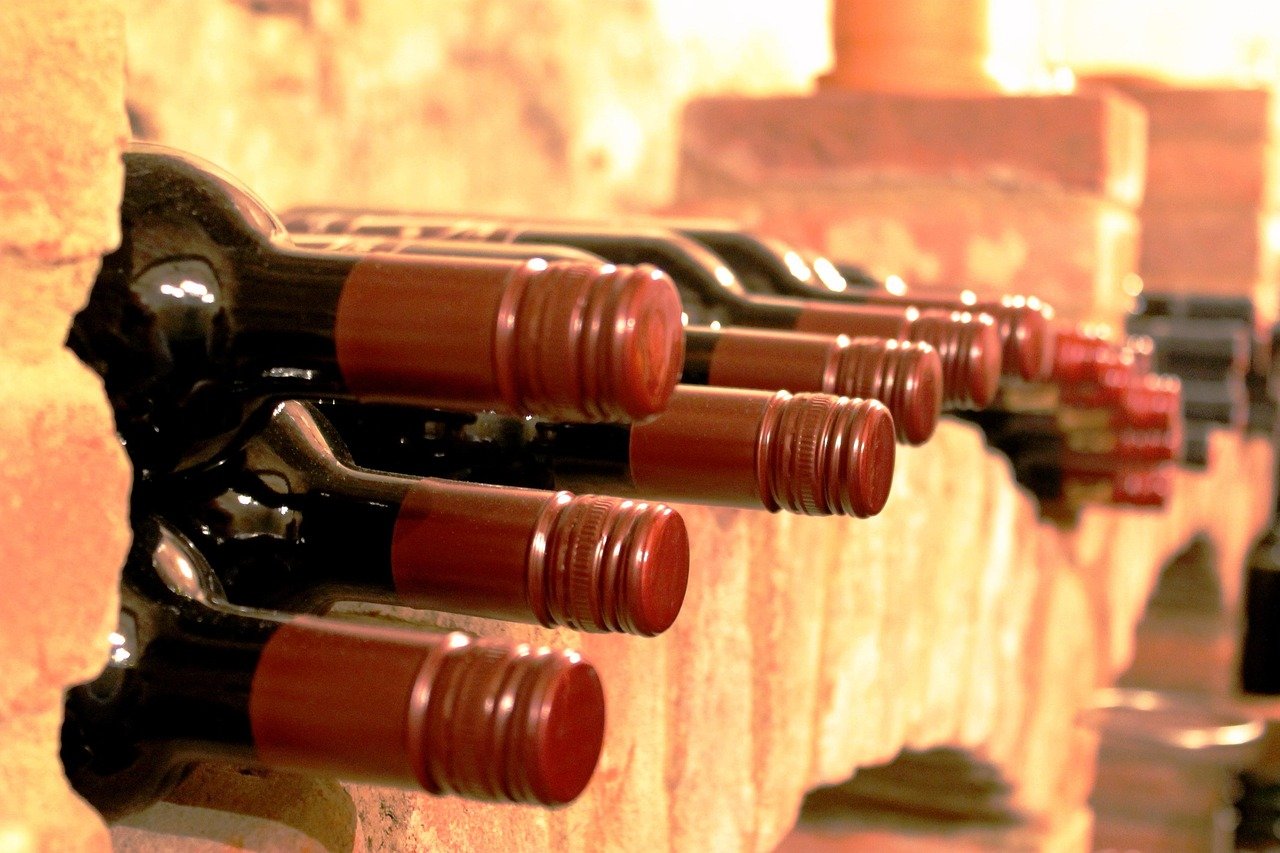
A surprising number of home wine collections are ruined not by bad bottles but by bad rooms. Wine is remarkably resilient in the glass and remarkably fragile in storage: heat, light, vibration, and dry air can flatten a great vintage within a single summer. That is why building a cellar is less about romance and more about controlling physics. Get the temperature, humidity, and structure right, and the wine does the rest of the work on its own.
This guide walks through the decisions that matter: passive or active systems, how to size cooling equipment, which insulation actually matters, and the mistakes that appear repeatedly in finished cellars. It is written for someone who wants a room that performs rather than one that only photographs well.
Start With the Wine, Not the Racking
The single most common mistake is designing the room around aesthetics before counting the bottles. A collector who buys a beautiful 200-bottle rack and then inherits a case of Bordeaux has already lost. Before anything else, estimate three numbers:
- Current bottle count. Be honest and slightly pessimistic.
- Annual growth. Most collectors add more than they expect, especially once friends learn they have a cellar.
- Long-term ceiling. Plan for roughly double your current count.
Racking capacity, cooling load, and floor space all flow from that number. A cellar built for 300 bottles can often be expanded to 500 with better racking; a cellar built for 150 rarely can. According to Wikipedia’s overview of wine storage, the core environmental variables — temperature, humidity, light, and vibration — matter far more than the prestige of the equipment, which is a useful reminder to spend on the envelope before the furniture. (Wine cellar)
Passive or Active? The First Big Fork
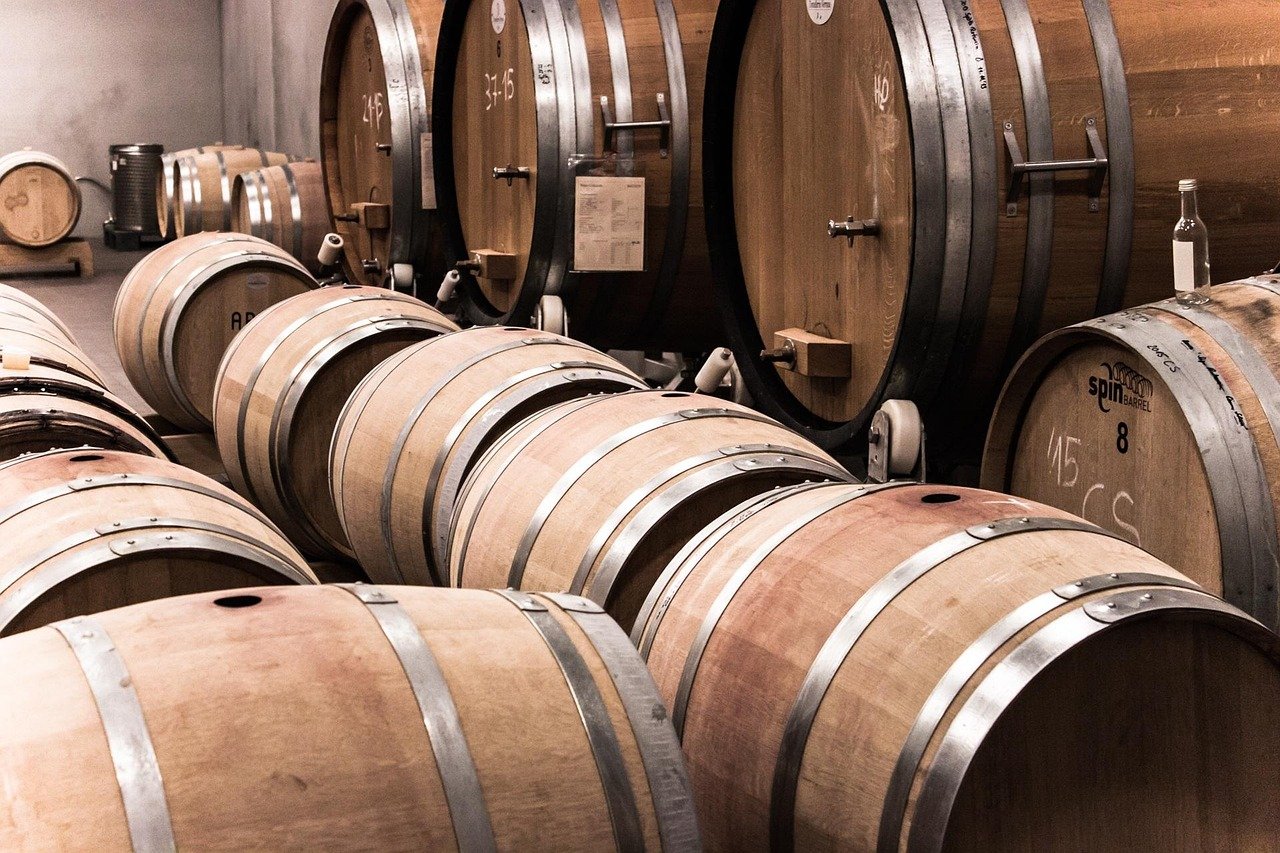
There are two ways to build a wine cellar, and the choice shapes everything downstream.
| Factor | Passive Cellar | Active (Conditioned) Cellar |
|---|---|---|
| Cooling source | Earth mass, shade, ventilation | Refrigeration unit or split system |
| Best for | Cool, stable climates; basements | Most homes; above-grade rooms |
| Upfront cost | Lower | Higher (equipment plus power) |
| Running cost | Minimal | Ongoing electricity and service |
| Risk | Summer heat spikes | Equipment failure, condensation |
| Control | Limited | Precise and adjustable |
A passive cellar works when the surrounding ground or air stays cool year-round. It relies on thermal mass, insulation, and careful ventilation rather than machinery. In the right climate and the right basement, it can be elegant and nearly free to run. The catch is that “the right climate” is doing a lot of work in that sentence: one hot week in July can undo a whole year of stability.
An active cellar uses a dedicated cooling unit to hold a setpoint. It costs more and can fail, but it works almost anywhere. For most homeowners, active is the realistic choice. If the space is below grade and naturally cool, a small unit may run rarely — the best of both worlds.
Temperature: Stability Beats the Perfect Number
Wine storage guidance usually lands in a band of roughly 45–65°F (7–18°C), with something near 55°F (13°C) often cited as ideal. The more important point, and the one experienced cellar builders repeat constantly, is that fluctuation does more damage than a slightly imperfect constant. A cellar that holds 60°F all year will generally outperform one that swings between 48°F and 70°F. (Wine Institute)
Practical implications:
- Insulate for the worst week, not the average. Size the cooling unit for peak summer load, not spring.
- Keep the setpoint modest. Running a cellar at 50°F costs more and gains little over 55–58°F for most collections.
- Avoid short cycling. An oversized unit that blasts on and off creates exactly the temperature swings you are trying to prevent.
A useful mental model: the goal is a cave, and caves are boring. Boring is the point.
Humidity, Light, and Vibration
Humidity guidance commonly falls around 50–70%, mainly to keep natural corks from drying and shrinking. Some sources dispute how much this matters with modern closures, and the guidance genuinely conflicts. What is not disputed is that very dry air causes cork problems over long periods and that very damp air grows mold on labels and structure. A hygrometer and a small humidifier or dehumidifier cover the gap cheaply.
Light, especially ultraviolet, degrades wine and bleaches labels. Dark rooms and opaque or UV-filtered fixtures are standard advice, and it is easy to follow.
Vibration is often cited as a quality risk, though the evidence is softer than the advice suggests. Still, keeping compressors and pumps away from racks costs nothing and removes the question.
On bottle orientation, the traditional advice is to store bottles on their sides to keep corks moist. Some sources question whether this is necessary with modern closures. In practice, side storage is still the default because it is space-efficient and harmless — but do not lose sleep over a few upright bottles.
Building the Envelope: Insulation and Vapor Barriers
This is where cellars succeed or fail, and where amateur builds most often go wrong. The mechanical system gets all the attention; the walls do the actual work.
Key principles:
- Insulate heavily and seal completely. Closed-cell spray foam is popular because it insulates and acts as a vapor barrier in one step. Rigid foam plus careful sealing works too.
- Put the vapor barrier on the warm side. Moisture moves from warm to cold. A barrier in the wrong place traps water inside the assembly, which is how you get rot behind a beautiful wall.
- Treat the door like a wall. A hollow interior door with a decorative face is a thermal hole. Use an insulated exterior-grade door with a good seal.
- Seal penetrations. Every pipe, wire, and duct passing through the envelope is a leak. Foam them.
- Think about the floor and ceiling. Concrete floors wick; ceilings above conditioned space leak heat.
If the space is below grade, also plan for water. A sump, a sloped floor, or a simple moisture barrier under the slab is far cheaper than remediation later. Structural questions — load-bearing walls, egress, permits — vary widely by jurisdiction and should be checked locally before demolition begins.
Choosing and Sizing the Cooling Unit
Cooling units come in three broad types: through-the-wall, ducted split systems, and ductless mini-split systems. Through-the-wall units are cheapest and simplest but dump heat into the adjacent room, which matters if that room is a living space. Split systems move the condenser outdoors or to a remote location and run quieter.
Sizing is not guesswork. A qualified HVAC contractor will calculate the load from room volume, insulation value, glass area, and the temperature difference between the cellar and its surroundings. The common mistake is buying on bottle capacity rather than BTU load. A unit rated for the right bottle count but the wrong heat gain will run constantly or fail early.
Two practical tips that save real money:
- Add a condensate plan. Cooling units produce water. A drain line or condensate pump must go somewhere.
- Plan for service access. A unit buried behind racking is a future disaster. Leave a service corridor.
Racking, Layout, and the Details That Age Well
Once the envelope and equipment are right, the interior is comparatively forgiving. Still, a few choices age better than others.
Racking materials should tolerate damp air. Metal can rust; cheap composites can sag under load. Solid wood or powder-coated steel are the usual safe picks. Adjustable shelving beats fixed racks for anyone whose collection is still taking shape.
Layout should keep a walkway wide enough to move a case. Bottles stored at the back of a deep rack tend to be forgotten, which is how collections accumulate duplicates and gaps. A small tasting area, even a counter, changes how the room gets used.
Labeling and inventory deserve a system from day one. A simple spreadsheet or a cellar app prevents the classic problem of buying the same wine three times because nobody remembers what is in the back row.
There is also a design dimension worth taking seriously: a cellar is a room people show guests. The same discipline that makes a brand feel coherent — consistent materials, a clear point of view, deliberate lighting — applies here. The principles in this guide to building meaningful brand worlds translate surprisingly well to a cellar: pick a story, then let every detail support it. And if the goal is a collection that stays relevant for decades rather than a single season, the thinking behind how to build a timeless wardrobe is a close cousin — buy for the long term, favor quality over quantity, and resist trends that date quickly.
Common Mistakes and What Actually Works
After enough builds, the same failures repeat. Here are the ones worth designing against:
- Skipping the load calculation. Buying a unit by bottle count is the number one cause of premature failure.
- Under-insulating. The cooling unit then runs constantly, and the cellar never stabilizes.
- Ignoring the door. A leaky door can defeat an otherwise excellent envelope.
- No humidity control. Dry air plus natural corks is a slow-motion problem.
- Forgetting drainage. Condensate has to go somewhere, and it will find the path of least resistance if you do not plan one.
- Overbuilding for prestige. A modest, well-sealed room with a correctly sized unit outperforms a showpiece with a marginal system every time.
What actually works is unglamorous: a tight, well-insulated box, a properly sized and serviceable cooling unit, a stable setpoint, and racking that fits the collection you will have in five years rather than the one you have today.
What Does a Wine Cellar Cost to Build?
Costs vary enormously by region, size, and whether the space already exists. A small conditioned closet conversion is a fraction of the cost of a full basement build with custom racking and a split system. The largest line items are usually insulation and envelope work, the cooling system, the door, and racking — roughly in that order. The cheapest way to control cost is to start with an existing below-grade room and spend the budget on the envelope rather than on decorative finishes.
Conclusion
Building a wine cellar is a construction project disguised as a lifestyle project. The bottles get the attention, but the walls, the vapor barrier, the door seal, and the sizing calculation determine whether the collection improves or declines in the dark. Get the envelope tight, choose active or passive cooling honestly based on climate, size the equipment to the actual heat load, and keep the setpoint stable rather than perfect. Do that, and the room becomes what it should be: a quiet, boring, wonderfully reliable place where wine gets better with time.
Frequently Asked Questions
What temperature should a wine cellar be kept at?
Most guidance falls in the 45–65°F (7–18°C) range, with about 55°F (13°C) often cited as ideal. The more important principle is stability: a constant 58–60°F generally serves a collection better than a room that swings widely, because fluctuation stresses wine more than a slightly higher constant temperature.
Do I need active cooling, or can a passive cellar work?
A passive cellar can work well in a cool climate with a below-grade space that stays stable year-round. In most homes, though, summer heat spikes make passive storage risky, and an active cooling unit is the realistic choice. If the space is naturally cool, a small unit will run infrequently and cost little to operate.
How much humidity should a wine cellar have?
Common guidance is roughly 50–70% relative humidity, mainly to prevent natural corks from drying out. The guidance is not universal, and some sources question how much humidity matters with modern closures. In practice, a hygrometer plus a small humidifier or dehumidifier keeps the room in a safe band and protects labels and structure from extremes.
How do I size a wine cellar cooling unit?
Sizing is based on heat load, not bottle count. A contractor calculates the load from room volume, insulation value, glass area, and the temperature difference between the cellar and surrounding spaces. Buying a unit rated by bottle capacity alone is the most common cause of short cycling and early equipment failure.
Should wine bottles be stored on their sides?
Traditional advice says yes, to keep natural corks moist. Some sources question whether this is necessary with modern closures. Side storage remains the default because it is space-efficient and harmless, but a few upright bottles will not ruin a collection.
Do I need a permit to build a wine cellar?
It depends entirely on jurisdiction and on what the project involves. Structural changes, new electrical circuits, and egress requirements commonly trigger permitting. Local building authorities are the only reliable source for what applies in a specific location, so check before demolition or framing begins.