
Bona Luxury Vinyl Floor Cleaner: Pros, Cons & Verdict
 Abdul WadoodLast updated
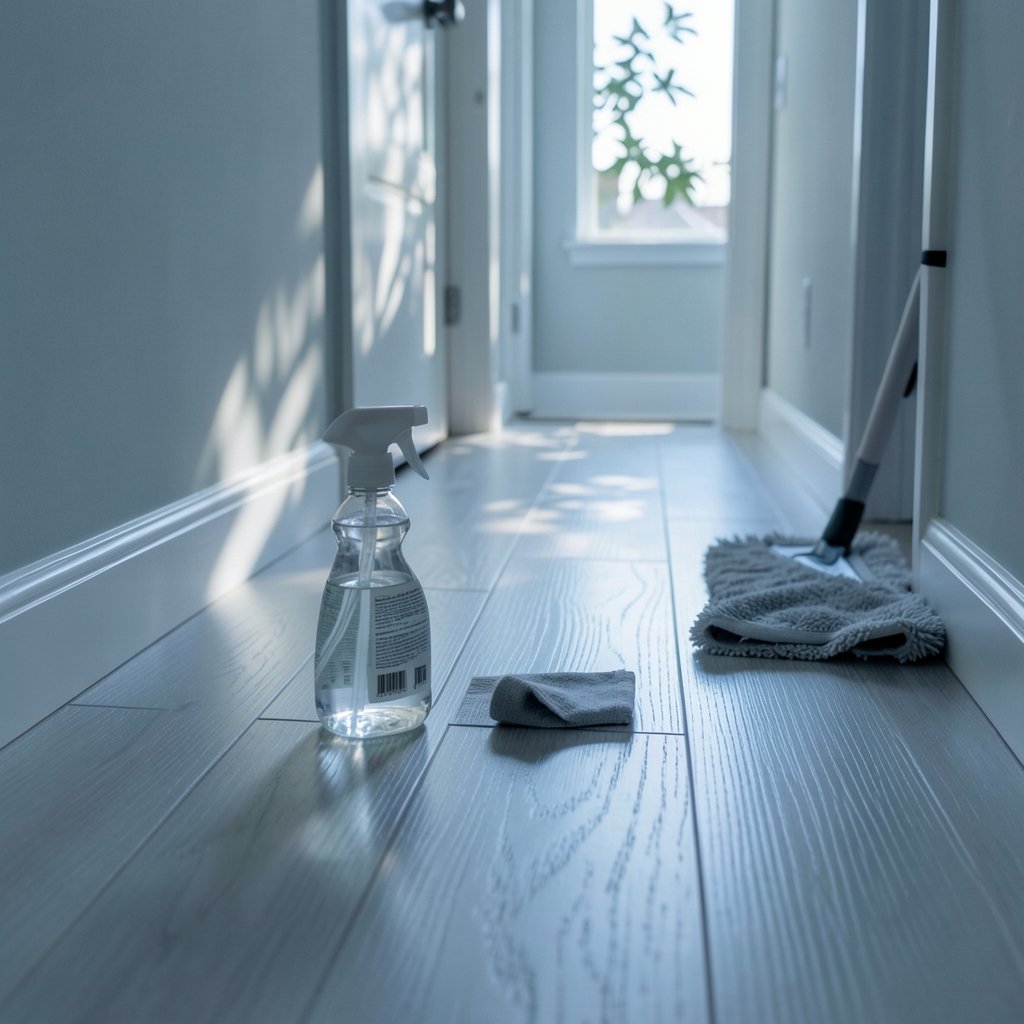
Can a cleaner designed for vinyl protect the finish you paid extra for? That question is central to every bottle of Bona luxury vinyl floor cleaner. Luxury vinyl plank (LVP) and luxury vinyl tile (LVT) have become the default flooring in millions of homes because they mimic wood and stone convincingly while shrugging off spills. But that realistic look depends on a thin, factory-applied wear layer, and the wrong product can cloud it within weeks. This article walks through what Bona’s vinyl-specific cleaner is built to do, how it differs from the brand’s wood formulas, the mistakes that ruin floors, and how to decide whether it belongs in your cleaning caddy.
What Bona Luxury Vinyl Floor Cleaner Actually Is
Bona is a Swedish floor-care company founded in 1919, and its consumer range has long centered on hard-surface cleaners sold as ready-to-use sprays and concentrates. The vinyl-specific product targets the surface most households now have in kitchens, bathrooms and hallways: resilient flooring with a printed image under a clear protective layer.
The formulation is typically described as pH-balanced and residue-free, meaning it is designed to lift grime without leaving the sticky film that traps new dirt. It is generally marketed as safe around children and pets when used as directed. Two practical details matter more than the marketing copy:
- It is not a disinfectant. Standard Bona floor cleaners do not carry antibacterial claims. Household cleaning products in the US fall under federal labeling rules, and any product making sanitizing or disinfecting claims must meet specific registration requirements. If you need to kill germs rather than remove soil, a floor cleaner is the wrong tool.
- It is not a polish or a wax. Vinyl wear layers do not need wax, and most manufacturers advise against oil-based polishes because they can dull the finish or leave a slippery buildup.
Exact product names, dilution ratios and ingredient lists change over time, so the label and the product’s safety data sheet remain the authoritative source for any specific bottle.
Why Vinyl Needs Its Own Cleaner
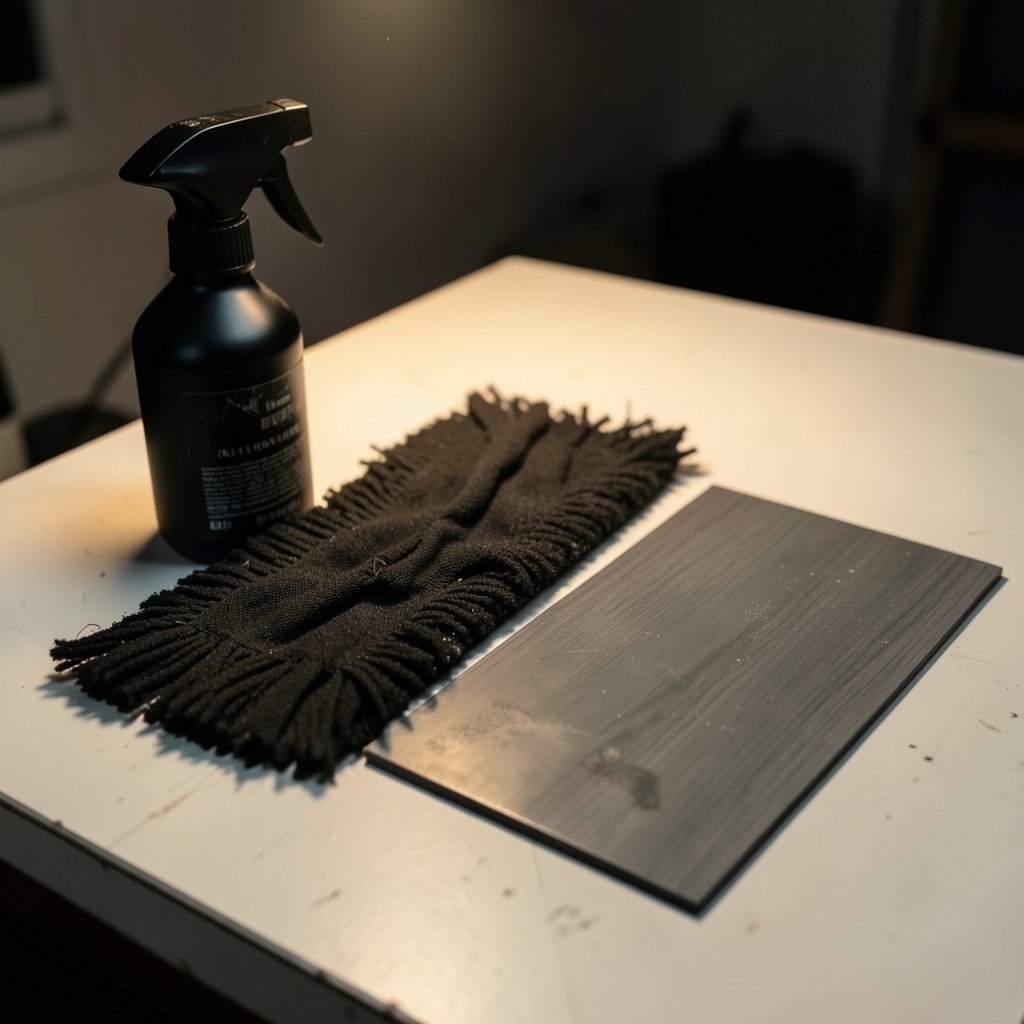
People assume “vinyl” means “indestructible,” then wonder why their two-year-old floor looks hazy. The wear layer is tough but not invincible. Abrasive powders, scouring pads and harsh alkaline or solvent-heavy cleaners can micro-scratch the surface or leave a residue that scatters light and reads as dullness.
Wood cleaners are a poor substitute for a different reason. Many are formulated with oils or conditioning agents that soak into timber. On vinyl, those same ingredients sit on top, attracting dust and creating a film that builds with every mopping. A cleaner built for sealed resilient floors skips the conditioners and focuses on surfactant action: loosen the soil, lift it, remove it with the cloth or mop.
There is also a cosmetic argument. LVP’s whole selling point is a convincing wood or stone look. A cloudy wear layer destroys that illusion faster than a scratch does. Using a product matched to the surface is one of the cheapest ways to keep the floor looking new.
Ready-to-use versus concentrate
Both formats work; they fail in different ways. Ready-to-use sprays are nearly foolproof because the dilution is already correct. Concentrates cost less per use and produce less packaging waste, but they invite the single most common error in floor care: over-dosing. More product does not mean cleaner floors. It means a sticky residue that grabs dirt and shows streaks under window light.
If you buy a concentrate, measure. Use the dilution printed on the label, not an eyeballed splash. A little goes a surprisingly long way.
How It Compares With Other Bona Formulas
Bona’s range splits by surface, and choosing the wrong bottle is a routine mistake. Here is the practical difference.
| Formula type | Designed for | Key trait | Risk if used on vinyl |
|---|---|---|---|
| Vinyl and tile cleaner | LVP, LVT, sealed tile, linoleum | No oils, no wax, residue-free | Low, if diluted correctly |
| Hardwood cleaner | Sealed wood floors | Gentle surfactants, no dulling | Usually fine, but no benefit over vinyl formula |
| Wood polish or conditioner | Oiled or worn wood | Adds oils and sheen | Leaves film and slippery buildup |
| Refresher or restorer products | Worn finishes | Adds a coating layer | Can void flooring warranties |
The takeaway is simple: on vinyl, avoid anything that adds a layer. Cleaning means removing, not coating.
How to Use It Without Ruining the Floor
The method matters as much as the bottle. A spray-and-mop routine that works on tile can leave streaks on vinyl if you flood the surface.
- Dry-clean first. Sweep or vacuum loose grit. Grit under a mop head acts like sandpaper on the wear layer.
- Dust-mop or vacuum before wet cleaning. A microfiber pad picks up fine dust that a broom pushes around.
- Dilute per the label if using a concentrate. Do not “add a bit extra for the tough spots.”
- Spray lightly and work in sections. Two or three square meters at a time is plenty. The floor should look damp, never wet.
- Use a microfiber mop, not a soaking string mop. Microfiber lifts soil and releases it in the wash.
- Rinse the mop head often in clean water, or swap pads. Dirty water just redistributes grime.
- Let the floor air-dry or buff with a dry microfiber pad to prevent water spotting at seams.
- Repeat weekly, not daily. Over-cleaning wears the finish faster than dirt does.
Mistakes that show up again and again
- Flooding the floor. Standing water can seep into seams and edges, swelling the core of a plank. Vinyl is water-resistant, not waterproof in every installation.
- Steam mops. Many flooring manufacturers explicitly exclude steam cleaning from warranty coverage because heat and moisture stress the adhesive and wear layer.
- Vinegar and baking soda experiments. Acidic solutions can dull some finishes, and the abrasive grit in baking soda leaves micro-scratches.
- Scouring pads on scuffs. Use a manufacturer-approved scuff remover or a soft eraser-style block, never steel wool.
- Cleaning products with added fragrance oils. They smell great and film up fast.
If you are building a broader low-impact cleaning routine, the same logic applies to the rest of the house: fewer, better-chosen products beat a cupboard full of half-used bottles. A conscious luxury approach to buying better, not more translates neatly to cleaning supplies. (EPA: Volatile Organic Compounds’ Impact on Indoor Air Quality)
Where Bona Fits in a Wider Home
Floor care is a small piece of a bigger picture. Households that invest in durable finishes tend to apply the same standard elsewhere, from furniture to vehicles. The parallel with cars is instructive: sound insulation and material quality are what separate a genuinely comfortable cabin from a merely expensive one, much like a wear layer separates good vinyl from cheap vinyl. If that comparison interests you, this look at the quietest luxury cars and what actually makes a cabin silent makes the same point about hidden engineering.
The flooring decision itself is also part of a longer-term plan. Anyone renovating a second home or a rental property has to weigh durability against aesthetics, and the same tension shows up in travel choices. A luxury travel guide to Lake Como covering villas, boats and where to stay is a reminder that premium experiences usually rest on unglamorous maintenance behind the scenes.
What to Check Before You Buy
A few minutes of label reading saves a ruined floor.
Confirm the surface. The bottle should name vinyl, LVT or LVP, or list resilient flooring. If it says hardwood only, keep looking.
Check the flooring warranty. Many LVP manufacturers publish care guides that specify which cleaner types are approved and which void coverage. Steam, wax and abrasive products are common exclusions. Keep a copy with your purchase paperwork.
Read the safety data sheet. Safety data sheets are the standard, manufacturer-issued documents that list a product’s hazardous ingredients, handling precautions and first-aid measures. They are the most reliable source for what is actually in the bottle, and they are usually available from the retailer or manufacturer on request.
Look for third-party certifications if indoor air quality matters to you. Some cleaning products carry recognized low-emission or safer-chemistry certifications; the label will say so if the product qualifies.
Buy the smallest size that makes sense. A giant concentrate jug that takes years to finish is not a bargain if the formula changes or you switch flooring.
The Honest Verdict
Bona’s vinyl cleaner does one job well: it removes everyday soil from sealed resilient floors without leaving a film. That sounds modest, and it is. But most floor-care failures come from using the wrong product, not from a defective one. A pH-balanced, residue-free formula used at the right dilution, with a microfiber mop and a light hand, will keep a luxury vinyl floor looking sharp for years.
Where the product disappoints is at the edges of its brief. It will not disinfect, it will not restore a scratched wear layer, and it will not fix damage caused by steam mops or abrasive pads. Buyers expecting a miracle in a spray bottle will be let down. Buyers who understand it as routine maintenance will be satisfied.
The broader lesson is the one that applies to almost every premium purchase. The finish lasts when the care matches the material. Whether that means choosing the right floor cleaner, the right lodge or the right car, the principle holds: match the product to the surface, follow the instructions, and resist the urge to overdo it. A guide to spotting genuine sustainability in eco-luxury lodges makes the same argument about claims versus substance, and it is worth reading with the same skeptical eye you would bring to a cleaner’s label.
Frequently Asked Questions
Can I use Bona hardwood cleaner on luxury vinyl floors?
Usually yes, in the sense that it will not immediately damage the surface, because most Bona hard-surface formulas avoid oils and waxes. But there is no advantage. The vinyl-specific product is formulated for sealed resilient flooring, so use the bottle that names your surface. Never use a wood polish or conditioner on vinyl.
Does Bona luxury vinyl floor cleaner disinfect?
No. Standard floor cleaners are not disinfectants, and any product claiming to kill bacteria must meet specific regulatory requirements for those claims. If you need to sanitize a floor, clean it first with a floor cleaner, then apply a product labeled as a disinfectant according to its directions.
How often should I clean luxury vinyl floors?
Once a week is enough for most households. High-traffic zones like kitchen entries may need a midweek spot clean. Daily wet mopping is unnecessary and can wear the finish faster. Sweep or vacuum more often than you mop, since dry grit does more damage than dirt.
Can I use a steam mop with this cleaner?
No. Steam cleaning is excluded by many vinyl flooring warranties because heat and moisture can stress seams, adhesive and the wear layer. Use a microfiber mop with a light spray of cleaner instead. If your floor is already damaged at the seams, steam will make it worse.
Why do my floors look streaky after cleaning?
Almost always over-dosing or a dirty mop head. Concentrates diluted too strongly leave a residue that streaks under light. Rinse the mop pad frequently, use the label dilution, and buff with a dry microfiber cloth. If streaks persist, the floor may have old polish buildup that needs a proper stripping product.
Is it safe around pets and children?
Bona markets its hard-surface cleaners as safe for use around children and pets when used as directed. That means following the dilution and letting the floor dry before anyone walks on it. For ingredient-level detail, check the product’s safety data sheet rather than relying on front-label wording.
Conclusion
Bona luxury vinyl floor cleaner earns its place as a straightforward maintenance product: pH-balanced, residue-free and matched to the surface it is sold for. It will not disinfect, restore or protect a damaged wear layer, and it cannot compensate for a steam mop or a scouring pad. Used correctly, at the right dilution and with a microfiber mop, it keeps a luxury vinyl floor looking like the floor you paid for. The real skill is not in the bottle at all. It is in reading the label, knowing your flooring warranty, and resisting the instinct to use more product than the job requires.