
Best Western Plus Grosvenor Airport Hotel: SFO Stay Guide
 Abdul WadoodLast updated
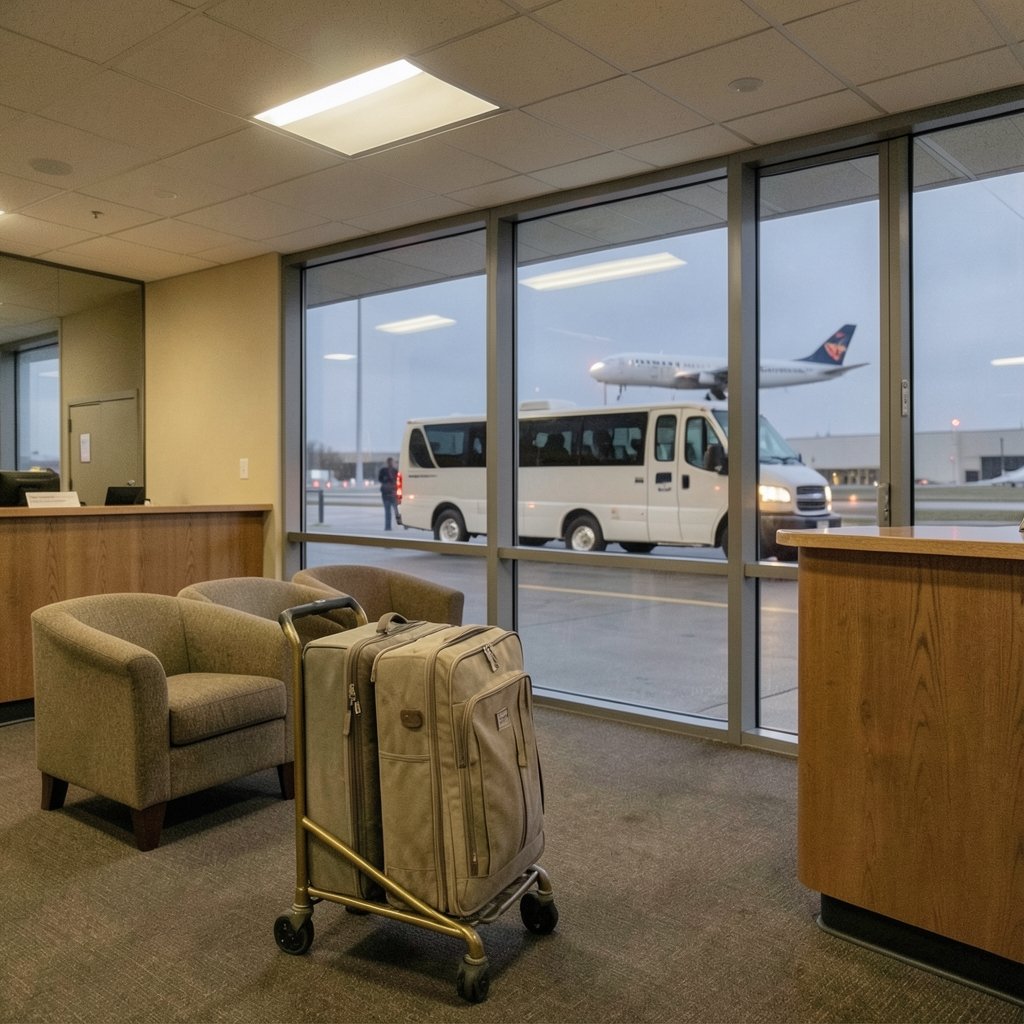
What makes an airport hotel worth booking when you could just as easily stay downtown? For travelers flying in or out of San Francisco International Airport, the Best Western Plus Grosvenor Airport Hotel in South San Francisco has built a steady reputation as a no-fuss, mid-priced base. It is not a resort, and it does not pretend to be. What it offers is something more useful to a certain kind of traveler: proximity, predictable comfort, and a shuttle that gets you to the terminal without a rental car.
This guide breaks down what the property actually is, who it suits best, how it compares with the alternatives nearby, and the small practical details that separate a smooth stay from a frustrating one.
Where the hotel sits and why location matters
South San Francisco is a working city wedged between the airport and the Peninsula’s biotech corridor. The Grosvenor sits along the Airport Boulevard strip, a stretch of hotels that exists almost entirely to serve SFO traffic. That is not a criticism. It is the point. Guests here are usually on one of three missions: catching an early flight, recovering after a late arrival, or attending meetings in the nearby office parks.
The practical upshot is that you are minutes from the terminals by car, close to Highway 101, and within reasonable reach of downtown San Francisco if you have a car or are willing to use rideshare. You are not in a walkable tourist neighborhood. There are restaurants and services along the boulevard, but this is a corridor built for vehicles.
That trade-off is worth naming plainly. If your trip is about Fisherman’s Wharf, museums, and dinner reservations, a downtown or waterfront hotel will serve you better. If your trip is about a 6 a.m. departure and not paying city parking rates, the airport strip wins.
What the “Plus” designation actually means
Best Western’s brand architecture confuses plenty of travelers, so it is worth clarifying. The company operates a tiered system: standard Best Western properties at the entry level, Best Western Plus as a midscale step up, and Best Western Premier at the top. The Plus flag generally signals upgraded amenities and a somewhat higher finish than a basic roadside property, though it is a brand standard rather than a guarantee of luxury.
In practice, at an airport Plus property, that usually means a fuller breakfast offering, a fitness room, a pool or courtyard, and rooms with a bit more space and better furnishings than the budget tier. Travelers who expect Four Seasons polish will be disappointed. Travelers who expect a clean, functional, well-run midscale hotel will generally be satisfied.
If you are weighing brand tiers against each other for a bigger trip, a comparison of how luxury groups differentiate themselves can be useful context. This breakdown of Aman versus Four Seasons and which luxury hotel brand fits your trip shows how much the top end of the market varies. The Grosvenor plays a different game entirely, and knowing that going in prevents mismatched expectations.
Rooms and what to expect inside
Airport hotels live or die on three things: quiet, a decent bed, and a shower with real water pressure. The Grosvenor’s rooms follow a familiar midscale template, with king and double-queen configurations, work desks, flat-screen televisions, coffee makers, and standard Wi-Fi. Some rooms face the interior courtyard and pool area, which tends to be quieter than those facing the boulevard.
A few practical notes that experienced airport-hotel guests learn the hard way:
- Ask for a room away from the elevator and ice machine. Midscale properties have thin walls in predictable places, and the corridor noise near service areas is the most common complaint.
- Request a higher floor facing away from Airport Boulevard. Road noise is the single biggest variable in guest satisfaction at corridor hotels.
- Confirm whether your rate includes breakfast. At Plus-tier properties it usually does, but third-party bookings sometimes strip it out.
- Check the shuttle schedule before you book, not after. Frequency and hours vary and matter more than thread count.
Rooms are not oversized. If you are traveling with a family and a lot of luggage, the double-queen layout will feel tight, and a suite or an adjacent-room configuration is worth requesting early.
The shuttle: the detail that decides everything
For most guests, the airport shuttle is the reason to stay here. It removes the need for a rental car on a short layover and spares you the eye-watering daily parking fees at SFO. But shuttle service at airport hotels is the area where expectations most often collide with reality.
The recurring mistakes travelers make are consistent. They assume the shuttle runs all night. They assume it comes every ten minutes. They assume it will wait while they finish checking out. None of those assumptions hold at most airport properties, including this one.
What actually works is simple discipline. Call the front desk the evening before an early flight and confirm the first departure time. Build in a buffer of at least one extra shuttle cycle in case the van fills up. Keep your bags packed and ready before the shuttle is due, because loading time eats into the schedule. And if you are arriving late at night, confirm in advance whether the shuttle is still running or whether you will need a rideshare, since late-night frequency is typically reduced.
Travelers who treat the shuttle as a fixed appointment rather than a flexible convenience tend to have far smoother stays.
Breakfast, amenities, and the daily rhythm
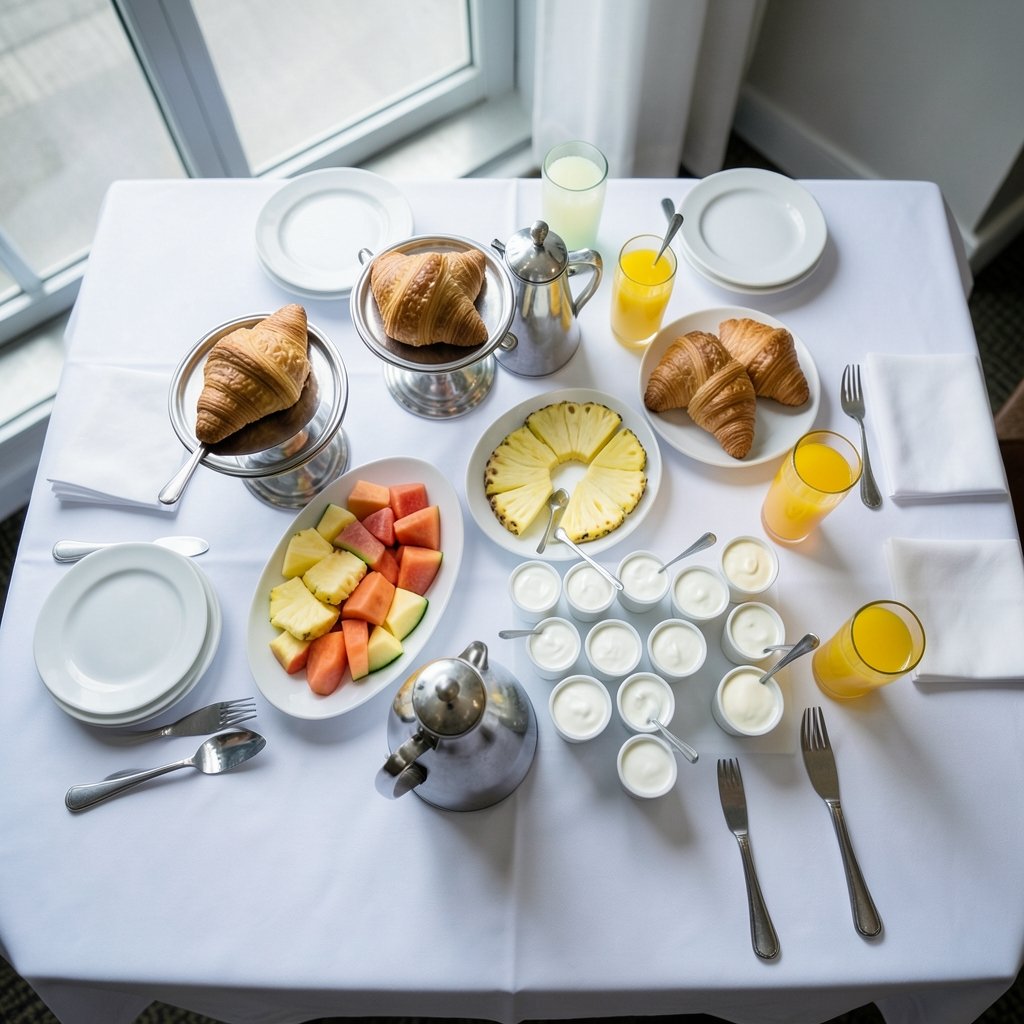
The included breakfast is a genuine asset at this tier. Expect a hot and cold spread with eggs, breakfast meats, pastries, cereal, fruit, yogurt, and coffee. It is not a brunch service, and it gets busy in the 6 to 8 a.m. window when business travelers and flight crews converge. Arriving at opening or after the first rush makes for a calmer meal.
Beyond breakfast, the property typically offers a fitness room, an outdoor pool, and parking. Parking is a real consideration in this corridor. Some rates bundle it; others charge separately, and long-term parking packages for travelers leaving their cars during a trip are a common offering at airport hotels. Confirm the exact terms at booking, because “park and fly” packages often have blackout dates and vehicle-size limits.
The pool at a property like this is a bonus rather than a destination. It is pleasant on a warm afternoon and largely empty on weeknights.
For travelers who care about the broader trend of hotel technology and room design, this overview of smart hotel room features that actually improve a stay is a useful benchmark for what modern properties are adding. The Grosvenor is a traditional property, so do not expect app-based room keys or voice-controlled lighting.
Who this hotel suits, and who it does not
Matching the property to the traveler is the most useful thing any review can do. Here is the honest breakdown.
| Traveler type | Fit | Why |
|---|---|---|
| Early-morning SFO departure | Excellent | Shuttle and proximity remove the stress of a long drive |
| Late-night arrival needing sleep | Good | Close to terminals, but confirm shuttle hours |
| One-night business stopover | Excellent | Breakfast, desk, Wi-Fi, and quick highway access |
| Family on a leisure trip to San Francisco | Fair | Functional but far from the city’s attractions |
| Couple seeking a romantic getaway | Poor | Corridor location and midscale finish work against it |
| Extended stay with a car | Good | Parking packages and highway access help |
The pattern is clear. This is a transit hotel, and it excels at that job. It is a poor fit for anyone whose trip is the destination itself.
If your plans lean toward a property that is itself the experience, this look at hotels that feel like a destination illustrates the opposite end of the spectrum. And if you are comparing a serviced apartment-style stay against a traditional hotel for a longer trip, this analysis of luxury villa versus luxury hotel on cost, privacy and service lays out the trade-offs clearly.
How it compares with the South San Francisco alternatives
The Airport Boulevard corridor is dense with competing hotels, and the Grosvenor’s position within it is best understood through comparison rather than in isolation.
| Consideration | Grosvenor (Best Western Plus) | Upscale airport flags | Budget airport motels |
|---|---|---|---|
| Price band | Midscale | Upper midscale to upscale | Economy |
| Breakfast | Usually included | Often extra or lounge-only | Sometimes included |
| Shuttle | Yes, scheduled | Yes, often more frequent | Varies, sometimes none |
| Room size | Standard | Larger | Compact |
| Best for | Value-conscious transit | Business travelers with budgets | Pure overnight savings |
The Grosvenor’s advantage is the combination of included breakfast, shuttle service, and a recognizable brand standard at a price below the upscale flags. Its disadvantage is that it competes on the same strip with newer properties that may have fresher rooms. Checking recent guest reviews for comments on renovation status is worthwhile before booking, since hotel upkeep cycles vary.
For travelers building a longer California itinerary, the same logic that applies here applies elsewhere: pick the property for the job it does. A guide to boutique hotels in Marrakech, from riads to palaces shows how destination hotels are chosen for atmosphere, while a look at authentic heritage stays among boutique hotels in Jaipur demonstrates the same principle in a completely different market. Airport hotels are chosen for logistics. That is not a lesser reason, just a different one. (About IATA and the airline industry)
Booking smart: rates, timing, and common traps
A few habits make a measurable difference at properties like this one.
Book directly if you want flexibility on changes and a better shot at having your room preferences honored. Third-party rates can be lower, but they often come with rigid cancellation terms and no breakfast.
Ask about park-and-fly packages if you are driving in and leaving your car. The savings versus airport parking can be substantial, but confirm the maximum number of nights and whether the rate includes shuttle for all travelers in the party.
Check the shuttle’s first departure against your flight time. A 5 a.m. flight and a 6 a.m. first shuttle is a mismatch that will force a rideshare.
Request your room preferences at booking and again at check-in. Quiet-floor requests are honored more often when they are noted early.
Finally, treat the breakfast hours as fixed. Arriving twenty minutes before close at any hotel breakfast room usually means cold eggs and a rushed start.
Conclusion
The Best Western Plus Grosvenor Airport Hotel is not trying to be anything other than what it is: a reliable, reasonably priced base for people passing through SFO. Its strengths are practical ones. The shuttle removes a rental car from your trip. The included breakfast gets you fed before an early flight. The location puts the terminals within easy reach and downtown San Francisco within a reasonable drive. Its weaknesses are equally clear. It sits on a commercial corridor, the rooms are standard midscale size, and it will never be the reason for your trip.
For the traveler who books it with the right expectations, that is a perfectly good deal. For the traveler who books it hoping for a San Francisco experience, it will disappoint. Know which one you are, confirm the shuttle schedule before you commit, and this airport hotel will do exactly what you need it to do.
Frequently Asked Questions
Does the Best Western Plus Grosvenor Airport Hotel offer an airport shuttle?
Yes, the property provides shuttle service to and from San Francisco International Airport. The schedule is the detail that matters most, so confirm the first departure, the last departure, and the frequency when you book, especially for very early flights or late-night arrivals. Shuttle hours at airport hotels change periodically.
Is breakfast included in the room rate?
At Plus-tier Best Western properties, a hot breakfast is typically included. However, some third-party booking channels sell room-only rates, so verify what your specific reservation includes before you pay. Direct bookings usually preserve the breakfast inclusion and offer more flexibility on changes.
How far is the hotel from downtown San Francisco?
The property is in South San Francisco, near the airport and Highway 101, not in the city itself. Reaching downtown normally requires a car, rideshare, or a combination of shuttle and regional transit. Travelers whose itinerary centers on the city’s attractions are usually better served by a downtown hotel.
Is parking available, and does it cost extra?
Parking is available on site, and whether it is included depends on your rate. Airport hotels in this corridor frequently offer park-and-fly packages for guests leaving a vehicle during a trip, but these often carry limits on nights, vehicle size, and blackout dates. Confirm the terms at the time of booking.
What is the difference between Best Western, Best Western Plus, and Best Western Premier?
Best Western operates a tiered brand system. Standard Best Western is the entry level, Best Western Plus is a midscale step up with upgraded amenities and finish, and Best Western Premier sits at the top of the range. The Plus designation signals a better-than-basic experience, not luxury service.
Who is this hotel best suited for?
It suits travelers with an early flight, a late arrival, a short business stopover, or anyone who wants to avoid airport parking fees and rental cars for a night or two. It is a poor fit for leisure travelers who want to be in the middle of San Francisco or who are looking for a hotel that is itself the experience.