
Best Superyacht Destinations: Top 2026 Cruising Spots
 Abdul WadoodLast updated
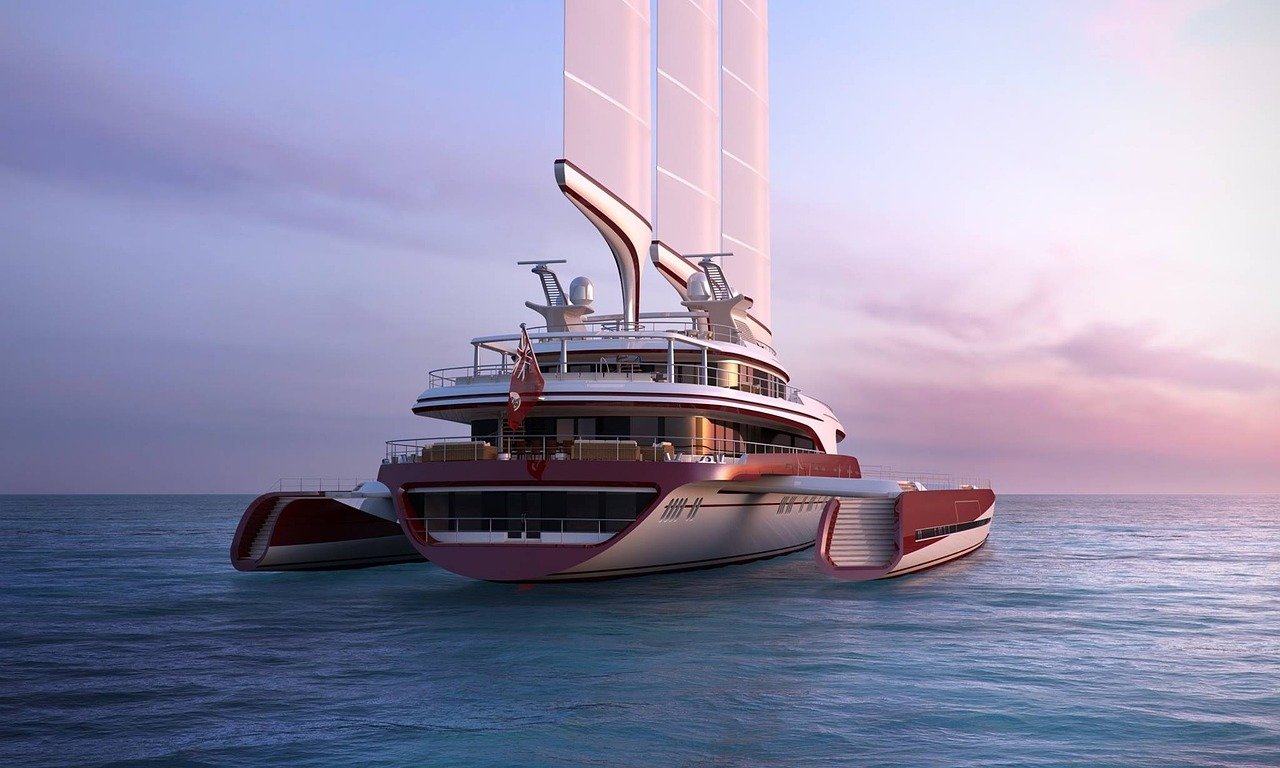
Roughly 1,200 superyachts over 24 meters were available for charter worldwide in recent seasons, and the vast majority of them spend their summers in the same handful of cruising grounds. That concentration is not an accident. It reflects where marinas, provisioning, anchorages, and guest demand all line up at once.
But “best” is a slippery word in yachting. The best destination for a family on a first charter is rarely the best one for a group of experienced sailors chasing empty anchorages. This guide separates genuine quality from marketing gloss, region by region, so the choice comes down to how you want to cruise rather than which brochure looks prettiest.
How to Judge a Superyacht Destination
Before ranking anything, it helps to know what actually separates a great cruising ground from a merely famous one. Four factors do most of the work:
- Marina and berth infrastructure. A destination with limited berths forces yachts to anchor out or move on. The Mediterranean’s western basin, with Cannes, Antibes, Monaco, and Palma within easy reach, remains the most densely served.
- Provisioning and service depth. Fresh produce, qualified engineers, and spare parts matter more than scenery when something breaks at 2 a.m.
- Regulatory friendliness. Cruising permits, protected marine zones, and anchoring restrictions increasingly shape itineraries. Parts of the Mediterranean restrict anchoring over Posidonia seagrass, and several popular islands have moved to cap visitor numbers.
- Seasonal fit. A destination is only as good as the month you visit it. The same bay can be paradise in June and a wind tunnel in February.
One definitional note: sources disagree on what counts as a superyacht, with thresholds commonly set at 24 meters or 30 meters. The destinations below suit both. (Superyacht)
The Mediterranean: Still the Benchmark
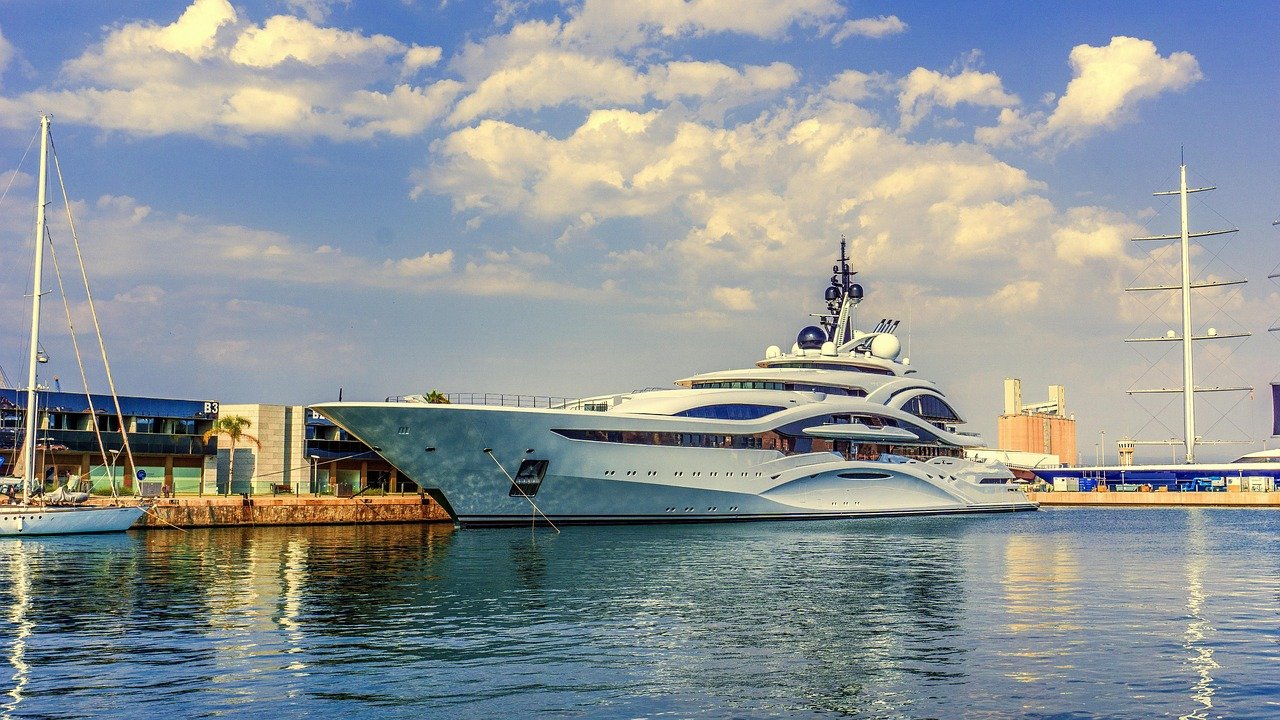
The Mediterranean remains the most popular superyacht cruising region in the world, with peak charter demand running roughly May through September. It earns that position on density: you can move between countries, cuisines, and anchorages in a single day, and the service ecosystem is unmatched.
The French Riviera and Monaco
Cannes, Antibes, Saint-Tropez, and Monaco form the sport’s traditional core. Antibes alone hosts one of the largest concentration of yacht berths anywhere in Europe. The trade-off is cost and crowding: berths during the Monaco Grand Prix period and the Cannes film festival are booked out months, sometimes years, ahead.
Practical tip: if you want the Riviera without the crush, aim for late September. The water is still warm, the crowds thin out, and berth availability improves noticeably.
Croatia and the Adriatic
Dubrovnik, Hvar, and Split have become headline destinations over the past decade, and the Adriatic offers something the Riviera struggles to match: thousands of islands, many of them quiet, within a few hours’ sail. Dubrovnik’s overcrowding has been a genuine policy issue for years, with visitor and cruise-ship caps debated and revised repeatedly. Check current rules before planning a peak-season stop.
Greece: The Cyclades and Ionian
Greece splits neatly into two cruising personalities. The Cyclades deliver the postcard experience, whitewashed villages and sharp light, but summer winds are strong and berths on Santorini and Mykonos are tight. The Ionian islands are gentler, greener, and better suited to families and less experienced crews.
Greece has discussed limits on cruise arrivals at its most popular islands in recent years. Proposals have shifted, so verify the current status rather than relying on older articles.
Italy and the Tyrrhenian
The Amalfi Coast, Capri, Sardinia’s Costa Smeralda, and the Aeolian Islands give Italy a range no single region can match. Sardinia in particular has become a summer hub for larger yachts, with Porto Cervo functioning as the social anchor of the western Mediterranean season.
The Caribbean: The Winter Counterweight
When the Mediterranean closes for the season, the Caribbean opens. The winter charter window runs roughly November through April, with the British Virgin Islands, St. Barts, and Antigua among the most consistently requested stops.
The British Virgin Islands reward short itineraries, since the distances between anchorages are small and the sailing is protected. St. Barts brings a distinctly French flavor and a busy holiday season. Antigua’s English Harbour has genuine maritime heritage and one of the region’s best-known sailing weeks.
The obvious caution: hurricane season runs roughly June through November. Charter insurance and cancellation terms deserve close reading for any booking that brushes against the edges of that window.
The South Pacific and French Polynesia
For remoteness, French Polynesia is hard to beat. The Society Islands, Tuamotus, and Marquesas offer a scale of distance that changes how a charter feels: passages are longer, anchorages emptier, and the experience less about marina-hopping and more about genuine exploration.
The costs are real. Provisioning is more expensive, the fleet is smaller, and a mechanical issue can mean a longer wait for parts. This is a destination for people who value solitude over convenience, and it rewards crews who plan ahead.
Alaska and the Pacific Northwest
Alaska operates on a strict summer-only rhythm, roughly May through September, and offers something no warm-water destination can: glaciers, wildlife, and wilderness anchoring at scale. It suits expedition-style yachts with ice-class capability and crews experienced in cold-water operations.
The mistake many first-timers make is treating Alaska like a Mediterranean charter with a different backdrop. It is not. Weather flexibility, a tolerance for plan changes, and proper clothing matter more than a packed itinerary.
Comparing the Main Cruising Grounds
| Region | Best Season | Strengths | Watch-Outs |
|---|---|---|---|
| Western Mediterranean | May–September | Berth density, service, short hops | Cost, peak-season crowding, anchoring rules |
| Adriatic (Croatia) | May–June, September | Island variety, value | Dubrovnik congestion, permit rules |
| Greek Islands | May–June, September | Scenery, culture, anchorages | Summer winds, tight berths, visitor caps |
| Caribbean | November–April | Warm water, short passages, variety | Hurricane season, holiday pricing |
| French Polynesia | Varies by archipelago | Remoteness, diving, emptiness | Cost, logistics, smaller fleet |
| Alaska | May–September | Wildlife, glaciers, wilderness | Weather, cold-water expertise required |
Practical Mistakes That Ruin Otherwise Good Charters
A few patterns show up again and again among first-time charterers, and most are avoidable.
Booking the peak week by default. The most expensive week of the season is rarely the best one. Shoulder weeks in June and September often deliver better weather, more berth availability, and lower rates.
Ignoring anchoring regulations. Protected seagrass areas and marine reserves increasingly restrict where yachts can drop anchor. Crews who plan around these rules avoid last-minute itinerary scrambles.
Overpacking the itinerary. A seven-day charter that tries to cover three countries usually delivers exhaustion rather than discovery. Fewer stops, longer stays.
Skipping the weather conversation. Ask the captain directly how the proposed route handles the prevailing conditions in your chosen month. The answer tells you more than any brochure.
Assuming last year’s rules still apply. Visitor caps, permit schemes, and anchoring restrictions are moving targets. Confirm current requirements with official tourism authorities and your charter broker before departure.
Matching Destination to Traveler
The right choice depends heavily on who is on board. Families with young children tend to do well in the Ionian, the British Virgin Islands, or the Balearics, where passages are short and swimming stops are frequent. Groups chasing nightlife and social scenes gravitate toward the Riviera, Ibiza, and St. Barts. Experienced sailors often prefer the Adriatic’s quieter islands or the longer passages of French Polynesia.
For travelers who treat the vessel itself as the destination, the calculus shifts again. A growing number of charterers choose itineraries around the yacht rather than the reverse, a trend reflected in how hotels and properties that feel like a destination in their own right are now reviewed and chosen. The same logic applies at sea: the boat, the crew, and the pace matter as much as the postcode.
It also helps to research the region beyond the marina. Browsing destination guides and travel ideas before committing to a route often surfaces anchorages and shore excursions that brokers do not mention by default.
The Regulatory Layer Nobody Mentions in the Brochure
Regulation is quietly reshaping where superyachts can go and when. The International Maritime Organization sets the global framework for vessel safety and environmental compliance, and regional authorities layer local rules on top. Marine protected areas, emissions controls in coastal waters, and local anchoring bans all influence itinerary planning more than they did a decade ago.
The practical consequence for charterers is simple: flexibility is now a feature, not a flaw. A crew that can shift a route by a day to respect a protected zone or a weather window delivers a better trip than one locked to a rigid plan.
Conclusion
There is no single best superyacht destination, and any list that claims otherwise is selling something. The Mediterranean remains the benchmark for infrastructure, variety, and sheer density of experience. The Caribbean is the natural winter counterpart. French Polynesia and Alaska offer something different entirely: remoteness and wilderness that no marina-hopping itinerary can replicate.
The most reliable approach is to start with the season, then the crew’s experience level, then the itinerary length, and only then the destination. Get those three in the right order and the shortlist practically writes itself. Get them wrong and even the most famous coastline in the world will feel like the wrong choice.
What is the most popular superyacht destination?
The Mediterranean is generally the most popular superyacht cruising region, with peak charter demand running roughly May through September. Its appeal comes from density: berths, provisioning, and service infrastructure are concentrated across the French Riviera, Italy, Croatia, and Greece, allowing yachts to move between countries in a single day.
When is the best time to charter a superyacht in the Mediterranean?
June and September typically offer the best balance of weather, berth availability, and cost. July and August bring the warmest water but also the highest rates and the tightest marina space. Late September often delivers warm seas with noticeably thinner crowds.
Is the Caribbean a good alternative to the Mediterranean?
Yes, for winter charters. The Caribbean season runs roughly November through April and includes the British Virgin Islands, St. Barts, and Antigua. Hurricane season, roughly June through November, shapes insurance and booking decisions, so read cancellation terms carefully for any charter near those months.
How much does a superyacht charter cost?
Costs vary enormously by vessel size, age, crew, and season, and rates are usually quoted weekly plus expenses such as fuel, food, and berthing. Peak weeks in the Mediterranean and holiday weeks in the Caribbean carry the highest premiums. Request a full expense estimate rather than comparing base rates alone.
Do I need experience to charter a superyacht?
No. Crewed charters include a captain and crew, so no sailing experience is required. What matters more is choosing a destination that matches the group’s tolerance for passage length, nightlife, and activity level.
What should I check before booking a superyacht destination?
Confirm current cruising permits, anchoring restrictions in protected marine areas, and any visitor caps at popular ports. Rules in destinations such as Dubrovnik, Santorini, and Mykonos have been proposed and revised repeatedly, so verify the status with official tourism authorities and your broker before departure.
Booking too early or too late. Prime weeks sell out months ahead, but last-minute availability can also yield favorable terms when a vessel has a gap. Ask your broker about both ends of that curve.
Skipping the crew interview. A brief call with the captain before booking clarifies communication style, children’s needs, and dining expectations. It is the cheapest insurance a charterer can buy.
In the end, the best destination is the one that matches your calendar, your crew, and your appetite for either company or solitude. Choose deliberately, and the sea does the rest.