
Best Personalized Luxury Gifts: What’s Worth It in 2026
 Abdul WadoodLast updated
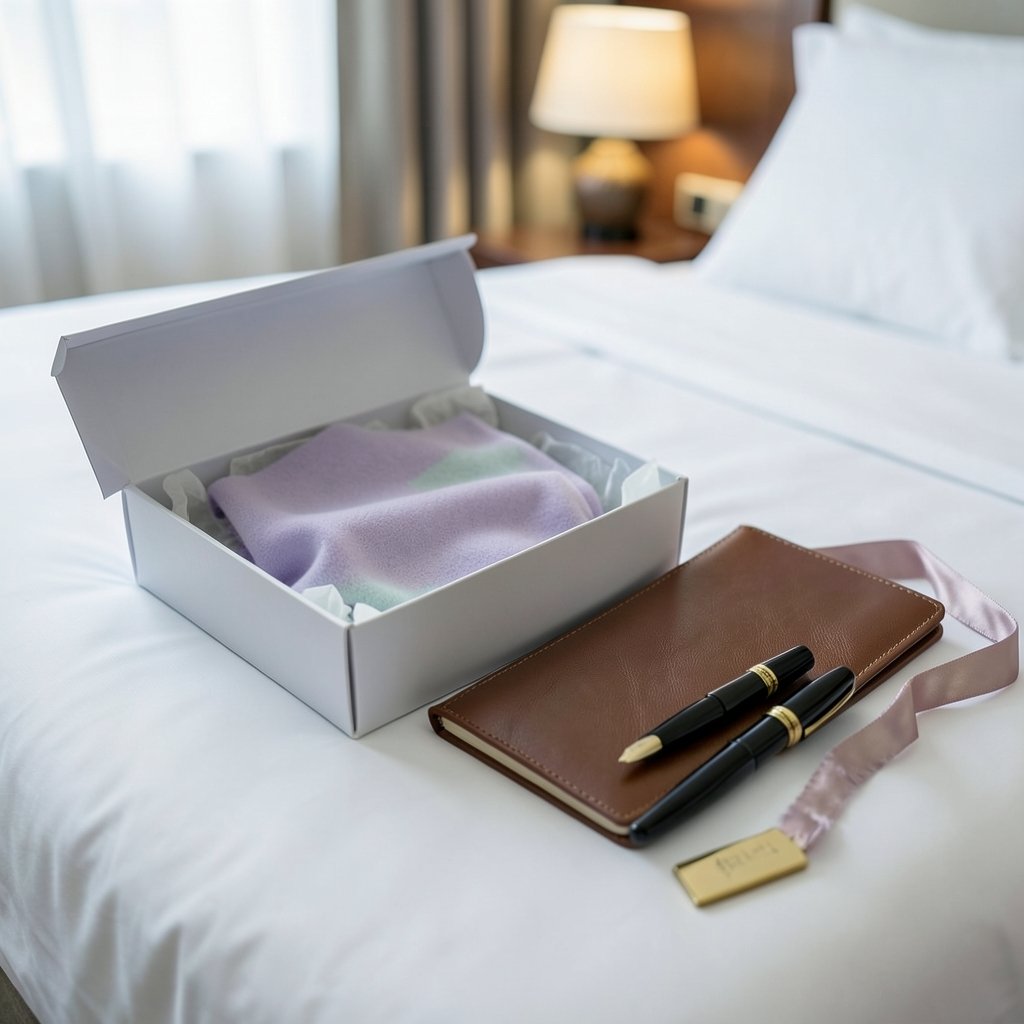
Walk through any luxury shopping district and you will notice something quietly shifting: the most expensive item in the window is no longer the one with the loudest logo. It is the one with a name, a date, or a set of initials on it. Personalization has moved from an afterthought at the engraving counter to the centerpiece of how premium brands sell. According to Wikipedia’s overview of personalization, the practice spans everything from mass customization to full bespoke commissions, and that range matters enormously when you are choosing a gift.
The appeal is easy to understand. A personalized luxury gift solves the oldest problem in gifting: how to give something that feels chosen rather than bought. But the category is also full of traps. Long lead times, unclear return policies, and engraving that quietly destroys resale value are all real risks. This guide walks through what works, what to avoid, and how to think about the best personalized luxury gifts without wasting money.
Why Personalization Became the Heart of Luxury Gifting
Luxury has spent the last decade moving away from conspicuous branding toward something more private. The new language of modern luxury is quieter, more individual, and far more focused on the story behind an object than the logo on it. Personalization fits that shift perfectly. It turns a product into a possession with a narrative attached.
There is a practical side too. A monogrammed leather wallet or an engraved watch case is harder to regift, harder to resell, and therefore more likely to be kept. For the giver, that is the whole point. The gift becomes sticky in a way that a generic luxury item never is.
The trend also reflects how luxury living itself is changing. Buyers increasingly value experience, provenance, and craft over sheer display. A bespoke commission delivers all three at once.
The Main Categories of Personalized Luxury Gifts
Not all personalization is created equal. The table below compares the most common formats on the dimensions that actually matter to a buyer.
| Category | Typical Lead Time | Price Premium | Reversibility | Best For |
|---|---|---|---|---|
| Engraving (metal, glass, leather) | Days to 2 weeks | Low to moderate | Permanent | Watches, flasks, jewelry |
| Monogramming / embossing | Days to 3 weeks | Low | Usually permanent | Leather goods, stationery, linens |
| Made-to-measure (apparel, shoes) | 4 to 12 weeks | Moderate to high | Limited | Suits, boots, gloves |
| Full bespoke commission | 3 to 12 months | High | None | Furniture, jewelry, timepieces |
| Experience-based personalization | Varies | Varies | Not applicable | Milestone celebrations |
The key insight is that lead time and reversibility move in opposite directions. The more personal the item, the longer it takes and the less you can undo it. That trade-off should drive every decision.
Engraving and Monogramming
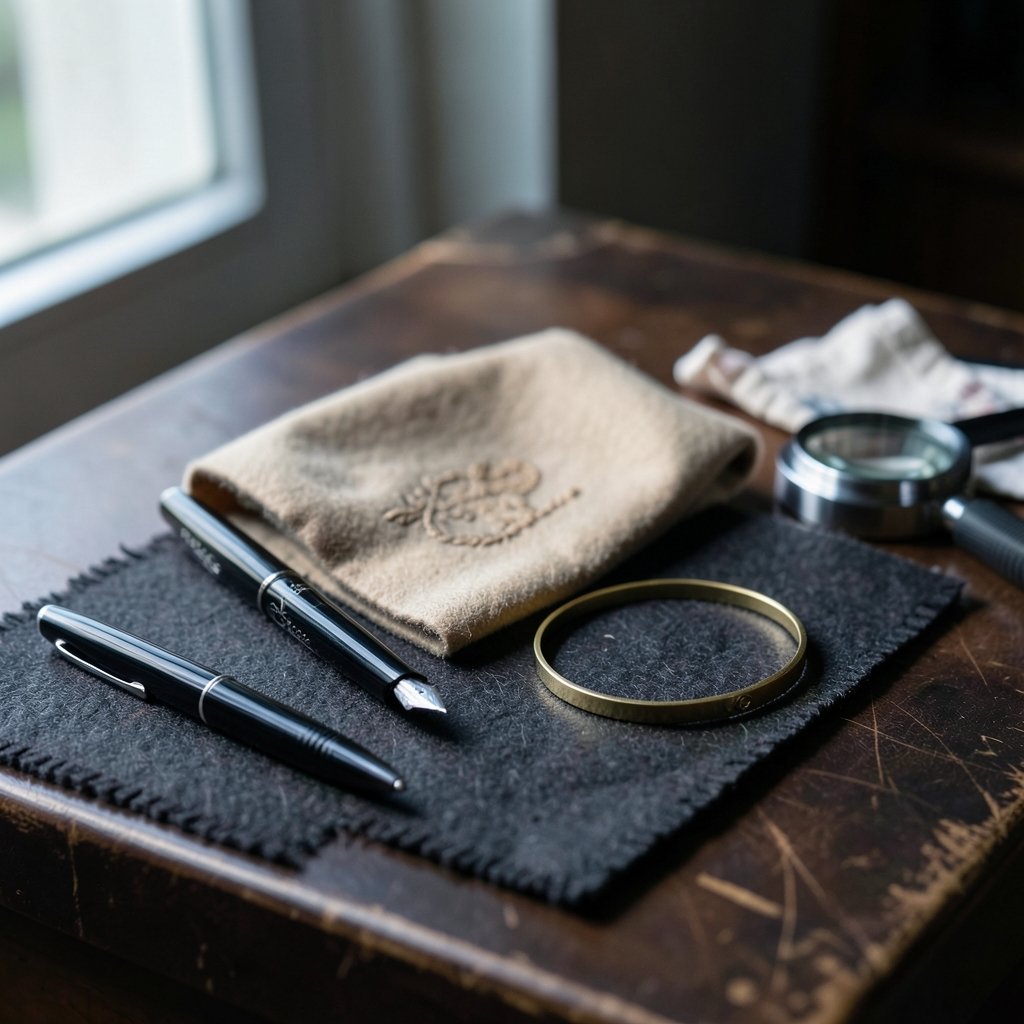
This is the entry point for most buyers, and it is where the best value sits. A well-engraved fountain pen, a monogrammed cashmere scarf, or a date-stamped bracelet delivers a strong emotional return for a modest premium. The craft tradition behind these techniques runs deep, and the legacy of luxury fashion houses shows how long monogramming has been used to signal both ownership and belonging.
The common mistake here is over-personalizing. Full names, long dates, and multiple lines of text crowd small surfaces and age badly. Initials and a single date almost always look better a decade later.
Made-to-Measure and Bespoke
At the higher end, personalization means the object is built around the recipient. Made-to-measure apparel adjusts existing patterns; true bespoke creates a new one. The distinction is not marketing fluff. It affects price, timeline, and how many fittings are required.
For gifts, bespoke is risky. Fit depends on the recipient being present for measurements, and a surprise commission that does not fit is an expensive disappointment. Made-to-measure with a generous alteration policy is the safer route.
What Actually Works in Practice
Practical experience across this category points to a handful of rules that hold up again and again.
Personalize the object, not the packaging. A beautifully engraved item in a plain box beats a generic item in a monogrammed box every time. Packaging gets discarded; the object stays.
Choose permanence deliberately. Engraving cannot be undone. Before committing, ask whether the recipient might ever want to sell, gift, or pass the item on. If yes, put the personalization somewhere discreet, like the inside of a lid or the underside of a case.
Confirm the return policy in writing. Personalized goods are frequently excluded from standard returns. In many jurisdictions, customized items fall outside ordinary distance-selling protections, so a buyer who orders the wrong size or spelling has limited recourse. Get the policy in writing before paying.
Order earlier than feels necessary. Lead times quoted at checkout are estimates, not guarantees. Holiday seasons and peak wedding periods stretch them further. A four-week buffer is not excessive.
Check the spelling twice, then have someone else check it. This sounds trivial until it happens. Names with unusual spellings, dates written in different formats, and non-Latin scripts are all common sources of error, and none of them can be fixed after the fact.
Common Mistakes to Avoid
- Personalizing an item the recipient will use in professional settings with something too intimate or jokey.
- Choosing a font or typeface that clashes with the object’s design language.
- Assuming a brand’s personalization service is available in every market or on every product line.
- Ignoring the secondary market. Engraved watches and jewelry typically fetch less at resale than unengraved equivalents, which matters for high-value pieces.
- Treating “personalized” and “bespoke” as synonyms when comparing quotes.
Matching the Gift to the Person
The best personalized luxury gifts share one quality: the personalization reveals something the recipient would recognize about themselves. That requires a little observation rather than a bigger budget.
A few pairings that tend to land well:
- For the collector: an engraved watch case or a display box with the collection’s theme or a significant date. Discreet, useful, and unlikely to be duplicated.
- For the traveler: monogrammed leather luggage tags or a passport holder, kept small and understated.
- For the home-focused: personalized linens, glassware, or a commissioned piece. The art of designing a home that feels personal is a useful frame here, because the gift should fit an existing space rather than impose a style.
- For the milestone: an experience paired with a small engraved keepsake. The experience carries the memory; the object carries the proof.
- For the professional: a monogrammed pen, desk accessory, or briefcase where the initials sit small and centered.
Notice that none of these rely on a large surface area. Restraint is what separates a considered gift from a branded one.
How to Judge Quality Before You Buy
Personalization adds a layer of craft on top of the base product, and both layers need to be good. A perfectly engraved mediocre item is still a mediocre item.
Look at the base object first. Check the material, the stitching, the hardware, and the finish. Then examine the personalization method. Hand engraving has a depth and variation that machine engraving cannot match, but it costs more and takes longer. Laser engraving is precise and consistent, though it can look flat on certain metals. Embossing on leather depends heavily on the hide’s thickness and temper.
Ask specifically who does the work. Some brands personalize in-house; others outsource to a third-party workshop. Neither is automatically better, but the answer tells you something about quality control and about who to contact if something goes wrong. The watches, brands, and design coverage in specialist publications is a useful reference point for understanding how much craft variation exists within a single category.
One more practical check: ask to see a sample of the personalization on the same material. Most reputable ateliers can show photographs of previous work. If they cannot, that is a signal.
Budgeting Realistically
Personalization premiums vary widely, but the pattern is consistent. Simple engraving or embossing typically adds a small percentage to the base price. Made-to-measure adds a meaningful step up. Full bespoke can multiply the cost of a comparable off-the-rack item several times over.
The mistake buyers make is budgeting for the personalization and forgetting the base object. A tight budget is better spent on a well-made small item with simple initials than on an entry-level item with elaborate customization. Craft first, personalization second.
It also helps to think about cost per year of use. A monogrammed leather good that lasts fifteen years is cheaper annually than a trend-driven accessory replaced every two. This is the same logic that underpins the broader case for investing in enduring luxury rather than seasonal novelty. (Collections)
Where to Look, Season by Season
Specialist resort and hotel gift shops are underrated sources for personalized items, particularly for travel-related gifts. The luxury resort gift guides that cover these destinations often flag which properties offer in-house personalization, which can be convenient if you are buying on location. (Gift)
For fashion and accessories, the legacy fashion houses remain the most reliable starting point, though their personalization windows are often narrow. Independent ateliers frequently offer more flexibility and shorter lead times, at the cost of less brand recognition.
Timing matters more than most buyers expect. Ordering in early autumn for December delivery is sensible; ordering in November is a gamble. For weddings and anniversaries, work backward from the date and add a month.
Conclusion
The best personalized luxury gifts are not the most elaborate ones. They are the ones where the personalization feels inevitable, as though the object could not have belonged to anyone else. That usually means restraint: initials rather than full names, a single date rather than a paragraph, a discreet placement rather than a prominent one.
Three habits separate a good purchase from a regrettable one. First, confirm the return policy before you pay, because personalized goods are often excluded from standard protections. Second, order earlier than the quoted lead time suggests. Third, invest in the base object first and treat personalization as the finishing layer rather than the main event.
Get those right and the gift does what luxury is supposed to do: it lasts, it means something, and it could not have been given to anyone else.
Frequently Asked Questions
Are personalized luxury gifts returnable?
Usually not. Customized and engraved items are commonly excluded from standard return policies, and in many jurisdictions they fall outside ordinary distance-selling protections. Always confirm the specific policy in writing before ordering, and ask whether alterations are covered separately.
What is the difference between personalized, made-to-measure, and bespoke?
Personalized means an existing product is modified with initials, a date, or a name. Made-to-measure means an existing pattern is adjusted to the recipient’s measurements. Bespoke means a new pattern or design is created from scratch. The three carry very different prices, timelines, and return implications.
Does engraving reduce resale value?
Often, yes. Engraved watches, jewelry, and silver typically sell for less on the secondary market than unengraved equivalents because the buyer pool shrinks. If resale is a consideration, choose a discreet location such as the inside of a case back or the underside of a base.
How far in advance should I order a personalized gift?
For simple engraving, allow at least two to three weeks. For made-to-measure, plan on six to twelve weeks. For bespoke commissions, three months is a realistic minimum and a year is not unusual. Add a buffer around holidays and wedding season, when workshops are busiest.
What is the safest personalization for a surprise gift?
Initials and a single significant date are the safest choices. They are hard to get wrong, age well, and suit almost any object. Avoid full names, inside jokes, and long inscriptions unless you are certain of the spelling and confident the recipient will still find them appropriate years later.
Is it worth paying extra for hand engraving over machine engraving?
It depends on the object. Hand engraving offers depth and character that machines cannot replicate, and it suits high-value pieces where the craft is part of the appeal. Machine engraving is precise, faster, and cheaper, which makes it a sensible choice for everyday items where consistency matters more than individuality.