
Best Luxury Small Cruise Lines: 2026 Guide
 Abdul WadoodLast updated

What if the best cruise you ever take is the one with the fewest people on board? Luxury small cruise lines have built a devoted following on exactly that idea. Fewer guests, quieter decks, and ports that big ships simply cannot reach. But “small” and “luxury” get thrown around loosely in cruise marketing, and the differences between the leading lines matter more than the brochures suggest. (Cruise ship)
This guide looks at what actually separates the top luxury small cruise lines, where each one shines, and the mistakes travelers make when booking. No single line wins for everyone. The right pick depends on whether you want glaciers, butlers, or a bar where the bartender learns your order by day two.
What Counts as a Luxury Small Cruise Line?
There is no binding industry standard for “small.” In trade usage, luxury small ships usually carry under 1,000 guests, and often under 500. Some expedition vessels sail with fewer than 300. Treat any specific number as a convention, not a rule.
Luxury, meanwhile, is about what is included and how the ship feels. Real luxury lines tend to bundle drinks, gratuities, specialty dining, and often excursions into the fare. They also keep crew-to-guest ratios high, so service feels personal rather than scripted.
The segment splits into two broad camps:
- Classic luxury ocean cruising: polished ships, formal-ish evenings, and destination-heavy itineraries in familiar regions.
- Expedition luxury: ice-strengthened vessels, zodiac landings, and naturalists on board, aimed at polar and remote regions.
Knowing which camp fits your travel style is the single most useful decision you can make before comparing brands.
The Leading Luxury Small Cruise Lines at a Glance
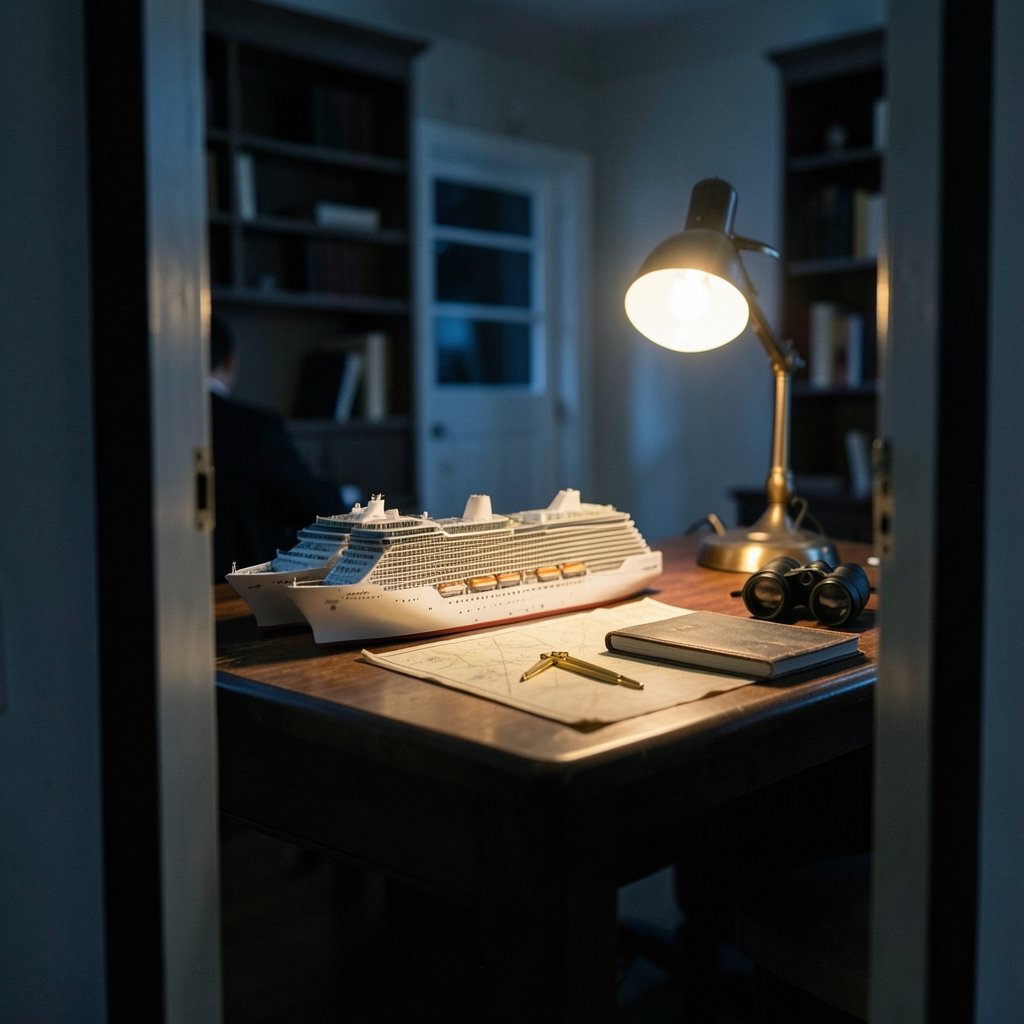
Fleet details shift constantly as new ships launch and older ones are sold. The table below reflects the general positioning of each line rather than a live fleet list, so confirm current ship sizes before you book.
| Line | Typical guest count | Style | Best for |
|---|---|---|---|
| Seabourn | Roughly 300–600 | Classic luxury, some expedition | Travelers who want intimacy without giving up polish |
| Silversea | Many ships under 400, plus larger vessels | All-suite classic and expedition | Suite lovers who want broad itinerary choice |
| Ponant | Often under 300 | French-inflected expedition | Polar and remote routes with a European feel |
| Regent Seven Seas | Around 700–750 | All-inclusive classic luxury | Travelers who want one upfront price |
| Scenic | Under 250 on ocean yachts | Contemporary, yacht-like | Design-focused couples who dislike crowds |
A few observations from that table. Seabourn and Silversea sit closest to the traditional heart of luxury cruising. Ponant leans hard into expedition territory. Regent competes on inclusions rather than ship size. Scenic’s ocean yachts are among the smallest in the luxury space, which makes them feel more like private vessels than cruise ships.
If you are still working out where the boundary between premium and true luxury sits, it helps to see where the real lines get drawn before you compare fares.
Seabourn: The Intimacy Standard
Seabourn, part of Carnival Corporation, has long been the benchmark for small-ship luxury. Its ships generally carry between roughly 300 and 600 guests depending on vessel class, and the newest additions are expedition-capable. That range is small enough that crew remember names and large enough to support proper restaurants and a real spa. (Best luxury stocking fillers small gifts that carry real)
What works in practice: Seabourn’s strength is consistency. Service feels warm rather than stiff, and the included champagne and caviar service on deck is a genuine signature rather than a gimmick. The line suits travelers who want luxury without a dress-code lecture.
Common mistake: assuming every Seabourn ship is identical. The expedition-capable vessels have different facilities and a different rhythm. Read the specific ship’s deck plan rather than relying on the brand’s marketing.
Silversea: All-Suite Choice and Reach
Silversea, owned by Royal Caribbean Group, built its reputation on all-suite ships, many carrying under 400 guests, alongside a growing expedition fleet. That combination gives it unusual breadth. You can sail a classic Mediterranean itinerary one year and a polar voyage the next without changing brands.
The all-suite format matters more than it sounds. Every cabin has a proper living space and a bathtub in most categories, which appeals to travelers who find standard cruise cabins cramped. The trade-off is that Silversea’s larger vessels feel less intimate than its smallest ones, so ship selection matters.
Practical tip: if intimacy is your priority, book the smaller classic ships rather than the newest and biggest. The experience differs noticeably.
Ponant: French Flair in Remote Waters
Ponant is a privately held French line whose ships typically carry under 300 guests, with a strong expedition and polar focus. The atmosphere is distinctly European: French cuisine, understated design, and a quieter social scene than the big American luxury brands.
This is a line for travelers who care more about where the ship goes than how many restaurants it has. Ponant’s polar itineraries are its calling card, and the small guest count means faster landings and less waiting for zodiacs.
One caution: Ponant’s European feel is a feature for some and a mismatch for others. If you want Broadway-style entertainment and a heavily American social calendar, look elsewhere.
Regent Seven Seas: All-Inclusive at Scale
Regent Seven Seas, part of Norwegian Cruise Line Holdings, markets itself as the most inclusive luxury experience. Ships generally carry around 700 to 750 guests, which is large for this segment but still a fraction of a mainstream megaship.
The appeal is simple: one fare covers flights in many cases, transfers, unlimited shore excursions, drinks, gratuities, and specialty dining. For travelers who hate signing bills on vacation, that structure is genuinely relaxing.
The catch is size. At 700-plus guests, Regent ships feel like boutique hotels rather than private yachts. That is still small by industry standards, but it is not the same experience as a 250-guest vessel.
Scenic: Yacht-Style Ocean Cruising
Scenic’s ocean yachts carry under 250 guests, making them among the smallest luxury ocean vessels afloat. The design is contemporary and tech-forward, with spacious suites and a relaxed dress code.
This line suits couples who want a yacht-like feel without chartering a yacht. The small guest count means quiet public spaces and quick port access.
The limitation is itinerary range. With fewer ships, Scenic’s ocean routes are narrower than what Seabourn or Silversea offer. If you want a specific region on specific dates, flexibility helps.
What “Best” Really Depends On
Rankings of luxury cruise lines use wildly different criteria, and no single authoritative ranking exists. One outlet weights service, another inclusions, another itinerary depth. Treat any “best of” list as one opinion, not a verdict.
A more useful approach is to score each line against your own priorities. Ask yourself:
- How small does the ship need to be for you to feel comfortable?
- Do you want everything bundled, or do you prefer a lower base fare?
- Is the destination the point, or is the ship itself the destination?
- How formal do you want evenings to be?
- Do you need expedition capability, or will classic ocean routes suffice?
Answer those five questions honestly and the shortlist usually shrinks to two or three lines.
Practical Tips and Common Mistakes
Book the ship rather than the brand. Within any luxury line, the smallest and newest ships deliver a different experience from the rest of the fleet. Check guest counts per vessel.
Watch the dress code. Luxury lines vary from resort casual to formal optional. Packing wrongly is the most common first-night regret.
Check public health inspection records. In U.S. waters, ships are inspected under the CDC Vessel Sanitation Program, which publishes inspection scores. It is one of the few objective data points travelers can compare across lines.
Verify what is actually included. “All-inclusive” means different things. Some lines include excursions; others do not. Read the fine print before comparing fares.
Do not assume small means basic. The best small ships often have the highest crew-to-guest ratios in the industry, which is precisely where the luxury lives.
Consider the season. Small ships have less tolerance for rough weather. If you are prone to seasickness, choose calmer regions and months.
Expedition Versus Classic: A Key Fork
The biggest split in this segment is between classic luxury and expedition cruising. Expedition vessels follow additional international safety and environmental rules for polar waters, set out in the IMO Polar Code, which has been in force since 2017. That code shapes everything from hull strength to what the ship can discharge, and it is why polar-capable luxury ships cost more to build and operate. (SOLAS: International Convention for the Safety of Life at Sea,-1974.aspx))
Practically, this means expedition itineraries are less about evening entertainment and more about daily landings, lectures, and wildlife. If you have never done a polar voyage, the learning curve is real: expect weather-dependent schedules and a lot of layering.
For a broader look at how to weigh ship style, route, and budget across the market, it helps to see how the best cruise line overall gets chosen in practice.
Matching the Line to the Trip
Different trips call for different lines. A few pairings that tend to work:
- Alaska and glacier country: prioritize ships with strong viewing spaces and skilled naturalists. Smaller vessels get closer to glaciers and into narrower channels, which is why glacier access should drive your choice of cruise line in Alaska.
- Adults-only relaxation: look for lines with child-free policies and quiet pool decks.
- Milestone celebrations: all-suite ships with butler service suit anniversaries and big birthdays.
- First-time luxury cruisers: a mid-size luxury ship with clear inclusions is an easier entry point than a 200-guest expedition vessel.
How to Compare Fares Fairly
The sticker price is rarely the real price. To compare properly, build a like-for-like total:
- Add drinks, gratuities, and specialty dining if they are not included.
- Add shore excursions, which can run into hundreds of dollars per port.
- Add flights and transfers where relevant.
- Divide the total by nights to get a per-night figure.
- Compare that per-night figure across lines, not the headline fare.
This exercise often flips the ranking. A fare that looks 30 percent higher can be cheaper once inclusions are counted.
Conclusion
The best luxury small cruise line is the one that matches how you actually like to travel. Seabourn delivers polished intimacy. Silversea offers all-suite comfort with unusual reach. Ponant brings French expedition character. Regent wins on all-inclusive simplicity. Scenic feels like a private yacht.
None of them is universally best, and anyone who tells you otherwise is selling something. Start with ship size, then inclusions, then itinerary. Get those three right and the brand choice usually takes care of itself.
Frequently Asked Questions
What is the smallest luxury cruise ship?
Among the leading luxury lines, Scenic’s ocean yachts carry under 250 guests, and some Ponant vessels carry under 300. Expedition ships can be smaller still. There is no official threshold, so “smallest” depends on which lines you count as luxury.
Are luxury small cruise lines worth the price?
For many travelers, yes. Fares typically bundle drinks, gratuities, dining, and sometimes excursions, and the crew-to-guest ratio is far higher than on mainstream ships. The value shows up in service and access to smaller ports rather than in cabin size alone.
Which luxury cruise line is best for Alaska?
Lines with strong viewing spaces and naturalist programs perform best. Smaller ships reach narrower channels and get closer to glaciers, which matters more in Alaska than onboard nightlife. Compare glacier access and route depth before brand prestige.
Do luxury small ships have formal nights?
It varies. Some lines keep formal optional evenings, while others have moved to resort casual throughout. Check the specific line’s dress code before packing, since this is one of the most common sources of first-night stress.
Is expedition cruising suitable for beginners?
It can be, but expect a different rhythm. Days center on landings, lectures, and wildlife rather than entertainment. Weather often reshapes the schedule. Travelers who value flexibility and outdoor activity tend to adapt fastest.
How far in advance should I book a luxury small cruise?
Small ships have fewer cabins, so popular itineraries and suites sell out early. Booking well ahead improves cabin choice and often price. Last-minute deals exist, but selection is limited, especially on polar routes with fixed seasons.