
Best Luxury Gifts for Her: 2026 Guide to Timeless Pieces
 Abdul WadoodLast updated
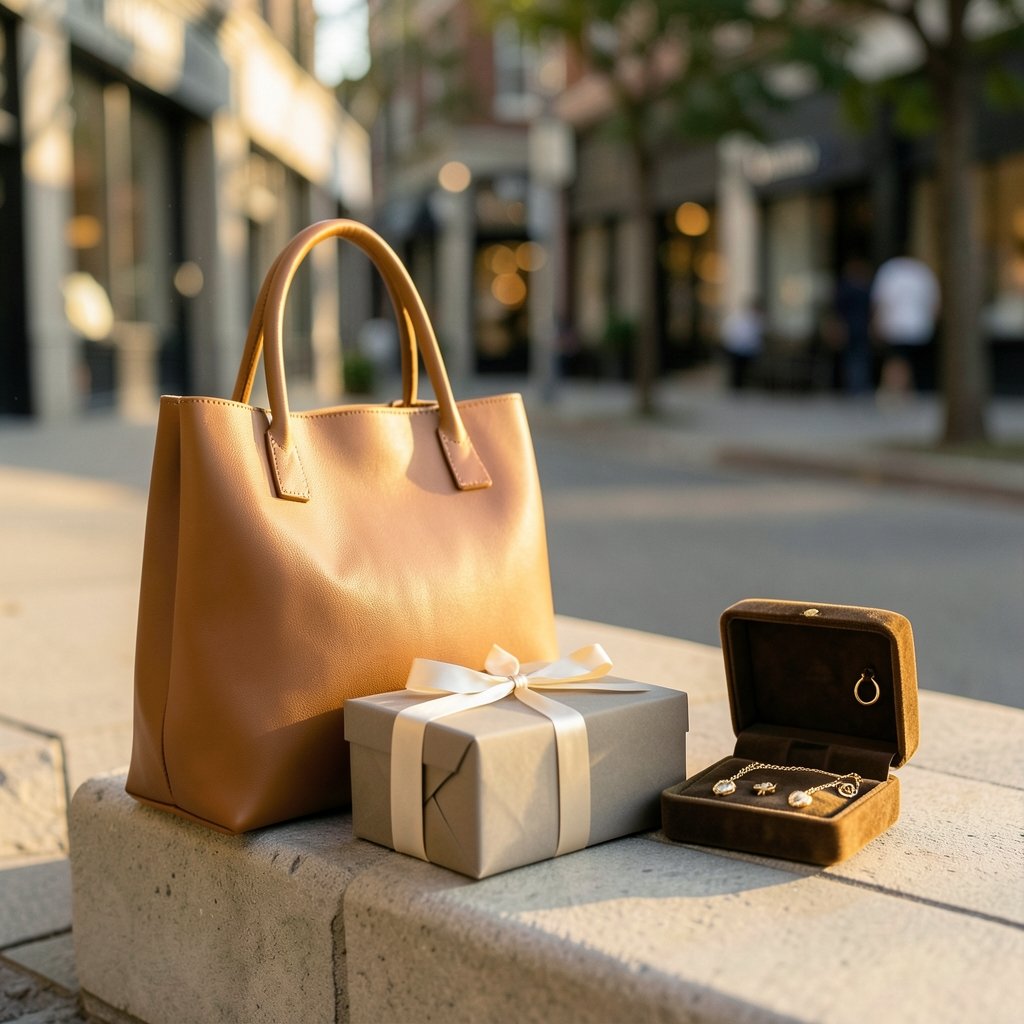
The global luxury goods market has surpassed $1.5 trillion in annual revenue, and gifting drives a meaningful slice of it. Yet ask anyone who has spent real money on a present that fell flat, and you’ll hear the same story: the price tag was impressive, the thought behind it wasn’t. The best luxury gifts for her are not the most expensive items on a shelf. They are the pieces that fit how she actually lives, carry a name with staying power, and survive long enough to become part of her daily routine rather than a drawer ornament.
This guide breaks down what works in practice, category by category, with the mistakes that separate a gift she wears for a decade from one she quietly rehomes.
What Makes a Luxury Gift Worth the Money
Luxury pricing has never been purely about materials. A cashmere scarf and a leather wallet can cost the same as a weekend away, and the difference between a good purchase and a regret usually comes down to three things: craftsmanship you can verify, resale value you can check, and fit with her existing habits.
Buyers who get this right tend to follow a few quiet rules. They buy from categories the recipient already touches every day, they favor brands with documented heritage over trend-driven labels, and they check how a piece holds value before paying full retail. That last point matters more than most people realize. According to Wikipedia’s overview of the luxury goods sector, the market’s resilience rests on scarcity and brand equity, which is exactly why certain handbags and watches retain value while seasonal fashion does not.
There’s also a broader shift in what luxury means to buyers today. The conversation has moved from logos toward longevity, a theme explored well in the new language of modern luxury. For a gift, that shift is useful: it gives you permission to choose something understated and well made over something loud and immediately dated. (Luxury goods)
Fine Jewelry: The Safest High-Value Bet

If you want one category with the lowest regret rate, it’s fine jewelry. A pair of gold hoop earrings, a simple pendant, or a tennis bracelet works across ages, outfits, and seasons. The key is metal and stone quality over size.
Practical guidance from jewelers is consistent: solid gold (14k or 18k) outlasts gold-plated pieces by decades, and a secure clasp matters more than carat weight for anything worn daily. Avoid fashion jewelry priced like fine jewelry — if the description says “gold tone” or “gold vermeil,” you’re paying for plating that will wear through. The U.S. Federal Trade Commission publishes guidance on jewelry advertising and marketing claims, which is worth a skim before any significant purchase, because it clarifies what terms like “solid gold” legally mean.
A common mistake: buying a statement piece for someone whose style is minimal. A large cocktail ring photographs beautifully and sits in a box for years. Match the scale to what she already wears.
Watches and Leather Goods: Where Resale Value Lives
Watches and handbags are the two gift categories where the purchase can behave like an asset. Not always, and not for every model, but often enough that it should shape your choice.
| Category | What holds value | What usually doesn’t | Practical tip |
|---|---|---|---|
| Watches | Steel sports models from established houses, full box and papers | Fashion-brand watches, heavily jeweled quartz pieces | Prioritize the bracelet over the case alone |
| Handbags | Classic shapes in neutral leather from heritage houses | Trend colors, exotic skins with care issues | Check resale listings before buying new |
| Small leather goods | Cardholders, compact wallets from top-tier tanneries | Logo-heavy seasonal items | Confirm lining and stitching quality in person |
| Scarves and silks | Hand-rolled edges, archival prints | Thin machine-finished squares | Feel the hem; hand-rolling is visible |
The resale angle is not about flipping a gift. It’s about insurance against a change of heart. A piece that retains 60 to 80 percent of its value gives the recipient options; a piece that retains nothing is a sunk cost. Auction houses and secondary marketplaces publish realized prices publicly, so a fifteen-minute check before purchase tells you more than any sales assistant will.
For a deeper look at how heritage houses build that durability, luxury fashion houses and their legacy is a useful primer on why certain designs stay in production for decades.
Cashmere, Silk, and the Everyday Luxuries
Not every luxury gift needs a four-figure budget. The most-used gifts are often textiles: a high-grade cashmere throw, a silk scarf, well-made gloves. These are also where quality varies most wildly.
Grade matters. Fine cashmere comes from the undercoat of goats and is measured in microns; the lower the micron count, the softer and more durable the fiber. Two-ply cashmere resists pilling far better than single-ply, which is why a good sweater costs what it does. The practical test in a store: hold the fabric to light. If it’s thin enough to see through, it will pill within a season.
Silk follows similar logic. Hand-rolled edges on a scarf signal hand-finishing; machine-stitched hems are faster and cheaper. Neither is a scandal, but only one justifies a luxury price.
A frequent error here is buying for the season rather than the wardrobe. A heavy winter throw in a warm climate, or a delicate silk piece for someone who lives in denim, tends to go unused. Think about her actual week.
Fragrance and Beauty: High Risk, High Reward
Fragrance is the most personal category on this list and the easiest to get wrong. Scent interacts with skin chemistry, so the same perfume can smell different on two people. Buying blind is a gamble.
What works in practice: choose a discovery set from a house you know she likes, or buy a gift card to a specialty retailer where she can sample. If you must commit to a full bottle, stick to a fragrance she has already worn, or a classic from a house with a long archive. Niche perfumery has expanded dramatically, and while the creativity is real, the hit rate for blind gifting is low.
Beauty gifting has a similar trap: limited-edition packaging often costs more than the formula inside. If the recipient is loyal to specific products, replenishing those is a genuinely thoughtful move. If not, a set of minis lets her experiment without waste.
Experiential Gifts and the Case for Doing Less
Experiences have become a serious luxury category. A private tasting, a spa day, a cooking class with a respected chef, or a short stay at a design-led hotel often lands better than another object, particularly for someone who already owns plenty.
The hospitality sector has leaned into this. Boutique properties now design packages around craft, food, and quiet, which you can see reflected in curated roundups like luxury resorts for your next getaway. The advantage for gift-givers is that an experience is shared or at least remembered, and it doesn’t require guessing her size, taste in metal, or preferred color.
One caution: an experience gift is only as good as its logistics. A voucher with blackout dates and a booking system that never answers the phone is worse than a scarf. Confirm availability before you pay, and check the expiry window.
How to Avoid the Five Most Common Mistakes
Most disappointing luxury gifts fail for predictable reasons. These are the ones that come up again and again:
- Buying the logo instead of the object. A recognizable monogram on a poorly made item costs more and lasts less than an unbranded piece from a serious maker.
- Ignoring her existing style. If she wears silver, a gold set may sit unworn. Look at what she reaches for daily.
- Skipping the packaging check. Luxury includes the box, the dust bag, and the paperwork. Missing these hurts both the experience and the resale value.
- Overspending on the wrong category. A mid-range piece in a category she loves beats a top-tier piece in one she doesn’t.
- Forgetting after-sales support. Repairs, resizing, and servicing matter. A brand with a real repair department is worth more than one without.
There’s a wider context worth understanding here: the luxury sector is being reshaped by sustainability expectations, resale markets, and a younger generation that values provenance over display. The future of luxury living covers how those forces are changing what buyers expect, and it explains why a well-documented, repairable object now reads as more luxurious than a flashy one. (Collections)
Matching the Gift to the Person
A short framework helps more than a long list. Ask three questions before buying.
First, what does she use every day? That’s where a quality upgrade delivers the most value. Second, what does she already own too much of? Avoid duplicating it. Third, what would she never buy for herself? That gap is often where the best gift sits, whether it’s a piece of fine jewelry or a properly made umbrella.
If you want a single reliable answer for a recipient whose tastes you don’t know well, fine jewelry in a simple design, a cashmere scarf in a neutral tone, or a well-curated experience are the three lowest-risk options. Each can be scaled to budget, each is hard to get badly wrong, and none requires knowing her dress size.
For those who want to go deeper on brand selection and design language, Voozon’s luxury watches, brands and design coverage offers a broader view of which houses are currently earning their reputation.
Conclusion
The best luxury gifts for her share a pattern that has little to do with price. They are well made, they fit an existing habit, they come from makers with verifiable craft and after-sales care, and they hold value if circumstances change. Jewelry, watches, leather goods, and textiles all reward careful selection; fragrance and trend-driven fashion punish guesswork. Spend the time on research rather than the money on packaging, confirm the details that matter, and the gift will do what luxury is supposed to do: last.
Frequently Asked Questions
What is the safest luxury gift for a woman whose taste I don’t know?
Fine jewelry in a simple design is the lowest-risk option. Solid gold hoops or a plain pendant suit almost every style and age, hold value, and can be resized or exchanged more easily than most categories. A neutral cashmere scarf is a close second.
How much should I spend on a luxury gift?
There’s no fixed rule, but spending within a category you can afford properly beats stretching into a category where you can only buy the entry-level item. A well-made piece at a mid-range price usually outperforms a compromised piece from a top-tier brand.
Are luxury watches and handbags actually a good investment?
Some are, most aren’t. Steel sports watches and classic handbags in neutral leather from heritage houses have historically retained value well. Trend colors, fashion-brand watches, and heavily embellished pieces typically do not. Check realized resale prices before buying.
Is it better to give an experience instead of an object?
For someone who already owns a lot, often yes. Experiences avoid sizing and taste problems and tend to be remembered longer. The catch is logistics: confirm booking availability and expiry dates before you pay, or the gift becomes a chore.
How can I tell if cashmere or silk is genuinely high quality?
For cashmere, look for two-ply yarn and hold the fabric to the light; if it’s see-through, it will pill quickly. For silk, check the hem: hand-rolled edges indicate hand-finishing, while flat machine stitching signals a cheaper construction.
What should I check before buying luxury goods as a gift?
Confirm the return and exchange window, make sure the box, dust bag, and paperwork are included, and ask about repair and resizing services. These details affect both the recipient’s experience and the item’s resale value.