
Best Hotels in San Diego 2026: Neighborhood & Budget Guide
 Abdul WadoodLast updated

What if the hotel you pick decides whether your San Diego trip feels like a beach escape, a city break, or a resort vacation? It really can. This county spreads across roughly 70 miles of coastline, and each pocket has its own personality. A room in the Gaslamp Quarter puts you in a lively nightlife district. A room in Coronado puts you on a quiet island with a famous beach. A room in Carlsbad puts you near theme parks and flower fields. The hotel you choose does more than provide a bed. It serves as the setting for your entire trip.
So instead of one flat ranking, this guide breaks the city into the areas travelers actually book, explains what each one is good for, and then looks at the properties that keep showing up on best-of lists. You will also find practical advice on parking, taxes, and timing, plus the mistakes that cost people money and sleep.
Why San Diego’s Geography Changes Your Hotel Choice
San Diego is not a city where one “best” hotel works for everyone. The metro area includes downtown, the bayfront, Mission Bay, La Jolla, Coronado, Del Mar, and Carlsbad in North County. Each has a different feel and a different set of trade-offs.
Downtown and the Gaslamp Quarter give you walkable restaurants, bars, and Petco Park. The bayfront is quieter but still central. Mission Bay is all about families and water sports. La Jolla brings cliffs, coves, and a village atmosphere. Coronado is a relaxed island with a legendary beach. Del Mar and Carlsbad slow things down and lean toward resort life.
The practical lesson: figure out what you want to do first, then pick the area, then pick the hotel. Travelers who do it backward often end up driving 30 minutes to everything.
Downtown San Diego and the Gaslamp Quarter
If you want to park the car and walk, downtown is the answer. The Gaslamp Quarter has more than a hundred bars and restaurants within a few blocks. Petco Park sits right there, and the waterfront is a short walk away.
Two downtown properties come up again and again in travel coverage. Pendry San Diego brings a design-forward, social feel with a rooftop pool and several restaurants. The US Grant, a historic property dating to 1910, appeals to travelers who like grand lobbies and a sense of place.
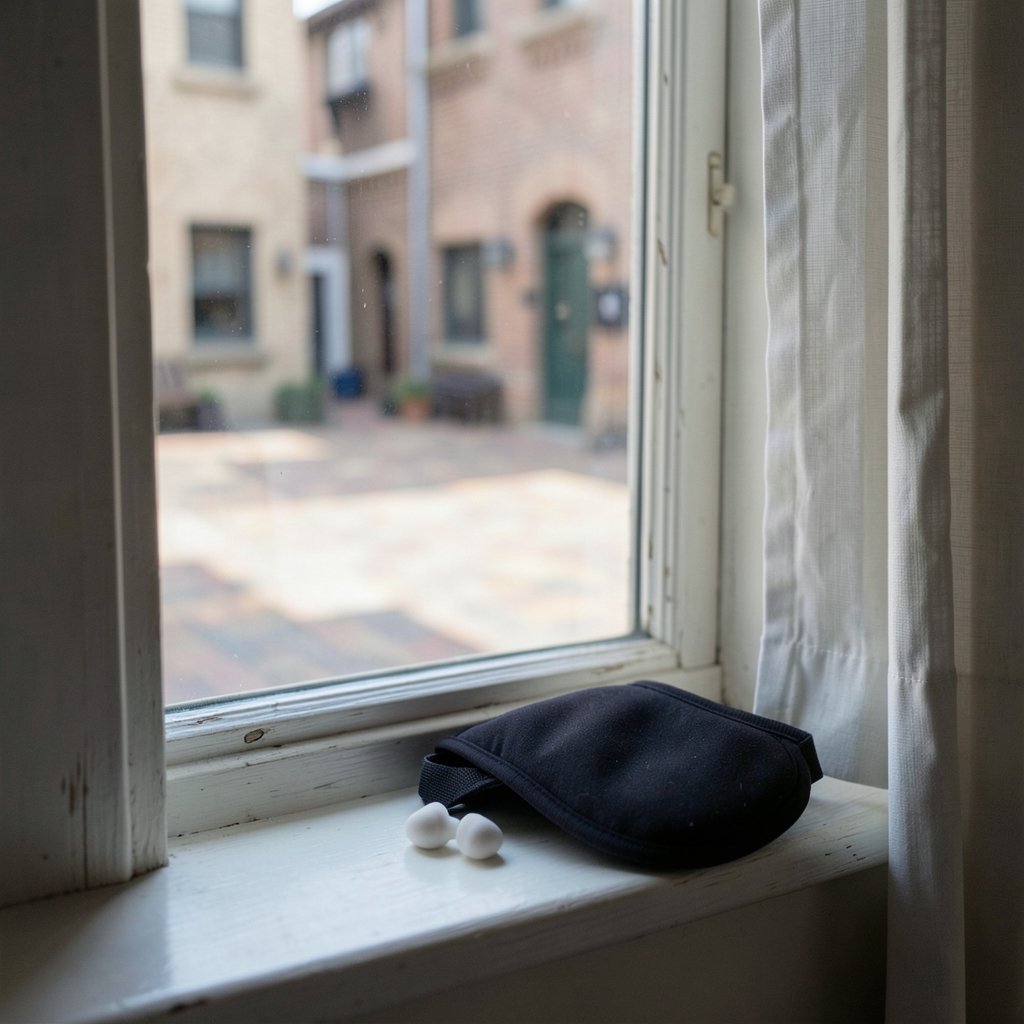
The trade-off is noise. The Gaslamp is loud on weekend nights, and some rooms face directly onto the action. Ask for a higher floor or a courtyard-facing room if you are a light sleeper.
The Bayfront and Harbor Island
The bayfront stretches from the San Diego Convention Center up toward the airport. It is calmer than the Gaslamp but still close to everything. You get water views, marinas, and easy access to the USS Midway Museum and the ferry to Coronado.
This area suits business travelers, convention attendees, and anyone who wants a view without the nighttime noise. Hotels here tend to be larger and more corporate, which means reliable service but fewer surprises. If you are weighing whether a hotel is worth the splurge, hotels that feel like a destination is a useful way to think about which properties earn their rate.
Coronado: The Island Escape
Coronado is technically a separate city, connected to downtown by a bridge and a ferry. It feels a world away. The main draw is Hotel del Coronado, which opened in 1888 and holds National Historic Landmark status. Its wooden Victorian architecture and beachfront setting make it one of the most photographed hotels in the country.
A word of caution: the Del has gone through major ownership and renovation changes in recent years. Room categories, restaurant names, and amenities shift, so confirm current details on the property’s own site before you book. Travelers sometimes reserve a “historic” room expecting ocean views and end up in a building with a parking-lot outlook. Read the room description carefully.
Beyond the Del, Coronado has smaller inns and condos that offer more space for families. The island is quiet at night, which is either the point or a drawback, depending on your plans.
La Jolla and the Coastal North
La Jolla is where the coastline gets dramatic. Coves, sea caves, and the bluffs at Torrey Pines define the area. It is also home to some of the region’s most celebrated resorts.
The Lodge at Torrey Pines sits beside the famous golf course and leans into Craftsman-style architecture. Rancho Valencia, slightly inland in Rancho Santa Fe, is a long-standing favorite for tennis, spa time, and quiet luxury. Both appear regularly in travel press rankings, though those rankings shift every year and are ultimately subjective.
La Jolla suits couples, golfers, and anyone who wants coastal scenery without downtown energy. It is less convenient for theme parks and the airport, so factor in drive time.
Mission Bay and Mission Beach: Family Territory
Mission Bay is a 4,600-acre aquatic park with calm water, bike paths, and plenty of space for kids. Hotels here range from mid-range chains to resort-style properties with pools and activities.
This is the area to book if your trip revolves around swimming, paddleboarding, and early bedtimes. It is also close to SeaWorld and Belmont Park. The downside is that dining options are thinner than downtown, and you will likely drive for dinner.
Del Mar and Carlsbad: Resort Life in North County
Del Mar is a small coastal town known for its racetrack and its low-key, upscale feel. Carlsbad, further north, is the gateway to LEGOLAND California and the region’s flower fields. Both areas lean toward resort properties with golf, spas, and large pools.
Fairmont Grand Del Mar is the classic example: a sprawling resort with a spa, golf, and a sense of seclusion. It is excellent for a pampering trip and less ideal if you want to pop into the city for dinner.
North County hotels often cost less per night than downtown or La Jolla properties for comparable quality. The trade-off is distance. If your itinerary centers on downtown and Coronado, staying in Carlsbad means a lot of highway time.
How the Main Areas Compare
| Area | Best for | Trade-offs | Typical vibe |
|---|---|---|---|
| Gaslamp Quarter | Nightlife, dining, baseball | Noise, paid parking | Urban and busy |
| Bayfront | Views, conventions, museums | Corporate feel | Calm and central |
| Coronado | Beach days, history, families | Fewer dining options | Quiet island |
| La Jolla | Couples, golf, coastal scenery | Higher rates, spread out | Upscale and scenic |
| Mission Bay | Families, water sports | Limited dining nearby | Relaxed and active |
| Del Mar and Carlsbad | Resorts, spa, theme parks | Far from downtown | Spacious and slow |
This table is a starting point, not a rule. Plenty of travelers split their stay between two areas, which is a smart move on longer trips.
What Actually Works When You Book
A few habits separate a smooth San Diego stay from a frustrating one. None of them require special knowledge, just a little planning.
- Book the area before the hotel. Decide which two or three neighborhoods match your plans, then compare properties within them.
- Check the total price, not the nightly rate. San Diego charges a transient occupancy tax on hotel stays, and parking fees at downtown and resort properties can add $30 to $70 per night. Confirm both before you commit.
- Read recent reviews for the specific room type. A hotel can be excellent overall and still have a weak room category. Look for reviews that mention your building or floor.
- Ask about resort fees. Some properties charge mandatory fees for amenities you may never use. Ask directly.
- Book early for summer and race season. July and August fill up fast, and Del Mar’s racing season draws crowds.
If your plans also include a trip up the coast, it helps to see how other cities handle their hotel scenes. The guide to the best hotels in San Francisco by neighborhood uses the same neighborhood-first logic, and the best things to do in San Diego pairs well with any hotel shortlist. (San Diego)
Common Mistakes Travelers Make
The biggest mistake is booking on price alone and ignoring location. A cheap room in a far suburb can cost more in rideshares and lost time than a pricier room near your plans.
The second mistake is assuming every beach hotel has beach access. Some properties sit on bluffs or across the highway from the sand. Check the map, rather than relying only on the marketing photos.
The third is underestimating parking. Downtown hotels often charge nightly fees, and street parking near the Gaslamp is scarce and metered. Budget for it.
Finally, many travelers overpack their itinerary. San Diego rewards slow mornings and unplanned beach time. A hotel with a good pool or a balcony is worth more than you might think.
Boutique and Design-Led Options
San Diego’s boutique scene has grown, especially downtown and in Little Italy. These smaller properties trade scale for personality: local art, small restaurants, and staff who remember your name.
Travelers who enjoy that style often plan trips around it. The same instinct drives interest in the best boutique hotels in Kyoto, where small properties define the experience. Closer to home, the best boutique hotels in Copenhagen show how design and history can coexist in a single building.
Boutique hotels in San Diego tend to book up quickly in summer, so reserve early if you have your heart set on one.
Solo Travelers and Longer Stays
San Diego is a comfortable city for solo travel. It is walkable in the core, has reliable transit along the main corridors, and offers plenty of daytime activities. Solo travelers often do best in downtown or the bayfront, where a room key and a short walk get you to dinner without a car.
For longer stays, consider extended-stay properties with kitchenettes, especially in Mission Valley or near the airport. They cost less per night than resorts and give you the option to eat in.
If you are planning a solo trip and want to compare approaches, the guide to luxury hotels that work for solo travelers covers what to look for in room layout, safety, and location. The same principles apply here.
Timing Your Visit
San Diego has mild weather year-round, which means there is no true off-season. Still, crowds and rates follow a pattern.
Summer, roughly June through August, is the busiest and most expensive stretch. Spring brings wildflowers and comfortable temperatures. Fall is often the sweet spot: warm water, smaller crowds, and softer rates. Winter is quiet, with cooler evenings and occasional rain.
If your dates are flexible, late September and October offer some of the best value of the year.
Conclusion
The best hotel in San Diego is the one that matches your trip, not the one at the top of a list. Decide whether you want nightlife, beach time, resort pampering, or family convenience. Pick the neighborhood that delivers it. Then compare properties within that area on total cost, recent reviews, and the specific room you are booking.
Do that, and the hotel stops being a place to sleep. It becomes part of the trip you came for.
Frequently Asked Questions
What is the best area to stay in San Diego for first-time visitors?
Downtown and the bayfront are the easiest starting points. They put you close to the airport, the waterfront, restaurants, and the ferry to Coronado. Travelers who want a beach-focused trip often prefer La Jolla or Coronado instead.
Is Hotel del Coronado worth the price?
It depends on what you want. The history and beachfront setting are genuinely special, and the property is a National Historic Landmark. But rates are high and room categories vary widely, so read the description carefully and confirm current amenities before booking.
Do San Diego hotels charge extra fees?
Many do. Expect a transient occupancy tax on your room rate, and check whether the property charges a resort fee or a nightly parking fee. These add up quickly, especially downtown, so ask for the total before you reserve.
When is the cheapest time to stay in San Diego?
Late September through November usually offers the best balance of weather and price. Winter is quieter and often cheaper, though evenings are cooler. Summer is the most expensive season, and Del Mar’s racing season pushes rates up further.
Should I rent a car during my San Diego stay?
It depends on your plans. If you are staying downtown and sticking to the core, you can manage without one. If you want to visit La Jolla, Coronado, and North County in the same trip, a car is far more practical than rideshares.
Are San Diego hotels good for families?
Many are. Mission Bay is the most family-friendly area, with calm water, bike paths, and proximity to SeaWorld and Belmont Park. Coronado also works well for families, though dining options are limited compared with downtown.