
Best Fun Parks in USA: Pick the Right Park for Your Crew
 Abdul WadoodLast updated

What if the difference between a legendary park day and a miserable one comes down to a single choice you make weeks before you leave home? That choice is which park you pick. The United States has hundreds of places that call themselves fun parks, and they are not interchangeable. A park that thrills a teenager can bore a five-year-old by noon. A park that feels magical in October can feel like a parking lot in July. (Amusement park)
This guide breaks down the best fun parks in the USA by what they actually do well, who they suit, and the mistakes that trip up first-timers. No hype, no rankings pulled from thin air. Just a practical map of the landscape so the trip you plan matches the people you are bringing.
What Counts as a Fun Park, Exactly?
The phrase is loose, and that looseness causes real confusion. In common use, fun park covers three very different things:
- Theme parks, built around storytelling and immersive lands, such as the Disney and Universal resorts.
- Amusement parks, built around rides and coasters, often with a long local history.
- Water parks and family entertainment centers, smaller operations with slides, arcades, and go-karts.
Knowing which category you are shopping in matters because the pricing, crowd patterns, and planning rules differ sharply. A regional amusement park might cost a fraction of a destination theme park, but it also might not have the shows, dining, or theming that make a full day feel complete. Decide which experience you want before you compare tickets.
The Destination Giants: Disney and Universal
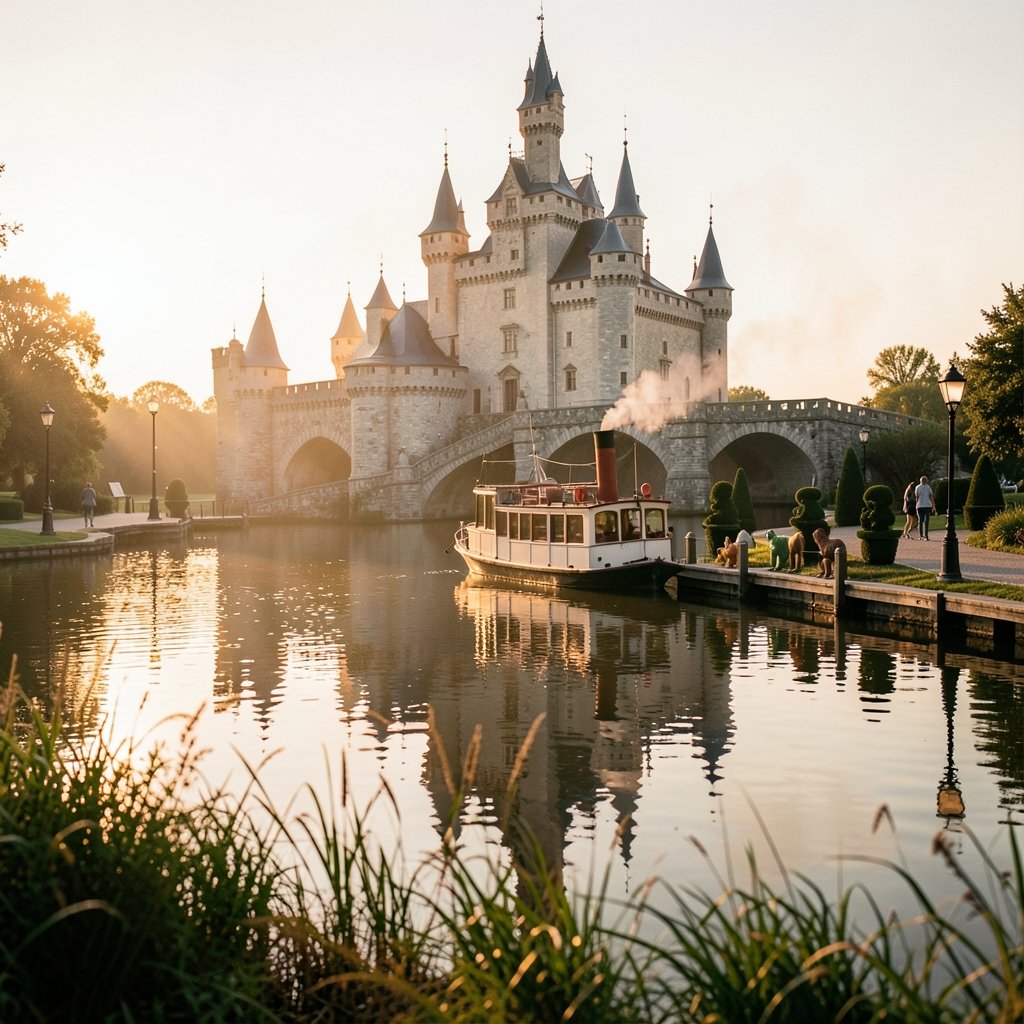
Two names dominate the conversation, and for good reason. Walt Disney World in Florida and Disneyland in California set the template that most of the industry still follows. Disneyland opened in 1955 and is widely credited with inventing the modern themed park, where rides sit inside stories rather than beside them. Magic Kingdom at Walt Disney World opened in 1971 and pushed the idea to a much larger scale.
Universal Studios parks in Orlando, Hollywood, and Japan built their reputation on movie-driven attractions and, more recently, on deeply immersive lands that blur the line between ride and set. The Orlando resort in particular has become a multi-day destination rather than a single-day stop.
What these parks do best is consistency. Ride operations are tight, accessibility programs are well documented, and food and merchandise are predictable. What they do worst is absorb a casual visit. Arriving without a plan in peak season usually means long waits and a day that feels like queue management rather than fun.
Practical tips that actually work at the big parks
- Buy tickets before you travel. Prices at the gate are almost always higher, and some parks now require date-specific reservations.
- Arrive before opening. The first ninety minutes are the calmest of the day, especially on weekends.
- Book the paid skip-the-line option only if your group hates waiting. For a family with young kids, it often changes the entire mood of the day.
- Check the accessibility services page early. Many parks require advance enrollment for disability access programs, and you cannot sign up on the day.
A common mistake is treating a multi-park resort as a two-day trip. In practice, most groups need three to four days to cover a large resort without exhausting everyone.
The Coaster Heartland: Regional Amusement Parks
Some of the most satisfying park days in America happen far from Orlando. Cedar Point in Sandusky, Ohio, is the classic example. It sits on a peninsula over Lake Erie and has spent decades stacking roller coasters, and it is frequently cited as holding the record for the most coasters at a single park. That record is genuinely contested, because parks and record keepers disagree on how to count a coaster, but the reputation is earned either way.
Regional parks like this offer something the giants struggle to match: value and pace. You can often park close to the gate, ride world-class coasters, and be back at your hotel by dinner. The trade-off is thinner theming and fewer non-ride attractions, which matters if part of your group does not ride coasters.
| Park type | Best for | Watch out for |
|---|---|---|
| Destination theme park | Multi-day families, first-timers | Cost, crowds, planning load |
| Regional amusement park | Coaster fans, budget trips | Fewer shows and indoor options |
| Water park | Hot-weather trips, teens | Weather closures, sun exposure |
| Family entertainment center | Short visits, young kids | Limited full-day value |
If your group splits between thrill-seekers and nervous riders, a regional park with a strong flat-ride and show lineup usually beats a coaster-only park. Check the ride list before booking, not after.
Water Parks and the Summer Problem
Water parks solve a specific problem: heat. They are also the most weather-sensitive fun parks in the country. A single afternoon thunderstorm can shut slides for hours, and many parks do not refund for weather.
The practical fix is to book water parks midweek, arrive at opening, and claim shade early. Lockers sell out. Sunscreen needs reapplying more often than most people manage. And if you are traveling with very young children, check the height requirements before you promise anyone a slide.
For coastal trips where the beach is the main event, it often makes more sense to pair a water park day with a broader plan. A guide to the best beaches in California for a practical pick is a useful starting point, since beach and water park days compete for the same slot in the itinerary.
Matching the Park to the People
The single biggest planning error is choosing a park by reputation instead of by group. A park ranked highly by coaster enthusiasts can be a poor fit for a family with a four-year-old. A park beloved by toddlers can leave teenagers flat.
Ask three questions before you book:
- What is the age spread? A two-year gap is easy. A twelve-year gap needs a park with strong variety.
- How much walking can everyone handle? Large resorts regularly involve eight to ten miles a day.
- What is the budget per day, all in? Tickets are only part of it. Parking, food, and extras often add fifty percent or more.
Families with young children tend to do best at parks with dedicated small-child areas, short walk times between lands, and indoor shows for midday breaks. A roundup of the best family vacations in the US where kids actually have fun is worth reading alongside park research, because the surrounding destination often matters as much as the park itself.
Beyond Rides: The Experience Parks
A newer category has quietly grown: parks that sell an experience rather than a ride count. Think bowling lounges with full menus, arcade-and-dining hybrids, and upscale entertainment venues where the food is part of the draw.
Splitsville Luxury Lanes is a good example of the model, combining bowling, dining, and a polished setting in a way that appeals to groups who want a fun evening without a full park day. If that format sounds appealing, this explainer on Splitsville Luxury Lanes and the upscale bowling formula covers how it works in practice. These venues are not replacements for theme parks, but they fill rainy afternoons and rest days well.
Timing Changes Everything
The same park can feel like two different places depending on when you go. School calendars drive crowds more than weather does. Late June through mid-August is peak everywhere. Late August through September is often the sweet spot: warm enough for water rides, quiet enough to walk on.
Season also reshapes which parks are worth visiting at all. Some destinations are defined by their season, and picking the wrong month wastes the trip. A guide to the best places to visit in the USA where season decides the trip explains how that logic works for destinations generally.
For a broader timing framework, the 2026 USA destination timing guide lays out when different regions pay off. And if your park trip is really an outdoor adventure in disguise, the best adventure travel spots in the USA for hiking and surfing covers the non-park side of the same coin.
Mistakes That Ruin Park Days
Most bad park days trace back to a handful of avoidable errors.
- Buying tickets at the gate. Higher price, longer line, no benefit.
- Skipping the park app. Wait times, show schedules, and mobile ordering all live there.
- Scheduling a rest day too late. Groups burn out on day three, not day six.
- Ignoring height requirements. Check them per ride before promising anything.
- Overpacking. Lockers cost money and slow you down.
- Assuming food is quick. Mobile order slots fill by late morning at busy parks.
The pattern behind all of these is the same: the parks reward preparation and punish improvisation. Thirty minutes of research before booking saves hours in the park. (About IAAPA)
Accessibility and Safety Basics
Accessibility at US parks is governed by the Americans with Disabilities Act, which applies to places of public accommodation. Parks generally offer detailed access programs, but many require you to enroll in advance and provide documentation. Do not assume you can sort it out at guest services on arrival.
On safety, ride oversight in the United States is largely handled at the state level rather than by a single federal regulator for fixed-site parks. That means standards and inspection rules vary by state. It is worth knowing before you assume uniformity.
Conclusion
The best fun parks in the USA are not the ones with the longest ride lists. They are the ones that match your group’s ages, energy, budget, and tolerance for crowds. Destination resorts like Disney and Universal deliver polish and scale, but they demand planning. Regional parks like Cedar Point deliver world-class coasters at a fraction of the cost, with less walking and thinner theming. Water parks solve heat but are fragile in bad weather. Experience venues fill the gaps.
Pick by fit, book early, arrive at opening, and build in a rest day before anyone needs it. Do that, and the park becomes the highlight of the trip rather than the part everyone remembers with a wince.
Frequently Asked Questions
What is the best fun park in the USA for families with young kids?
Parks with dedicated small-child areas, short walking distances, and indoor shows work best. The Disney parks are the most consistent choice because their accessibility programs, rider-swap policies, and food options are well documented. Regional parks can work well too if you check the height requirements and ride list first.
How much should a park day cost per person?
Budget for more than the ticket. Parking, food, drinks, and extras frequently add fifty percent or more to the ticket price at large resorts. Regional parks are usually cheaper across the board, including parking and meals, which makes them a strong option for budget-conscious groups.
Is Cedar Point really the park with the most roller coasters?
It is frequently cited as holding that record, and it has been a coaster destination for decades. The count itself is contested, because parks and record keepers define and count coasters differently. What is not in dispute is that it offers an unusually dense collection of major coasters in one place.
When is the best time to visit a US fun park?
Late August through September usually offers the best balance of warm weather and lighter crowds. Peak season runs from late June through mid-August, when school is out. Midweek visits are consistently calmer than weekends in every season, and arriving before opening gives you the quietest ninety minutes of the day.
Do US fun parks have to accommodate disabilities?
Yes. The Americans with Disabilities Act applies to places of public accommodation, which includes amusement and theme parks. In practice, parks run their own access programs, and many require advance enrollment and documentation, so contact the park well before your visit rather than sorting it out at the gate.
Are water parks worth it if the weather might turn?
Only if you can absorb a closure without ruining the trip. Water parks are the most weather-sensitive fun parks, and many do not refund for weather. Book midweek, arrive at opening, and keep a backup indoor plan. If your trip is short, a beach day often offers more flexibility for similar cost.