
Best Destinations to Visit in USA: 2026 Timing Guide
 Abdul WadoodLast updated
What if the biggest mistake travelers make in the United States isn’t picking the wrong place, but picking the wrong month for the right place?
That single question reshapes the whole planning process. The U.S. is enormous. A destination that feels magical in late September can feel like a crowded parking lot in mid-July. So instead of handing over a ranking of “best” spots, this guide groups destinations by what they actually deliver: reliable weather, manageable crowds, and a clear reason to choose them over somewhere else.
Why “Best” Depends on the Month as Much as the Map
Travel writers love lists. Travelers need timing.
A few practical realities shape every recommendation below:
- Shoulder seasons win on value. Spring and fall generally bring lower prices and thinner crowds at most U.S. destinations. This is a long-standing pattern in the travel industry, not a single statistic, but it holds almost everywhere.
- Reservation systems are now normal. Several heavily visited national parks have used timed-entry or advance reservation systems in recent years. Policies get revisited annually, so check each park’s official site before booking.
- Weather normals beat guesswork. Month-by-month climate averages are the most reliable planning tool available, and they’re free to check.
That last point matters more than people think. A traveler who checks climate normals before booking avoids the classic blunder of arriving in the desert Southwest in July or the Pacific Northwest in a rainy stretch of November.
The National Parks: America’s Biggest Draw
The National Park Service tracks recreation visits across its units every year, and the totals have hovered around 300 million annually in recent years. That scale tells you something important: parks are not niche attractions. They are the main event for a huge share of visitors.
Great Smoky Mountains National Park
Great Smoky Mountains has long ranked as the most-visited national park in the country, drawing tens of millions of visits a year. It sits within a day’s drive of much of the eastern U.S., which explains both its popularity and its traffic.
What works in practice: visit midweek, arrive at trailheads before 8 a.m., and treat October leaf season as a bonus rather than the whole plan. The park is at its most pleasant in late spring, when wildflowers arrive and summer humidity hasn’t settled in.
Zion, Arches, and Glacier
These three parks became famous enough that demand outpaced infrastructure. Each has experimented with timed-entry or shuttle-based access in recent years.
Common mistake: assuming a reservation bought months ago still matches current rules. It might not. Check the park’s own site the week before you travel.
What actually works: pair a crowded flagship park with a lesser-known neighbor. Instead of three days in Zion alone, split time between Zion and a quieter unit nearby. You get the icons without spending your whole trip in a queue.
Coastal Cities That Reward Smart Timing
New York City
New York remains one of the top gateways for international arrivals into the U.S., alongside Miami, Los Angeles, and San Francisco. Inbound arrival data is published by the federal agency that tracks international travel to the States, and it consistently shows these four cities leading.
The city is a year-round destination, but the experience varies wildly. Late September through early November offers the best combination of mild weather and walkable streets. August is hot and sticky. January is cheap and cold. If budget matters, January wins; if comfort matters, October wins.
For travelers building a broader East Coast itinerary, it helps to think in seasons rather than checklists. A resource like this guide to best places to visit in November when the season actually works is more useful than a generic top-ten list, because it filters by month.
San Francisco and the Pacific Coast
San Francisco’s climate is famously odd: fog in summer, warmth in fall. September and October are often the sunniest months, which surprises first-time visitors who assume July is peak.
Practical tip: layer clothing even in summer. The city’s microclimates mean you can leave a sunny neighborhood and hit fog within twenty minutes.
The Southwest: Big Landscapes, Narrow Windows
The desert Southwest is one of the most photographed regions on earth, and also one of the easiest to visit at the wrong time.
| Destination | Best Months | Why | Watch Out For |
|---|---|---|---|
| Sedona, Arizona | March–May, Sept–Nov | Mild temps, clear trails | Summer heat above 100°F |
| Moab, Utah | April–May, Sept–Oct | Arches and Canyonlands access | Summer crowds and heat |
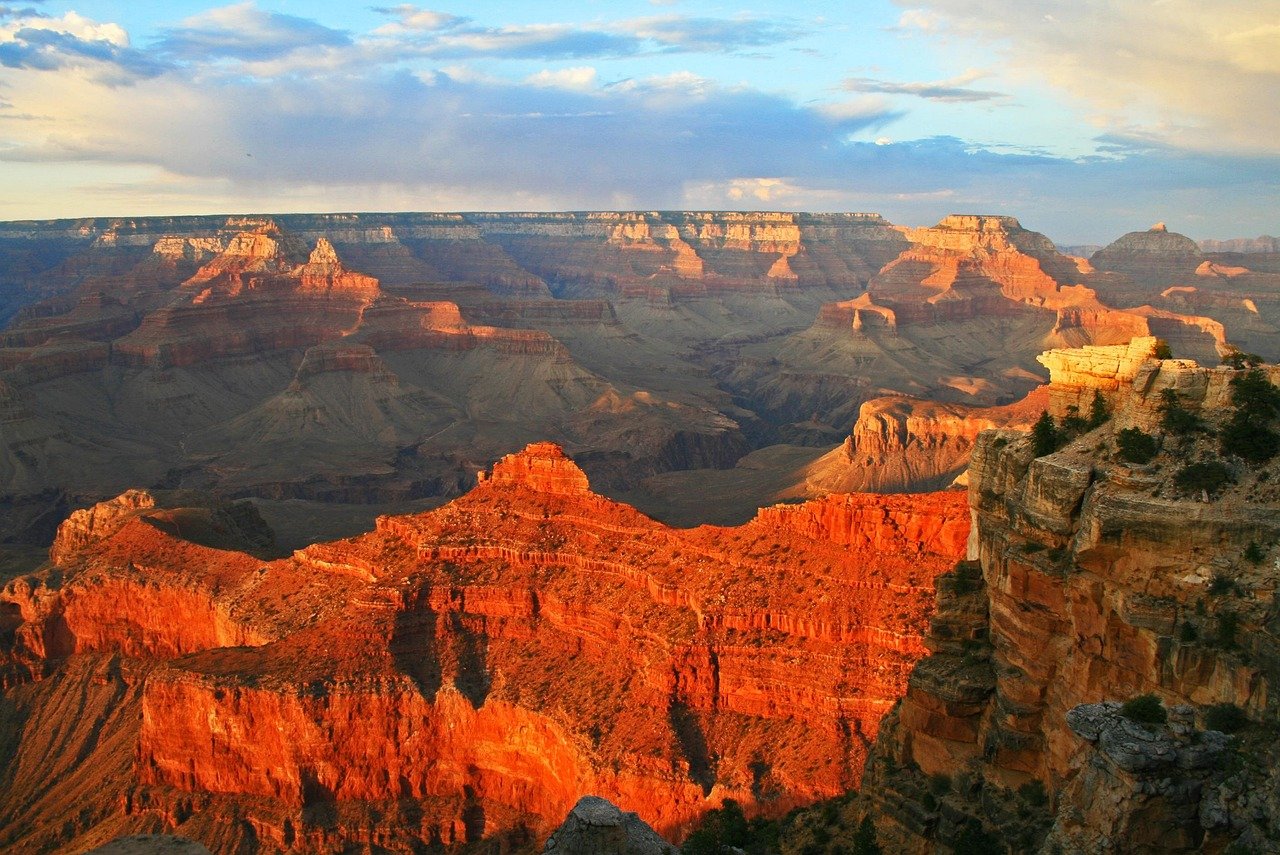
| Grand Canyon South Rim | May, Sept–Oct | Visibility, comfortable hiking | Winter ice on trails |
| Las Vegas | Oct–April | Walkable Strip weather | July heat |
The pattern is consistent: spring and fall deliver, summer punishes. Anyone planning a road trip through this region should build the itinerary around elevation and shade, not around distance on a map.
For travelers who want warmth without the desert extremes, southern options deserve a look. This roundup of best places to visit in Mexico when it works covers nearby alternatives that share the climate but not the crowds.
Mountain and Northern Destinations
The Rockies and Colorado
Colorado splits into two travel products. Summer brings hiking, wildflowers, and high-country cool. Winter brings skiing, and with it some of the highest lodging prices in the country.
What actually works: visit in late September. Aspen trees turn gold, summer crowds leave, and hotel rates drop sharply before ski season begins. It’s arguably the single best-value window in the Mountain West.
The Pacific Northwest
Seattle and Portland reward travelers who accept the rain rather than fight it. July through September is reliably dry and gorgeous. The rest of the year is gray but green, and prices reflect it.
For a northern neighbor perspective, this guide to best places to visit in Canada when the trip pays off covers the cross-border options that pair naturally with a Pacific Northwest itinerary.
Warm-Weather Escapes: Florida, Hawaii, and the South
Florida
Florida is a tale of two coasts and two seasons. Winter is peak season, with snowbirds driving up prices from January through March. Summer is hot, humid, and storm-prone, but far cheaper.
Common mistake: booking a summer beach trip without checking hurricane season awareness. Late summer and early fall carry elevated storm risk. Travel insurance and flexible bookings are worth the small extra cost.
Hawaii
Hawaii is expensive and worth planning carefully. Each island has a distinct personality: Oahu for city and surf, Maui for resorts and road trips, the Big Island for volcanoes and scale, Kauai for lush scenery.
Practical tip: book inter-island flights early and don’t try to see four islands in seven days. Two islands in ten days is a far better trip than four in seven.
The South
Charleston, Savannah, and New Orleans each deliver architecture, food, and atmosphere. Spring and fall are ideal. Summer humidity in New Orleans is genuinely brutal, and locals will tell you so.
How to Choose Without Regret
A simple decision framework beats a long list:
- Pick your season first. Decide when you can travel, then choose destinations that peak in that window.
- Check climate normals. Month-by-month averages are the most honest planning tool available.
- Verify reservation rules. Parks and popular attractions change policies annually.
- Build in one quieter stop. Pairing an icon with a lesser-known neighbor improves almost every trip.
- Book flexible. Weather and crowds are unpredictable; refundable rates are worth the premium.
This is also where month-specific planning pays off. A guide to best places to visit in February where winter works in your favor will serve a winter traveler better than any general ranking, because it assumes the constraint instead of ignoring it. (UNESCO: World Heritage and Cultural Heritage Overview)
Travelers weighing an international trip against a domestic one should also consider how much planning each requires. A resource on best places to visit in Japan and where to go when is useful precisely because it applies the same seasonal logic to a very different country.
Mistakes That Ruin Otherwise Good Trips
A few patterns show up again and again among travelers who come home disappointed:
- Overpacking the itinerary. Three cities in five days means three airports and no memories.
- Ignoring distance. Driving from Las Vegas to Yellowstone looks reasonable on a map. It isn’t.
- Booking peak season by default. School schedules force some of this, but families who can shift to late August often save significantly.
- Skipping the reservation check. Timed-entry systems have caught out plenty of well-prepared travelers.
- Underestimating altitude. Denver, Santa Fe, and much of the Mountain West sit high enough to cause genuine fatigue on day one.
None of these are exotic problems. They’re ordinary planning failures, and each one is easy to fix with a calendar and a browser tab.
Conclusion
The best destinations to visit in the USA aren’t a fixed list. They’re a match between a place, a season, and a traveler’s tolerance for crowds and cost.
National parks deliver scale and spectacle but demand early starts and reservation awareness. Coastal cities offer year-round energy but reward visitors who pick their months. The Southwest and Mountain West shine in spring and fall and punish summer visitors. Florida and Hawaii trade peak-season prices for peak-season weather, and the trade is usually fair.
The travelers who come home happiest tend to be the ones who planned around timing rather than prestige. They checked the climate averages. They confirmed the reservation rules. They built in one quiet stop between the icons. And they left a little room for the trip to surprise them.
Pick the season first. The destination will follow.
Frequently Asked Questions
What is the single best destination to visit in the USA for a first-time visitor?
There is no universal answer, but New York City works well for first-timers because it’s a major international gateway with dense, walkable attractions and year-round access. Travelers who prefer nature over cities often do better starting with a national park that has strong infrastructure, like the Grand Canyon’s South Rim.
When is the best time to visit US national parks?
Late spring and early fall generally offer the best balance of weather, access, and crowd levels. Summer is peak season at most parks, which means full campgrounds and heavy trail traffic. Winter can be excellent in desert parks like Death Valley but closes many roads at higher elevations.
How far in advance should I book a US trip?
For popular national parks and major cities during peak season, three to six months is a reasonable window. Lodging inside parks often books up a year ahead. For shoulder-season city trips, six to eight weeks is usually enough to secure good rates.
Is it cheaper to visit the USA in winter?
Often, yes, with big exceptions. Ski towns and warm-weather escapes like Florida and Hawaii charge premium rates in winter. Cities like New York, Chicago, and Boston tend to be cheaper in January and February, though cold weather limits outdoor activity.
Do I need reservations for national parks?
Some heavily visited parks have used timed-entry or advance reservation systems in recent years, and policies change annually. Always check the specific park’s official site before traveling rather than relying on older guides or forum posts.
How many destinations should I include in a one-week US trip?
One or two. A week is enough for a single city plus a nearby day trip, or one national park with surrounding stops. Trying to cover three or more destinations in seven days usually means spending most of the trip in transit.