
Best Exotic Marigold Hotel: Why This 2011 Comedy Still Charms
 Abdul WadoodLast updated
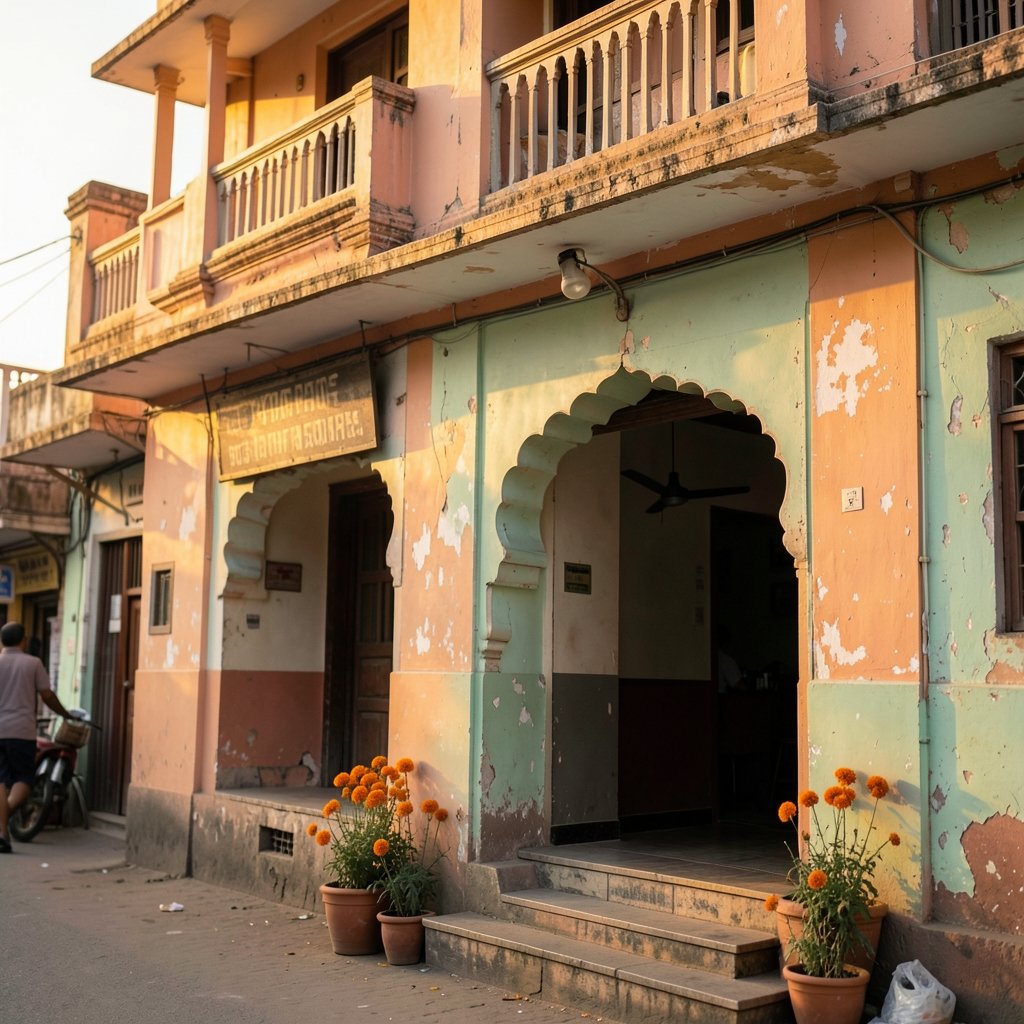
A group of British retirees, lured by a glossy brochure that promises luxury and leisure, arrives in Jaipur and finds a crumbling hotel with chipped paint, a cheerful young manager, and no working phone line. That premise drives The Best Exotic Marigold Hotel, a 2011 British comedy-drama that turned a modest budget into a global box-office surprise and gave a generation of older actors the kind of leading roles Hollywood rarely writes for them. (Tagetes (marigold genus))
The film is often remembered as a gentle crowd-pleaser, but it is also a sharper piece of work than its sunny marketing suggests. It deals with grief, financial worry, illness, loneliness, and the tricky business of starting over late in life, all while wrapping those themes in warm humor and the chaos of an Indian city. This article explains what the film is, who made it, what it is really about, and why it continues to find new audiences more than a decade after release.
What Is The Best Exotic Marigold Hotel About?
The premise is simple and instantly funny. Seven British strangers, all past retirement age and all facing some private crisis, see an advertisement for a retirement hotel in Jaipur that promises care, comfort, and luxury at a price they can afford. They book, they fly, and they discover the truth: the hotel is run-down, half-finished, and held together by the relentless optimism of its young manager, Sonny.
The film follows each traveler as they settle into the hotel and into India itself. Some adapt quickly, charmed by the noise and color of the city. Others resist, complaining about the food, the heat, and the lack of a proper bath. Over the course of the story, each character confronts the reason they left Britain in the first place, and most of them find something they did not expect: friendship, purpose, or a second chance at love.
The Source Novel
The film is based on Deborah Moggach’s 2004 novel These Foolish Things. The novel’s title comes from a 1936 popular song of the same name, which gives the story its melancholy undertone of nostalgia and regret. The book and film share the central premise, but they differ in detail, and readers who come to the film first often find the novel a richer, more bittersweet experience.
Who Made the Film and Who Stars in It?

The film was directed by John Madden, a British filmmaker best known for Shakespeare in Love, and written by Ol Parker. It was released in 2011 and became one of the year’s more unlikely commercial successes.
The cast is the film’s greatest asset, and it is worth listing because the ensemble is the reason the movie works:
| Actor | Character |
|---|---|
| Judi Dench | Evelyn Greenslade |
| Maggie Smith | Muriel Donnelly |
| Bill Nighy | Douglas Ainslie |
| Penelope Wilton | Jean Ainslie |
| Tom Wilkinson | Graham Dashwood |
| Celia Imrie | Madge Hardcastle |
| Ronald Pickup | Norman Cousins |
| Dev Patel | Sonny Kapoor |
Dench plays a recently widowed woman who has never managed her own finances and must learn to support herself. Smith plays a retired housekeeper with a sharp tongue and a secret fear of hospitals. Wilkinson plays a high court judge who returns to India to resolve something from his youth. Patel, then early in his career, plays the hotel’s indefatigable manager, whose blend of bravado and genuine kindness holds the whole enterprise together.
The film’s willingness to build a story around actors in their sixties and seventies was unusual then and remains unusual now. It is one of the reasons the movie is frequently discussed in conversations about ageism in the film industry.
Why Did the Film Become Such a Hit?
On paper, a comedy-drama about pensioners in India should have been a niche release. Instead, it became a genuine word-of-mouth phenomenon, earning well over $100 million worldwide against a modest budget. The exact box-office total varies by source and reporting date, but the scale of its success is not in dispute.
Several factors explain the appeal. First, the film treats its older characters as full people with desires, mistakes, and complicated histories, rather than as comic relief or objects of pity. Second, it balances humor with real emotional weight, so audiences leave feeling uplifted without feeling manipulated. Third, the setting does a lot of work: Jaipur is filmed with obvious affection, and the city becomes a character in its own right.
The film also arrived at a moment when many viewers were thinking about retirement, aging parents, and the cost of growing old. Its central joke, that a retirement abroad might be cheaper than one at home, was not purely fictional. That resonance helped it travel far beyond its expected audience.
The Sequel and the Expanded Story
A sequel, The Second Best Exotic Marigold Hotel, was released in 2015, again directed by John Madden. It picks up with the hotel now thriving and Sonny planning to expand, while the original guests navigate new romantic and family complications. The sequel was less warmly received by critics but still found an audience among viewers who had grown attached to the characters.
If you enjoy the first film, the sequel is worth watching as a reunion rather than as a standalone story. It assumes you already care about these people, and it rewards that care with a gentle, if less surprising, continuation.
What the Film Says About Aging, Money, and Starting Over
Strip away the postcard scenery and the film is asking a pointed question: what happens to people who reach retirement and find that the life they planned is no longer affordable or available?
Evelyn, the Dench character, discovers that her late husband left her with debt and no practical skills for managing money. Douglas and Jean, played by Nighy and Wilton, are a long-married couple whose relationship has quietly worn thin. Muriel, the Smith character, is facing a medical system she does not trust and a future she cannot afford. None of these problems are solved by the colorful setting. They are simply confronted in a place where the usual routines no longer apply.
This is why the film resonates with older viewers in particular. It does not pretend that aging is easy or that a change of scenery fixes everything. Instead, it suggests that reinvention is possible, but only if a person is willing to be uncomfortable for a while.
Practical Lessons for Real Travelers
The film is a comedy, but it accidentally offers a useful checklist for anyone considering a long stay abroad in retirement:
- Verify the accommodation independently before committing to a long booking, ideally through recent reviews and direct contact with the property.
- Understand the local healthcare system and whether your insurance covers it.
- Budget for more than the advertised price, since hidden costs are common in long stays.
- Learn at least basic phrases in the local language.
- Build a social routine early, because isolation is the most common problem for long-stay retirees abroad.
That last point is where the film is most honest. The characters who thrive are the ones who engage with the place and the people around them, rather than trying to recreate Britain inside the hotel walls.
Hotels That Feel Like a Destination
Part of the film’s enduring appeal is the way the hotel itself becomes a character. The Best Exotic Marigold Hotel is shabby, chaotic, and frequently ridiculous, but it is also alive. Guests gather in the courtyard, share meals, argue, and gradually form a community. That sense of place is something many real travelers actively seek out, and it is the subject of a broader conversation about hotels that feel like a destination rather than simply a place to sleep.
The film also quietly makes the case for smaller, characterful properties over polished international chains. If you are weighing that choice for your own trip, it helps to understand the trade-offs between a luxury villa and a luxury hotel in terms of cost, privacy, and service, since the Marigold’s appeal lies precisely in the informal, communal atmosphere a large resort often lacks.
Modern hotel design has moved in interesting directions since 2011, and some of the amenities that would have seemed futuristic to the Marigold’s guests are now standard. A look at the smart hotel room features that actually improve a stay shows how much the guest experience has changed, and how much of what makes a hotel memorable still comes down to people rather than technology.
Common Mistakes Viewers and Travelers Make
The most common mistake viewers make with this film is assuming it is pure light entertainment. It is funny, but it is also a film about grief, disappointment, and the fear of being invisible in old age. Watching it as a straightforward comedy means missing much of what makes it work.
The most common mistake travelers make, inspired by the film, is romanticizing the idea of a cheap retirement abroad without doing the research. The Marigold’s guests are fictional, but the pattern is real: people book long stays based on glossy marketing and discover that the reality is more complicated. The film is honest about this, which is part of its charm. (Ageing and health)
A third mistake is dismissing the film because of its sequel or its reputation as gentle entertainment. The original stands on its own, and the performances, particularly from Dench and Smith, are among the best either actor gave in that decade.
How the Film Fits Into a Broader Conversation About Casting
The film’s success raised a question the industry still struggles with: why are stories about older people treated as risky? The ensemble was stacked with acclaimed actors, many of whom had spoken publicly about the scarcity of good roles for women over sixty. The film’s commercial performance undercut the assumption that older audiences will not turn out for films aimed at them.
That argument has only grown louder since 2011, as streaming platforms have discovered that older viewers are a substantial and loyal audience. The Marigold Hotel films are frequently cited in that discussion, not because they are radical, but because they proved a simple point: well-told stories about older characters can find a large audience if someone bothers to make them.
Conclusion
The Best Exotic Marigold Hotel is a film that wears its warmth on its sleeve but hides real substance underneath. It is a comedy about a terrible hotel, a drama about money and mortality, and a quiet argument for giving older actors something worth playing. More than a decade after release, it remains a reliable comfort watch and a genuinely useful starting point for conversations about retirement, travel, and what it means to begin again.
Whether you come to it for the cast, the setting, or the gentle humor, the film rewards attention. It is at its best when it lets its characters sit with their disappointments rather than rushing to fix them, and that patience is exactly what has kept audiences coming back.
Frequently Asked Questions
Is The Best Exotic Marigold Hotel based on a true story?
No. The film is based on Deborah Moggach’s 2004 novel These Foolish Things, which is a work of fiction. The novel was inspired by the general phenomenon of British retirees moving abroad for cheaper living costs, but the characters and the hotel are invented.
Who directed The Best Exotic Marigold Hotel?
The film was directed by John Madden, best known for Shakespeare in Love. It was written by Ol Parker and released in 2011.
Is there a sequel to The Best Exotic Marigold Hotel?
Yes. The Second Best Exotic Marigold Hotel was released in 2015, again directed by John Madden. It continues the stories of the original guests and Sonny’s plans to expand the hotel.
Where was The Best Exotic Marigold Hotel filmed?
The film is set in Jaipur, India, and much of it was shot on location there, with additional work done in the United Kingdom. The hotel itself is a fictional creation assembled for the story rather than a single real property.
What is the film actually about?
On the surface it is about British retirees who move into a run-down hotel in India. Beneath that, it is about grief, financial insecurity, loneliness, and the possibility of reinvention in later life. The comedy is the delivery system for those themes, not a replacement for them.
Is The Best Exotic Marigold Hotel suitable for younger viewers?
The film is rated PG-13 in the United States and 12A in the United Kingdom. It contains some mild language and mature themes, including discussions of illness, death, and relationships, but no significant violence or explicit content. It is generally considered appropriate for teenagers and adults.