
How to Pack Designer Shoes for Travel (2026 Guide)
 Abdul WadoodLast updated
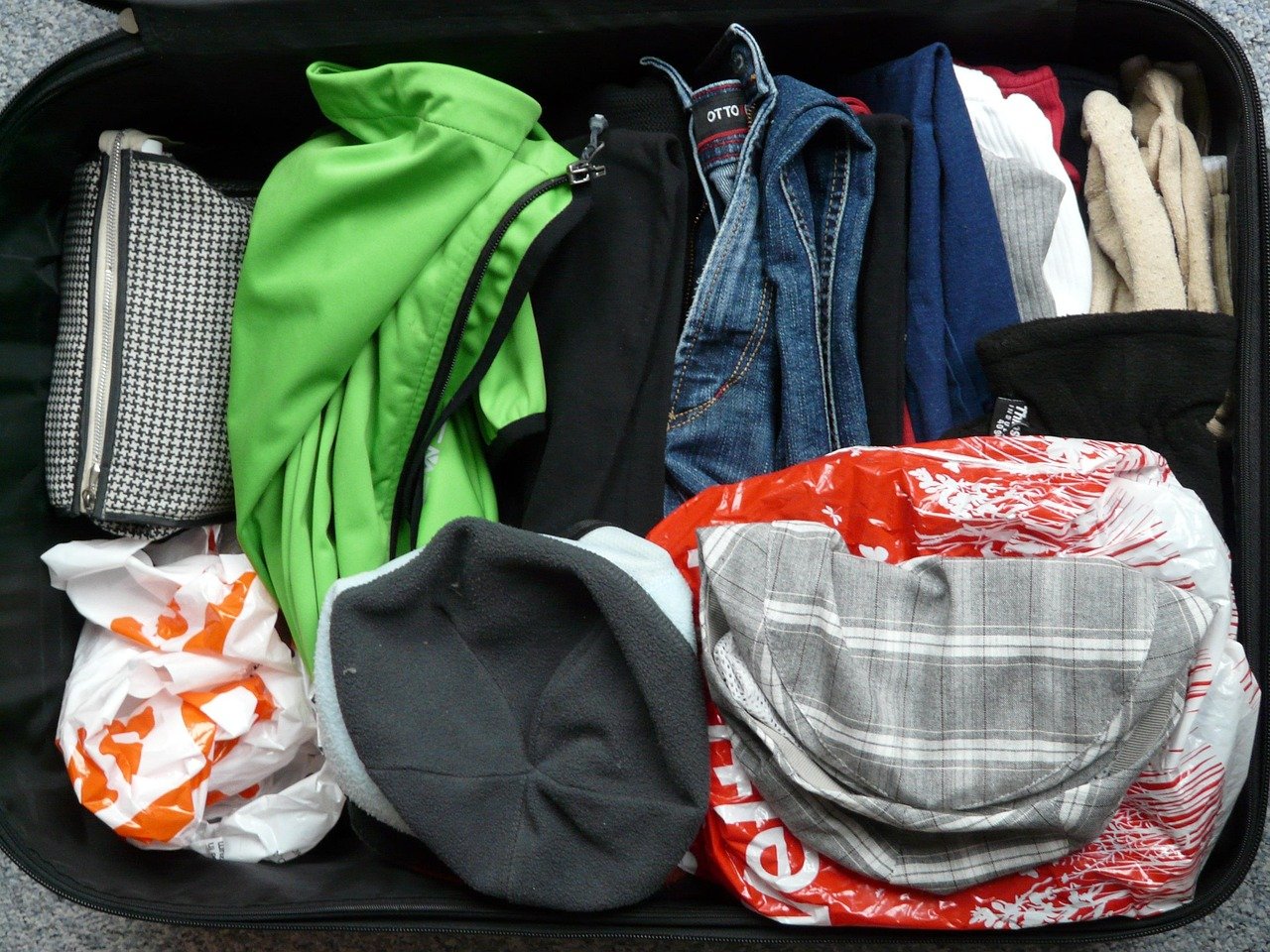
A single crushed heel or a scuffed toe can turn a carefully planned trip into an expensive repair bill. Leather conservation specialists have long warned that pressure, moisture, and abrasion are the three quiet killers of fine footwear, and all three are present in a packed suitcase. The good news: a few deliberate habits, applied before the zipper closes, protect shoes worth hundreds or thousands of dollars. This guide walks through the practical method, the common mistakes, and the small details that separate a shoe that survives the journey from one that arrives looking tired.
Why Designer Shoes Need Special Treatment
Fine shoes are built differently from everyday pairs. Leather uppers are often thinner and more supple, soles may be leather rather than rubber, and decorative hardware, hand-stitching, and exotic skins are far less forgiving of pressure and friction. A sneaker can be jammed into a corner; a pair of calfskin loafers or suede boots cannot.
Moisture is the second issue. Leather breathes. When sealed inside a non-porous bag for hours, trapped humidity can encourage mildew and dull the finish. A suitcase in a hot cargo hold or a humid hotel room makes the problem worse. The lesson is simple: shoes need structure and airflow, not padding alone.
There is also a design angle worth noting. The same craftsmanship that makes a shoe beautiful in a shop window is what makes it fragile in transit. Thin soles, exposed stitching, and delicate hardware all demand care. (Art, Design & Modern Trends)
Prep Your Shoes Before They Go Near a Suitcase
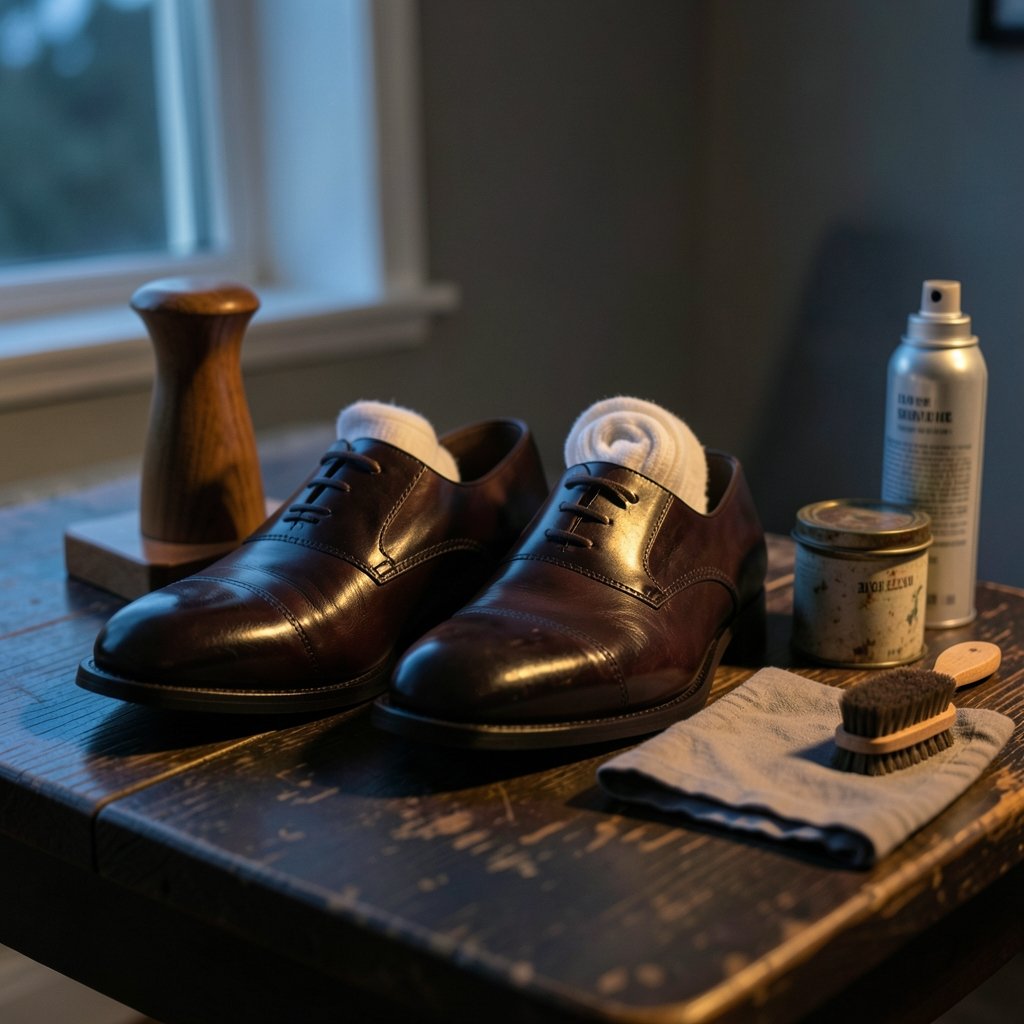
Packing actually starts a day or two before departure. Skipping this stage is the most common mistake travelers make, and it is the one that causes the most damage.
Clean and condition first
Wipe leather with a soft cloth and apply a light conditioner. Dust and grit act like sandpaper under pressure, so a clean shoe resists scuffs better. For suede, brush the nap and treat it with a protective spray well ahead of time so it can dry fully.
Let everything dry completely
Never pack a shoe that is damp from rain, cleaning, or sweat. Even a slightly humid shoe sealed in a bag for a long flight can develop odor and mildew. Give footwear a full day to air out. (Shoe)
Stuff the shape back in
Shoe trees or tightly rolled socks hold the shoe’s form and absorb pressure from other items. This single step prevents the collapsed heel that no amount of polishing can fix. Cedar trees are ideal at home, but for travel, lightweight plastic or foam inserts work well and add almost no weight.
Choose the Right Protection for Each Pair
Not all shoes need the same treatment. Matching the protection to the material prevents both damage and wasted space.
| Shoe type | Best protection | Watch out for |
|---|---|---|
| Smooth leather (oxfords, loafers) | Individual cotton or flannel dust bag | Trapped moisture on long trips |
| Suede and nubuck | Breathable cloth bag plus a soft brush | Crushing and water exposure |
| Patent leather | Soft cloth wrap, kept apart from other shoes | Sticking or transfer marks |
| Exotic skins | Hard-sided case or firm box | Pressure and humidity |
| Sneakers with hardware | Padded bag, buckles wrapped | Scratches on other items |
The debate over plastic versus breathable bags is real. Plastic is cheap and waterproof, but it seals in humidity. Cloth bags let leather breathe and are the safer default for anything made of natural material. Reserve plastic only for genuinely wet items, and even then, use it as a short-term fix.
The Step-by-Step Packing Method
Here is a sequence that works for a weekend bag or a checked suitcase alike.
- Stuff each shoe with a tree, sock roll, or crumpled tissue to hold its shape.
- Wrap the hardware. Buckles, zippers, and metal heel tips get a layer of soft cloth or foam so they cannot scratch neighboring items.
- Bag each shoe separately. One bag per shoe prevents polish from transferring onto the other shoe and stops scuffing during movement.
- Pair them sole-to-sole or heel-to-toe. Facing soles together saves space; alternating heel and toe fits odd shapes into gaps.
- Place the heaviest pairs at the wheel end of a rolling suitcase, closest to the base, so the bag stays balanced and stable.
- Fill the hollows. Slip socks, belts, or small accessories inside and around the shoes to use dead space and add cushioning.
- Top with soft items. Clothing layered over the shoes acts as a final shock absorber.
That last step matters more than people expect. A folded sweater over a pair of boots absorbs the jolt when the suitcase is dropped, and suitcases do get dropped.
Packing Shoes in a Carry-On Versus Checked Baggage
The rules change depending on where the bag is going.
In a carry-on, space is tight and every item is visible to security. Wear the bulkiest pair on travel day and pack only one or two lighter options. Keep shoes in their bags so they do not dirty clothing, and place them near the top for easy removal if a security check requires it. (Voozon Travel)
In checked baggage, weight and pressure are the enemies. Heavier shoes go at the bottom, near the wheels. Hard-sided cases offer more protection for structured shoes, while soft cases need extra padding around the toes and heels. If a bag is packed tight, shoes can be crushed by the frame itself, so leave a little breathing room.
One practical tip that saves headaches: photograph your packed shoes and their bags before closing the case. It sounds fussy, but it makes repacking on the return leg far quicker and helps you notice if something is missing.
Common Mistakes That Damage Designer Shoes
Most damage is avoidable, and it usually comes from a handful of habits.
- Packing shoes dirty. Grit becomes abrasive under pressure. Clean first.
- Skipping shoe trees or stuffing. Unstuffed shoes collapse and crease.
- Using one bag for both shoes. They scuff each other, and polish transfers.
- Sealing leather in plastic. Trapped moisture causes mildew and dullness.
- Packing damp shoes. Always dry thoroughly before a trip.
- Cramming without padding. Hardware scratches whatever it touches.
- Forgetting the return trip. Leave a foldable bag or extra cloth for shoes that get dirty or wet on the road.
There is a broader principle at work here: the small, considered touches are what preserve quality over time. The same is true of a well-packed suitcase.
What to Do When Shoes Get Wet or Damaged in Transit
Even careful packing cannot prevent every mishap. Knowing the recovery steps matters.
If leather gets wet, blot it with a cloth, stuff it with paper to hold shape, and let it dry at room temperature, away from direct heat. Never use a radiator or hairdryer, which can crack and shrink leather. Once dry, condition the surface. For suede, let it dry fully, then brush the nap back into place.
For scuffs, a matched cream polish handles most smooth-leather marks. Deeper damage, especially to exotic skins or patent finishes, is best left to a professional. Trying to fix it in a hotel room often makes it worse.
How to Choose Which Shoes to Bring
Packing well is partly about packing less. A useful rule is one formal pair, one casual pair, and one pair worn in transit. That covers most trips and keeps the bag light.
Consider the destination and the itinerary. A city break with dinners and meetings calls for a polished leather pair and a comfortable walking shoe. A beach trip needs almost nothing formal. Before leaving, check the weather and think honestly about how many pairs will actually be worn. Most travelers pack at least one pair too many, and that extra pair is usually the one that gets crushed at the bottom.
There is also a style dimension. The right shoes anchor an outfit, and a single well-chosen pair can do a great deal. Fewer, better shoes packed carefully beat a crowded bag every time.
Care on the Road: Keeping Shoes in Shape During the Trip
Protection does not stop when the suitcase opens. At the hotel, unpack shoes and let them air. Rotate pairs so each has a day to dry out. Keep shoe trees or stuffing in them between wears, and wipe off road dust at the end of the day. (TSA What Can I Bring?)
A small travel kit pays for itself: a soft brush, a cloth, a tin of neutral cream, and a compact shoehorn. It weighs almost nothing and handles most emergencies. For anyone who treats footwear as part of a considered wardrobe, small maintenance habits protect a long-term investment.
Conclusion
Packing designer shoes for travel comes down to three things: structure, separation, and airflow. Stuff each shoe to hold its shape, bag each one individually, and choose breathable protection over sealed plastic. Put the heaviest pairs at the wheel end of the case, pad the hardware, and top everything with soft clothing. Clean and dry shoes before they go in, and give them room to breathe once you arrive. None of these steps takes more than a few extra minutes, yet together they prevent the crushed heels, scuffed toes, and mildew stains that cost real money to fix. Pack fewer pairs, pack them properly, and the shoes that come home will look the way they did when they left.
Frequently Asked Questions
Can I pack designer shoes in plastic bags?
Plastic bags are waterproof and cheap, but they trap moisture, which can cause mildew and dull leather on longer trips. Breathable cloth or cotton dust bags are the safer choice for leather, suede, and exotic skins. Reserve plastic only for a short-term fix with genuinely wet shoes. (Voozon Luxury)
Should I stuff my shoes before packing them?
Yes. Stuffing with shoe trees, rolled socks, or tissue holds the shoe’s shape and absorbs pressure from other items in the bag. This is the single most effective step for preventing collapsed heels and deep creases. Lightweight foam or plastic inserts work well for travel.
How many pairs of shoes should I bring on a trip?
A practical rule is one formal pair, one casual pair, and one pair worn in transit. That covers most itineraries and keeps luggage light. Most travelers pack at least one pair too many, and the extra pair is often the one that gets damaged at the bottom of the case.
Do shoe bags count toward my carry-on allowance?
It depends on the airline and the fare class. Some carriers count any bag, including a shoe bag, as part of your allowance, while others do not. Check your specific airline’s baggage policy before you fly, since rules vary widely between carriers and routes.
How do I pack shoes so they don’t scratch my clothes?
Bag each shoe separately in a cloth or cotton bag, and wrap any buckles, zippers, or metal heel tips in soft cloth or foam. Place shoes at the bottom of the case and layer clothing over them. This prevents polish transfer and stops hardware from snagging fabric.
What should I do if my leather shoes get wet during a trip?
Blot the surface with a cloth, stuff the shoe with paper to hold its shape, and let it dry at room temperature away from direct heat. Never use a radiator or hairdryer, which can crack and shrink leather. Once dry, apply a light conditioner to restore the finish.