
Best Boutique Hotels in Mexico City, Mexico 2026
 Abdul WadoodLast updated
Mexico City welcomed more than 14 million overnight guests in a recent year, according to local tourism authorities, yet the capital’s hotel scene still rewards travelers who look past the big international brands. The city’s boutique sector has grown from a handful of converted mansions in Roma and Condesa into a genuine design movement, with independent properties now anchoring entire blocks of the historic center and Juárez. For anyone planning a trip, the real question is not whether to book boutique but which neighborhood suits the way you actually want to spend your days.
This guide breaks down the areas that matter, the property styles you’ll find in each, and the practical details that separate a great stay from a frustrating one.
Why Boutique Hotels Fit Mexico City So Well
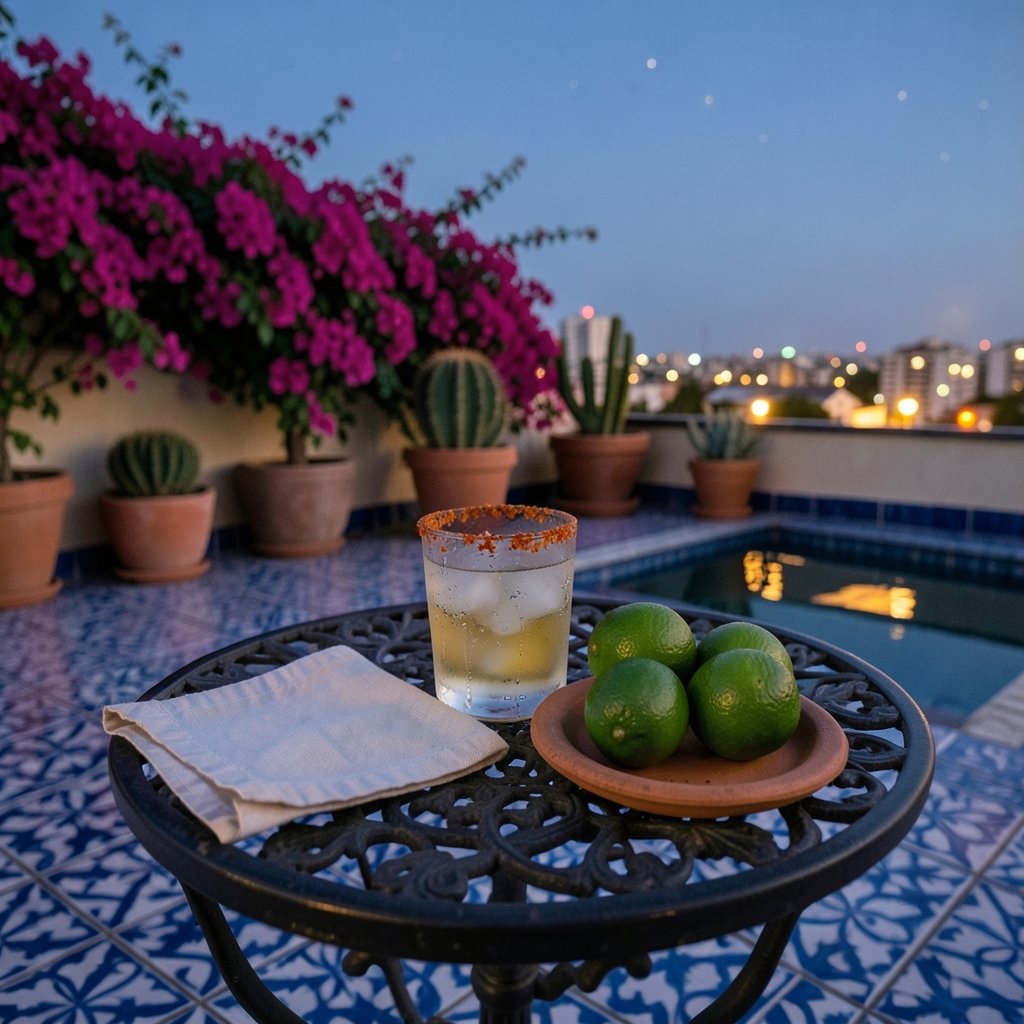
Mexico City is a city of low-rise neighborhoods, and that shapes its hotel stock. Rather than stacking hundreds of identical rooms into towers, many of the best properties occupy restored early-20th-century mansions, Porfirian townhouses, and mid-century apartment buildings. The result is a hotel culture built on character: courtyards with jacaranda trees, tiled staircases, rooftop terraces looking out over treetops, and breakfast rooms with a dozen tables instead of a buffet hall.
That intimacy has real practical value. Smaller properties tend to sit on residential streets, which means quieter nights and better coffee nearby. Staff at a 15-room hotel usually know the neighborhood’s restaurant reservations, gallery hours, and which taquería stays open late. If you want the feeling of living in the city rather than visiting it, boutique is the format that delivers it. Many travelers now plan entire trips around this idea, choosing hotels that feel like a destination rather than a base camp.
Roma Norte and Condesa: The Classic Boutique Heartland
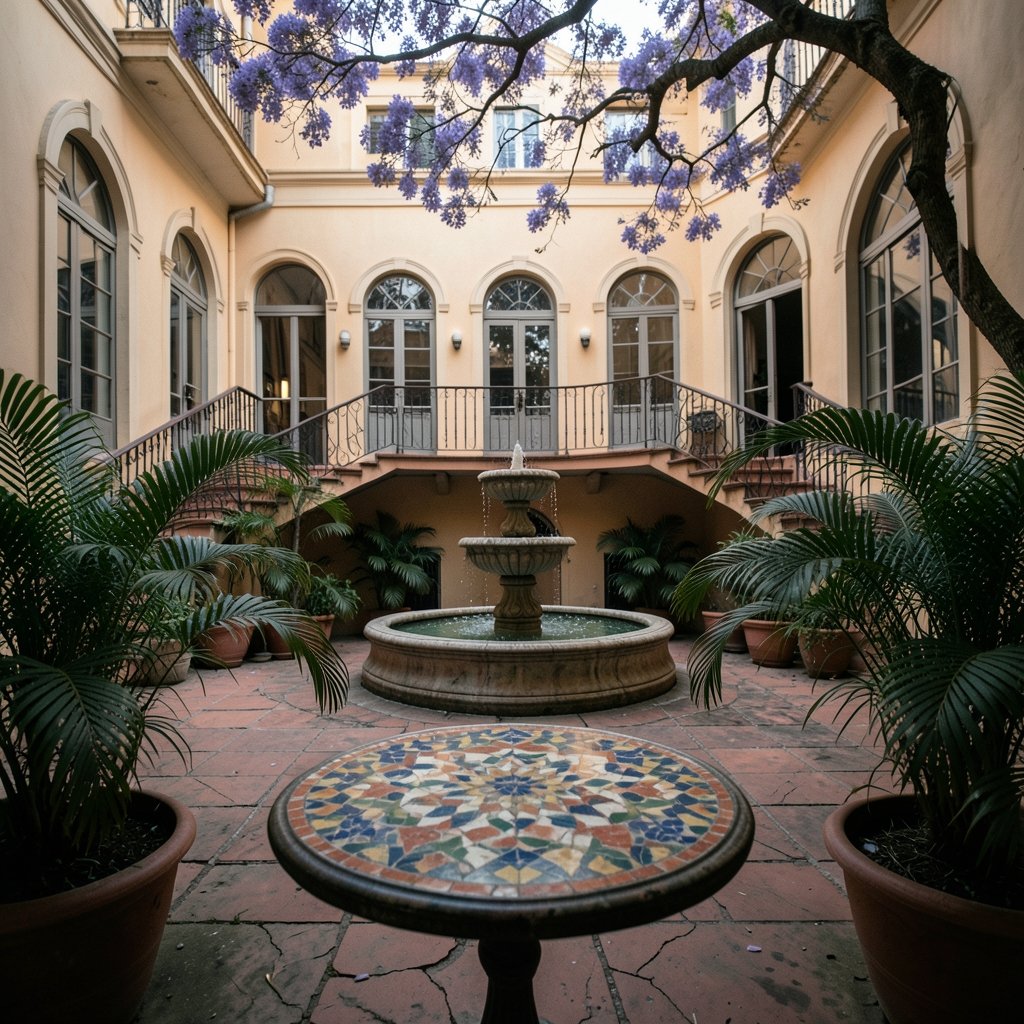
If you had to name one cluster as the center of Mexico City’s boutique scene, it would be the twin colonias of Roma Norte and Condesa. Tree-lined streets, art nouveau and art deco architecture, and a dense restaurant culture make this the most requested area for independent hotels.
What to expect
Properties here typically range from 8 to 30 rooms. Many occupy converted mansions along streets like Córdoba, Colima, and Orizaba. Expect high ceilings, original tile work, and interior courtyards. Rates sit in the mid-to-upper range for the city, with prices climbing sharply during major events and holiday weekends.
Who it suits
First-time visitors who want walkability above all. Roma Norte puts you within walking distance of dozens of restaurants, bakeries, and galleries. Condesa adds leafy parks and a slightly quieter, more residential rhythm. Both are well connected by the Metro and by ride-hailing apps.
Common mistakes
Travelers often book a Roma hotel expecting parking, then discover that street parking is scarce and many properties have no garage. If you’re renting a car, confirm parking before booking. Another frequent error: assuming every Roma property has air conditioning. Older mansions sometimes rely on fans and cross-ventilation, which is usually fine but worth checking in warmer months.
Juárez and Zona Rosa: Design-Forward and Central
The Juárez colonia, bordering Zona Rosa, has become the city’s design laboratory. Over the past decade it has attracted independent hoteliers who favor bold interiors, contemporary Mexican art, and rooftop bars over heritage restoration.
The trade-off is atmosphere. Juárez is busier and more commercial than Roma, with a lively nightlife scene that some visitors love and others find exhausting. Rooms facing main avenues can be noisy, so request a courtyard or rear-facing room if you’re a light sleeper. The upside is location: you’re close to Paseo de la Reforma, Chapultepec Park, and the city’s main business district.
Polanco: Boutique With a Luxury Price Tag
Polanco is where Mexico City‘s boutique inventory gets thinner and more expensive. The neighborhood is dominated by international luxury chains along Avenida Presidente Masaryk, and independent properties that do exist tend to be small, polished, and priced accordingly.
That doesn’t make Polanco a bad choice. It’s the right base if your trip centers on high-end dining, gallery visits, or shopping. But travelers hunting for character and value will usually find more of both in Roma, Condesa, or the historic center. Be honest with yourself about why you’re choosing Polanco; if the answer is “proximity to a specific restaurant,” a boutique in Juárez may serve you just as well for less.
Centro Histórico: Heritage Buildings and Grand Scale
The historic center offers something the other neighborhoods can’t: scale. Colonial-era buildings around Alameda Central, Regina, and the streets near the Zócalo have been converted into boutique hotels with dramatic proportions, from cloistered courtyards to rooftop terraces facing the Metropolitan Cathedral.
The historic center is also the most affordable of the main boutique districts, and it puts major sights within walking distance. The trade-off is street life. Parts of the center are crowded and chaotic by day and quiet, sometimes deserted, at night. Choose a property on a well-lit street close to your evening plans, and ask the hotel directly about the immediate block.
How to Compare the Main Boutique Districts
| District | Typical property style | Price level | Best for | Watch out for |
|---|---|---|---|---|
| Roma Norte | Restored mansions, 8–30 rooms | Mid to high | Food, galleries, walkability | Limited parking, variable A/C |
| Condesa | Art deco conversions, garden settings | Mid to high | Parks, relaxed evenings | Noise near bar strips |
| Juárez | Design-led, contemporary | Mid | Nightlife, Reforma access | Avenue noise |
| Polanco | Small luxury properties | High | Fine dining, shopping | Thin boutique supply |
| Centro Histórico | Colonial conversions, rooftop terraces | Low to mid | Sightseeing, architecture | Quiet streets at night |
What Actually Separates a Great Boutique Stay From a Mediocre One
After enough stays, patterns emerge. The properties guests remember tend to get a few unglamorous things right.
Staff who answer email before arrival. A boutique hotel’s advantage is personal service, and that starts before you check in. If a property takes three days to answer a simple question about airport transfers, that’s a signal about how it runs day to day.
Honest room descriptions. Small hotels sometimes photograph a single renovated suite and use it across every listing. Read recent reviews specifically for the room category you’re booking, and ask whether the room has exterior windows. Interior rooms in converted buildings can be dark.
Breakfast that reflects the city. The best boutique breakfasts in Mexico City are simple and local: fresh fruit, conchas or pan dulce from a nearby bakery, chilaquiles, good coffee. A sad continental spread in a beautiful courtyard is a small but telling disappointment.
Clear policies on noise and events. Rooftop bars are a boutique-hotel staple, and they can be wonderful or miserable depending on whether the hotel tells you which rooms sit beneath the speakers. Ask directly.
Real neighborhood guidance. The front desk should be able to tell you which market is best on which day, which museum requires timed tickets, and how long a ride to Coyoacán actually takes at rush hour.
Practical Booking Tips That Save Money and Regret
Book direct when possible. Small properties often match or beat third-party rates and are more flexible with room assignments. Confirm the cancellation policy in writing, especially in high season.
Check the calendar. Rates in Mexico City swing widely around major events, holidays, and long weekends. If your dates are flexible, shifting by a week can change the price substantially.
Ask about altitude and water. At more than 2,200 meters above sea level, the city can leave newly arrived travelers short of breath and dehydrated. Many boutique hotels provide filtered water; confirm whether it’s complimentary and whether it’s provided in reusable bottles.
Plan for payment quirks. Some independent properties prefer bank transfers or charge in pesos with card fees. Ask which currency you’ll be charged in and whether the rate is set at booking.
Consider the neighborhood at night as well as by day. A street that feels charming at noon can feel empty after dark. Check recent reviews and map your walk from the hotel to your dinner reservation.
Where Boutique Hotels Are Heading Next
The boutique scene continues to spread beyond the classic districts. Santa María la Ribera, San Rafael, and parts of Escandón have attracted small design-led properties, often at lower rates than Roma. These areas reward travelers who have already seen the headline sights and want a more everyday version of the city.
Meanwhile, the established neighborhoods are seeing a second wave: renovations of mid-century apartment buildings into suite-style hotels with kitchenettes, aimed at longer stays. That format suits remote workers and slow travelers well, though it can blur the line between hotel and short-term rental. Travelers interested in the broader trend of choosing properties for their character will find plenty of options across the city, and browsing curated collections of destination-worthy hotels is a reasonable starting point before cross-checking each property’s own site.
The one constant is change. Boutique hotels in Mexico City open, rebrand, and close with surprising speed, so verify any specific property’s current status, address, and amenities directly before booking rather than relying on older lists.
Conclusion
The best boutique hotels in Mexico City aren’t defined by a single style. They’re defined by fit: a Roma mansion if you want to walk to dinner, a Juárez design property if you want nightlife and Reforma at your door, a Centro conversion if architecture and value matter most. Choose the neighborhood that matches your daily rhythm first, then pick the property. Confirm the unglamorous details, read recent reviews for your exact room type, and book direct when you can. Do that, and the hotel becomes part of the trip rather than just a place to sleep.
Frequently Asked Questions
Which neighborhood is best for first-time visitors booking a boutique hotel?
Roma Norte and Condesa are the safest first choices. Both are walkable, packed with restaurants and galleries, and have the deepest supply of small independent hotels. The historic center is a strong alternative if sightseeing is your priority and you don’t mind quieter evenings.
How much do boutique hotels in Mexico City cost per night?
Rates vary widely by neighborhood, season, and room type. Historic-center conversions tend to be the most affordable, Roma and Condesa sit in the middle to upper range, and Polanco is the most expensive. Prices rise sharply around major events and holidays, so flexible dates can make a meaningful difference.
Do boutique hotels in Mexico City usually include breakfast?
Many do, but the format varies from a full cooked menu to a simple continental spread. Check what’s included when comparing rates, since a hotel with breakfast can be better value than a slightly cheaper one without it.
Is it safe to stay in the historic center at night?
The historic center is busy by day but some blocks quiet down considerably after dark. Choose a property on a well-lit, active street near your evening plans, and ask the hotel directly about the immediate area. Standard city precautions apply, as in any large capital.
Should I book directly with a boutique hotel or through a booking site?
Booking direct often gives you more flexibility on room assignment and sometimes a better rate. Use booking sites to compare and read reviews, then check the hotel’s own site. Confirm the cancellation policy and the currency you’ll be charged in before committing.
Do boutique hotels in Mexico City have air conditioning and parking?
It depends on the property. Older mansion conversions may rely on fans rather than air conditioning, and few small hotels have on-site parking. If either matters to you, confirm it in writing before booking rather than assuming.