
Riding in Cars with Boys Cast: Who Plays Each Role
 Abdul WadoodLast updated

Penny Marshall’s Riding in Cars with Boys arrived in theaters on October 19, 2001, and it asked audiences to watch a teenage mother grow up in real time across roughly two decades. That structural gamble only works because of the ensemble carrying it. Drew Barrymore ages from a fifteen-year-old dreamer into a fortysomething college graduate, and around her orbits a cast stacked with character actors who make the film’s messy family dynamics feel lived-in rather than performed.
The film adapts Beverly Donofrio’s 1990 memoir Riding in Cars with Boys: Confessions of a Bad Girl Who Makes Good, with a screenplay credited to Morgan Ward. It was also Marshall’s final directorial feature before her death in 2018, which gives the cast list a bittersweet weight for anyone revisiting it. Below is a role-by-role breakdown of who plays whom, what each performer brings, and where the film’s casting choices quietly do the heaviest lifting.
The Core Cast at a Glance
Before diving into individual performances, it helps to see the main players side by side. The table below maps each principal performer to their character and their function in Beverly’s story.
| Actor | Character | Role in the Story |
|---|---|---|
| Drew Barrymore | Beverly Donofrio | Narrator and protagonist; ages from teen to adult |
| Steve Zahn | Ray Hasek | Beverly’s husband and father of her son |
| Brittany Murphy | Fay | Beverly’s close friend |
| Adam Garcia | Jason | A later romantic interest |
| Lorraine Bracco | Teresa Donofrio | Beverly’s mother |
| James Woods | Leonard Donofrio | Beverly’s father |
| Maggie Gyllenhaal | Amelia | A friend of Beverly’s |
One practical note for anyone cross-checking this list: supporting-character names are the part of any cast list most likely to vary between databases. Small roles get reclassified, spellings shift, and studio materials sometimes disagree with fan-maintained records. If you need ironclad credits, the film’s on-screen titles remain the final word.
Drew Barrymore as Beverly Donofrio
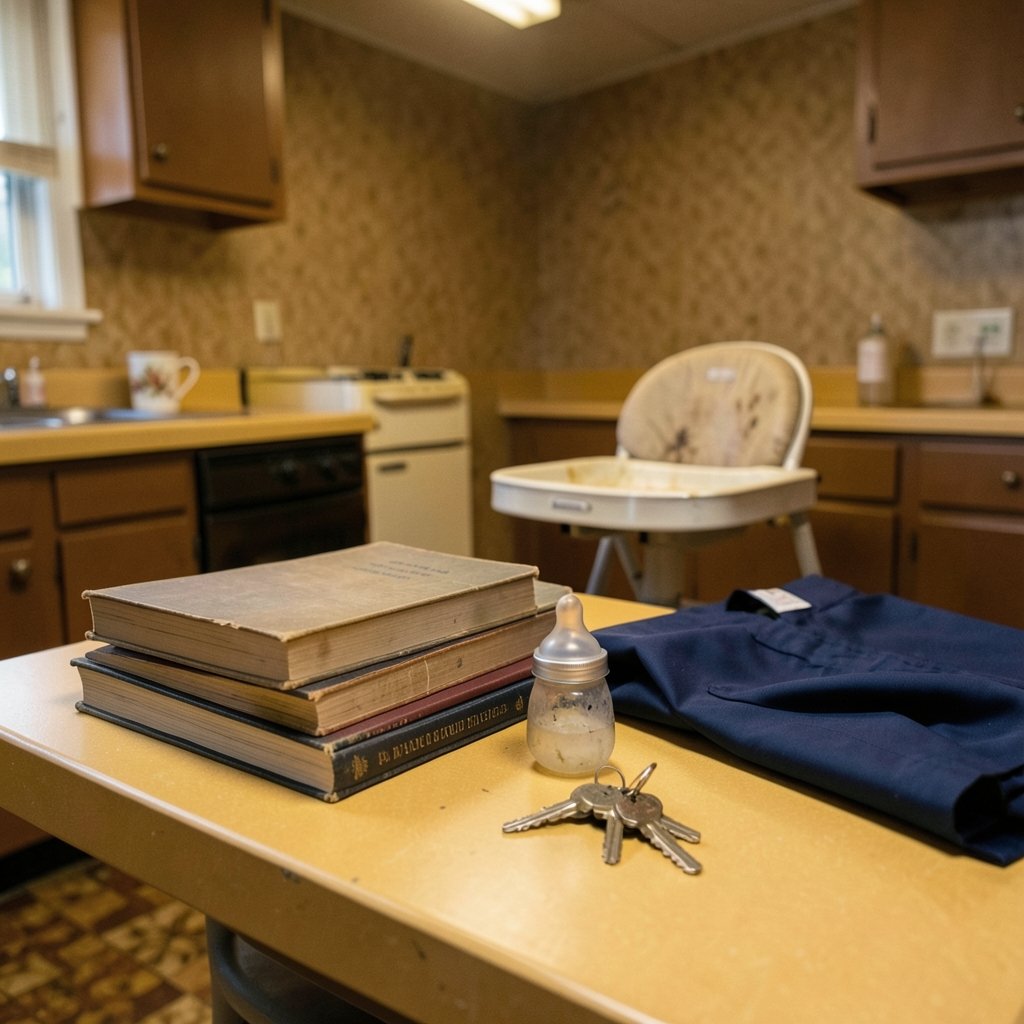
The entire film rests on Barrymore, and it is a genuinely unusual star vehicle. Beverly is not a hero who learns one tidy lesson. She is a smart kid who gets pregnant at fifteen, marries a man she barely knows, and spends years clawing toward the education she was told to give up on. Barrymore has to play petulance, fury, tenderness, and exhaustion, sometimes within a single scene, and she does it without sanding off Beverly’s rougher edges.
What makes the performance work is restraint. A lesser version of this movie would turn Beverly into a martyr or a cautionary tale. Barrymore instead plays her as stubborn above all else, which is exactly what the memoir’s title promises: a bad girl who makes good on her own terms, not on anyone else’s schedule.
Steve Zahn as Ray Hasek
Casting Steve Zahn as Ray is one of the film’s smartest decisions. Zahn built a reputation in comedy, and here he uses that comic timing to make Ray charming before revealing how much damage that charm does. Ray is not a villain. He is a young man with a drug habit and no roadmap, and Zahn plays him with enough warmth that viewers understand why Beverly fell for him, which makes the marriage’s slow collapse hurt more.
It is the kind of supporting turn that gets overlooked in awards conversations but shapes the whole film. Every scene where Ray disappoints Beverly lands harder because Zahn never lets him become a cartoon.
Brittany Murphy as Fay
Brittany Murphy brings a jittery, funny energy to Fay, Beverly’s friend and a window into the road not taken. Where Beverly fights to escape her circumstances, Fay’s arc shows how easily those circumstances can close around a person. Murphy was in the middle of a remarkable run of roles in this era, and her presence gives the film a jolt of youthful chaos whenever the domestic drama risks getting too heavy.
Adam Garcia as Jason
Adam Garcia plays Jason, a later romantic interest who arrives once Beverly has begun rebuilding her life. Jason matters structurally more than he does dramatically: he represents the possibility of a relationship that is not built on obligation or teenage mistake. Garcia plays him as gentle and a little bewildered, which is precisely right for a man stepping into Beverly’s complicated history.
Lorraine Bracco and James Woods as Beverly’s Parents
The parental generation is where the film’s casting gets quietly devastating. Lorraine Bracco plays Teresa Donofrio, Beverly’s mother, with a weariness that suggests she has already made peace with a smaller life and cannot understand her daughter’s refusal to do the same. James Woods plays Leonard Donofrio, Beverly’s father, and his scenes carry a different kind of tension entirely. Woods is expert at playing men whose affection comes with conditions, and Leonard’s presence in the family home gives the film its most uncomfortable undercurrent.
Together, Bracco and Woods establish the world Beverly is trying to leave. The film’s thesis lives in those performances: children do not rebel against ideas, they rebel against people.
Maggie Gyllenhaal as Amelia
Maggie Gyllenhaal appears as Amelia, a friend of Beverly’s, in a role that sits at the edge of the main narrative. It is a small part, and it is the kind of credit that rewards a second look years later, once Gyllenhaal became one of the most respected actors of her generation. Small early roles like this one are a useful reminder that ensemble films often function as snapshots of who was about to break out.
Why This Ensemble Works Better Than It Looks on Paper
On paper, the combination of a comedy-trained leading man, a dramatic star, and two veteran character actors could have been a tonal disaster. Instead, the cast shares a single register: everyone plays their character as fundamentally decent and fundamentally limited. Nobody in this film is a monster. They are people making decisions with incomplete information, which is what gives the story its staying power.
The film also belongs to a specific moment in early-2000s Hollywood, when mid-budget adult dramas built around a female star could still open wide in theaters. For readers interested in how that era’s car-driven storytelling and coming-of-age road narratives shaped later films, the broader context around the cars built around experience is worth a look. The title itself is a promise about motion: cars as the places where teenagers talk, fight, and decide who they will become.
Common Mistakes When Watching or Researching This Cast
A few predictable errors show up again and again when people try to identify the cast, and knowing them saves time.
- Confusing the memoir’s timeline with the film’s. The movie compresses and rearranges events from Beverly Donofrio’s book. Characters who feel minor on screen may be more significant in the source material, and vice versa.
- Trusting a single database. Cast lists differ across sources, especially for supporting roles. Compare at least two before quoting a character name confidently.
- Overlooking the parents. Viewers often focus on Barrymore and Zahn and miss that Bracco and Woods are doing some of the film’s most precise work.
- Assuming the film is a comedy. The marketing leaned on Barrymore’s comic persona, but the tone is frequently somber. Going in expecting laughs leads to disappointment.
- Missing that this was Marshall’s last feature. Knowing that changes how you watch the film’s final act, which is unusually generous toward its characters.
Where the Film Sits in Its Era
Released by Columbia Pictures in October 2001, the movie landed in a crowded season and never became a breakout hit. Its reputation has grown slowly, mostly among viewers who appreciate that it refuses to punish Beverly for wanting more than her hometown offered. For a wider view of how films like this get evaluated and compared over time, Voozon Cars — reviews, comparisons & car guides offers a useful lens on how popular culture and vehicle culture intersect, and casting a different kind of future explores how stories about reinvention get told on screen.
The cast is the reason the film endures. Barrymore’s Beverly is not a symbol. She is a specific, difficult, funny person, and the actors around her treat her that way. That is rarer than it sounds.
What the Cast List Tells You About the Movie
If you only remember one thing about Riding in Cars with Boys, make it this: the casting is the argument. Barrymore was a major star willing to play unlikable. Zahn was a comic actor willing to play the source of real pain. Bracco and Woods were veterans willing to play small, suffocating people rather than villains. Murphy and Gyllenhaal were young actors in parts that could have been throwaway and instead feel alive.
That combination is why the film holds up better than its modest reception suggested it would. It is a movie about a woman who refuses to be defined by the worst decision she ever made, and it is acted by people who understood that the worst decision is rarely the whole story.
Conclusion
The Riding in Cars with Boys cast is a study in quiet, well-matched ensemble work. Drew Barrymore anchors the film as Beverly Donofrio, Steve Zahn gives Ray Hasek real charm and real damage, and Lorraine Bracco and James Woods turn two small parental roles into the film’s emotional foundation. Brittany Murphy, Adam Garcia, and Maggie Gyllenhaal fill out a supporting roster that rewards close attention. Penny Marshall’s final feature is not a flashy movie, but it is a well-acted one, and the cast is the reason it still finds new viewers decades later. If you are checking credits before a rewatch, verify supporting character names against the on-screen titles, then settle in and watch what these actors do with material that could easily have gone wrong.
Frequently Asked Questions
Who plays Beverly Donofrio in Riding in Cars with Boys?
Drew Barrymore plays Beverly Donofrio, the film’s central character. She portrays Beverly across roughly two decades, from a fifteen-year-old in the 1960s through adulthood, which makes hers the most demanding role in the ensemble.
Who plays Ray Hasek in the film?
Steve Zahn plays Ray Hasek, Beverly’s husband and the father of her son. Zahn, best known for comedic roles, plays Ray with enough warmth to make his character’s downward spiral genuinely affecting rather than one-note.
Who directed Riding in Cars with Boys?
Penny Marshall directed the film, which Columbia Pictures released on October 19, 2001. It was Marshall’s final directorial feature before her death in 2018, following a career that included Big and A League of Their Own.
Is the movie based on a true story?
Yes. The screenplay, credited to Morgan Ward, adapts Beverly Donofrio’s 1990 memoir Riding in Cars with Boys: Confessions of a Bad Girl Who Makes Good. The film compresses and reshuffles events from the book, so the memoir remains the more detailed account.
Who plays Beverly’s parents?
Lorraine Bracco plays Teresa Donofrio and James Woods plays Leonard Donofrio, Beverly’s mother and father. Their performances establish the cramped family world Beverly spends the film trying to escape, and both are easy to overlook on a first viewing.
Why do some cast lists for this film disagree?
Supporting-character names and small roles are the most common source of discrepancy between databases, and studio materials sometimes differ from fan-maintained records. For definitive credits, check the film’s on-screen titles rather than relying on a single online listing.