
Best Beach in Texas: Top Spots for Your Trip
 Abdul WadoodLast updated
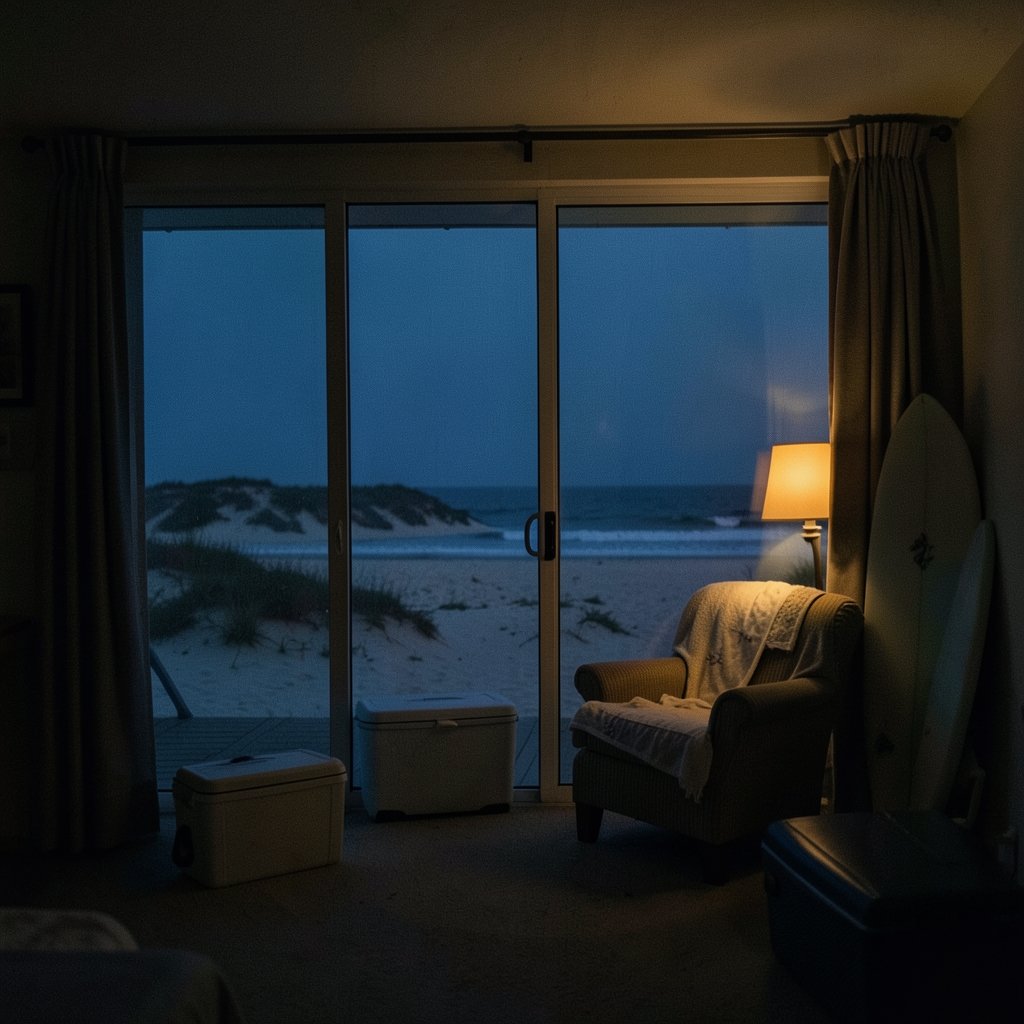
What if the best beach in Texas isn’t one place at all, but whichever stretch of sand matches what you actually want to do that day? That’s the honest answer, and it’s more useful than any single ranking. Texas has roughly 370 miles of open Gulf coastline, and the beaches along it differ wildly. A family with toddlers, a surfer chasing a swell, a birder with binoculars, and a Houston office worker with one free Saturday all need different sand.
This guide breaks the Texas coast down by what each beach is genuinely good at. No hype, no “hidden gem” nonsense, just what the water, the access, and the surrounding town actually deliver.
Why There’s No Single “Best Beach in Texas”
Travel outlets love to crown one beach. But rankings shift year to year, depend on the judging criteria, and rarely agree with each other. A beach that wins on scenery may lose on parking, water clarity, or how far you have to drive to find a bathroom.
Texas beaches also share a few traits worth knowing before you pick one:
- The water is usually not turquoise. Nearshore Gulf water along much of the Texas coast is often turbid, clouded by sediment and river discharge. If clear water is your top priority, adjust expectations or head further south.
- Wind is a constant. Onshore breeze keeps things cooler but also means sandblasting, flying umbrellas, and choppier surf.
- Access is unusually generous. Texas has a long-standing public beach-access tradition, often summarized as the “Open Beaches” principle. In practice, that means most of the beach is public, even where private development sits nearby.
- Conditions change fast. Water quality, seaweed, and crowd levels vary week to week, so a beach that was perfect last summer may be a different experience this one.
That last point matters most. Any list, including this one, is a starting point rather than a guarantee.
South Padre Island: The Classic Answer
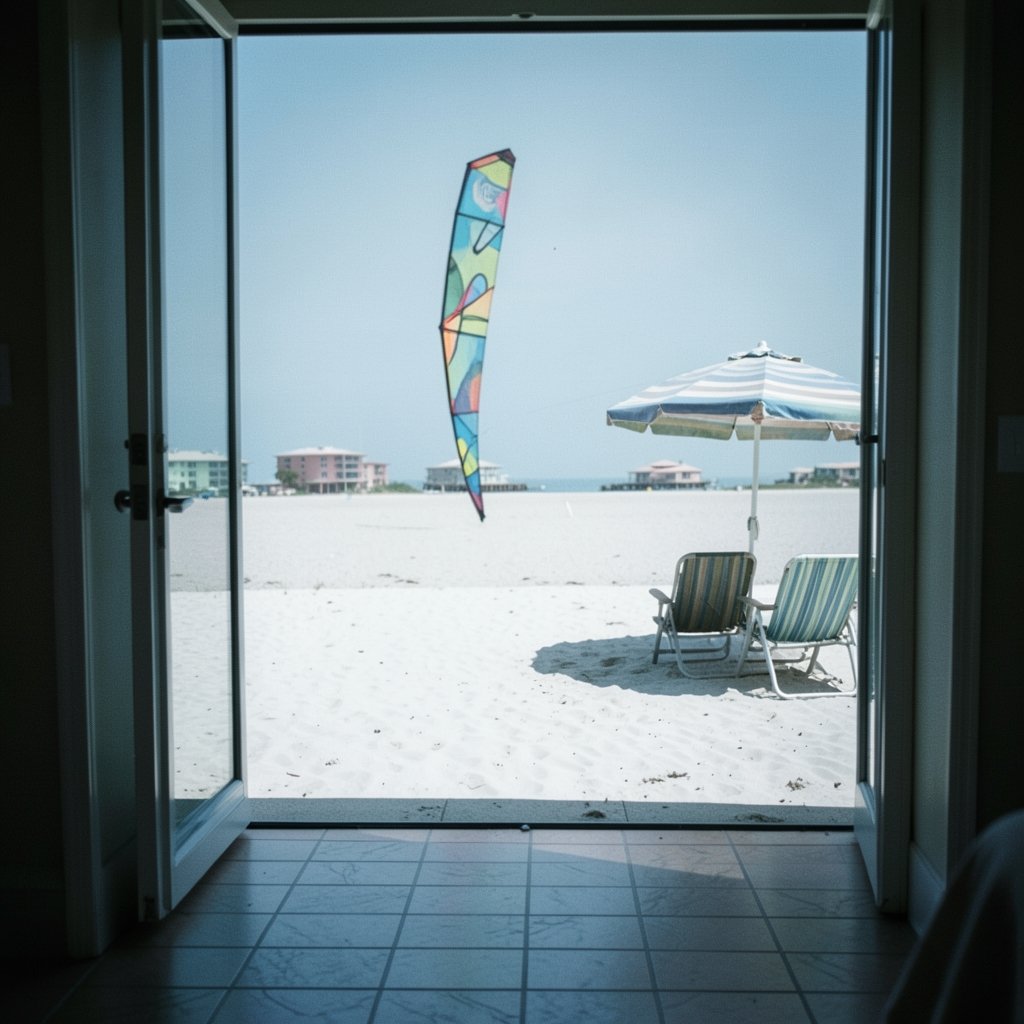
If forced to name one beach that satisfies the most people, South Padre Island is the safest bet. It’s a barrier island at the southern tip of the Texas coast, and the town at its south end packs in hotels, restaurants, and easy beach access.
Why it wins for most travelers:
- Wide, flat beaches that suit families and casual swimmers
- The warmest, clearest water on the Texas coast, relatively speaking
- A real resort infrastructure, so you’re not driving 40 minutes for lunch
- Reliable wind for kiteboarding and windsurfing
The trade-off is cost and crowds. South Padre is the most developed beach destination in Texas, and spring break and summer weekends push prices and traffic up accordingly. If you want a quiet dune walk, this isn’t it. If you want a beach vacation where everything is within walking distance, it’s hard to beat.
For a deeper comparison of how South Padre stacks up against other coastal destinations, the breakdown of best beach vacations and how to choose the right coast is worth reading before you book.
Padre Island National Seashore: For Undeveloped Sand
North of South Padre, near Corpus Christi, sits a very different experience. Padre Island National Seashore protects a long stretch of undeveloped barrier island, and it’s the closest thing Texas has to a wild beach.
What to expect:
- Miles of sand with no buildings, no boardwalks, no vendors
- Soft sand driving on designated sections, if you have a capable vehicle
- Serious birding, especially during migration
- Sea turtle hatchling releases in summer, when timing works out
This is the beach for people who want solitude and don’t mind earning it. Bring everything you need, including water, shade, and a plan for the drive back. Cell service is spotty, and the further you drive down the beach, the more self-sufficient you need to be.
It’s also the beach most likely to disappoint someone expecting a resort. There’s no lifeguard on most of it, no snack bar, and the surf can be stronger than it looks. Treat it as nature, not as a pool.
Galveston Island: The Easy Weekend Trip
Galveston is the beach most Texans actually visit, simply because it’s close to Houston. That proximity is its whole value proposition. You can leave the city in the morning and have your feet in the sand before lunch.
Galveston’s honest profile:
| Strength | Weakness |
|---|---|
| Closest major beach to a big city | Water often murky |
| Restaurants, history, and nightlife nearby | Can get crowded on summer weekends |
| Good for day trips and short stays | Less “escape” feeling than barrier islands |
Galveston’s beaches are partly maintained through beach-nourishment projects, which pump sand back onto eroding stretches. That’s a practical detail worth knowing: the beach you visit may look different from photos taken a few years ago.
If your goal is simply a beach within reach of home, the guide to finding the best beach near you covers how to judge drive time against actual beach quality.
Mustang Island and Port Aransas: Fishing and State Park Access
The Corpus Christi area offers a middle ground. Mustang Island and Port Aransas sit close enough to civilization to be convenient, but far enough to feel like a coastal trip.
Why this stretch stands out:
- Mustang Island State Park gives you managed beach access with facilities
- Excellent fishing, both from the beach and from boats
- A relaxed, slightly funky town atmosphere in Port Aransas
- Good balance of price and access compared with South Padre
For travelers who want to fish, this is arguably the best beach region in Texas. Surf fishing is a genuine local pastime here, and the jetty fishing is legendary among people who care about that sort of thing.
Water Quality and Safety: What to Check Before You Go
Here’s where a lot of beach advice falls short. Picking a beach is only half the job. Checking conditions is the other half.
Before any Texas beach trip, check:
- Bacterial advisories. State monitoring programs sample coastal water and issue advisories when bacteria levels are high. After heavy rain, runoff can spike those levels fast.
- Rip current risk. Texas surf is usually modest, but rips happen, especially around jetties and piers.
- Seaweed forecasts. Sargassum blooms vary year to year and can pile up on some beaches while leaving others clear.
- Hurricane season. It runs June through November. Late summer offers the warmest water but also the highest risk of a storm disrupting your plans.
A simple habit that works: check conditions the morning you leave, not a week in advance. Water quality changes after every significant rain.
How to Pick Your Texas Beach by Trip Type
Rather than argue about rankings, match the beach to the trip. Here’s a practical decision table.
| If you want… | Go to… | Why |
|---|---|---|
| A full beach vacation with amenities | South Padre Island | Most developed, warmest water |
| Solitude and wild scenery | Padre Island National Seashore | Undeveloped, no crowds |
| A quick day trip | Galveston Island | Closest to Houston |
| Fishing and state park facilities | Mustang Island / Port Aransas | Best fishing access |
| A mix of beach and city | Galveston | Restaurants and history nearby |
This framework beats any ranked list because it starts with your constraints. Drive time, budget, and what your group actually enjoys matter more than which beach won a magazine award.
Common Mistakes People Make on Texas Beaches
A few practical warnings that save real trips:
Assuming the water will be clear. It usually isn’t. Set expectations and you’ll enjoy the beach more.
Underestimating the sun and wind. Texas beach days feel cooler than they are because of the breeze. Sunburn happens fast, especially on overcast days.
Driving on sand without preparation. Some beaches allow vehicles, but soft sand traps unprepared drivers regularly. Air down your tires, carry a shovel, and never drive on sand you haven’t scouted on foot.
Ignoring the tide. If you park on the beach, know when the tide comes in. Vehicles get swamped every year by people who didn’t check.
Forgetting that “public beach” doesn’t mean “services.” Texas beach access is generous, but facilities vary enormously. A beach with public access may have zero bathrooms, zero shade, and zero lifeguards.
Seasonal Timing: When to Go
Timing can matter more than location. Here’s the rough picture.
Late spring (April–May): Warm enough for swimming, fewer crowds, lower prices. A strong window before school lets out.
Summer (June–August): Hottest water, busiest beaches, highest prices. Book early and expect crowds at South Padre and Galveston.
Early fall (September–October): Warm water continues, crowds thin out, but hurricane risk peaks. Watch the forecast closely.
Winter (November–March): Too cold for most swimming, but excellent for beach walking, birding, and fishing. Galveston and the barrier islands are pleasantly quiet.
If you’re flexible, late spring and early fall consistently offer the best balance of comfort, cost, and space on the sand.
Beyond the Main Four: Other Texas Beaches Worth Knowing
The big names get the attention, but the Texas coast has more variety than most people realize.
Rockport and Fulton offer a low-key alternative near Corpus Christi, with good fishing and a quieter pace. Matagorda and Sargent attract anglers and people who want to avoid the crowds. Bolivar Peninsula, reached by ferry from Galveston, feels like a step back in time, with miles of beach and far fewer people. Surfside and Quintana serve the Brazoria County crowd. And Boca Chica Beach, near the southern tip, is a remote spot with a completely different character from the resort towns.
The pattern holds: the further you get from a major city, the quieter the beach, and the more self-sufficient you need to be.
What Actually Works in Practice
After all the comparisons, a few habits separate good beach trips from frustrating ones.
Pick by drive time first. The best beach you’ll actually visit is the one within a reasonable drive. A perfect beach four hours away beats nothing, but a good beach 90 minutes away beats a perfect one you never reach.
Go early. Arriving before 10 a.m. changes the entire experience at popular beaches. Parking is easier, sand is cleaner, and the light is better.
Bring shade and water. Texas sun is unforgiving, and shade is scarce on many public beaches.
Check the wind forecast. A 20 mph onshore wind turns a pleasant beach day into a sandblasting session. Wind matters more than temperature on the Texas coast.
Have a backup plan. If the water quality advisory is up or the seaweed is thick, know a second beach or a non-beach activity nearby. Coastal towns usually have options.
For travelers comparing regions more broadly, the guide to choosing among Caribbean beaches offers a useful contrast in how to judge a beach by what it actually delivers rather than by reputation.
Conclusion
So which is the best beach in Texas? For most travelers, South Padre Island offers the most complete beach vacation, with the warmest water and the most to do. For solitude and wild scenery, Padre Island National Seashore is unmatched. For a quick, easy trip, Galveston wins on convenience. And for fishing with real facilities, Mustang Island and Port Aransas are the pick.
The better question is which beach fits your trip. Match the sand to your constraints, check conditions before you leave, and pack for sun and wind. Do that, and you’ll have a good beach day regardless of which stretch of the Texas coast you choose.
Frequently Asked Questions
What is the best beach in Texas for families?
South Padre Island is the most family-friendly choice. The beaches are wide and flat, the water is the warmest on the Texas coast, and hotels, restaurants, and activities are close together. Galveston is a solid alternative for families who want a shorter drive.
Is the water clear at Texas beaches?
Usually not. Nearshore Gulf water along much of the Texas coast is often turbid because of sediment and river discharge. South Padre Island tends to have the clearest water in the state, but it still won’t match Florida or the Caribbean.
Do you have to pay to access Texas beaches?
Most Texas beaches are public, following the state’s long-standing Open Beaches principle. You may pay for parking, and some state parks charge an entrance fee, but the sand itself is generally free to access.
When is the best time to visit Texas beaches?
Late spring and early fall offer the best balance of warm water, smaller crowds, and lower prices. Summer has the warmest water but the biggest crowds. Hurricane season runs June through November, so watch forecasts closely in late summer and early fall.
Can you drive on Texas beaches?
Yes, on many beaches, including parts of Padre Island National Seashore and the Bolivar Peninsula. But soft sand traps unprepared vehicles regularly. Air down your tires, carry a shovel, and check the tide before you park.
What should you check before swimming at a Texas beach?
Check bacterial water advisories, rip current risk, and seaweed conditions the morning you go. Water quality can change quickly after heavy rain, so a same-day check is far more reliable than planning a week ahead.