
Bentley Cost: Sticker Price, Depreciation & Upkeep
 Abdul WadoodLast updated

What does it actually cost to put a Bentley in your driveway, and why does the number swing so wildly depending on who you ask? One buyer quotes a figure for a Continental GT, another swears a Bentayga runs six figures before options, and a third is talking about a 1931 Rolls-Royce acquisition that had nothing to do with a car payment. All three are technically right. That ambiguity is the whole problem with the phrase “Bentley cost.” This article sorts it out by focusing on the angle most shoppers actually care about: what it takes to buy, own, and keep a modern Bentley on the road. (Hair Store Guide: Buy Smart & Avoid Costly Mistakes)
Bentley cost means several different things
Before any number makes sense, pin down which Bentley is being discussed. There are at least four distinct topics hiding behind the same three words.
The first is Bentley Motors, the British luxury carmaker now owned by the Volkswagen Group, which acquired the brand in 1998. That deal split Rolls-Royce and Bentley apart, with BMW taking the Rolls-Royce name from 2003. The second is Bentley Systems, a completely separate American infrastructure-software company traded on Nasdaq under the ticker BSY. Its “cost” is a share price, not a car payment. The third is the historical 1931 acquisition of Bentley Motors by Rolls-Royce. The fourth, and the one this article covers, is the cost of buying and running a car from the Crewe-based manufacturer. (Bentley)
Mixing these up is the single most common mistake people make when they start researching Bentley prices. A search for “Bentley cost” can return a stock quote, a history entry, and a dealer listing on the same page.
What a new Bentley costs before you add a single option
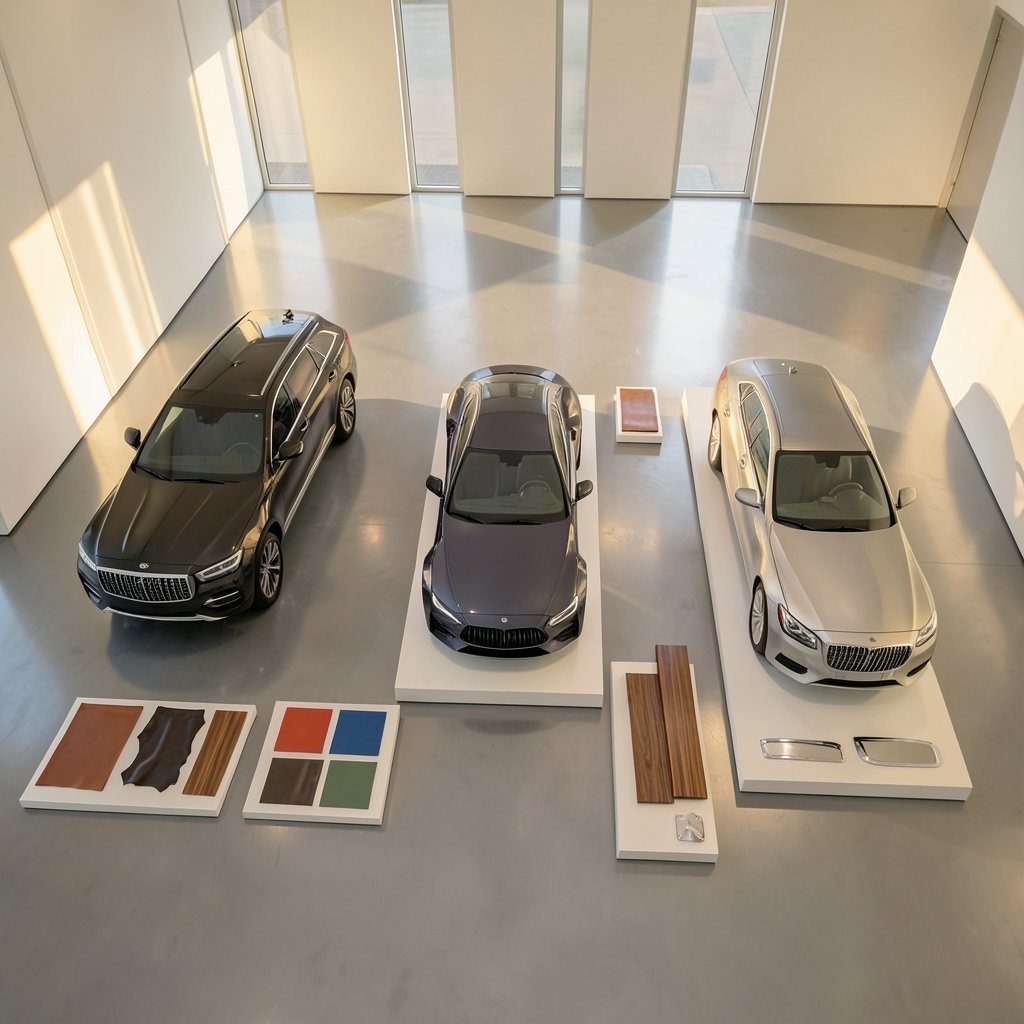
Bentley’s modern lineup centers on three core models: the Bentayga SUV, the Continental GT coupe and GTC convertible, and the Flying Spur sedan. Each sits in a different price band, and the gap between the entry model and the flagship is large.
| Model | Body style | Typical starting position |
|---|---|---|
| Bentayga | SUV | Entry point to the range |
| Continental GT / GTC | Coupe and convertible | Mid-to-upper range |
| Flying Spur | Four-door sedan | Top of the mainstream range |
The critical thing to understand is that a “starting price” is almost meaningless with a Bentley. The brand’s business model depends on personalization through its Mulliner division. Paint-to-sample colors, hand-stitched leather, veneered fascias, and bespoke badging all add cost quickly. A car configured seriously can land well above its base figure, and that is before taxes, registration, and delivery charges that vary by market.
Prices also differ sharply between countries. A US buyer, a UK buyer, and a buyer in the Middle East are looking at different stickers for the same model because of import duties, local taxes, and currency. Manufacturer configurators are the only reliable primary source, and they change frequently. Any figure quoted in a magazine or on a forum should be treated as a snapshot with a date attached, not a permanent truth.
The depreciation hit is the biggest single cost
Here is the number most buyers underestimate. On a luxury car, depreciation usually dwarfs fuel, insurance, and servicing combined during the first few years of ownership.
The reason is straightforward. Bentley production volumes are small, but the pool of buyers willing to spend six figures on a used luxury car is smaller still. Once a car leaves the showroom, it competes against other used Bentleys, and the steepest decline happens early. Options rarely hold their value either. A bespoke paint color that cost thousands when new may add nothing at resale, because the next buyer did not choose it.
Practical takeaway: the smartest financial move in this market is often buying a well-specified certified pre-owned car a few years old rather than ordering new. You let the first owner absorb the steepest part of the curve. The same logic applies to almost any major purchase: the upfront price is only part of the story, and how you maintain the asset determines what it is worth later.
Running costs: fuel, insurance, tyres, and servicing
Owning a Bentley is a recurring expense, not a one-time purchase. Four categories dominate.
Fuel. Large-displacement engines and heavy bodies mean high consumption. Official economy figures for each model year are published by government fuel-economy databases, and they are the honest place to start. A twin-turbo V8 or W12 in a two-and-a-half-ton SUV does not sip.
Insurance. Premiums reflect repair costs, theft risk, and the value of the car. Parts are expensive, specialist labor is scarce, and a minor parking scrape can involve recalibrating sensors and replacing panels that were never designed to be cheap.
Tyres and brakes. These are consumables, and on a heavy performance vehicle they wear faster than most owners expect. Large-diameter tyres built for high speed are priced accordingly, and a full set can cost more than a used compact car.
Servicing. Routine maintenance at a franchised dealer carries a premium. Independent specialists exist and often charge less, but they need the right diagnostic equipment. Skipping scheduled service to save money is a false economy on any complex modern car.
How to research a real Bentley price without getting fooled
The biggest trap in this market is confusing MSRP with transaction price. Dealer listings, press reports, and forum posts mix these constantly. Here is a practical method that works. (Laser Hair Removal: What Works, Costs & What to Expect)
- Open the manufacturer’s official configurator for your country and build the exact model and trim you want.
- Note the base price, then add every option you would genuinely order, regardless of whether it looks good.
- Add local taxes, registration, and delivery fees for your region.
- Check government fuel-economy data for the specific model year to estimate running fuel cost.
- Get at least three insurance quotes before committing, because premiums vary enormously by postcode and driver profile.
- Ask a dealer for the cost of the first three scheduled services in writing.
That last step is the one most buyers skip, and it is where surprises live. A car that seems affordable at purchase can become a burden when the first major service arrives.
Where the Bentley name shows up in other costs
Because the brand is so recognizable, “Bentley” appears in plenty of unrelated price discussions, and it helps to recognize them so you do not chase the wrong number.
Bentley Systems stock. The software company’s share price is a completely different financial instrument. If you searched for “Bentley cost” and got a Nasdaq quote, you found the infrastructure-software business, not the carmaker.
Bentley, the place names. Towns and suburbs called Bentley exist in several countries, and property prices there have nothing to do with vehicles.
Bentley as a style reference. The name gets borrowed in fashion and beauty marketing the way other luxury marques do. It is a signal of aspiration, not a price list. The same pattern shows up in the hair and beauty market, where premium positioning drives cost far more than raw materials do. You are often paying for expertise, equipment, and brand in addition to the treatment itself.
Does a Bentley hold its value?
Some do, most do not, and the exceptions are specific. Limited-edition and low-production models with genuine motorsport or heritage links tend to hold value better than volume models. Mainstream trims depreciate along a fairly predictable curve.
The variables that matter most are mileage, service history, specification, and color. A low-mileage car with a full dealer service record in a desirable color will always outperform a high-mileage car in an unpopular one. Condition beats rarity in most transactions, because buyers want a car they can drive, not a project.
For anyone comparing ownership strategies, the principle is the same one that governs most smart purchases: paying more upfront for quality and provenance usually costs less over time than chasing the cheapest option and repairing the consequences. (Hair Growth Oil: Science, Costs & What Works in 2026)
Buying used versus new: the real trade-off
New gives you the exact specification you want, full warranty coverage, and the latest technology. Used gives you a lower entry price and lets someone else absorb the steepest depreciation.
The trade-off is not purely financial. A new Bentley is configured to your taste, which has real value if you plan to keep the car for years. A used one may have options you would not have chosen and colors you would not have picked. Neither path is wrong. What matters is going in with clear eyes about which cost you are accepting.
Convenience and cost trade off in almost every purchase, luxury cars included. The key is knowing which one you are prioritizing before you sign.
The bottom line on Bentley cost
A Bentley is a six-figure commitment before options, and the purchase price is only the opening act. Depreciation, insurance, fuel, tyres, and specialist servicing combine into a running cost that surprises many first-time owners. The buyers who do best are the ones who research the total cost of ownership rather than fixating on the sticker, who buy certified pre-owned where it makes sense, and who budget for maintenance from day one instead of hoping it stays cheap.
The name on the badge is only part of what you are paying for. Understanding the rest is what separates a good decision from an expensive lesson.
Frequently asked questions
How much does a new Bentley cost?
It depends entirely on the model, the market, and the options. The Bentayga sits at the entry point, the Continental GT and GTC sit in the middle, and the Flying Spur tops the mainstream range. Because Mulliner personalization can add substantial cost, the only reliable figure comes from the official configurator for your country, built with your exact specification.
Why is “Bentley cost” such a confusing search term?
Because at least four different things share the name. There is Bentley Motors, the carmaker owned by the Volkswagen Group. There is Bentley Systems, a Nasdaq-listed software company. There is the historical 1931 Rolls-Royce acquisition of Bentley Motors. And there are towns called Bentley. Each has a completely different “cost,” so the first step is always to clarify which one you mean.
What is the biggest hidden cost of Bentley ownership?
Depreciation, by a wide margin. Luxury cars lose value fastest in their early years, and bespoke options rarely recover their cost at resale. Fuel, insurance, and servicing are significant, but they usually add up to less than the value the car sheds in the first few years of ownership.
Is it cheaper to buy a used Bentley?
Usually yes, and often dramatically so. Buying a few years old lets the first owner absorb the steepest part of the depreciation curve. The trade-off is that you inherit someone else’s specification choices, and you need to check the service history carefully. A well-maintained used car with full records is generally the smarter financial route.
How much does it cost to insure and service a Bentley?
Both are expensive relative to mainstream cars, but the exact figures vary enormously by country, driver profile, model, and mileage. The practical approach is to get multiple insurance quotes before buying and to ask a dealer for the cost of the first three scheduled services in writing. Skipping maintenance to save money almost always costs more later.
Do any Bentleys hold their value?
Some do. Limited-edition and low-production models with genuine heritage or motorsport links tend to hold value better than volume models. For most cars, mileage, service history, specification, and color matter more than rarity. A well-kept car in a desirable specification will always outperform a neglected one.