
Affordable Luxury Gifts for Her That Feel Expensive
 Abdul WadoodLast updated
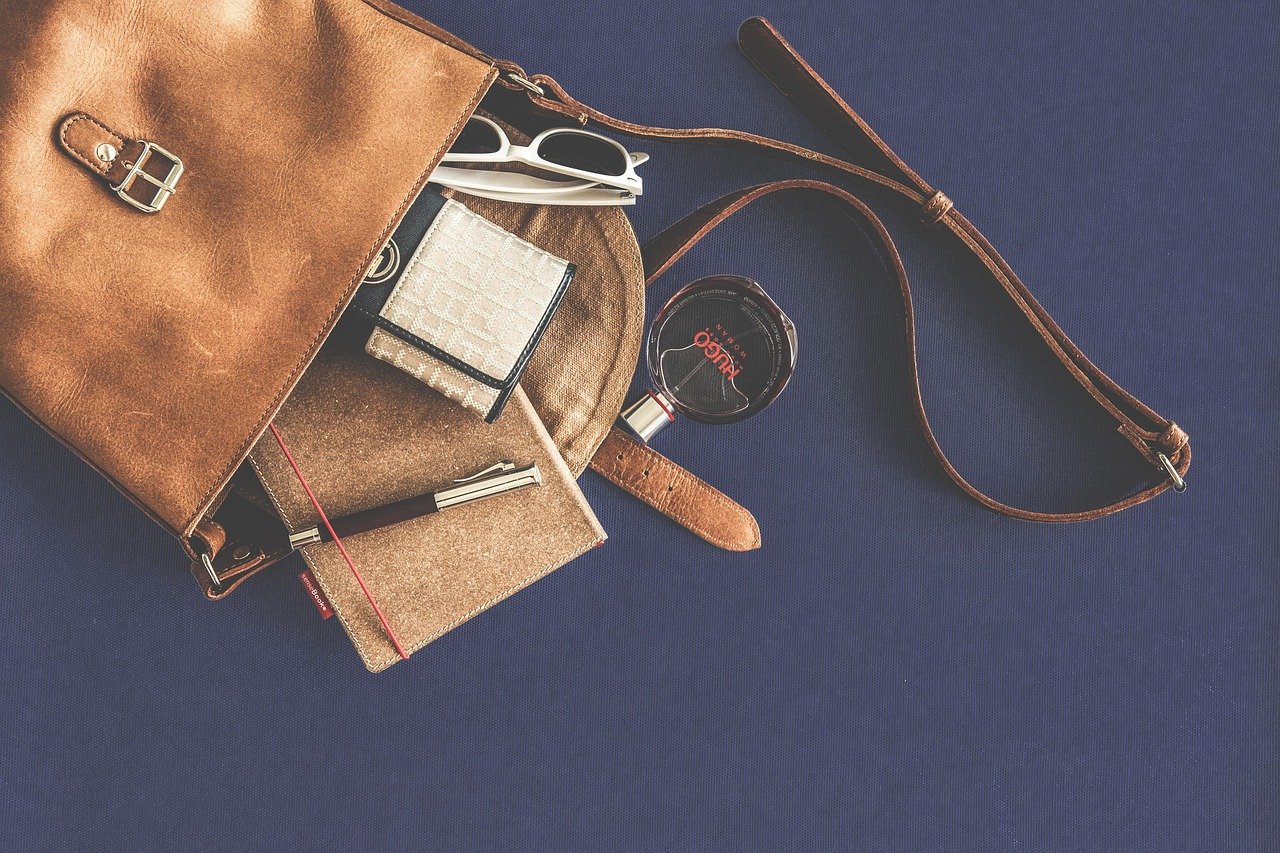
What makes a gift feel expensive? Is it the logo, the price tag, the weight of the box? Ask ten people who love nice things and you’ll get ten answers, but almost none of them will mention the receipt. That’s the strange truth about affordable luxury gifts for her: the ones that land hardest are rarely the ones that cost the most. They’re the ones that feel considered.
This guide is about that gap between price and perceived value. What separates a gift that feels luxurious from one that just cost a lot, where the smart entry points are, and how to avoid the traps that make “affordable luxury” a marketing phrase rather than a promise.
What “Affordable Luxury” Actually Means (and Doesn’t)
Here’s a fact worth knowing before spending a dollar: affordable luxury is a marketing term, not a defined standard. No regulator or standards body sets a price ceiling for it. Retail analysts use “accessible luxury” or “premium” to describe goods priced between mass market and true luxury, but the exact thresholds shift by category, season, and source. (Luxury goods)
That matters because brands lean on the phrase to justify markups. A candle in a heavy glass jar is not automatically luxury because the label says “artisanal.” The practical definition most shoppers use is simpler: a gift that shows craft, materials, and thought, at a price that doesn’t require a payment plan.
The entry points that genuinely deliver on that promise tend to cluster in a few categories:
| Category | Why it works as entry luxury | What to check |
|---|---|---|
| Small leather goods | Craft is visible; used daily | Stitching, edge finishing, lining |
| Fragrance and body sets | Curated presentation, lower price tier | Concentration, full-size vs. sample |
| Jewelry in precious metals | Materials hold real value | Hallmarks, plating vs. filled |
| Scarves and textiles | Tactile quality reads instantly | Fiber content, hand-feel, hem |
| Home and desk objects | Everyday visibility | Weight, finish, function |
Notice that none of these depend on a logo. That’s the point.
Small Leather Goods: The Classic Entry Point
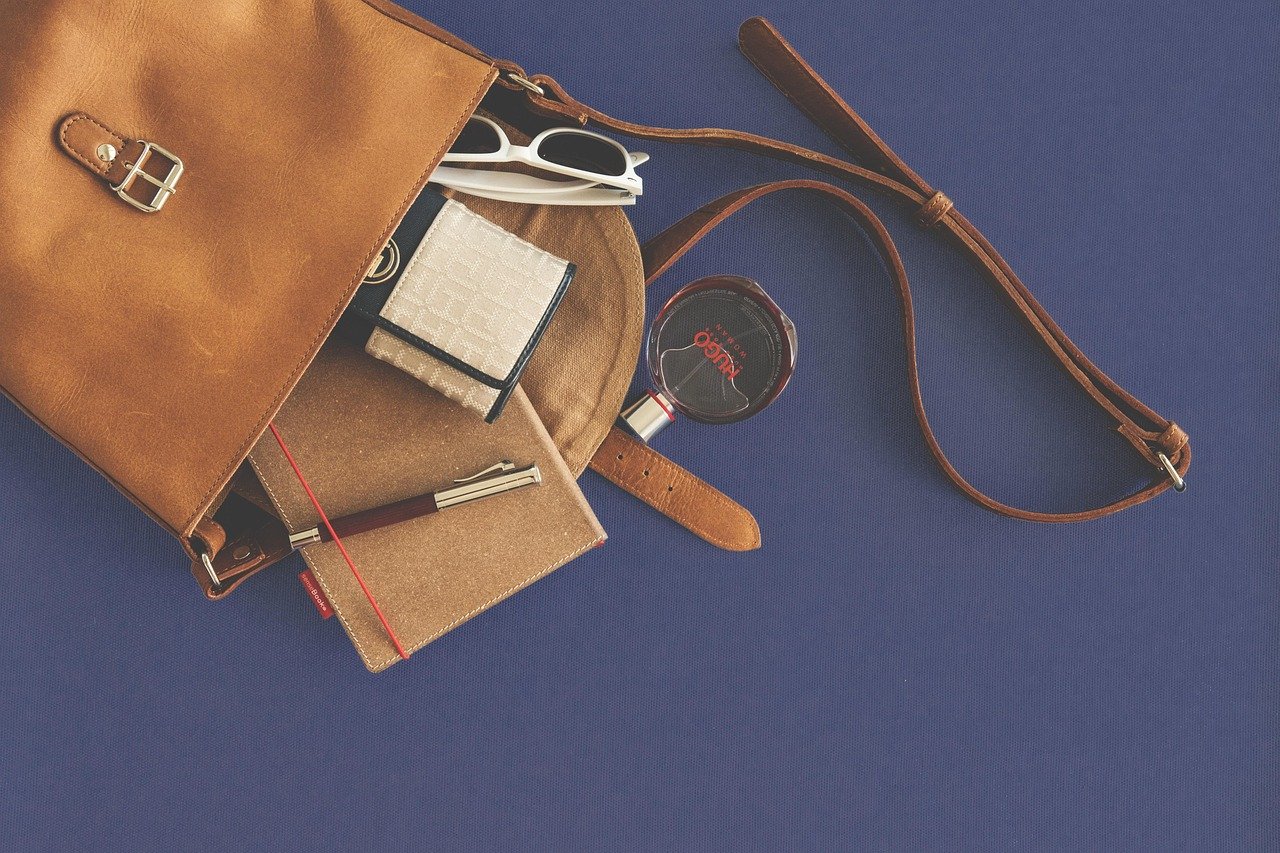
Wallets, card holders, passport covers, and key pouches from established houses are widely described as entry-level luxury items, and for good reason. The craft is visible. You can see whether the stitching is even, whether the edges are painted or raw, whether the lining is leather or synthetic.
Prices on these items change often and vary by region, so treat any figure you see online as a snapshot rather than a rule. The better approach is to compare construction across a few options rather than chasing a specific number.
Common mistakes people make here:
- Buying a wallet in a light color that shows wear within weeks. Nude and pale pink look beautiful in photos and unforgiving in a bag.
- Ignoring the closure. A zip-around costs more than a flap for a reason; it also lasts longer in daily use.
- Assuming a designer name guarantees leather. Some entry-price pieces are coated canvas, which is durable but a different product entirely.
If she already owns a wallet she loves, a card holder or a slim travel case adds something without duplicating.
Jewelry: Where Materials Tell the Truth
Jewelry is the category where “affordable” and “luxury” collide most honestly, because materials don’t lie. Sterling silver has a defined standard: 92.5% silver, often stamped 925. That’s a real benchmark you can check, and it’s why silver pieces hold up as gifts where costume jewelry doesn’t.
Gold is trickier. Gold-filled and gold-plated are different constructions with very different wear characteristics, and the distinction matters enormously at lower price points. Gold-filled jewelry bonds a thick layer of gold to a base metal and can last years; gold plating is a thin surface layer that wears through. If a piece is described as “gold,” it’s worth knowing which one you’re buying. The encyclopedia entry on how gold-filled jewelry differs from plated pieces explains the construction in plain terms.
In the United States, the Federal Trade Commission’s Jewelry, Precious Metals and Pewter Industries Guides set out how gold, silver, and gemstone claims may be described, including rules against passing plating off as solid gold. The same guidance covers disclosure of treatments and lab-grown versus natural stones. Worth a skim if the gift involves gemstones, because “lab-grown” is a legitimate category, not a red flag, as long as it’s disclosed.
Practical tip: for a first fine-ish jewelry gift, a pair of sterling hoops or a single pendant beats a statement piece. It gets worn. Statement pieces sit in drawers.
Fragrance and Beauty Sets: Presentation Does Heavy Lifting
Curated gift sets from mass and “masstige” beauty brands are one of the most reliable lower-price entry points into luxury gifting. The reason is presentation: a boxed set with a full-size bottle and a travel spray reads as generous in a way that a single item at the same total cost does not.
The trap is concentration and size. A set built around sample vials is not the same gift as one with a full-size bottle, even if the packaging looks similar. Check what’s actually full-size before comparing prices.
Fragrance is also the category most likely to go wrong on personal taste. If you don’t know her signature scent, a body care set from a house she already uses is safer than a blind fragrance buy. Scent is intimate; a lotion she’ll actually finish is a better bet than a bottle she’ll display.
Personalization: The Cheapest Way to Look Expensive
A monogram costs little and changes everything. Engraved initials on a compact, embossed initials on a leather pouch, a name on a jewelry box: personalization signals effort, and effort is the currency of gifting.
That said, personalization has rules. Initials on a wallet are charming; a full name on a handbag is a commitment she may not want. Stick to initials, a date, or a short word. And check the return policy before you customize anything, because engraved items are usually final sale.
For more on where personalization pays off and where it backfires, this guide to personalized luxury gifts that actually make them worth it covers the practical side well.
Tech and Home: Where “Affordable” Gets Complicated
Tech is the category where affordable luxury gets slippery. A well-made pair of headphones or a compact speaker can absolutely read as a luxury gift, but the price-to-perceived-value math is different from leather or jewelry. Electronics date quickly, and a mid-tier device can feel like a compromise in a way a mid-tier scarf never does.
If you’re going the tech route, the smarter move is usually a smaller, beautifully made object rather than a discounted version of a flagship product. A well-designed charging dock or a quality pair of earbuds in a considered case beats a marked-down tablet. The same logic applies to home objects: a heavy brass candle snuffer or a hand-thrown ceramic vase costs less than a gadget and stays on display for years.
For a fuller breakdown of where tech earns its price, this piece on luxury tech gifts that actually justify the price is a useful sanity check.
Match the Gift to the Occasion
The same budget buys very different things depending on the moment. A birthday gift can be playful; an anniversary gift usually needs to carry more weight. Getting this wrong is one of the most common mistakes, and it’s not about money.
- Birthday: something she’d buy herself but hesitates over. A silk scarf, a nice candle, a piece of jewelry in her usual metal.
- Anniversary: something with staying power. Engraved jewelry, a leather piece, a small object with a date attached.
- Wedding or engagement: something for the home or a keepsake. This guide to luxury wedding gifts couples actually keep covers the shared-gift angle.
- Corporate or professional: neutral, useful, and easy to regift if it isn’t right. See luxury corporate gifts that build relationships for the etiquette.
- Stocking fillers: small, tactile, low-risk. This roundup of luxury stocking fillers that carry real weight is a good starting point.
The Sustainability Claim Problem
Many “affordable luxury” gifts arrive with language about being eco-friendly, sustainable, or responsibly made. Treat those words carefully. Environmental marketing claims face real scrutiny, and the FTC’s Green Guides explain what marketers may and may not say about environmental benefits. Vague claims like “eco-friendly” are exactly the kind regulators flag.
Practically, this means buying fewer, better things and ignoring the green ribbon on the box. A well-made leather wallet used for a decade is a better environmental outcome than three “sustainable” alternatives that fall apart. If a brand’s sustainability language is vague, that’s information.
Gift Cards and Returns: Read the Fine Print
Gift cards feel like a cop-out, but they’re sometimes the honest choice for a category where taste matters, like fragrance or jewelry. Just know the rules. In the United States, gift card fees and expiration dates are regulated under the CARD Act, and the Consumer Financial Protection Bureau’s consumer guide to gift cards explains what protections apply. Rules differ by country, so don’t assume.
Returns matter just as much. Customized items are usually final sale. Sale items often are too. Check before you buy, especially online.
What Actually Works in Practice
After all the categories and caveats, a few patterns hold up.
Buy the version she’d use, not the version that photographs well. A pale suede card holder is a beautiful object and a poor daily companion.
Spend on materials, not packaging. The box goes in recycling. The stitching stays.
One good thing beats three okay things. This is the single biggest upgrade most gift-givers can make.
Keep the receipt and the return window. Confidence in a gift is not the same as certainty.
Write the note. A handwritten line about why you chose it does more work than the item’s price tag, and it costs nothing.
For a broader look at how to choose well across categories, this practical guide to luxury gifts for him applies the same logic in reverse, and the anniversary gifts that earn their price tag piece digs into the higher-stakes end of the spectrum.
Conclusion
Affordable luxury isn’t a price bracket. It’s a set of signals: real materials, visible craft, a thoughtful match between object and person. The gifts that feel expensive years later are almost never the ones that cost the most on the day. They’re the ones she reaches for without thinking, the ones that fit her hands and her habits.
So skip the price ceiling and ask a better question. Will she use this next month? Next year? If the answer is yes, you’ve found the sweet spot, whatever the number on the tag says.
Frequently Asked Questions
What counts as an affordable luxury gift?
There’s no official definition, because “affordable luxury” is a marketing term rather than a regulated standard. In practice, it means a gift with visible craft and quality materials at a price below true luxury tiers. Small leather goods, sterling silver jewelry, curated beauty sets, and quality textiles are the most common entry points.
Is gold-plated jewelry worth buying as a gift?
It depends on wear. Gold-plated pieces have a thin surface layer that wears through with daily use, while gold-filled jewelry bonds a thicker layer of gold and lasts considerably longer. For a gift meant to be worn often, gold-filled or sterling silver is the safer choice. Check how the piece is described before buying.
How can I tell if a “luxury” gift is actually good quality?
Look at construction, not branding. Check stitching evenness, edge finishing, lining material, hallmarks on metal, and fiber content on textiles. A recognizable name doesn’t guarantee quality at entry price points, and some pieces at that level are coated canvas rather than leather.
Are personalized gifts a good idea?
Usually yes, with limits. Initials, a short date, or a single word work well and signal effort. Full names on large items can feel like a commitment the recipient didn’t ask for. Always check the return policy first, since engraved and embossed items are typically final sale.
What’s a safe affordable luxury gift if I don’t know her taste?
Go for something useful in a neutral material. A leather card holder, a silk scarf in a classic print, or a body care set from a brand she already uses are all low-risk. Avoid fragrance unless you know her signature scent, and avoid anything that requires a specific fit.
Do sustainability claims on luxury gifts mean anything?
Treat them with caution. Environmental marketing claims are regulated, and vague terms like “eco-friendly” or “sustainable” are exactly what regulators scrutinize. The most reliable sustainability signal is durability: a well-made item used for years beats a disposable one with a green label.