
American Luxury Brands in 2026: What Really Counts?
 Abdul WadoodLast updated

What makes a luxury brand American? Is it where the company was founded, where it makes its products, who owns it today, or simply the story it tells? That question sounds academic until you try to build a list. Then it gets messy fast.
Tiffany & Co. was born in New York in 1837. Today it belongs to France’s LVMH. Coach grew out of a family leather workshop in Manhattan in 1941 and now sits inside a publicly traded group. Ralph Lauren built a global empire on a version of America that never fully existed. All three get called American luxury brands, yet each one passes a different test.
This guide walks through the names that matter, the criteria people use to judge them, and the traps that trip up shoppers and list-makers alike. By the end, the label should feel less like a mystery and more like a set of choices.
The Definition Problem: Who Decides What Counts?
There is no official US registry of luxury brands. No government body certifies the label. It is a marketing and industry convention, which means every list is a judgment call.
That matters because “luxury” can carry real legal weight. In 2024, US antitrust enforcers challenged a proposed merger between Tapestry (Coach’s parent) and Capri Holdings, arguing that “accessible luxury” handbags form a distinct market. A federal judge blocked the deal in October 2024, and the companies walked away the following month. The FTC’s cases and proceedings library documents the challenge, and it shows something useful: luxury is not just a mood. It can define a market in court.
So when someone asks whether a brand is “really” luxury, the honest answer is usually another question. Which criterion are we using?
Four Tests People Use
| Test | What it asks | Example that passes | Example that fails |
|---|---|---|---|
| Founding | Was the company started in the US? | Tiffany (1837) | Brands founded in Europe |
| Headquarters | Is it based in America now? | Ralph Lauren | Foreign-owned firms run from abroad |
| Ownership | Do Americans control it? | Estée Lauder | Tiffany under LVMH |
| Design and identity | Is the brand’s image American? | Coach | European houses with US stores |
Most disagreements come from people quietly using different rows of that table. A shopper who cares about craftsmanship may not care who owns the company. An investor cares almost entirely about ownership. Neither is wrong.
Fashion and Leather: The Core of American Luxury
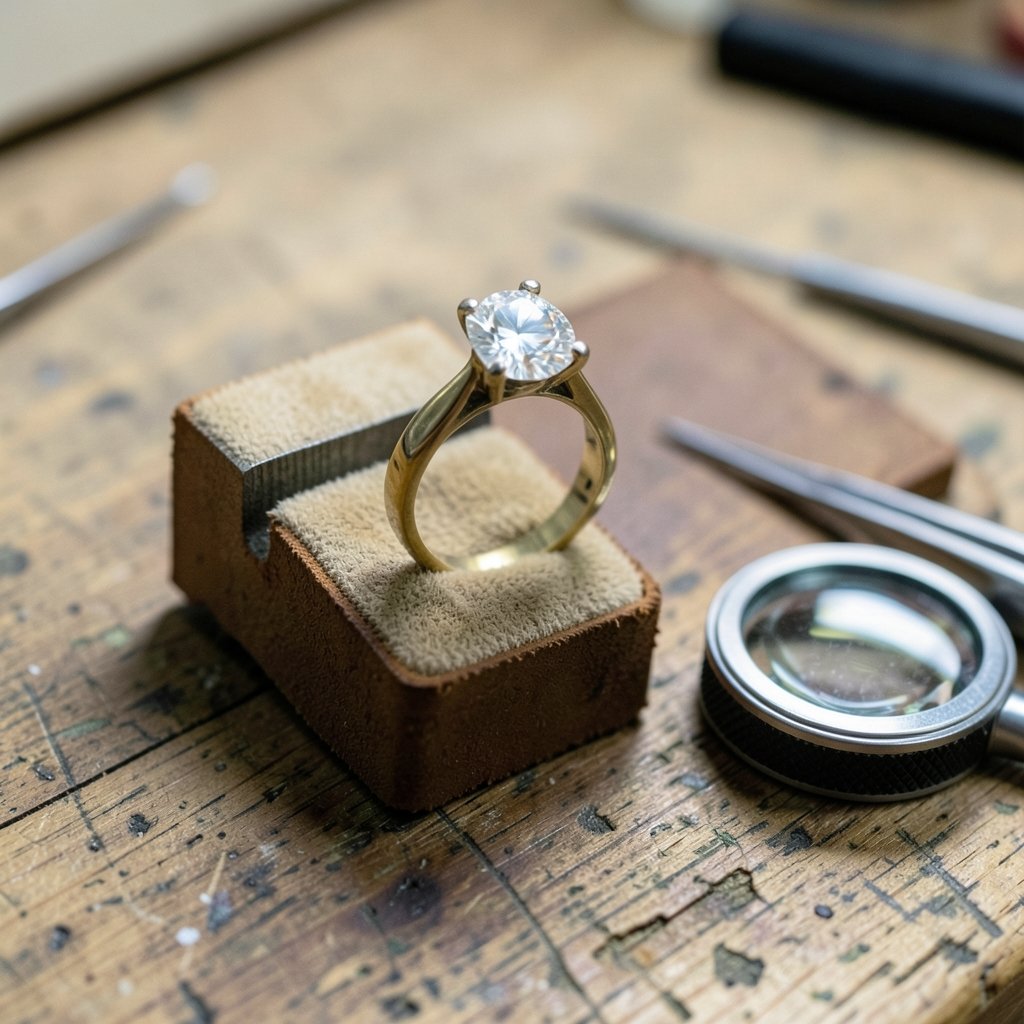
Tiffany & Co.
Founded in New York in 1837, Tiffany is the classic case study. It built its reputation on the Blue Box and, in 1886, the Tiffany Setting engagement ring, a design that lifted the diamond above the band so light could pass through. That single piece of engineering did more for the brand than any ad campaign.
The ownership story is the twist. LVMH agreed to buy Tiffany in November 2019 for about $16.2 billion. The deal closed in January 2021 after the price was trimmed to roughly $15.8 billion. The Britannica entry on Tiffany & Co. gives a neutral overview of the company’s history if you want the longer arc.
Is Tiffany still American? By founding and identity, yes. By ownership, no. Both statements are true at once.
Coach
Coach started in 1941 as a family leather workshop in New York. It is now part of Tapestry, Inc., which also owns Kate Spade and Stuart Weitzman. Coach is the best example of what the industry calls accessible luxury: goods priced well above mass market but far below European couture.
That positioning is exactly what made it legally interesting. The blocked Tapestry–Capri merger turned on whether accessible luxury is its own market. For shoppers, the practical lesson is simpler. Coach’s leather quality has been consistent for decades, and its resale value is modest compared with heritage European houses. Buy it for daily use, not as an investment.
Ralph Lauren
Ralph Lauren began in 1967, when its founder started selling wide neckties under the Polo name. What he built was not just a clothing line but an atmosphere: stone barns, weathered leather, old money that may or may not have existed.
This is a distinctly American trick. European houses lean on centuries of royal patronage. Ralph Lauren leaned on an imagined estate. It worked, and it explains why the brand still reads as aspirational even at moderate price points.
Estée Lauder
Founded in New York in 1946 by Estée and Joseph Lauder, the company proves that luxury extends well beyond fashion. Its portfolio includes Estée Lauder, Clinique, MAC and La Mer. Prestige beauty is a huge category, and American firms have been central to it.
If you are mapping the wider landscape, the best Korean luxury beauty brands and what sets them apart makes a useful comparison point. K-beauty built its prestige on ingredient science and rapid innovation rather than heritage, which is a very different playbook from the American one.
Beyond Clothing: Cars, Homes and Fragrance
Luxury is not a single industry. American brands show up across several.
Automobiles
Cadillac was founded in 1902 and is part of General Motors; the Britannica entry on Cadillac covers its origins and GM ownership. Lincoln was founded in 1917 and belongs to Ford. Both have spent decades chasing European rivals on refinement.
Tesla is often grouped with premium and luxury EVs, but that classification is genuinely debated. Its pricing and technology push it into the conversation; its interior materials and service model pull it out. For a closer look at how a luxury car brand justifies its premium, the Bentley story and what separates it from other luxury marques is a good read. The same logic applies to Honda’s upscale arm, explored in how Acura makes Honda’s luxury brand different. (Luxury goods)
Fragrance and Home
Home fragrance has become a serious luxury category, with candles and diffusers priced like accessories. American brands compete here on packaging and storytelling as much as on scent. If you are comparing options, this guide to the best luxury home fragrance brands worth the investment lays out what separates a considered purchase from an expensive one.
Handbags and Quiet Style
Not every American luxury purchase is loud. A growing segment of buyers wants understated pieces without visible logos. The best quiet luxury handbag brands for understated style covers that shift in detail, and it is a useful counterweight to the logo-heavy era.
The Ownership Question Nobody Wants to Ask
Here is the uncomfortable pattern. Several of the most recognizable American luxury names are no longer American-owned. Tiffany joined LVMH in 2021. Others have moved through conglomerate hands over the years.
This is not a scandal. It is how luxury works globally. But it does mean that “American luxury brand” often describes origin and identity rather than current control.
A practical way to handle it: decide which criterion matters to you and state it. If you care about where profits go, ownership is your test. If you care about design language and heritage, founding is your test. If you care about craft and materials, none of the above matters much, and you should judge the product itself.
What Actually Works When You Buy
Experience across these categories points to a few habits that separate satisfied buyers from regretful ones.
- Check the maker, not the logo. A brand name tells you about marketing. A product label or maker’s mark tells you about construction.
- Ask what the premium pays for. Sometimes it is materials. Sometimes it is service and repairs. Sometimes it is purely the name. All three are legitimate, but only two add lasting value.
- Look at resale before you buy. Strong resale signals durable demand. Weak resale signals a brand riding a trend.
- Buy the classic line first. Heritage houses keep their core pieces in production for decades. Trend pieces date quickly.
- Verify ownership if it matters to you. Corporate filings are public and take minutes to check.
Common Mistakes
The biggest error is assuming that “American” means “made in America.” It does not. Many US luxury brands manufacture abroad, and many European brands manufacture in the US. Origin of the company and origin of the product are separate facts.
The second error is treating a list as a verdict. Any roundup of American luxury brands reflects the author’s criteria. Read the criteria before you trust the ranking.
The third is confusing price with quality. A high price can reflect scarcity, craftsmanship, marketing spend, or all three. Only one of those shows up in the stitching. (What Is a Trademark?)
Heritage Stories That Sell
Brands in this space invest heavily in origin stories, and the American ones are unusually good at it. Chanel’s rise from a Paris hat shop to a global house is the European template, told in this history of Chanel from hat shop to luxury empire. The American equivalent often starts with a workshop, a family, or a single product.
Valentino’s path from a Rome atelier to global luxury follows a similar arc of craft plus narrative, covered in this Valentino brand history from Rome atelier to global luxury. Studying both makes the American approach clearer. Where European houses inherited prestige, American ones often manufactured it.
Family ownership is another thread. Some buyers deliberately seek out firms still run by the founding family, and this look at family-owned luxury brands that still answer to the family explains why that structure changes how a brand behaves.
How to Judge Any American Luxury Brand
If you want a repeatable method rather than a list, use this sequence.
- Identify the founding year and city.
- Identify current ownership and headquarters.
- Check where the core products are made.
- Compare the price against comparable goods from other houses.
- Look at repair and after-sales service.
- Check resale values for the specific line you want.
Run those six steps on any name and you will know more than most shoppers. You will also spot the brands that lean on heritage while quietly outsourcing everything that made the heritage real.
Conclusion
American luxury is less a category than a set of overlapping claims. Tiffany is American by birth and French by ownership. Coach is American by origin and global by structure. Ralph Lauren is American by invention. Estée Lauder is American by family and by category. Cadillac and Lincoln are American by industry.
None of that makes the label meaningless. It just means the label needs a definition attached. Decide what you are actually buying: a story, a craft object, an investment, or a piece of identity. Once you know that, the right brand becomes obvious, and the lists matter a lot less.
Frequently Asked Questions
Is Tiffany & Co. still an American luxury brand?
By founding and identity, yes. Tiffany was founded in New York in 1837 and remains closely tied to that city. By ownership, no. LVMH, a French group, completed its acquisition in January 2021. Which answer is correct depends on whether you are judging origin or control.
What is the difference between luxury and accessible luxury?
Luxury typically means very high prices, limited production, and strong heritage. Accessible luxury sits below that: premium materials and branding at prices a broader group can reach. Coach is the standard American example. The distinction became legally relevant when US regulators treated accessible luxury handbags as a separate market in a 2024 merger challenge.
Are American luxury brands made in the United States?
Not necessarily. Company origin and manufacturing location are separate facts. Many American luxury brands produce some or all of their goods abroad, and some European brands manufacture in the US. If domestic manufacturing matters to you, check the product label rather than the brand’s founding story.
Which American car brands count as luxury?
Cadillac, founded in 1902 and owned by General Motors, and Lincoln, founded in 1917 and owned by Ford, are the clearest cases. Tesla is often included in premium and luxury discussions, but that classification is genuinely debated because pricing, materials and service pull in different directions.
Why do so many American luxury brands get acquired by foreign groups?
Luxury is a global business with large conglomerates that can fund expansion, real estate and marketing at a scale few independent firms can match. Acquisition does not erase a brand’s origin, but it does change who controls it and where profits flow. Buyers who care about that should verify ownership through public corporate filings.
How can I tell if a luxury brand is worth the price?
Compare the product against similar goods from other houses, check where it is made, look at repair and after-sales service, and review resale values for that specific line. A premium can be justified by materials, by service, or by brand name alone. Knowing which one you are paying for is the whole exercise.