
Splitsville Luxury Lanes: Upscale Bowling & Dining Guide
 Abdul WadoodLast updated
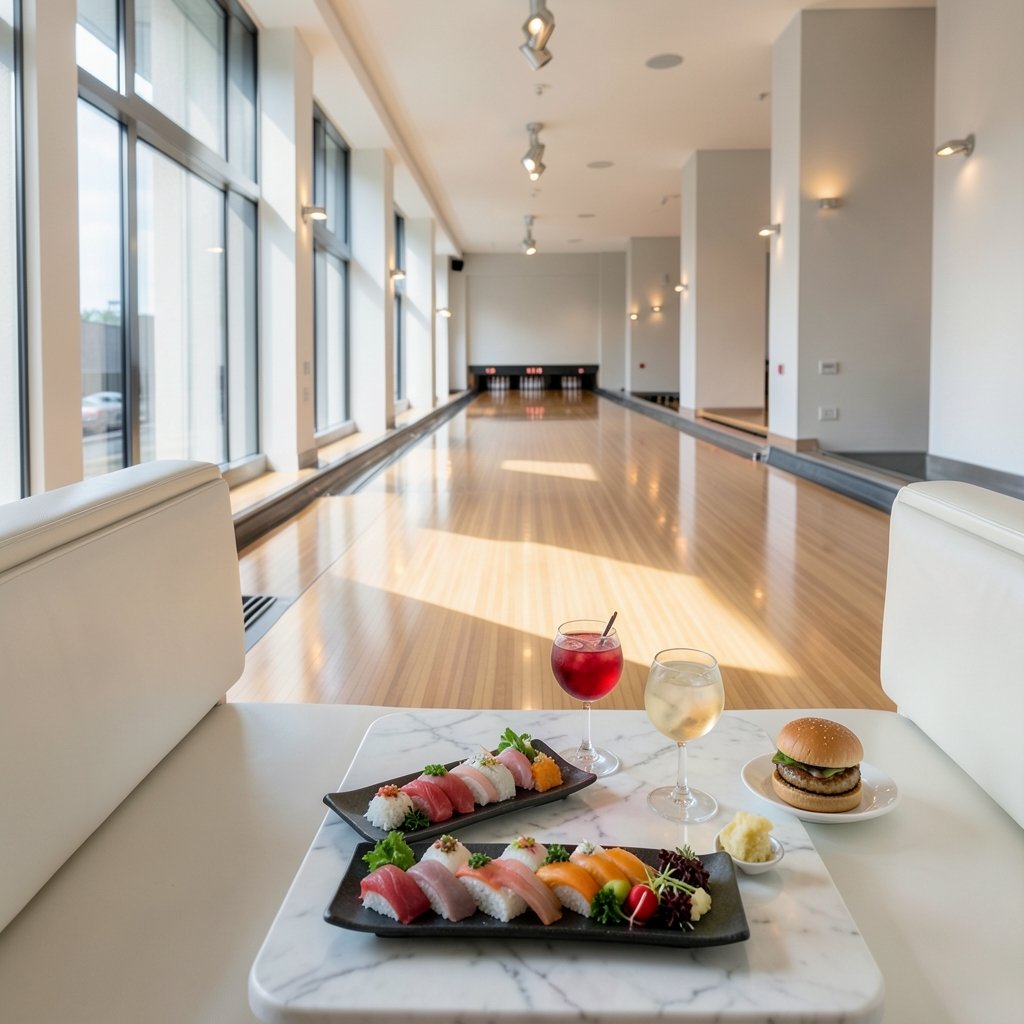
What happens when you take a bowling alley and hand it a chef’s kitchen, a full bar, and a design budget? You get a place like Splitsville Luxury Lanes, a bowling-and-dining chain that has spent years trying to convince people that rolling a heavy ball at pins can feel like a night out rather than a gym class. The concept sounds simple on paper: combine bowling with good food and drinks in a polished setting. In practice, it’s a business model that lives or dies on execution, and Splitsville is one of the most recognizable names in that space. (Bowling)
This article takes a balanced look at what Splitsville Luxury Lanes actually is, how the “luxury” label holds up, what a visit tends to involve, and where the experience shines or falls short. It’s written for anyone curious about the brand, planning a group outing, or simply wondering whether “luxury bowling” is a real thing or clever marketing.
What Is Splitsville Luxury Lanes?
Splitsville Luxury Lanes is a U.S. bowling-and-entertainment chain that pairs traditional ten-pin bowling with a full restaurant and bar. The brand positions itself as an upscale alternative to the classic smoky bowling alley, leaning on modern interiors, made-to-order food, and a lively social atmosphere aimed at families, couples, and corporate groups.
The name itself is a wink. In bowling, a “split” is a difficult leave where the pins are separated by a gap, and “Splitsville” is slang for being in trouble. Turning that into a brand suggests the company knows its audience isn’t there for league competition. It’s there for a fun night with decent food and a drink in hand.
Splitsville has operated locations across several states, including Florida, Texas, California, and Massachusetts, and it has been closely associated with the Disney Springs entertainment district in Florida. That kind of placement matters. A location inside a major tourism and shopping complex puts the brand in front of visitors who are already in a spending mood and looking for something to do after dinner.
How the “Luxury” Label Actually Works
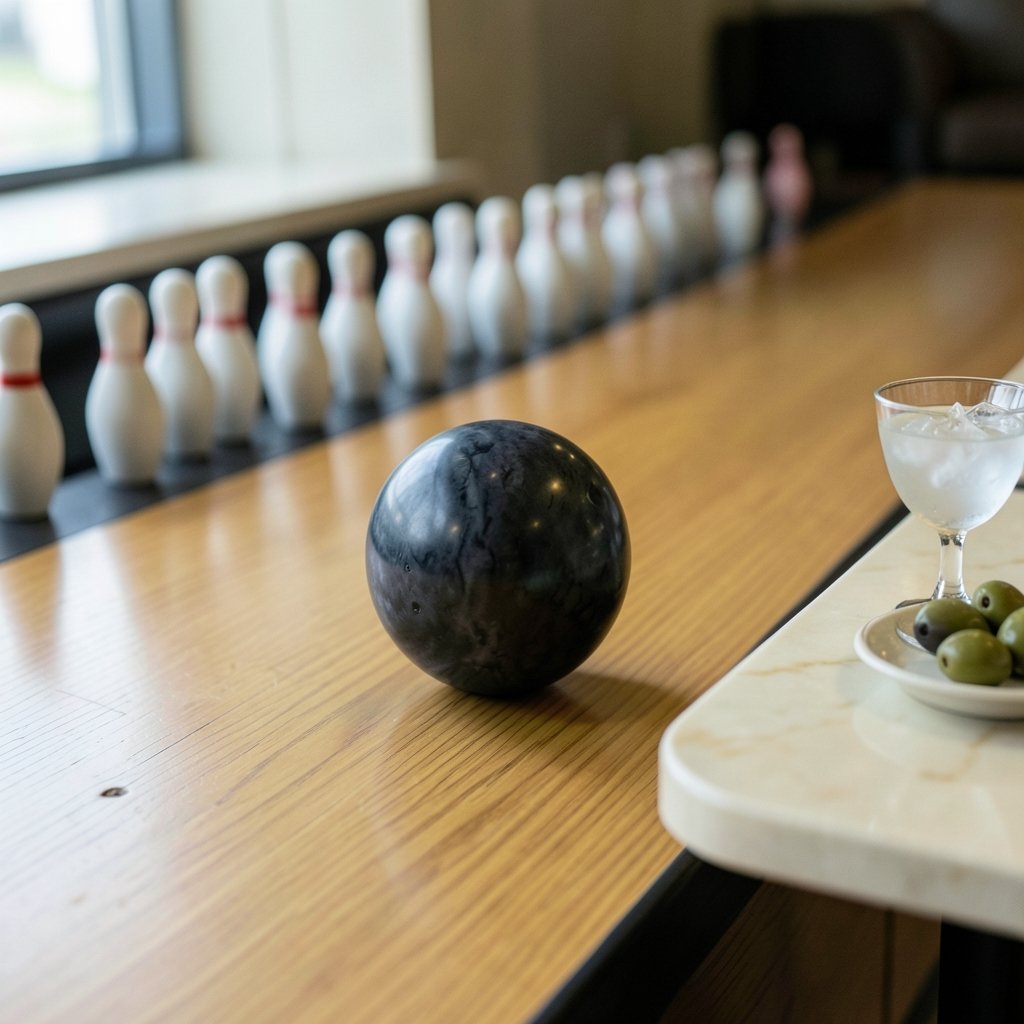
The word luxury gets used loosely in entertainment. Splitsville isn’t a luxury hotel or a Michelin-starred restaurant, and it doesn’t pretend to be. The label here is more about polish than opulence. It signals a step up from the traditional alley: better lighting, cleaner lanes, a real menu, and service that treats you like a guest rather than a lane number.
That positioning is smart because it reframes bowling as an experience rather than a cheap hobby. Instead of a dark room and a vending machine, you get a table, a server, and a menu with sushi, burgers, pizza, and cocktails. The lanes become the centerpiece of a social evening, not the whole event.
It’s worth noting that this “elevated casual” approach is part of a broader shift in how people spend leisure money. Consumers increasingly want experiences that combine several things at once: food, drinks, activity, and atmosphere. Bowling is a natural fit because it’s social, low-skill-friendly, and works for groups of almost any size. If you enjoy thinking about how brands upgrade everyday activities into premium experiences, the same logic shows up in the article on conscious luxury and buying better rather than more, which explores how “better” often beats “more.”
What a Typical Visit Involves
A visit to Splitsville generally follows a predictable rhythm, and knowing it in advance helps you plan a smoother outing.
- Arrival and lane assignment. You check in, and if the venue is busy, you may be placed on a wait list. Prime evening slots fill fast, especially on weekends and around holidays.
- Seating and ordering. Unlike a bare-bones alley, Splitsville seats you at a lane-side table where you can order food and drinks. Servers handle the ordering so you don’t have to abandon your game.
- Bowling in rounds. You bowl, eat, talk, and bowl again. The pace is relaxed, and a lane is typically rented by time rather than by game, which changes how you plan your session.
- Billing and departure. Food, drinks, and lane time are usually billed together, so it helps to agree on splitting the check before anyone orders a second round.
That time-based rental model is one of the most important practical details, and it’s where first-timers often get surprised. If you’re used to paying per game, a timed lane can feel different. A group that dawdles over appetizers may bowl fewer frames than expected, while a fast, focused group gets more value. The fix is simple: decide before you arrive whether the priority is the food or the frames, and order accordingly. (Bowl.com)
The Food and Drink Side of the Business
The restaurant is not an afterthought at Splitsville. It’s central to the pitch. The menu tends toward American crowd-pleasers with a few crowd-friendly twists: sushi rolls, burgers, flatbreads, wings, salads, and desserts, plus a bar program with cocktails, beer, and wine.
This matters more than it might seem. A bowling alley that serves great food turns a one-hour activity into a two- or three-hour evening, which raises the average spend per guest. It also gives non-bowlers a reason to come along. That’s a real advantage for mixed groups where grandma doesn’t want to bowl but is happy to eat and watch.
The trade-off is that food quality can vary by location. Chains that scale quickly sometimes struggle to keep kitchens consistent, and reviews across different Splitsville venues reflect that. Some guests rave about the food; others describe it as decent but not the reason to return. The honest read is that the kitchen is designed to be good enough to anchor the experience, not to win culinary awards.
Who Splitsville Is Really Built For
Splitsville’s sweet spot is the group that wants a single venue where everyone can do something. That covers a lot of ground.
| Group type | Why it works | What to watch for |
|---|---|---|
| Families with kids | Bowling is easy to learn and keeps children busy | Later evenings can get loud and busy |
| Corporate outings | One venue covers activity, food, and drinks | Book ahead for larger groups |
| Dates and couples | Casual, low-pressure, and social | Weekend waits can kill spontaneity |
| Birthday parties | Built-in entertainment plus catering | Package pricing varies by location |
| Tourists | Convenient inside entertainment districts | Peak-season crowds and pricing |
The common thread is that Splitsville works best when the activity is the point and the food is the supporting act. Groups that arrive expecting a fine-dining experience may leave underwhelmed. Groups that arrive expecting a fun, well-run night out with better-than-average alley food usually leave happy.
For bigger family occasions, the same planning logic that applies to any multi-age outing applies here. If you’re coordinating grandparents, teenagers, and young children, the guide to planning a multigenerational luxury trip that works for every age offers a useful framework for choosing activities that keep everyone engaged, which is exactly the problem Splitsville is trying to solve under one roof.
Common Mistakes First-Timers Make
A few avoidable missteps come up again and again.
Assuming you can walk in on a Saturday night. Prime slots at popular locations fill up. Reserving a lane in advance is the single easiest way to avoid a disappointing evening.
Ignoring the time-based lane rental. Groups that treat the lane like an all-you-can-bowl pass end up rushed at the end. Check how long your reservation covers before you sit down.
Ordering heavily before bowling. Food is part of the fun, but a table full of apps and entrees can eat into your lane time. Many regulars bowl first and eat after, or split the session in two.
Forgetting the group dynamic. Bowling is more fun when everyone plays. If part of your group doesn’t want to bowl, seat them near the lane so they’re still part of the evening rather than stranded at a distant table.
Expecting a quiet night. These venues are designed to be lively. If you want a calm dinner, this isn’t the place on a Friday night.
How Splitsville Fits Into the Wider “Experience” Trend
Splitsville is a good example of a larger shift in leisure spending: the move from buying things to buying experiences. Bowling, once a budget pastime, has been repackaged as a premium social outing with food, drinks, and design. The same playbook shows up in boutique fitness, escape rooms, and upscale cinemas.
This is also why the “luxury” label isn’t as silly as it first sounds. Luxury in this context means care and polish, not exclusivity. A well-run venue with good lighting, clean lanes, attentive staff, and a menu that doesn’t feel like an afterthought delivers something genuinely nicer than the alternative. That’s a legitimate upgrade, even if it doesn’t come with a dress code.
The brand also benefits from its association with major entertainment districts. Being located where tourists already gather gives Splitsville steady foot traffic and a built-in audience that’s open to spending on a fun evening. The downside is that it can make the venue feel like a tourist attraction rather than a neighborhood spot, and locals may gravitate elsewhere during peak season.
What to Expect on Price and Value
Pricing varies by location and by time of day, but the general structure is consistent: you pay for lane time plus whatever you eat and drink. That combination can add up quickly, especially for larger groups or during peak hours.
The value question depends on what you’re comparing it to. Against a bare-bones bowling alley, Splitsville costs more. Against a dinner plus a movie plus drinks, it often comes out competitive, and it keeps the whole group in one place. The people who feel they got their money’s worth tend to be the ones who booked ahead, went in with realistic expectations, and treated the evening as an experience rather than a cheap night out.
If you’re the type who researches before you spend, the same instinct applies to bigger purchases too. The guide to the quietest luxury cars and what actually makes a cabin silent is a good example of how “premium” claims deserve a closer look before you pay for them.
Conclusion
Splitsville Luxury Lanes isn’t really about luxury in the traditional sense. It’s about turning bowling into a complete social experience, with food, drinks, and a setting that feels a step above the alley you remember. For families, corporate groups, and anyone planning a night out where everyone can participate, that formula works. The food is solid rather than spectacular, the atmosphere is lively rather than refined, and the experience is best when you book ahead and go in knowing what you’re getting.
The brand’s real achievement is reframing a humble activity as a premium outing without losing what made it fun in the first place. Whether that’s worth the price is a personal call, but for a lot of groups, the answer is a clear yes.
Frequently Asked Questions
What is Splitsville Luxury Lanes known for?
It’s known for combining ten-pin bowling with a full restaurant and bar in an upscale, modern setting. The brand’s pitch is that bowling can be a polished social experience rather than a cheap hobby, with lane-side food service and a lively atmosphere.
Do you need to reserve a lane in advance?
It’s strongly recommended at popular locations, especially on weekends and during peak tourist seasons. Walk-ins are sometimes possible, but prime evening slots fill quickly, and a reservation is the simplest way to avoid a long wait.
Is Splitsville good for kids and families?
Yes. Bowling is easy to learn and keeps children engaged, and the food menu includes plenty of family-friendly options. Later evenings can get loud and busy, so families often prefer earlier time slots.
How does the pricing work?
You typically pay for lane time plus whatever you order from the food and drink menu. Because lanes are often rented by time rather than by game, a group that lingers over appetizers may bowl fewer frames than expected. Check the details when you book.
Is the food actually good?
Reviews vary by location. The menu leans toward American crowd-pleasers like burgers, pizza, wings, and sushi rolls, and most guests describe it as solid and enjoyable rather than exceptional. The kitchen is designed to support the experience, not to be the main attraction.
What should first-timers know before going?
Book ahead, check how long your lane reservation lasts, and decide whether you want to eat before or after bowling so you don’t lose lane time. Go in expecting a lively, social atmosphere rather than a quiet dinner, and agree on how the group will split the bill before ordering.