
Luxury Belt Guide 2026: Leather, Buckles & Fit
 Abdul WadoodLast updated
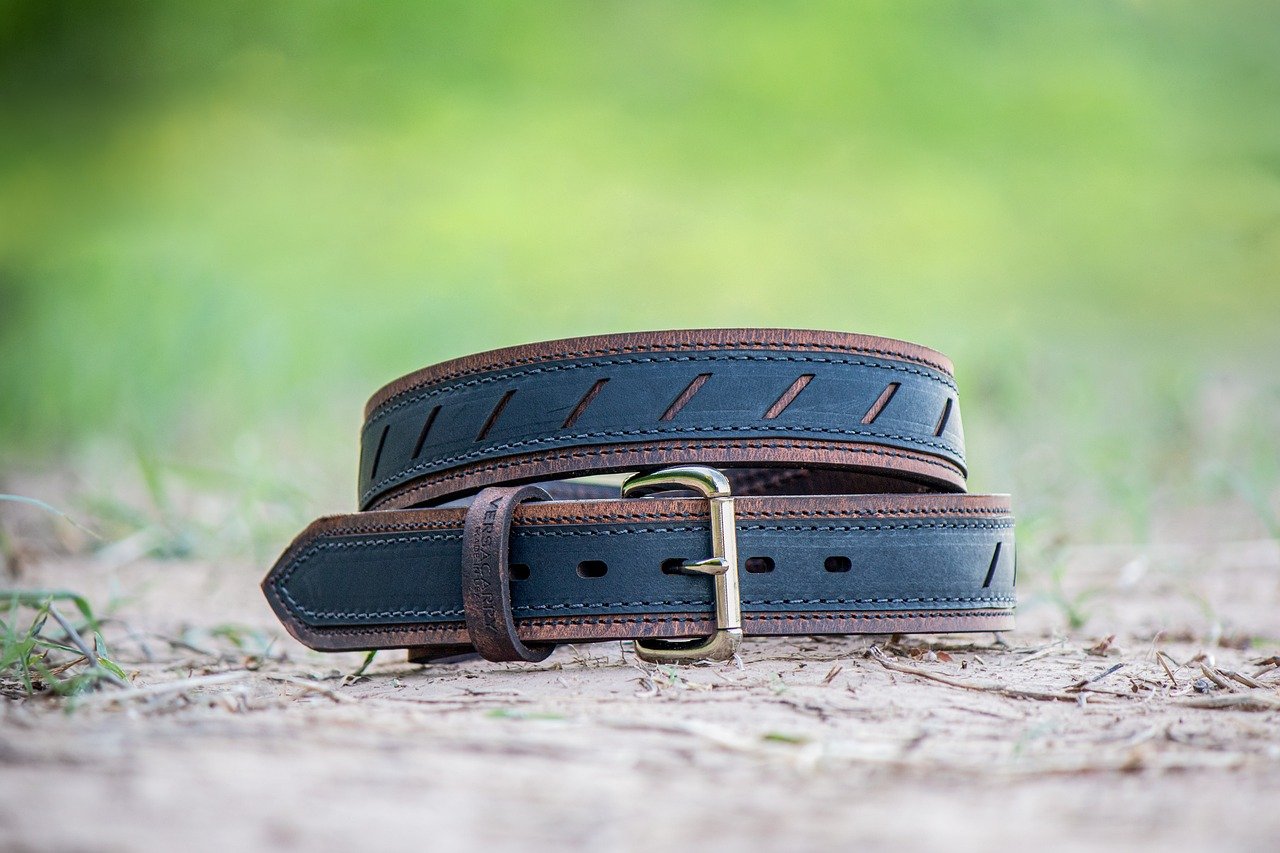
Can a belt really be the most expensive thing you own per square inch? Absolutely. A single strip of leather and a piece of metal can cost more than a good winter coat. And yet, walk into any serious wardrobe and you will find one belt that gets worn three times a week for fifteen years while five cheaper ones sit in a drawer, cracked and curled.
That gap is what this guide is about. Not the logo, not the hype, but the actual reasons a luxury belt behaves differently from a mall belt, where the money goes, how to spot a bad one, and how to avoid the expensive mistakes that even careful buyers make.
What actually makes a belt a luxury belt
The word luxury gets thrown around loosely in accessories. For belts, it usually means three things line up at once: the hide, the construction, and the hardware.
The hide is the big one. Most belts sold at low prices use split leather or bonded leather, which is shredded leather fibre glued and pressed into a sheet. It looks fine on day one. It delaminates by year two. Better belts use a single piece of full-grain leather, the outermost layer of the hide where the fibres are tightest and most intact. Full-grain keeps the natural grain, takes on a patina, and flexes instead of cracking.
Here is where buyers get tripped up. “Genuine leather” is not a grade. It is a marketing phrase, and in most markets there is no legal definition that separates it from the better stuff. The industry informally ranks full-grain, top-grain, corrected-grain, and bonded leather, but no regulator enforces those labels on belts. If a product page leads with “genuine leather” and nothing else, it has told you almost nothing.
Construction matters nearly as much. A quality dress belt is usually two thin layers of leather bonded and stitched around a stiffener, with the edges finished by hand or machine and sealed. Cheaper belts skip the stitching, or stitch only for decoration over a glued core. Turn the belt over. If the back looks like suede fuzz rather than finished leather, that is a clue about how much care went into the rest.
Hardware is the third leg. Solid brass buckles can be refinished and last decades. Stamped steel with thin plating pits and flakes, especially where it rubs against the prong. A buckle that feels cold and heavy in the hand is usually a good sign. One that feels hollow and light is not.
A short history of why belts became status objects
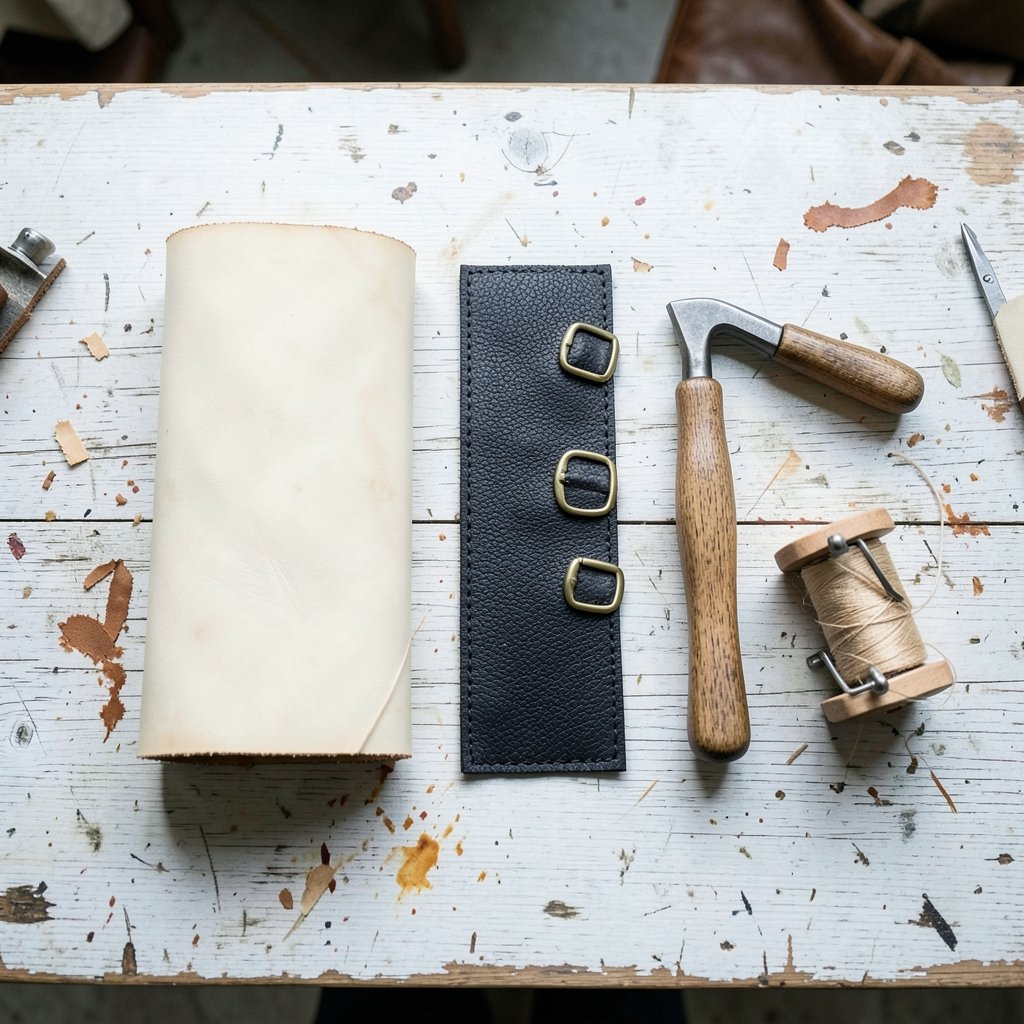
Belts are ancient functional objects. They became fashion objects much more recently, and the shift explains a lot about today’s pricing.
The modern luxury leather house grew out of saddlery. Hermès was founded in Paris in 1837 as a harness and saddle workshop before moving into handbags and leather goods, which is why its leather reputation carries so much weight. Gucci was founded in Florence in 1921, and its bamboo-handle bag dates to 1947, when wartime leather shortages pushed the house toward bamboo. These histories matter to belts because the same ateliers, tanneries, and finishing techniques fed both categories. When you buy a belt from a house with a saddlery or leather-goods lineage, you are paying partly for that accumulated skill.
The “It bag” era of the late 1990s and 2000s pushed accessories to the centre of luxury branding, and designer belts followed as logo-driven status items. That periodization is a fashion-press convention rather than a documented standard, so treat it loosely. But the commercial effect was real: belts became the cheapest entry point into a luxury house, and pricing adjusted accordingly.
If you want to see how this plays out across a full brand, the story of how Valentino grew from a Rome atelier into a global luxury house is a useful case study in how accessories carry a brand’s identity.
The leather grades, honestly compared
| Grade | What it is | How it ages | Typical belt price band |
|---|---|---|---|
| Full-grain | Whole top layer, natural grain intact | Darkens, softens, rarely cracks | High |
| Top-grain | Top layer sanded lightly | Ages well, slightly less character | Mid to high |
| Corrected-grain | Sanded and stamped with fake grain | Uniform, can flake at bends | Low to mid |
| Split leather | Inner layer, weaker fibres | Stretches, cracks at the holes | Low |
| Bonded leather | Leather fibre plus binder | Delaminates | Very low |
The practical test in a shop is simple. Bend the belt back on itself near the middle. Full-grain and good top-grain will wrinkle like skin. Corrected-grain shows a sharp crease that looks almost plastic. Bonded leather may show a visible white line where layers separate, which is your cue to put it down.
How to judge a belt in five minutes
Most people buy belts online now, which makes inspection harder. Here is a sequence that works in person and translates reasonably to good product photos.
- Check the edge finish. Painted or burnished edges should be smooth and even. Rough, fuzzy edges signal skipped steps.
- Count the stitches per inch. Dense, even stitching at the buckle fold and the tip is a sign of care. Loose, wavy stitching is not.
- Flex the buckle fold. This is where belts fail first. It should feel reinforced, not flimsy.
- Look at the holes. Cleanly punched, evenly spaced, with no tearing around the edges.
- Weigh it in your hand. A dress belt should feel substantial but not stiff as a board. A casual belt can be thicker.
- Ask what the lining is. Leather-lined beats fabric-lined for longevity, though fabric can be fine on casual styles.
A common mistake: buying a belt in the size you wear in trousers. Belt sizing usually refers to the length from the buckle to the middle hole, not your waist measurement. Measure an existing belt that fits well, from the fold at the buckle to the hole you actually use, and match that number. Getting this wrong is the single most frequent return reason for belts, and it is entirely avoidable. (Belt (clothing)))
Width, formality, and the fit rules that actually matter
Belt width is a formality signal, and getting it wrong is more noticeable than most people realise.
A dress belt is typically 25 to 30 mm wide, thin enough to sit under a suit jacket and through slim trouser loops. A casual belt runs 35 to 40 mm. Anything wider is a statement piece and should be treated as such. Wearing a wide casual belt with a suit reads as a mistake, not a choice.
Colour matching is the other classic rule. Brown belt with brown shoes, black with black. It is not absolute, but it exists for a reason: mismatched leather tones draw the eye downward and break the line of an outfit. The safest approach is to own two good belts, one brown and one black, before adding anything more adventurous.
Then there is the question of how much to own. The most useful mindset shift is to buy fewer, better things rather than filling a drawer. A practical guide to conscious luxury and buying better rather than more covers how to apply that logic to accessories without turning it into a moral exercise.
Care, repair, and making a belt last twenty years
A good belt does not need much, but it needs the right things.
Store it rolled or hanging, not folded sharply. Leather creases permanently at sharp folds. Keep it away from radiators and direct sun, which dry the oils out. Wipe it with a dry cloth after wear, and condition it once or twice a year with a neutral leather cream, sparingly. Over-conditioning softens the leather too much and can darken it unevenly.
The genuinely good news is repairability. Buckles can be replaced. Holes can be re-punched. Edges can be re-sealed. Stitching can be redone by a cobbler or leatherworker for a modest sum. This is the quiet argument for spending more: a well-made belt is a serviceable object, and a cheap one is not. When the cost of a repair is a fraction of replacement, the maths favours the better belt.
If you want a sense of how long good materials can last when cared for, the same logic applies across categories. The principles behind the quietest luxury cars and what actually makes a cabin silent are a reminder that in most luxury goods, the money goes into things you cannot see: material quality, tolerances, and finishing.
Exotic skins, counterfeits, and the legal side
Two areas deserve caution.
Exotic skins. Belts made from crocodilian or other restricted species fall under the Convention on International Trade in Endangered Species, and the CITES rules on trading endangered species mean permits are required and differ by species and country. Travelling with an exotic-skin belt without the right documentation can create real problems at a border. If a seller cannot explain the provenance and paperwork, walk away.
Counterfeits. Fakes are not a victimless bargain. Trademark infringement is a criminal matter in most jurisdictions, governed in the United States by the Lanham Act provision on trademark infringement and in the EU by the EU trade mark regulation. The scale is significant: the OECD has estimated that counterfeit and pirated goods traded internationally were worth up to roughly USD 464 billion, or about 2.5% of world trade, in 2019. Penalties vary widely by country, so do not assume a single rule applies everywhere.
Resale platforms publish their authentication processes, but independent, peer-reviewed accuracy data on authentication is scarce. Treat platform claims as marketing until you have your own reasons to trust a specific seller. (Trademarks)
Where the money actually goes
Buyers often assume the price of a luxury belt is mostly brand markup. Some of it is. But the cost stack is more interesting than that.
Tanneries that produce consistent full-grain hides charge significantly more than commodity suppliers, and yield per hide is lower because flaws get cut around. Hardware in solid brass costs multiples of plated steel. Hand-finishing edges takes time. Add distribution, retail, and yes, brand positioning, and the number starts to make sense.
The useful question is not “is this belt worth the money” but “what am I paying for.” A belt at a mid price with full-grain leather, solid hardware, and clean finishing is often the best value in the category. A belt at the top of the market is partly paying for scarcity and name. Both can be rational choices, as long as you know which one you are making.
Conclusion
A luxury belt earns its place through materials and construction, not through the label on the box. Full-grain leather, solid hardware, reinforced stitching at the buckle fold, and a clean edge finish are the things that decide whether a belt survives a decade of daily wear or gives up in eighteen months.
Buy two good belts in brown and black before anything else. Measure an existing belt rather than guessing your size. Learn to tell full-grain from bonded leather by feel. And treat repair as part of ownership rather than a failure. Do those things and the cost per wear drops to almost nothing, which is the only luxury metric that really holds up.
Frequently asked questions
How can I tell if a belt is real full-grain leather?
Bend the belt sharply and look at the crease. Full-grain leather wrinkles like skin and springs back with visible grain. Corrected-grain looks uniformly stamped and creases sharply, almost like plastic. Bonded leather may show a white line where layers separate. Also check the back of the belt: fuzzy, suede-like backing usually signals a lower grade.
Is an expensive belt actually worth the money?
It depends on what you are comparing. A mid-priced belt in full-grain leather with solid brass hardware often delivers most of the durability of a top-tier one. The very top of the market includes brand positioning and scarcity, which are legitimate preferences but not durability. The clearest value test is cost per wear over ten years, plus whether the belt can be repaired.
What size belt should I buy?
Do not buy your trouser size. Belt sizing usually measures from the buckle to the middle hole. Measure a belt you already own that fits well, from the fold at the buckle to the hole you actually use, and match that length. If you are between sizes, size up and add a hole rather than sizing down.
Can a luxury belt be repaired?
Usually yes, and this is one of the strongest arguments for buying better. Buckles can be replaced, holes re-punched, edges re-sealed, and stitching redone by a cobbler or leatherworker. Cheap bonded-leather belts generally cannot be repaired because the material itself fails rather than the construction.
Are designer belts with big logos still in style?
Logo belts had their peak in the 2000s and remain a recognisable style, but the broader shift in recent years has favoured quieter pieces. A plain full-grain belt with a simple buckle works with more outfits and ages better visually. If you want a logo, treat it as a deliberate statement rather than a default.
What is the difference between a dress belt and a casual belt?
Width and finish. Dress belts are typically 25 to 30 mm wide with a slim buckle and a smooth finish, designed to sit under a jacket. Casual belts run 35 to 40 mm with more texture and heavier hardware. Wearing a wide casual belt with a suit is a common and avoidable styling error.