
Luxury Rings: What Separates Fine Jewelry from Expensive
 Abdul WadoodLast updated
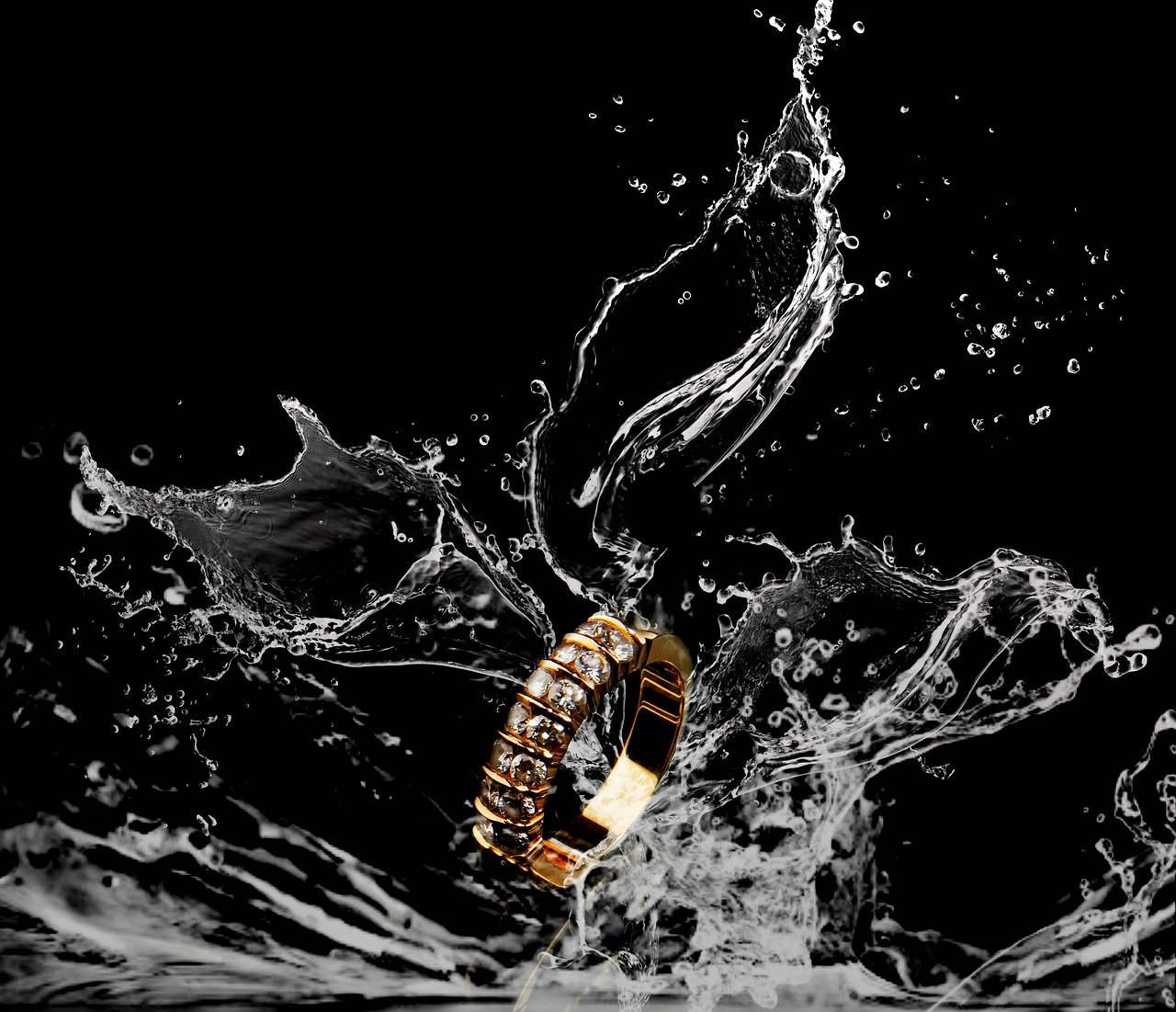
What makes a ring “luxury” — the price tag, the stone, the name inside the band, or something harder to see?
That question matters more than it sounds. The word luxury ring has no legal definition anywhere. It is a marketing category, not a regulated one. That means a ring can be called luxurious while hiding thin settings, undisclosed treatments, or a lab-grown stone sold without a clear label. It also means a genuinely fine ring can be sold without fanfare by a small workshop nobody has heard of. (Ring (jewellery)))
This guide looks at what actually holds up: the standards behind metal purity, the grading system behind diamonds, the laws on hallmarking, and the practical mistakes people make when they buy. No mystique, just the parts that survive a jeweler’s loupe.
The Word “Luxury” Is Not Regulated
Jewelry labeling in the United States falls under trade rules for precious metals and gemstone marketing, which govern what a seller may claim about gold content, gemstone treatments, and origin. Those rules exist precisely because the language of luxury is loose and the stakes are high.
So the first practical lesson: ignore the adjective and read the specification. A ring described as “luxury gold” tells you nothing. A ring stamped 18k with a stated stone weight and a named grading report tells you almost everything.
Metal Purity: The First Real Test
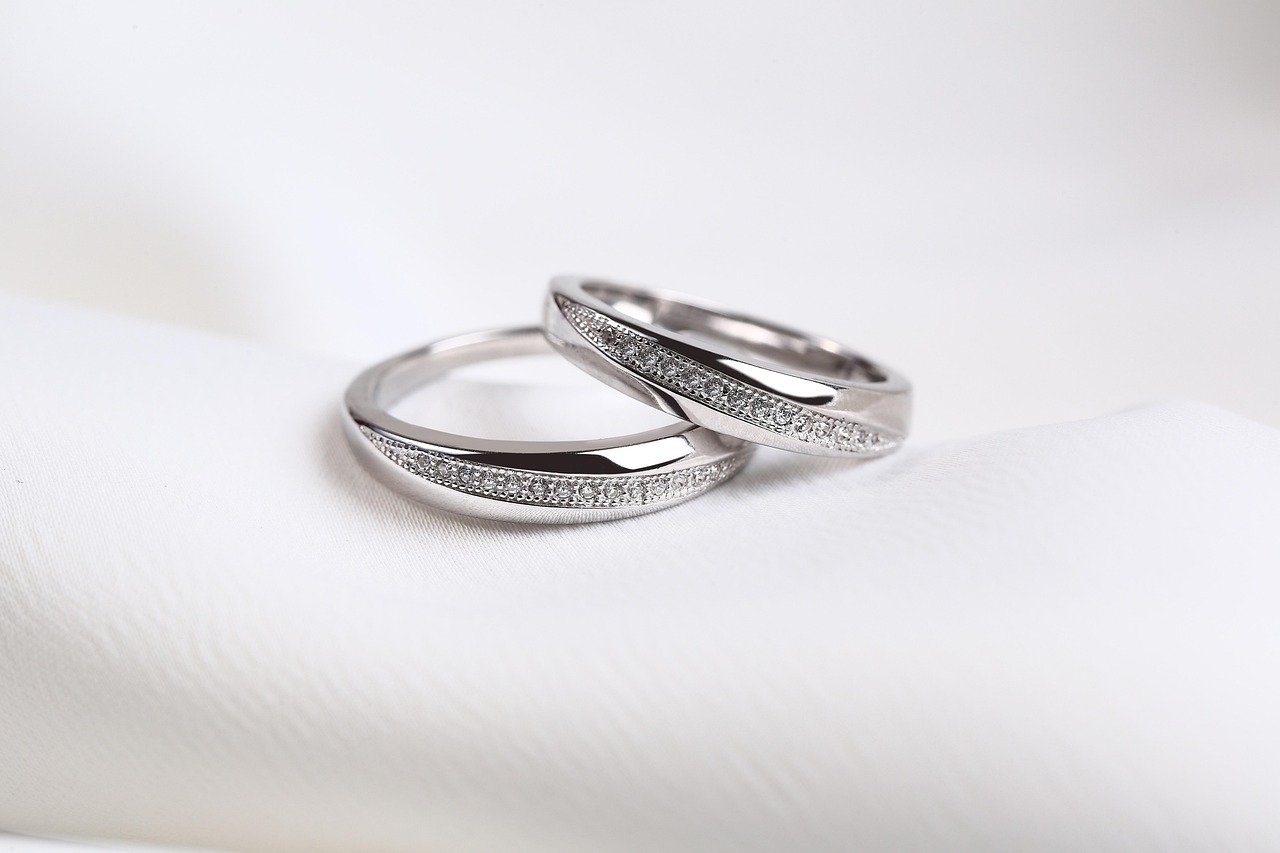
Gold purity is expressed in karats, with 24k representing essentially pure gold. Because pure gold is soft, it is alloyed with other metals for durability. That alloy is where much of the real difference between rings lies.
| Mark | Gold content | Practical behavior |
|---|---|---|
| 24k | About 99.9% | Too soft for daily wear; dents and scratches easily |
| 22k | About 91.7% | Traditional in some markets; still soft for prongs |
| 18k | 75% | The fine-jewelry standard; good color, reasonable durability |
| 14k | About 58.5% | Harder, more scratch-resistant, paler color |
| 10k | About 41.7% | Durable and affordable; minimal gold content |
Platinum and palladium follow their own fineness conventions, usually marked 950 or 900. Platinum is denser and heavier than gold, wears by displacement rather than loss, and develops a patina rather than scratching away. That density is one reason platinum settings hold stones securely for decades — and one reason they cost more.
Common mistake: assuming higher karat always means a better ring. An 18k band is the sweet spot for most fine jewelry. A 22k or 24k band looks richer but deforms under daily wear, and prongs in very high-karat gold can loosen over years. For a ring worn every day, 18k gold or platinum is the practical answer. For a piece worn occasionally, higher karat is fine.
Diamonds: The 4Cs and What They Hide
The modern diamond grading framework rests on four factors: cut, color, clarity, and carat weight. This system was developed and popularized by the Gemological Institute of America in the mid-twentieth century and remains the industry’s shared vocabulary.
Here is what the framework does not tell you:
- Cut is the factor most often downgraded to save money. A shallow or deep cut leaks light, and the stone looks dull even with excellent color and clarity grades. Cut grade matters more than the other three for how a diamond actually looks.
- Clarity grades above VS2 are usually invisible to the eye. Paying for flawless clarity buys a certificate, not a visible difference.
- Color matters more in large stones than small ones. A J-color half-carat can look white; a J-color two-carat often shows warmth.
- Carat is a price cliff, not a smooth curve. Prices jump at round numbers. A 0.90-carat stone can cost meaningfully less than a 1.00-carat stone of the same quality, with almost no visible size difference.
Colored stones follow different rules entirely. Sapphire, ruby, and emerald are graded on tone, saturation, and clarity by eye, and treatment disclosure is central. Heat treatment is standard and accepted for sapphire and ruby. Fracture filling in emerald is common but must be disclosed, and it affects durability and value substantially.
Lab-Grown vs. Mined: The Disclosure Question
Lab-grown diamonds are chemically and optically identical to mined diamonds. They are diamonds; the difference is origin. Marketing rules require that lab-grown origin be disclosed rather than implied to be mined.
The practical consequences are worth understanding before buying:
- Resale value. Lab-grown stones have fallen sharply in price as production scaled, and they resell for a fraction of retail. Mined stones also resell below retail, but the gap is smaller for larger, well-graded stones.
- Emotional framing. Some buyers value the traceability of lab-grown stones; others want a natural stone. Neither position is irrational, but the choice should be conscious.
- Certification. A lab-grown stone should come with a grading report that states the growth method, not just the 4Cs.
Common mistake: buying a lab-grown stone priced close to a mined stone of the same spec. That usually means paying a mined-stone premium for a stone that will not hold value like one.
Certification and Independent Grading
A grading report is only as good as the lab behind it. The most recognized laboratories issue reports with a unique number, and the stone is typically laser-inscribed with that number on the girdle so the report and the stone can be matched.
What to check on any report:
- Confirm the report number matches the inscription on the stone.
- Check the measurements and proportions, not just the grades.
- Look for a comment section noting treatments, enhancements, or origin.
- Verify the report through the issuing lab’s own lookup rather than a seller’s photocopy.
For colored stones, a report from a lab specializing in origin determination adds real information, since country of origin affects value for sapphire, ruby, and emerald.
Hallmarking: The Law You Can See
In the United Kingdom, hallmarking has been a legal requirement since the Hallmarking Act 1973, and assay offices have tested and marked precious metal objects for centuries. A UK hallmark tells you the metal type, the fineness, and the assay office that tested it.
Other jurisdictions differ sharply. Some require independent assay marks; others rely on manufacturer stamps alone. That inconsistency is why an unfamiliar stamp is not automatically a red flag, but an absent or illegible stamp on a piece sold as fine jewelry is worth questioning.
If a seller cannot explain the marks inside the band, ask them to. A competent jeweler will identify the maker’s mark, the purity mark, and any assay mark without hesitation.
Settings and Craft: Where Rings Actually Fail
Most ring failures are structural, not cosmetic. The setting is where daily wear does its damage.
- Prong settings hold stones with visible metal claws. Four prongs show more stone; six prongs hold more securely. Prongs wear thin over years and need periodic retipping.
- Bezel settings wrap the stone in metal. They are the most secure option and the best choice for rings worn hard, such as engagement rings for people who work with their hands.
- Pavé settings set small stones closely with tiny beads of metal. Beautiful, but the small stones can loosen, and repair requires a specialist.
- Channel settings recess stones between metal walls. Durable and low-profile, though resizing is harder.
Practical tip: have any ring with stones inspected annually. A jeweler will check prong thickness, tighten stones, and catch a loose center stone before it is lost. This costs little and prevents the most expensive kind of repair.
The Secondary Market and What It Reveals
Resale is the most honest test of what a ring is worth. Branded pieces from major houses often resell well below retail, sometimes at a fraction, because a large share of the retail price covers marketing, boutique overhead, and brand margin rather than materials.
Unbranded fine jewelry typically resells closer to its metal and stone value, which is a smaller percentage of retail but more predictable. Auction houses and resale platforms publish realized prices, and studying them before a major purchase is one of the few genuinely useful habits a buyer can build.
The lesson is not that brands are a bad deal. It is that brand premium and material value are different things, and a buyer should know which one they are paying for. (GIA Gem Encyclopedia)
Ethical Sourcing: Questions Worth Asking
The Kimberley Process Certification Scheme launched in 2003 to curb the trade in conflict diamonds by certifying rough diamond shipments. It has been widely criticized for narrow definitions and enforcement gaps, and it does not cover colored stones, labor conditions, or cutting and polishing.
That means “conflict-free” is a starting point, not a guarantee. Buyers who care about sourcing should ask specific questions:
- Where was the stone cut and polished?
- Does the supplier publish a sourcing policy with named refiners or mines?
- Is there third-party audit coverage, not just a self-declaration?
- For gold, is there a chain-of-custody standard in place?
Vague answers are common. Specific answers are a good sign.
Practical Buying Checklist
Before committing to a significant purchase, run through this:
- Confirm the metal mark and understand what it means.
- Read the grading report and match it to the stone’s inscription.
- Ask about treatments for any colored stone, in writing.
- Check the setting type against how the ring will actually be worn.
- Ask about the resizing policy, since many settings limit it.
- Confirm the return window and whether it applies to sized pieces.
- Request the care and inspection schedule in writing.
Common mistake: buying a ring sized to fit perfectly on the day, in a setting that cannot be resized. Eternity bands and heavily pavé-set bands often cannot be resized without rebuilding, so size accuracy at purchase matters enormously.
How Luxury Rings Fit Into a Broader Wardrobe
A fine ring rarely lives alone. It sits alongside watches, bags, and other pieces, and the same logic applies across the category: material honesty, construction quality, and a clear sense of what the buyer is paying for. That is the core of the conscious luxury approach to buying better rather than more, and it is also why the distinction between quiet luxury and the old money aesthetic is useful when choosing a piece meant to last decades rather than a season.
The same reasoning explains why a well-made ring often pairs naturally with experiences built around understatement, from a considered luxury trip to Lake Como to a slower road journey in a car chosen for comfort over badge appeal.
Conclusion
Luxury rings reward buyers who look past the adjective. The metal mark, the grading report, the setting construction, and the resale behavior tell you far more than any boutique’s lighting ever will.
None of this requires expertise. It requires knowing which four or five questions to ask, and being willing to walk away when the answers are vague. A ring that holds up for thirty years is rarely the one with the best story attached at the point of sale. It is the one whose specification survives scrutiny.
Frequently Asked Questions
Is an 18k gold ring better than a 14k ring?
Not universally. Eighteen-karat gold contains 75% gold versus roughly 58.5% in 14k, so it has richer color and higher intrinsic value. But 14k is harder and more scratch-resistant. For a ring worn daily, both work well; for a piece worn occasionally, 18k is the more traditional fine-jewelry choice.
Are lab-grown diamonds real diamonds?
Yes. They are chemically and optically identical to mined diamonds, and the difference is origin. Marketing rules require sellers to disclose lab-grown origin. The practical difference shows up in price and resale value, since lab-grown stones have fallen sharply in price as production has scaled.
What does a hallmark on a ring actually tell you?
A hallmark records the metal type, its fineness, and the assay office that tested it. In the UK, hallmarking has been legally required since the Hallmarking Act 1973. Other countries have different systems, so an unfamiliar mark is not automatically a problem, but a missing or illegible mark on fine jewelry is worth questioning.
Is platinum worth the extra cost over white gold?
Often yes, for daily wear. Platinum is denser, holds stones more securely, and wears by displacement rather than losing material. White gold is lighter and less expensive but requires rhodium plating to maintain its color, which means periodic re-plating. Over decades, the cost gap narrows.
How often should a ring with stones be inspected?
Once a year is the practical standard. A jeweler checks prong thickness, tightens stones, and identifies wear before a stone is lost. Annual inspection costs little and prevents the most expensive repairs, particularly on pavé-set and prong-set pieces.
Do luxury rings hold their value?
Usually not at retail. Branded pieces often resell well below retail because a large share of the price covers marketing and brand margin. Unbranded fine jewelry typically resells closer to its metal and stone value. Studying realized auction and resale prices before a major purchase is the most reliable way to understand what a ring is worth.