
Best Hotels in New York City: 2026 Guide to Choosing
 Abdul WadoodLast updated

What makes a New York hotel worth its nightly rate? It is almost never the lobby chandelier. It is whether the room is quiet at 11 p.m., whether the subway is two minutes or twelve minutes away, and whether the front desk fixes a broken shower before you have to ask twice. New York has roughly 120,000 hotel rooms across five boroughs, and the spread between a great stay and a frustrating one often comes down to details that photographs never show. (Hotel)
This guide skips the breathless rankings. Instead, it breaks the city into neighborhoods, explains how the major rating systems actually work, and flags the mistakes travelers make most often when booking.
Why “Best” Depends on Which New York You’re Visiting
The single biggest booking error is choosing a hotel by brand instead of by trip. A Midtown tower that delights a first-time sightseer can feel like a sterile island to someone in town for downtown restaurants. Before comparing properties, answer three questions: How many days are you staying? Will you spend more time above 59th Street or below it? And do you need a room that works for calls and quiet mornings?
Travelers who treat the hotel as part of the trip rather than only a place to sleep tend to be happier with smaller design-led properties. That logic drives guides to hotels that feel like a destination, where the building itself shapes the stay.
The Major Neighborhoods and What Each One Delivers
Midtown and Midtown East
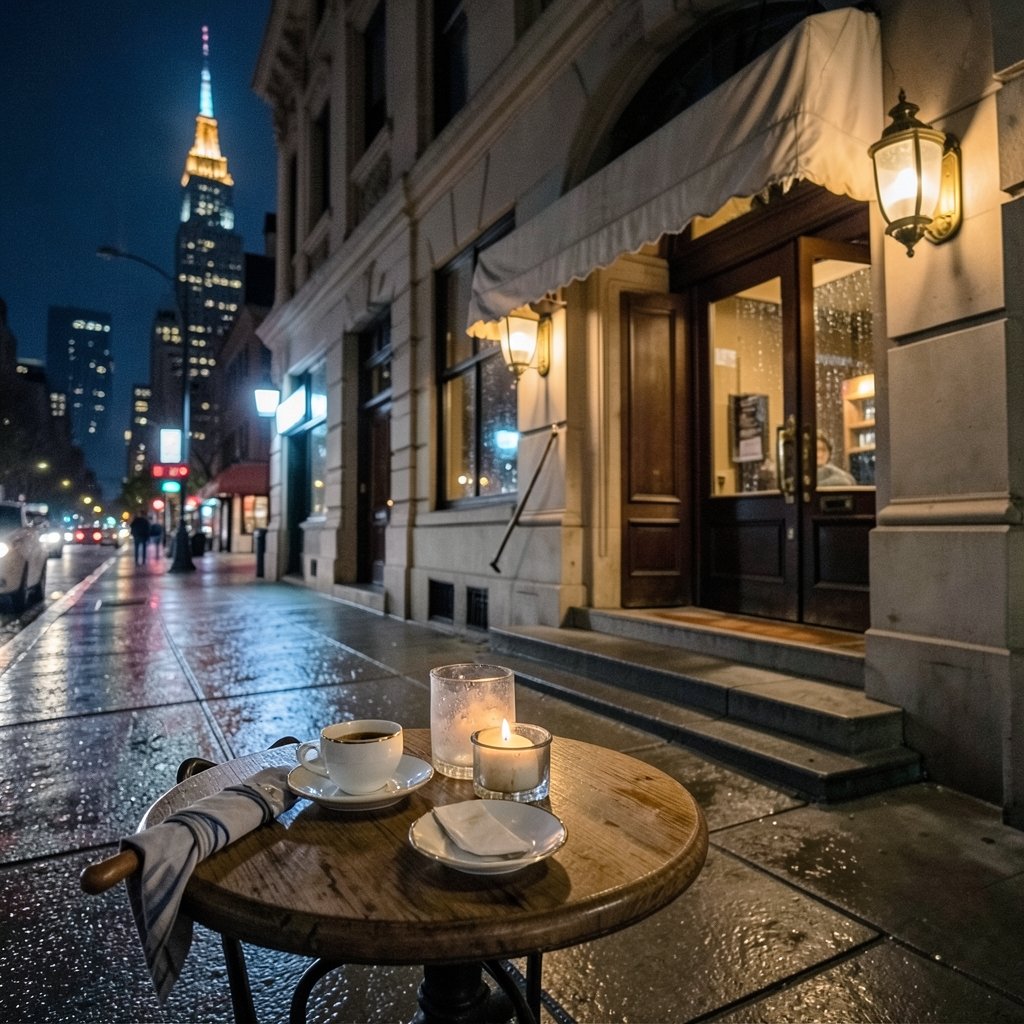
Midtown is the default for first visits, and for good reason: Grand Central, the Empire State Building, Broadway, and Central Park’s southern edge are all within walking distance. The trade-off is noise and crowds. Hotels along quieter side streets east of Fifth Avenue tend to be calmer than those on Broadway or Seventh Avenue. If you are here for a short trip with early starts, Midtown saves hours of transit.
Lower Manhattan and the Financial District
Hotels near Wall Street and the World Trade Center often cost less on weekends, when business travelers leave. You get historic streets, ferries to the Statue of Liberty, and quick access to Brooklyn Bridge Park. Weekday mornings are busy; evenings are quiet, which some travelers love and others find eerie.
SoHo, Tribeca, and the West Village
These are the neighborhoods for people who plan trips around food and shopping. Boutique properties dominate, room counts are small, and rates climb on weekends. Expect narrow staircases, converted townhouses, and rooms that vary wildly in size within the same building. Always check the square footage before booking.
Brooklyn and Queens
Williamsburg, Dumbo, Long Island City, and downtown Brooklyn now hold serious hotels at rates 20 to 40 percent below Manhattan equivalents. The catch is transit time. A hotel in Long Island City is one subway stop from Midtown; one in deeper Brooklyn can be forty minutes from the Upper East Side. Map your actual daily destinations before assuming Brooklyn is convenient.
How Star Ratings Actually Work, and Where They Mislead
Hotel rankings come from three very different systems, and mixing them up causes real confusion.
| System | Who Runs It | What It Measures | Best Used For |
|---|---|---|---|
| Forbes Travel Guide stars | Independent inspectors | Service standards, anonymous stays | Judging staff quality |
| AAA Diamond ratings | AAA inspectors | Property amenities and condition | Judging physical facilities |
| Michelin Keys | Michelin inspectors | Design, character, sense of place | Judging atmosphere and style |
Each system publishes dated lists that change annually, so a hotel’s status from three years ago may no longer hold. Reader polls and magazine lists measure popularity, not quality. None of these systems measure value, which is why a four-star hotel at $350 can beat a five-star at $1,100 for many trips.
The Booking Mistakes That Cost Travelers the Most
Resort fees and destination fees. Many New York hotels add mandatory nightly fees of $25 to $45 for Wi-Fi, gym access, or “amenities” that used to be free. These fees are often disclosed only at the final checkout screen. Read the full rate breakdown before you compare prices, or you will misjudge which hotel is actually cheaper.
Confusing “Times Square area” with “Times Square view.” A room facing the square is loud until roughly 2 a.m. and bright all night. Courtyard-facing rooms at the same hotel are quieter and cheaper.
Ignoring the subway walk. Two hotels can both claim “Midtown” while one sits four blocks from a station and the other sits twelve. In winter or rain, that difference matters more than thread count.
Booking the cheapest room category. At older properties, entry-level rooms are sometimes windowless or located beside elevator shafts. Check the room description and, when in doubt, book one category up.
Assuming all suites are equal. In converted buildings, a “suite” may simply mean a room with a sofa. Verify the layout.
What Actually Works in Practice
Book directly with the hotel when you have a specific need, such as a quiet room or an early check-in, because front desks have more flexibility with guests who booked direct. Ask for a room on a high floor away from the elevator in the reservation notes, then confirm at check-in. If you are sensitive to noise, request a courtyard or inner-facing room; street noise in Manhattan travels upward, so lower floors are sometimes quieter than high ones near traffic lights.
For longer stays, apartment-style hotels with kitchenettes in neighborhoods like Murray Hill or the Financial District often cost less than a standard Midtown room and save money on breakfast. For solo trips, smaller properties with staffed lobbies and 24-hour desks tend to work better than large conference hotels; a guide to luxury hotels that work for solo travelers covers how to judge safety, layout, and service when traveling alone.
Matching the Hotel to the Trip
First-Time Visitors
Prioritize location over luxury. A well-run four-star hotel near a major subway hub beats a five-star property in a transit dead zone. Save the splurge for one memorable dinner instead.
Repeat Visitors and Food-Focused Trips
Look downtown or in Brooklyn. Smaller hotels near restaurant districts reward travelers who have already seen the landmarks. This is where design-led boutique properties shine, and the same neighborhood-first logic applies to city guides such as this one on boutique hotels in Mexico City organized by neighborhood — the principle of choosing the area before the property holds in any city.
Business Travelers
Midtown East and the Financial District remain the practical choices. Confirm the Wi-Fi speed, desk size, and whether the hotel charges for gym access before booking.
Families
Suite hotels near Central Park or in Midtown offer space and kitchenettes. Verify whether the hotel allows rollaway beds and whether the pool, if advertised, is actually open during your dates.
Reading a New York Hotel Like a Local
New Yorkers judge hotels by things guests often overlook. Lobby traffic tells you about service speed: a lobby with a visible, staffed desk at 7 a.m. usually means requests get handled. Elevator count matters in towers above 30 floors; two elevators for 400 rooms means long waits at checkout. Street-level entrances on busy avenues are convenient for taxis but noisy; side-street entrances are calmer.
If you are building a trip around the city’s cultural identity, pair your hotel choice with reading that gets the place right. A reading list of books set in New York that capture the city accurately is a useful companion for choosing which neighborhoods to spend time in. The same approach works abroad: travelers planning a design-focused trip often start with guides like this one on boutique hotels in Copenhagen where design history meets comfort, because the criteria for a good small hotel are consistent across cities.
What to Expect to Pay
Rates in New York swing widely by season and by week. Midweek business periods and fall weekends are the most expensive; January and February are the cheapest. As a rough planning frame rather than a quote:
| Tier | Typical Nightly Range | What You Get |
|---|---|---|
| Budget-limited | $150 to $250 | Small rooms, outer boroughs or shared facilities |
| Mid-range | $250 to $450 | Reliable four-star comfort, standard room sizes |
| Upper-upscale | $450 to $800 | Central locations, better service, larger rooms |
| Luxury | $800 and up | Full-service amenities, notable design, top-tier staff |
Always add taxes and any mandatory fees, which can push the final bill 15 to 20 percent above the advertised rate.
Conclusion
The best hotel in New York City is the one that fits the trip you are actually taking. Decide on neighborhood first, then service tier, then price. Read the fee breakdown, check the walk to the subway, and book the room category that matches how you will use the space. Do that, and the city’s scale stops feeling overwhelming and starts working in your favor.
Frequently Asked Questions
What is the best area to stay in New York City for a first visit?
Midtown works best for first trips because it puts major sights within walking distance and connects to most subway lines. Travelers who prefer quieter evenings should look at Midtown East side streets rather than the Times Square core.
Are New York hotel prices negotiable?
Rarely at the front desk, but rates vary enormously by date and booking channel. Booking early for peak seasons and comparing direct rates against third-party sites often saves more than asking for a discount at check-in.
What are destination fees, and can I avoid them?
Destination or resort fees are mandatory nightly charges for amenities like Wi-Fi or gym access. They are difficult to waive, but some hotels drop them for loyalty members or direct bookings. Always compare the total nightly cost, not the headline rate.
How far in advance should I book a New York hotel?
For spring and fall, three to four months ahead is sensible. For holidays and major events, six months is safer. Last-minute booking can work in January and February, when demand drops.
Is it worth staying in Brooklyn instead of Manhattan?
Yes, if your plans center on Brooklyn or if you want more space for the money. Check the actual subway ride to your daily destinations first, since travel times vary widely between neighborhoods.
Do star ratings tell me whether a hotel is good value?
No. Star ratings measure service and facilities, not price or fit. A four-star hotel in the right neighborhood can deliver a better trip than a five-star property that requires a long commute each day.
Should I book a hotel with a rooftop bar or restaurant? Only if you will actually use it. Rooftop venues in Manhattan are often separate businesses with their own hours, cover charges, and crowds, and guests rarely get priority access. A quieter hotel with a reliable breakfast room frequently serves travelers better than one whose main draw is a scene you may never visit.
How important is a hotel gym in New York? Less than most travelers expect. City walking routinely covers five to ten miles a day, and many hotel gyms are small rooms with limited equipment. If fitness is central to your routine, confirm the square footage and equipment list, or choose a property near a public pool or running path in Central Park.
What should solo travelers check before booking? A staffed 24-hour desk, a well-lit entrance, and a room not directly off the lobby. Smaller boutique hotels often outperform large conference properties on all three.
With those checks in hand, the city rewards almost any well-chosen base.