
Best Cruise Lines for Families: 2026 Guide
 Abdul WadoodLast updated
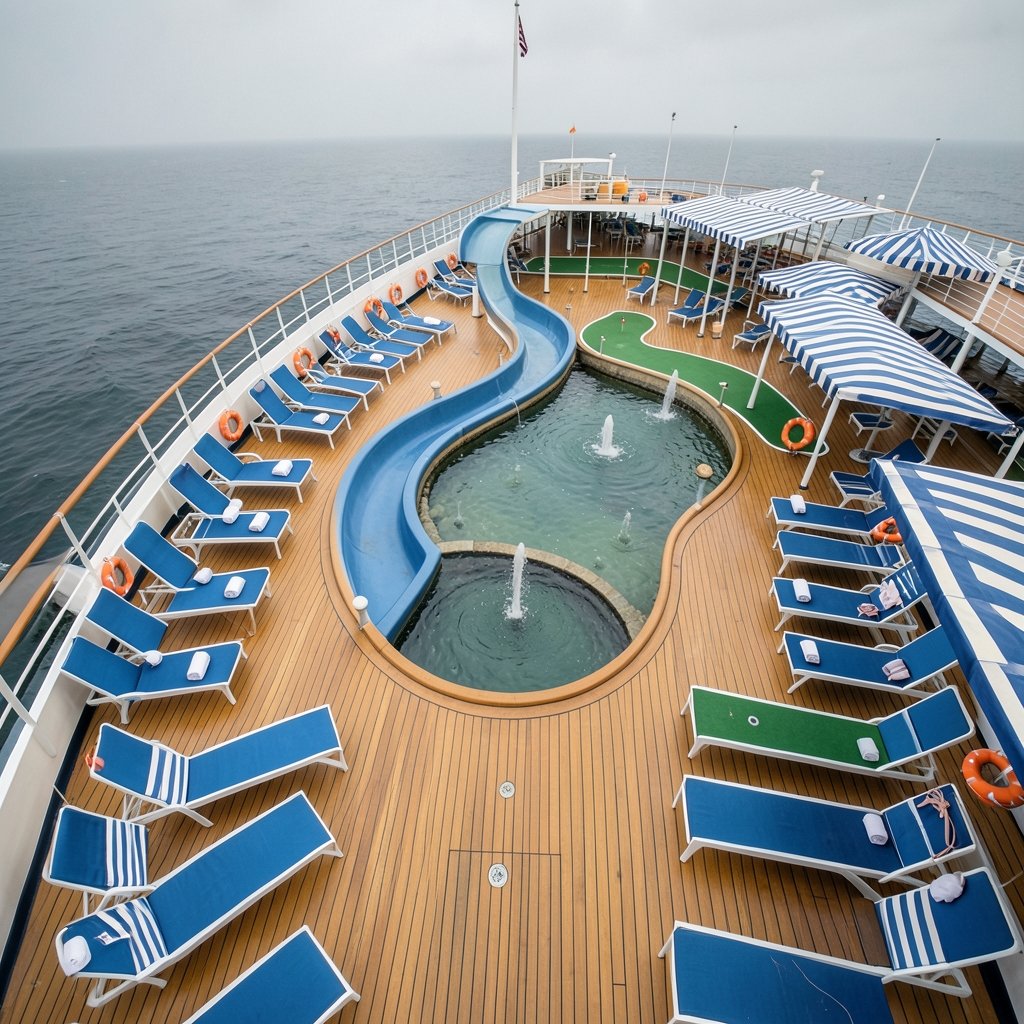
What if the hardest part of a family cruise isn’t the price, the packing, or the flight, but picking the wrong ship in the first place? Ask any parent who has come home from a “family-friendly” voyage that turned out to be a floating nightclub with a toddler in tow. The line you choose does more to shape your trip than the itinerary, the cabin, or even the weather. Here’s how the major players actually compare.
What Makes a Cruise Line Truly Family-Friendly?
Every cruise line calls itself family-friendly. The word means very little on a brochure. What matters is a short list of practical things: supervised kids’ clubs with sensible age bands, cabins that hold everyone without a fight over the bunk bed, food that a picky seven-year-old will actually eat, and enough structured activity that nobody says “I’m bored” by day two.
Age rules are where families get tripped up first. Most supervised kids’ clubs start around age 3 and run to about 11, with separate teen zones for 12 to 17. Minimum sailing ages also vary: many lines require infants to be at least 6 months old, and some push that to 12 months on transoceanic itineraries. Those are policy details that change, so confirm them with the line before you book rather than after.
The other thing that separates a good family ship from a great one is honesty about cost. Cruise fares typically exclude gratuities, drinks, and sometimes parts of the kids’ programming. Comparing headline prices across lines is close to meaningless unless you build the total. Consumer protection guidance on travel pricing disclosures is worth a read before you compare quotes, because the gap between the advertised fare and the final bill is where family budgets quietly break. (Best Cruise Lines for Adults: Top Child-Free Options 2026) (Cruise ship)
Disney Cruise Line: The Benchmark for Younger Kids

Disney is the line most families measure everything else against, and for good reason. There’s no casino on board, which changes the atmosphere in a way parents notice immediately. The Oceaneer Club and Lab take kids from age 3, and there’s a nursery for under-3s, so parents of babies aren’t locked out of adult time entirely. Castaway Cay, Disney’s private island, has been part of the experience since 1998 and functions as a genuinely low-stress beach day.
Where Disney falls short is value at scale. Two adults and three kids in one cabin is expensive, and the premium doesn’t shrink much in shoulder season. If your kids are past the princess-and-pirates stage, you may be paying for magic they’ve outgrown. For families with children under ten, though, it’s hard to beat on sheer operational polish.
Royal Caribbean: The Hardware Leader for Tweens and Teens
Royal Caribbean built its reputation on ships that feel like resorts with a hull. The Oasis class, starting with Oasis of the Seas in 2009, introduced neighborhood-style decks, and later ships added features like the AquaTheater. Wonder of the Seas (2022) added a dedicated suite neighborhood. The result is a ship where a twelve-year-old can find something to do for a week without repeating themselves.
The trade-off is scale. Big ships mean crowds at peak times, longer lines for the waterslides, and a lot of walking. Families who want quiet will find the megaships exhausting. Families with active older kids usually call it the best week of the year. It also helps that Royal Caribbean’s private destination, CocoCay, was redeveloped as a “Perfect Day” experience in 2019, giving families a beach day that rivals Disney’s island. (Best Cruise Lines in 2026: Find Your Perfect Match)
Carnival: Best Value for Budget-Conscious Families
Carnival sells itself on value, and it mostly delivers. Camp Ocean handles the kids’ clubs, and the Dr. Seuss–themed activities (a partnership that started around 2013) land well with the under-eight crowd. If your priority is getting four people on a ship for the least money without the trip feeling cheap, Carnival is the obvious first stop.
The catch is that “value” pricing invites upcharges. Specialty dining, drinks packages, and shore excursions add up fast. Set a daily budget per person before you sail and treat the onboard account as the real price. Families who do that tend to come home happy; families who don’t tend to come home with a credit card statement that ruins the memories.
Norwegian: Freestyle Dining That Suits Real Family Schedules
Norwegian’s freestyle dining concept, which dates back to Norwegian Sky in 1999, means no fixed seating times. For families, this is a bigger deal than it sounds. You eat when your kid is hungry, not when a schedule says so, and you skip the awkwardness of sharing a table with strangers while a toddler melts down.
The trade-off is that specialty restaurants cost extra and the main dining rooms can get busy at popular hours. Norwegian also tends to attract a broader mix of passengers, which some families love and others find less child-centric than Disney or Carnival. It’s a strong pick for families with kids old enough to self-manage and parents who value flexibility over structure.
MSC: Great on Paper, Read the Fine Print
MSC runs kids-sail-free promotions and offers family cabins, which sounds unbeatable. The complication is that terms vary by market and sailing, and the promotion you saw advertised may not apply to your region or your dates. This is one of the most common sources of family cruise frustration, and it’s entirely avoidable: read the specific terms for your country and your sailing before you get attached to a price.
MSC’s private island, Ocean Cay, is a genuine draw, and the ships are stylish. Families who go in with realistic expectations about the extras usually enjoy it. Families who book on the strength of a headline promotion sometimes don’t.
Side-by-Side Comparison
| Cruise line | Best for | Standout family feature | Main drawback |
|---|---|---|---|
| Disney | Families with kids under 10 | No casino, nursery for under-3s, Castaway Cay | High per-person cost |
| Royal Caribbean | Tweens and teens | Neighborhood decks, AquaTheater, CocoCay | Crowds and long walks on big ships |
| Carnival | Budget-conscious families | Camp Ocean, Dr. Seuss activities | Upcharges add up quickly |
| Norwegian | Flexible schedules | Freestyle dining, no fixed seatings | Specialty dining costs extra |
| MSC | Deal hunters who read terms | Kids-sail-free promotions, Ocean Cay | Promotions vary by market |
Cabin Choice: The Decision Most Families Get Wrong
Cabins that sleep five or more are scarce on most ships, and family suites and connecting cabins sell out early. This is the single most common booking mistake: families wait for a price drop and then discover the only remaining cabins hold four.
Practical rules that actually work:
- Book connecting cabins early if you have three or more children, and treat the deposit as the cost of getting the configuration you need.
- Choose a lower deck, mid-ship cabin if anyone in the family is prone to seasickness. Lower and central cabins move least, which is standard maritime advice rather than a line-specific perk.
- Check the age rules for the kids’ club before you pick a sailing, not after. A child one month short of the cutoff gets turned away at the door.
- Price the total, including gratuities and drinks, before comparing two lines. The cheaper headline fare is often the more expensive trip.
What First-Timers Get Wrong
The biggest mistake is choosing a ship for the adults and hoping the kids adapt. They usually do, but the trip is better when the ship was built for them. The second mistake is over-scheduling. Port days are exhausting, and a family that books an excursion in every port comes home needing a holiday from the holiday. Build in at least one sea day where nobody has to be anywhere. (International Convention for the Safety of Life at Sea (SOLAS),-1974.aspx))
The third mistake is ignoring the ship’s public health record. Vessel sanitation inspection scores are published, and they’re a reasonable proxy for how seriously a line runs its food and water systems, which matters more with young children aboard. It takes two minutes to check and it’s public information.
How Itinerary Shapes the Family Experience
A ship is only half the decision. Alaska and the Caribbean ask different things of a family. Alaska rewards families with kids old enough to sit still for whale watching and glacier viewing, and the season matters enormously; the best time to cruise Alaska hinges on wildlife, weather, and price trade-offs that shift month by month. The Caribbean is more forgiving of young children, with beach days and shorter port calls. (Best Cruise Line for Alaska: Glacier Access Guide 2026)
If Alaska is on your list, pick the line by how close it gets you to the glaciers rather than by the ship’s waterslides. A glacier-focused route on a mid-size ship often beats a megaship with a distant view. Families who match the route to their kids’ ages, rather than the other way around, consistently report better trips.
Conclusion
There’s no single best cruise line for families, only the best line for your family’s ages, budget, and tolerance for crowds. Disney wins on younger kids and sheer polish. Royal Caribbean wins on hardware for tweens and teens. Carnival wins on price, Norwegian on flexibility, and MSC on promotions that reward careful reading. Nail down the cabin configuration and the kids’ club age rules before you fall in love with a ship, price the total rather than the headline, and build in a sea day where nobody has to be anywhere. Do that, and the ship becomes the easy part.
Frequently Asked Questions
What is the best cruise line for families with toddlers?
Disney is the strongest choice for toddlers because it offers a nursery for under-3s alongside supervised clubs from age 3, and it has no casino, which keeps the atmosphere calmer. Royal Caribbean and Carnival are workable alternatives if the budget is tighter, but check the minimum sailing age first, since many lines require infants to be at least 6 months old.
Do kids cruise free on any line?
MSC runs kids-sail-free promotions, but the terms vary by market and sailing, so the offer you see advertised may not apply to your region or dates. Always read the specific terms for your country before you book. Other lines discount rather than waive fares for children, and the discount often depends on cabin type.
What age can kids join the onboard kids’ club?
Most supervised kids’ clubs start around age 3 and run to about 11, with separate teen zones for ages 12 to 17. Age bands differ by line, and the cutoff is strict, so a child who is one month short of the minimum will be turned away. Confirm the exact bands for your sailing before booking.
How many people can share a cruise cabin?
Most standard cabins sleep two to four, and cabins that sleep five or more are scarce. Family suites and connecting cabins sell out early, especially on school holiday sailings. If you have three or more children, book connecting cabins as soon as dates open rather than waiting for a price drop.
Is a cruise good for a family with mixed ages?
Yes, and it’s one of the few holidays that works well for a wide age spread. Kids’ clubs group children by age, teens get their own zones, and adults can find quiet spaces. The key is choosing a ship with enough variety that a five-year-old and a fifteen-year-old both have something to do.
Which cabin location is best for families prone to seasickness?
Lower decks and mid-ship cabins move the least in rough seas, which is standard maritime advice rather than a line-specific feature. Avoid the highest decks and the far forward cabins if anyone in the family is sensitive to motion. A mid-ship cabin on a lower deck is the most reliable choice for a family that wants to avoid a rough first night.