
Best Stroller Travel Systems for 2026: Real Trips
 Abdul WadoodLast updated
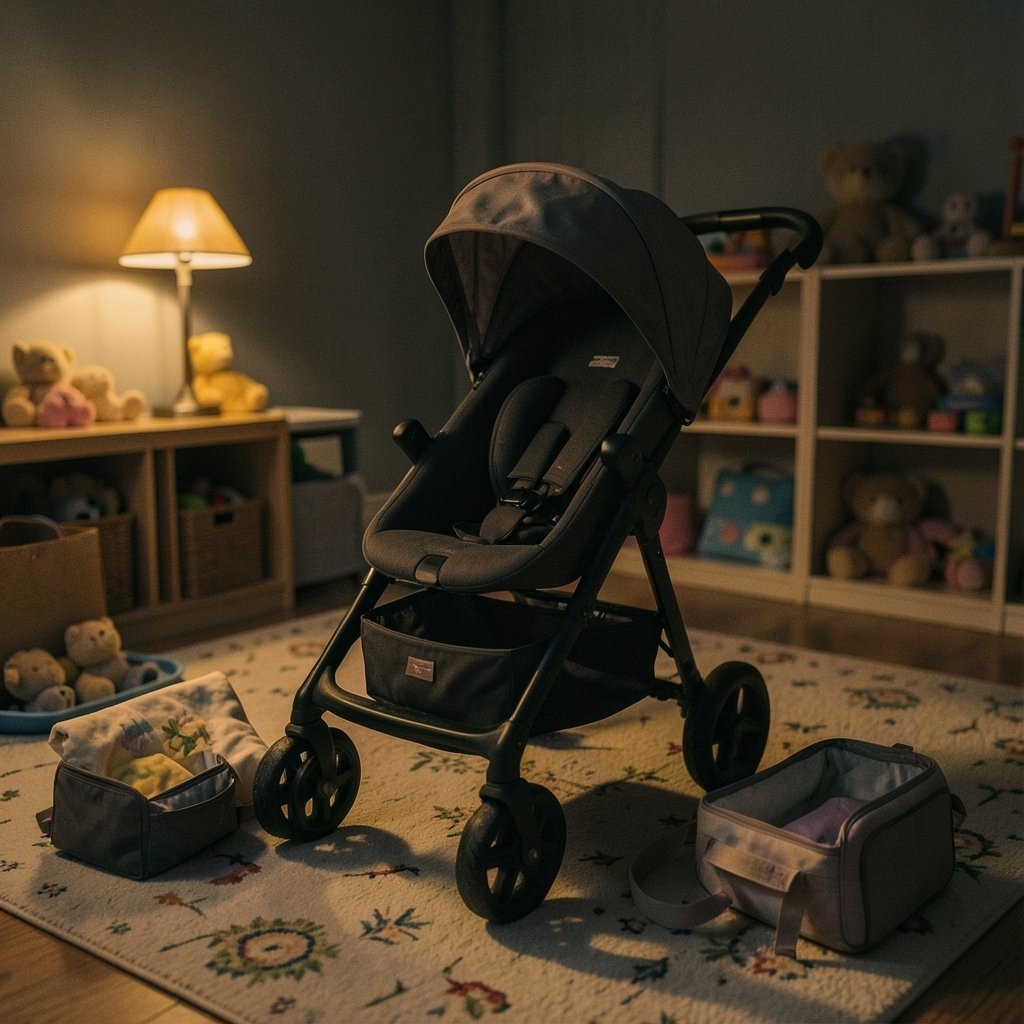
What if the difference between a calm airport morning and a meltdown at the gate came down to one purchase? That is the real question behind the search for the best stroller travel system. Parents are not shopping for a status symbol. They want a setup that lets them move a sleeping newborn from car to curb to cabin without waking anyone, and without needing three hands.
The category is crowded, the marketing is loud, and the prices climb fast. So it helps to strip the whole thing back to what a travel system actually is, where it tends to fail, and how to pick one that fits the way a family really travels.
What a Travel System Really Is
A travel system is a stroller sold together with a compatible infant car seat. The seat clicks onto the stroller frame, usually with an adapter or a built-in receiver, so a sleeping baby can move from the car to the stroller without being unbuckled. (Best Travel Stroller Guide for 2026: Choose Wisely)
That single feature is the whole appeal. For the first year or so, it removes a lot of small, exhausting moments: the parking-lot transfer, the taxi ride, the dash through a rainy station. It is aimed squarely at the newborn-to-toddler stretch, when a baby still needs a reclined, supported seat and cannot sit upright in a stroller yet.
Most systems include three parts:
- The stroller frame, which folds and steers.
- The infant car seat, which locks into the frame and into a car base.
- A base for the car, sometimes sold separately.
Some bundles add a toddler seat or a bassinet, which extends the system’s life well past the infant stage. Those bundles cost more, but they can replace a second stroller purchase later.
The Safety Rules Worth Knowing Before You Buy
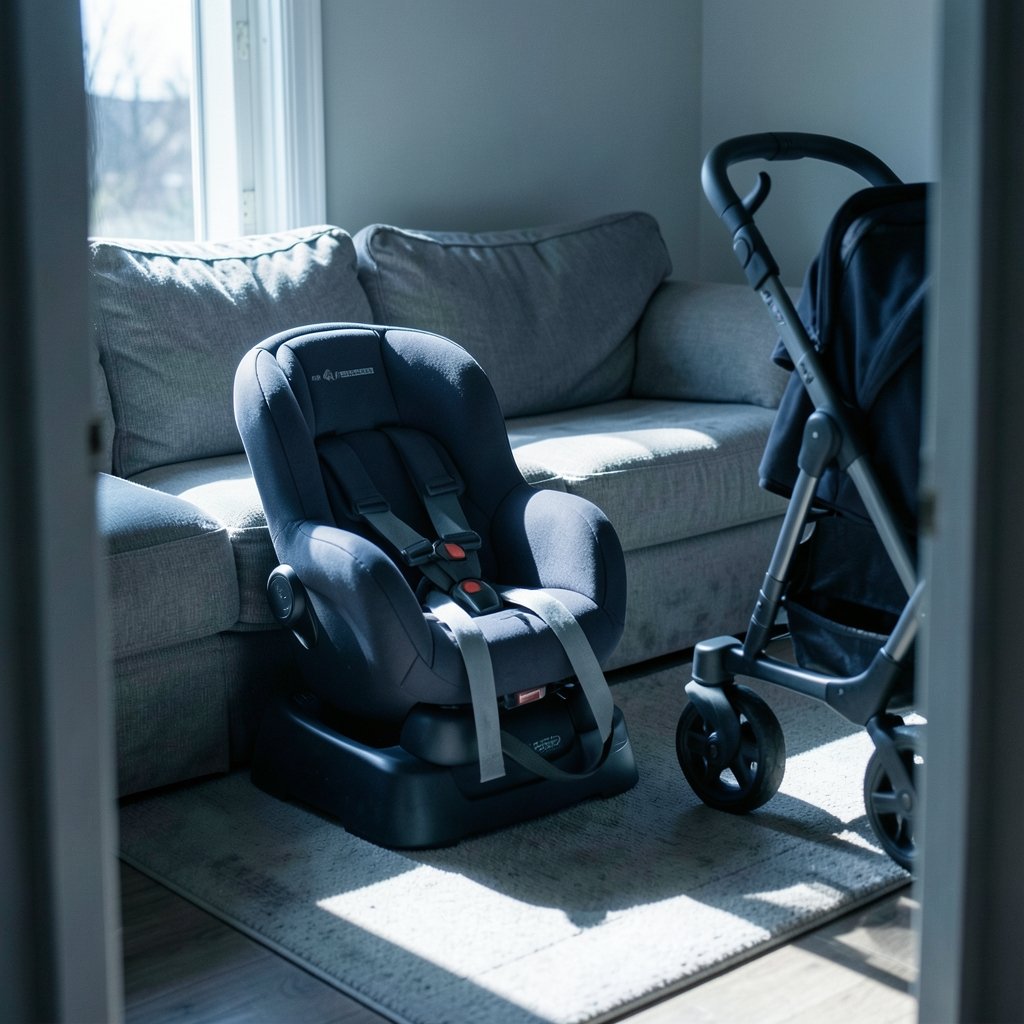
Safety is where travel systems get serious, and where a lot of buyers go in blind. Car seats and strollers are regulated separately, and the rules differ by region.
In the United States, infant car seats are regulated under FMVSS 213, the federal motor vehicle safety standard for child restraint systems. Strollers fall under ASTM F833, the standard safety specification for carriages and strollers. In Europe, car seats are covered by UN Regulation No. 44/04 or the newer R129 (i-Size) framework, and strollers by EN 1888 for wheeled child conveyances. These standards exist to test things like restraint performance in a crash, stability, brake strength, and hinge and lock safety.
The practical takeaway: buy from a brand that states which standards it meets, and check for recalls before you commit. Recalls happen across every price bracket, and a used system bought online can carry a recall you never hear about.
One more rule that surprises people: infant car seats expire. Most carry a manufacturer expiration date, often somewhere in the six-to-ten-year range depending on brand, because plastic and harness components degrade over time. That date matters enormously if you are buying secondhand or accepting a hand-me-down.
Why Compatibility Is the Number One Buyer Mistake
Here is the mistake that causes the most regret: assuming seats and strollers fit together because they look like they should.
Compatibility is brand-specific. Adapters exist, and some brands make adapters that bridge to other brands’ seats, but “universal” fit is not guaranteed. A car seat from one brand will not reliably click into another brand’s frame without the correct adapter, and an adapter that is not designed for your exact seat model is a safety question, not a convenience one.
The fix is boring and effective: confirm the exact seat model and the exact stroller model on the manufacturer’s own compatibility list before buying. Not the salesperson’s memory, not a review from three years ago. The list.
A second, quieter mistake is buying for the newborn phase only. Travel systems are heavier and bulkier than compact strollers, and many families find themselves wanting something lighter once the child outgrows the infant seat. If you plan to travel by air often, it is worth reading a practical guide to choosing a travel stroller for real trips before you commit to a full system, because the two categories solve different problems.
How to Choose: A Step-by-Step Approach
The best system is the one that matches your actual days, not your imagined ones. Work through these steps in order.
- Map your real travel. Count how often you drive, fly, take public transit, and walk on rough ground. A family that drives daily needs a solid car base. A family that flies twice a year needs a fold that fits an overhead bin or gate-checks cleanly.
- Pick the car seat first. The seat is the safety-critical part. Choose one that fits your car’s back seat properly and that you can install correctly every single time.
- Then find the frame that accepts it. Check the manufacturer’s compatibility list. Confirm whether an adapter is needed and whether it is included.
- Test the fold with one hand. You will fold it while holding a baby. If it needs two hands and a foot, it will frustrate you daily.
- Weigh it loaded, not empty. Add the seat, the diaper bag, and a water bottle. The number on the box is not the number you will lift.
- Check the basket and the brake. A basket you cannot reach when the seat is attached is decorative. A brake you have to hunt for is a hazard on a slope.
- Confirm the warranty and the expiration date. Both affect resale value and long-term cost.
A Quick Comparison of System Types
| System type | Best for | Main trade-off |
|---|---|---|
| Full bundle (frame, seat, base, toddler seat) | Families who want one purchase to last years | Highest upfront cost and heaviest setup |
| Frame plus infant seat only | Newborn phase, city living, frequent car use | Needs a second stroller later |
| Lightweight travel system | Frequent flyers and transit users | Smaller basket, less suspension |
| Modular system with bassinet | Long walks, naps on the go | Bulkier fold, more parts to manage |
What Actually Works in Practice
A few things separate systems that people love from systems that end up in a closet.
The one-handed fold is not a luxury. It is the feature that decides whether you use the stroller or leave it in the trunk. Test it in the store with a bag on your shoulder.
Tires matter more than most buyers expect. Small hard wheels are fine on smooth floors and miserable on cobblestones, gravel paths, and broken sidewalks. If your walks involve anything rougher than a mall, look at air-filled or large foam wheels.
The car base is the unsung hero. A base that stays installed in the car turns every trip into a ten-second click. Buying a second base for a second car is often smarter than moving one base back and forth.
Storage gets ignored until it matters. You need room for a diaper bag, a jacket, and groceries, and you need to reach it while the car seat is attached. Check that with the seat on the frame, not off it.
Weight limits are per component. The stroller’s weight limit, the seat’s weight limit, and the basket’s limit are three different numbers. Read all three.
For families building out the rest of their kit, it helps to think about what earns its place in the bag, and a rundown of travel tech accessories that actually earn their place can save you from packing clutter you will carry for a whole trip. If your travel involves long days and tired eyes, some parents also look at compact red light therapy devices that fit in a carry-on, though these are comfort items rather than necessities.
Travel Systems on the Road: Planes, Trains, and Rental Cars
Air travel is where travel systems get tested hardest. The car seat usually checks or gate-checks, and the stroller goes to the gate. That means the fold speed and the folded size matter more than almost anything else.
A few habits that make trips smoother:
- Practice the fold at home until you can do it without thinking, because you will do it in a jet bridge with people behind you.
- Carry the car seat through the airport on the stroller frame if the system allows it, rather than hauling it separately.
- Photograph your setup before you check anything, so you can describe it accurately if a piece goes missing.
- Check rental car seat policies before you rely on one. Quality and availability vary widely, and bringing your own seat is often the safer call.
If a trip includes a lot of moving parts, it also helps to have a system for the small stuff, and a practical method for organizing travel memorabilia keeps tickets, maps, and keepsakes from turning into a bag of loose paper. For longer stays, a destination guide such as this Lake Como luxury travel guide on villas, boats, and where to stay can shape how much stroller you actually need, since cobblestone lanes and boat transfers reward a compact setup.
Season and destination change the calculus too. A winter city break calls for a warmer footmuff and better wheels, while a warm-weather trip favors breathable fabrics and shade. If you are timing a trip around school breaks or shoulder season, a guide to the best February travel windows and how to time them is a useful planning companion.
Common Mistakes and How to Avoid Them
The same handful of errors show up again and again in travel system purchases.
- Buying the bundle without checking the seat fits your car. Fit varies by vehicle. Test the seat in your actual back seat.
- Skipping the compatibility list. Confirm the exact models match, adapter included.
- Ignoring the expiration date on a used seat. A bargain seat past its date is not a bargain.
- Underestimating weight. A system that feels fine in the store feels very different after twenty minutes of carrying it up stairs.
- Assuming the toddler seat comes included. Many bundles sell it separately.
- Forgetting the accessories. Rain cover, sunshade, cup holder, and footmuff add up fast, and some are essential rather than optional.
Conclusion
The best stroller travel system is not the most expensive one or the one with the longest feature list. It is the one whose car seat fits your car, whose frame accepts that seat without guesswork, and whose fold you can manage with one hand while a baby sleeps in the other arm. Start with the safety standards and the compatibility list, weigh the loaded system rather than the empty one, and be honest about how you actually travel. Do that, and the airport morning stays calm, the parking-lot transfer takes ten seconds, and the stroller earns its place in the trunk instead of gathering dust in a closet.
Frequently Asked Questions
Do I really need a travel system, or is a separate stroller and car seat fine?
A travel system is a convenience purchase, not a requirement. It shines in the newborn phase, when moving a sleeping baby between car and stroller without unbuckling is genuinely useful. If you drive rarely or walk mostly from home, a separate stroller and car seat can work well and may cost less overall.
Can I use any infant car seat with any stroller frame?
No. Compatibility is brand-specific, and while adapters exist, “universal” fit is not guaranteed. Always confirm your exact seat model against the stroller maker’s compatibility list, and use only adapters designed for that specific pairing.
How long does a travel system last?
Most systems cover the newborn-to-toddler stretch, roughly the first year to eighteen months, depending on the seat’s weight limit. Bundles that include a toddler seat or bassinet extend usability considerably. Many families later add a lighter stroller for travel.
Do infant car seats expire?
Yes. Most infant car seats carry a manufacturer expiration date, often in the six-to-ten-year range depending on brand, because materials degrade over time. This matters most when buying used or accepting a hand-me-down, so check the label before you accept it.
Is a travel system safe for air travel?
Travel systems are commonly gate-checked, and the car seat is usually checked or gate-checked separately. Confirm your airline’s policy, practice the fold beforehand, and consider bringing your own car seat rather than relying on a rental, since rental quality and availability vary.
What should I check first when comparing travel systems?
Start with the car seat and confirm it fits your vehicle, then check the frame’s compatibility list. After that, test the one-handed fold, weigh the loaded system, and check the basket, brake, warranty, and expiration date. Those basics separate a system you will use from one you will regret.