
Best Beaches in North Carolina: 2026 Shore Guide
 Abdul WadoodLast updated
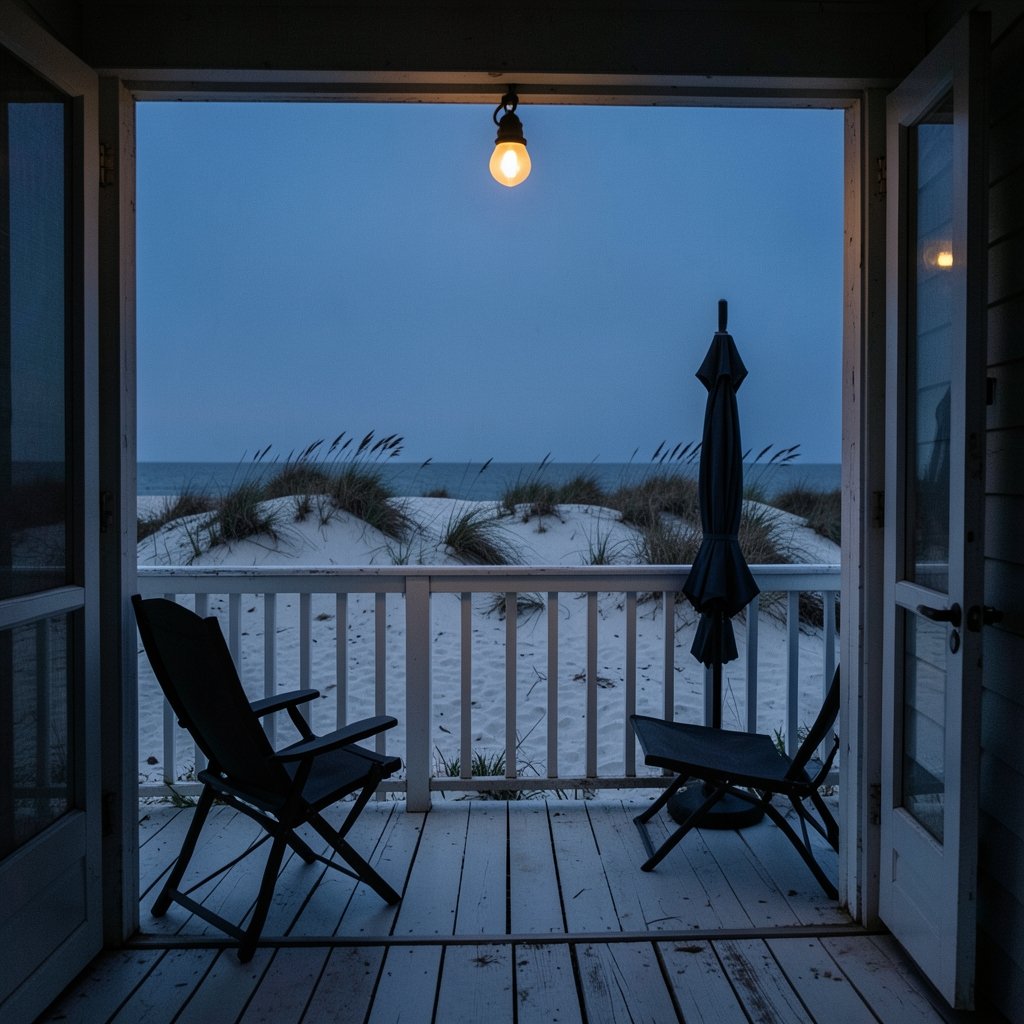
What if the best beach in North Carolina isn’t the one with the most parking, but the one where your kids can hunt ghost crabs at dusk and you can hear nothing but surf? The state’s coastline runs roughly 300 miles, and it packs in wildly different experiences: drive-on sand at Cape Hatteras, ferry-only islands, family-friendly boardwalk towns, and wild barrier islands with no bathrooms for miles.
That variety is the point. Picking a beach here isn’t about finding a single winner. It’s about matching a shoreline to how you actually travel. Below is a practical breakdown of the coast’s standout beaches, what each one does well, and the mistakes visitors make most often.
What Makes a North Carolina Beach “Best”?
Rankings are opinions. Every year, different outlets publish different lists, and the criteria are never standardized. One judges sand quality, another weighs crowds, another rewards undeveloped shorelines. None of them will tell you whether the beach suits a stroller, a surfboard, or a dog.
A more useful approach is to judge beaches on attributes you can verify:
- Access: drive-on, walk-over, or ferry-only
- Development: full-service town versus protected seashore
- Surf: typically calm Gulf Stream-influenced water versus open Atlantic swell
- Rules: leash laws, lighting ordinances, alcohol bans, vehicle permits
- Crowd patterns: where locals go versus where the summer rental map points
That framing matters because North Carolina’s coast is split into two very different zones. North of Cape Hatteras, the water is cooler and the barrier islands sit farther offshore. South of the cape, the Gulf Stream brushes closer to shore, so the water warms up and the surf tends to soften. (North west face tattoos search really means read it)
The Outer Banks: Cape Hatteras National Seashore
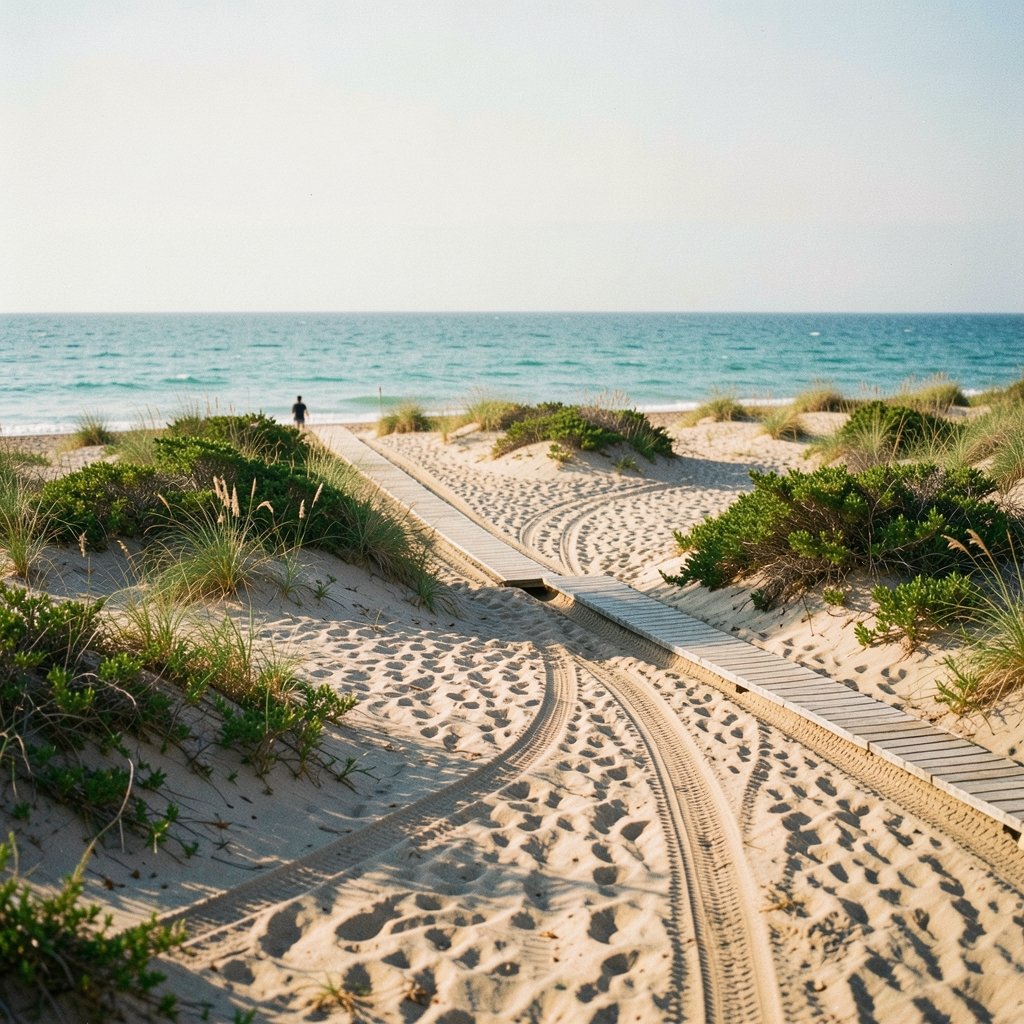
If you want the version of the Outer Banks that feels like a national park rather than a resort strip, start here. Cape Hatteras National Seashore was established in 1937 as the first national seashore in the United States, and it protects about 70 miles of barrier-island shoreline. That designation is why so much of the beachfront remains unbuilt.
In practice, that means long stretches of sand with no lifeguard stand, no snack bar, and no boardwalk. You bring everything and you carry everything out. What you get in return is space: on a weekday in September, you can walk a mile of beach and pass three people.
A few practical notes that trip up first-timers:
- Vehicle access is not universal. Some beach sections allow off-road vehicles with a permit; others are closed seasonally to protect nesting shorebirds and sea turtles.
- The beach moves. Storms reshape the shoreline constantly, so a route that worked last year may be closed this year. Check current conditions before you drive onto sand.
- Shade is scarce. There are no trees on the ocean side. A shade tent is not a luxury here.
The villages along this stretch, from Rodanthe down through Buxton and Hatteras, each have their own feel. Buxton is the practical hub, with the lighthouse and the best grocery options. Rodanthe is quieter and increasingly popular with visitors chasing a specific kind of small-town beach trip.
Ocracoke Island: The Ferry-Only Beach
At the southern end of the seashore sits Ocracoke, reachable only by ferry. The N.C. Department of Transportation runs the crossings from Hatteras, Cedar Island, and Swan Quarter, and vehicle reservations are strongly recommended in summer because the popular Hatteras route fills up.
Ocracoke’s beach is consistently rated among the state’s best, and the reason is simple: the barrier of a ferry ride filters out day-trippers. The village is small, bike-friendly, and the beach itself is wide, clean, and backed by dunes rather than condos. If you’re planning a trip and want to understand how access shapes a place, this is the clearest example on the coast.
Cape Lookout National Seashore: The Wildest Shore
South of Ocracoke, Cape Lookout National Seashore protects a 56-mile stretch of undeveloped barrier islands, designated in 1966. There are no roads, no bridges, and no services. You arrive by boat or passenger ferry, and you should assume you are on your own.
This is the beach for people who consider a lack of facilities a feature. The islands, including Shackleford Banks, are home to wild horses, and the shelling is exceptional because so little foot traffic disturbs it. Camping is allowed in designated areas.
Be honest with yourself about the trade-offs before committing:
| Factor | Cape Lookout | Typical developed beach town |
|---|---|---|
| Access | Boat or ferry only | Drive and park |
| Facilities | None | Restrooms, lifeguards, concessions |
| Crowds | Very low | Seasonal, can be heavy |
| Best for | Campers, shellers, solitude | Families, convenience, dining |
| Cell service | Spotty | Reliable |
If you’re weighing a wild beach against a resort-style one, the decision usually comes down to whether anyone in your group needs a bathroom within walking distance. That’s not a joke. It’s the single most common reason a Cape Lookout day trip goes sideways.
Nags Head and the Northern Outer Banks
Nags Head has one of the longest-standing public beach access systems on the Outer Banks, with numerous marked access points and bathhouses maintained by the town. That infrastructure is why it works so well for families: you can park, walk a short boardwalk, and be on the sand in minutes.
The beach itself is wide, and the town sits close to Jockey’s Ridge State Park, the tallest sand dune system on the East Coast. Sunrise from the top of a dune here is one of the coast’s genuinely great experiences, and it costs nothing.
Common mistake: assuming every Outer Banks town has the same access setup. They don’t. Some communities have very limited public parking by design. Nags Head is the forgiving option, which is why it absorbs so many first-time visitors.
Wrightsville Beach and the Wilmington Area
Wrightsville Beach sits in New Hanover County near Wilmington, and it has a different personality from the Outer Banks. It’s a walkable, compact beach town with a strong surf and paddleboard culture around Masonboro Inlet. The water here is warmer and the scene is livelier.
Because Wilmington is right there, you get an unusual combination: a genuine beach day plus a real city with restaurants, a riverwalk, and history. That makes Wrightsville a strong pick for travelers who get restless after two days of pure sand.
The trade-off is density. Parking is limited and paid, summer traffic on the causeway backs up, and the beach itself is narrower than the Outer Banks strands. Go early, or go in the shoulder season.
Masonboro Island: The Boat-Only Reserve
Just south of Wrightsville, Masonboro Island is part of the North Carolina National Estuarine Research Reserve system. It’s undeveloped, accessible only by boat, and managed for conservation, so the rules differ from a typical beach. Visitors are asked to pack out everything and to avoid disturbing nesting areas.
It’s a favorite for kayakers and paddleboarders launching from nearby public accesses. It’s also a good reminder that “best” often means “least convenient.”
Bald Head Island: Car-Free and Conservation-Minded
Bald Head Island, at the mouth of the Cape Fear River, is reached by passenger ferry only. No cars. Visitors get around by golf cart, bike, or on foot.
The island’s beaches are known for loggerhead sea turtle nesting, and the community’s development rules are shaped around conservation. For travelers who want a slow, quiet, nature-first beach trip, it’s hard to beat. For travelers who want to drive to dinner, it’s the wrong choice. (Riding cars boys cast who plays each role it matters)
The Southern Coast: Holden, Ocean Isle, and Sunset Beach
The Brunswick Islands stretch south toward the South Carolina line, and this is where North Carolina’s family beach tradition runs deepest. Holden Beach, Ocean Isle Beach, and Sunset Beach are small, low-rise, and oriented around rental houses rather than hotels.
Sunset Beach is notable for a tidal creek and marsh landscape that makes it feel less like a typical oceanfront strip. The pace is slow by design. If your ideal beach day involves a screened porch, a book, and a short walk to the water, this is your stretch of coast.
Sea Turtles and the Rules That Shape Your Visit
One thing unites nearly every North Carolina beach: sea turtle nesting season, which runs roughly May through October. Several communities, including Bald Head Island, Topsail, and Holden Beach, enforce “dark beach” lighting ordinances during nesting season so hatchlings can find the ocean instead of turning toward porch lights. (Nacs vs ccs charging which plug wins north america)
The N.C. Wildlife Resources Commission publishes guidance on nesting season and beach lighting, and it’s worth a read before you rent a house with oceanfront floodlights. Practical habits that actually help:
- Close blinds at night and turn off exterior lights facing the beach
- Fill in holes your kids dig before you leave
- Knock down sandcastles at the end of the day
- Keep a wide distance from any marked nest or turtle
- Never use flash photography near a nesting female or hatchlings
These aren’t bureaucratic niceties. A single lit porch can disorient an entire nest.
Practical Tips That Actually Work
After enough trips, certain patterns emerge. These are the ones that save the most frustration.
Book ferries and permits early. Ocracoke vehicle reservations and off-road vehicle permits for the seashore both sell out in peak season. Waiting until you arrive is the most common planning error on the Outer Banks.
Respect the flags and the rips. Most developed beaches post warning flags. Rip currents are the real hazard on this coast, and calm-looking water on a calm day can still hide a strong pull near inlets and piers.
Pack for wind and sun as well as heat. The barrier islands offer little shade and steady breeze, which means people burn without noticing. A shade tent and a long-sleeve rash guard do more than repeated sunscreen.
Check beach access rules by town, not by county. Parking, dogs, alcohol, and umbrella rules vary from one municipality to the next, sometimes within a few miles.
Shoulder season is the local secret. Late September and October bring warm water, thinner crowds, and lower rental rates. For many experienced visitors, that’s the actual answer to “best beach in North Carolina.”
If you’re comparing coastal drives and road-trip logistics, a broader look at regional motoring coverage can help you plan the route, and it pairs well with understanding how charging infrastructure is evolving for longer drives.
Matching the Beach to the Traveler
Here’s the honest summary. There is no single best beach in North Carolina, and anyone who tells you otherwise is selling something.
- Families with young kids: Nags Head, Wrightsville Beach, or Holden Beach
- Solitude and camping: Cape Lookout National Seashore
- A classic long beach day: Cape Hatteras National Seashore
- Car-free, nature-first: Bald Head Island
- Slow porch-and-book pace: the Brunswick Islands
- Boat-access adventure: Masonboro Island
The common thread is that North Carolina’s coast rewards people who plan around access rather than around rankings. Pick the beach that matches your constraints, then let the trip be simple.
Conclusion
The best beach in North Carolina is the one that fits the trip you’re actually taking. Cape Hatteras and Cape Lookout deliver protected, undeveloped shoreline that few states can match. Nags Head and Wrightsville Beach make beach days easy. Bald Head and Masonboro trade convenience for quiet. And the Brunswick Islands keep the old family beach rhythm alive.
Start with access, then match the shore to your group. The sand will handle the rest.
Frequently Asked Questions
What is the best beach in North Carolina for families?
Nags Head is a strong pick because it has one of the Outer Banks’ longest-standing public access systems, with marked access points and bathhouses. Wrightsville Beach and Holden Beach are also solid family choices, with walkable layouts and nearby amenities.
Do you need a ferry to reach Ocracoke Island?
Yes. Ocracoke is reachable only by ferry, with crossings operated by the N.C. Department of Transportation from Hatteras, Cedar Island, and Swan Quarter. Vehicle reservations are strongly recommended in summer because popular routes fill up.
Can you drive on the beach at Cape Hatteras?
Some sections allow off-road vehicles with a permit, but others close seasonally to protect nesting shorebirds and sea turtles. Conditions change after storms, so check current rules before driving onto sand.
When is sea turtle nesting season on North Carolina beaches?
Nesting season runs roughly May through October. Several communities enforce dark beach lighting ordinances during that window, and visitors are asked to fill in holes, knock down sandcastles, and avoid marked nests.
Which North Carolina beach is best for surfing?
Wrightsville Beach is the best-known surf hub, with consistent waves around Masonboro Inlet and a strong paddleboard culture. The southern coast generally sees warmer water and softer surf than the northern Outer Banks.
Is Cape Lookout worth visiting if you don’t camp?
Yes, if you’re comfortable with a boat or ferry ride and no facilities. The island is undeveloped, the shelling is excellent, and crowds are minimal. Day visitors should bring water, shade, and everything they need, and plan around ferry schedules.