
Best Western Premier NYC Gateway Hotel: What Guests Should Really Expect
 Abdul WadoodLast updated
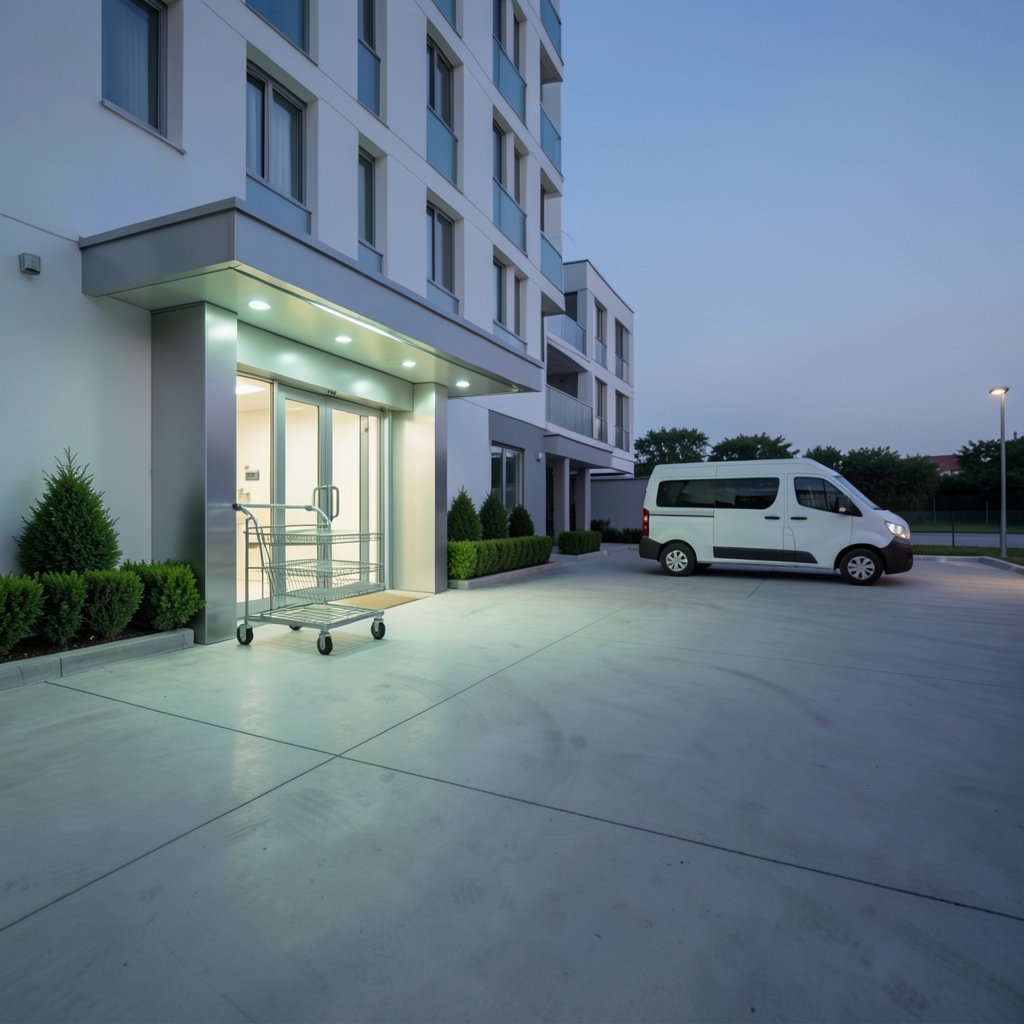
What if a hotel’s name promised New York City but its front door opened onto New Jersey? That is the first surprise many travelers meet when they book the Best Western Premier NYC Gateway Hotel. The name says NYC. The address says North Bergen, New Jersey. And that gap between marketing and map is exactly where the useful planning begins.
This is not a review built on invented stays or made-up star ratings. It is a practical, honest breakdown of what this property is, where it actually sits, who it suits, and which mistakes cost travelers the most money and time. If the hotel is on a shortlist, the details below should help decide whether it belongs there.
Where Is the Best Western Premier NYC Gateway Hotel Actually Located?
The property sits in North Bergen, a dense township in Hudson County, New Jersey, on the west bank of the Hudson River. Manhattan’s skyline is directly across the water. The hotel’s “Gateway” name points to that position: it is a staging point for trips into the city rather than a base inside it.
That distinction matters more than most travelers expect. A hotel in North Bergen is not a Manhattan hotel with a quirky name. It is a suburban New Jersey hotel with a view corridor toward one of the most visited cities on earth. Guests should plan around a river crossing, not a short walk.
The location also shapes the trip’s rhythm. Travelers who want to step out of a lobby and into Midtown will find this property frustrating. Travelers who want a calmer, cheaper base with the city as a day trip will find it sensible.
What the “NYC Gateway” Name Really Signals
Hotel names in this segment are marketing tools. “NYC Gateway” tells a prospective guest that Manhattan is reachable, not that the hotel is in Manhattan. That is a fair reading of the brand’s own positioning, and it is how most gateway hotels in Hudson County operate.
The practical takeaway is simple. Before booking any hotel with a city name in its title, confirm the exact municipality. Search engines and booking sites often cluster “New York City hotels” loosely enough that New Jersey properties appear in results. The traveler who reads the address before paying avoids the most common complaint about gateway properties: surprise at the commute.
The Brand Behind the Name: Best Western Premier
Best Western is one of the oldest lodging networks in the world, and its history explains a lot about how this hotel operates. The brand began as a referral network among independent motel owners in the mid-twentieth century, and it grew into a global affiliation of independently owned and operated properties rather than a chain of company-owned hotels. That cooperative origin still shapes the guest experience: quality can vary more between locations than it does within a tightly standardized corporate chain. Readers who want the full corporate history and tier structure can explore the background of Best Western as a brand.
Best Western Premier is the network’s upper tier. Standard Best Western sits at the midscale level, Best Western Plus adds amenities, and Premier is positioned above both. In practice, Premier properties tend to offer larger rooms, fuller breakfast programs, fitness facilities, and more polished public spaces than their midscale siblings.
That tier system is useful for setting expectations. A Premier hotel is not a luxury property, and it does not pretend to be. It aims at the upper-midscale traveler: comfortable, functional, and priced below full-service upscale brands. Guests who arrive expecting Ritz-Carlton service will be disappointed. Guests who arrive expecting a clean, well-equipped, fairly priced room near a major city usually are not.
What Guests Typically Find in the Rooms and Public Spaces
Because Premier-tier hotels follow brand standards, the room experience tends to be predictable in a good way. Travelers can generally expect:
- Rooms with a work desk, coffee maker, flat-screen television, and reliable Wi-Fi
- A hot breakfast included in the rate, a signature of the Best Western network
- A fitness center and business services
- Parking, which is a major advantage over Manhattan hotels
- A lobby designed for quick check-in rather than long lounging
The parking point deserves emphasis. Overnight parking in Manhattan can cost more than a budget room in some markets, and garage clearance and availability add friction. A New Jersey gateway hotel with on-site parking changes the math for anyone arriving by car. Families on road trips and business travelers with equipment benefit most.
Breakfast is the other practical win. An included hot breakfast removes one meal from the daily budget and one decision from the morning. For a family of four, that is meaningful across a multi-night stay.
The Trade-Offs Nobody Mentions in the Photos
Marketing photos show the room and the skyline. They do not show the commute. Guests should weigh three trade-offs honestly:
- The river crossing. Travel into Manhattan involves a tunnel or bridge, and traffic on the approaches can be severe at peak times.
- Transit dependence. Without a car, the trip depends on bus or shuttle connections to a Port Authority Trans-Hudson (PATH) station or a Manhattan-bound bus. Schedules matter.
- Neighborhood character. North Bergen is a working township, not a tourist district. Evening dining and strolls are local, not scenic.
None of these are deal-breakers. All of them are better known before arrival than discovered at the front desk.
How to Get From North Bergen Into Manhattan
The single most useful planning task is mapping the commute before booking. Hudson County sits directly across from Midtown, and several crossings connect the two.
| Route Option | Typical Character | Best For |
|---|---|---|
| Bus to Port Authority Bus Terminal | Direct, frequent, subject to tunnel traffic | Travelers heading to Midtown |
| Drive through Lincoln Tunnel | Fast off-peak, slow at rush hour | Groups splitting costs, off-peak trips |
| Rideshare to a PATH station | Flexible, variable pricing | Late arrivals, light luggage |
| Hotel shuttle, where offered | Convenient, limited schedule | Guests without a car |
The Port Authority of New York and New Jersey operates the region’s crossings and transit hubs, and its published travel information is the most reliable source for tunnel conditions and bus terminal details. Travelers should check it the morning of a trip rather than relying on a hotel’s general estimate.
Timing changes everything. A mid-morning departure into the city can take a fraction of the time of a rush-hour one. Guests planning theater evenings should build in a generous buffer, and guests planning early meetings should consider leaving before the peak builds.
A Practical Commute Checklist
Before the first trip into the city, guests should confirm four things:
- The current bus or shuttle schedule from the hotel, including the last return trip.
- The closest PATH station and its weekend service pattern, which differs from weekdays.
- Whether the hotel charges for parking and whether the lot fills on weekends.
- A backup plan for the return leg, since late-night transit thins out.
Travelers who treat the commute as part of the itinerary, rather than an afterthought, report far fewer frustrations. The ones who assume a ten-minute ride into Times Square are the ones who end up writing angry reviews.
Who This Hotel Suits, and Who It Does Not
The property fits a specific traveler. Matching the hotel to the trip is the whole game.
It suits:
- Families who want space, parking, and breakfast at a lower nightly rate
- Road-trippers passing through the New York metro area
- Budget-conscious travelers willing to trade commute time for savings
- Business travelers with meetings in New Jersey or the Meadowlands area
It does not suit:
- Travelers whose main goal is walking to Manhattan attractions
- Visitors planning late nights in the city who want a short, safe walk home
- Guests who expect full-service upscale amenities like a spa or fine-dining restaurant
- Anyone who will feel the name was misleading if the address is not in New York
That last point is worth stating plainly. The hotel is honest about being a gateway. The confusion usually comes from booking platforms that blur municipal lines. Travelers who want a Manhattan address should book a Manhattan hotel, and those comparing options across the river may find a broader look at hotels that feel like a destination useful for weighing whether location or atmosphere matters more to the trip.
Common Booking Mistakes and How to Avoid Them
Most complaints about gateway hotels trace back to a handful of avoidable errors. These are the ones that show up again and again.
Booking on the name alone. Always confirm the street address and municipality before paying. A hotel called “NYC Gateway” can sit across a state line.
Underestimating the commute cost. Bus fares, rideshares, and tunnel tolls add up over a multi-night stay. A cheaper room rate can be erased by daily transit costs for a family. Travelers should total the room rate plus estimated transit before comparing it to a Manhattan rate.
Assuming shuttle service is unlimited. Where a hotel offers a shuttle, frequency and hours are usually limited. Guests should ask about the schedule at booking, not at check-in.
Ignoring parking fees and lot capacity. On-site parking is an advantage, but it is not always free or guaranteed. Confirming both is worth a phone call.
Skipping the return-trip plan. The trip into the city is easy to plan. The trip back at 11 p.m. is where plans fall apart.
Expecting a Manhattan experience at a New Jersey price. The hotel delivers a comfortable, functional stay near a major city. It does not deliver a Manhattan address, and no amount of branding changes that.
How This Hotel Compares to Staying in Manhattan
The core decision is a trade: money and space versus time and convenience. A Manhattan hotel puts the city at the doorstep but often at a premium rate, with small rooms and expensive parking. A North Bergen gateway hotel offers more space, included breakfast, and parking, but adds a daily commute.
For a two-night leisure trip focused on Midtown, the Manhattan premium often pays for itself in saved transit time and hassle. For a longer stay, a family trip, or a visit centered on New Jersey, the gateway math usually wins. Travelers comparing luxury options across brands, such as weighing an Aman against a Four Seasons for a specific trip, will find the gateway tier sits in an entirely different category and should be judged on its own terms.
The same logic applies to villa versus hotel decisions, where privacy and service trade off against cost. Readers weighing that choice can compare a luxury villa against a luxury hotel on cost, privacy, and service. The gateway hotel occupies the value end of the same spectrum: less atmosphere, less cost, more planning required. (Best Smart Hotel Room Features That Improve Your Stay) (Hotel)
What to Confirm Before You Book
A short list of questions, asked before paying, prevents most disappointment.
- What is the exact street address and municipality?
- Is parking included, and does the lot fill up?
- What are the shuttle or transit options, with hours?
- What does breakfast include, and when is it served?
- What is the cancellation policy if plans change?
Front desks answer these questions readily by phone. Booking platforms often do not. A five-minute call is cheaper than a ruined trip.
Conclusion
The Best Western Premier NYC Gateway Hotel is exactly what its name says, provided the traveler reads the name carefully. It is a gateway to New York City, not a hotel inside it. It sits in North Bergen, New Jersey, in the upper-midscale tier of a brand built on independent ownership, and it delivers predictable comfort, included breakfast, and parking at a rate that undercuts Manhattan.
The hotel rewards travelers who plan the commute and punishes those who assume the skyline is a short walk away. Families, road-trippers, and budget-minded visitors get real value. Travelers who want to step out of the lobby and into Midtown should book in Midtown. The honest verdict is simple: a solid, fairly priced base for a city trip, best booked with eyes open and a transit plan in hand.
Frequently Asked Questions
Is the Best Western Premier NYC Gateway Hotel in New York City?
No. The hotel is in North Bergen, New Jersey, on the west bank of the Hudson River. The “NYC Gateway” name refers to its proximity to Manhattan, not its municipal address. Guests should confirm the street address before booking, since booking platforms often group New Jersey properties with New York City results.
How far is the hotel from Manhattan?
The hotel sits directly across the Hudson from Midtown, a short drive by tunnel or bridge in light traffic. Commute time depends heavily on the time of day, with rush-hour crossings taking considerably longer. Guests should build in buffer time for theater tickets, flights, and early meetings.
Does the hotel offer parking?
Gateway hotels in Hudson County typically offer on-site parking, which is a major advantage over Manhattan properties where overnight parking can be expensive. Guests should confirm whether parking is included in the rate and whether the lot fills on weekends, since availability varies by property.
Is breakfast included at Best Western Premier hotels?
Breakfast is a signature feature of the Best Western network, and Premier-tier properties generally offer a fuller hot breakfast than standard locations. Travelers should confirm the current breakfast format and serving hours directly with the hotel, since individual properties set their own programs.
What is the difference between Best Western, Best Western Plus, and Best Western Premier?
The network uses a tiered system. Standard Best Western is midscale, Best Western Plus adds amenities, and Best Western Premier sits at the upper-midscale level with larger rooms and more polished facilities. None of the tiers is a luxury brand, and guests should set expectations accordingly.
Who is this hotel best suited for?
It suits families, road-trippers, and budget-conscious travelers who value space, parking, and included breakfast over a Manhattan address. It is less suitable for visitors who want to walk to city attractions or who plan late nights in Manhattan and want a short trip home.