
Cape Town Luxury Travel Guide 2026: Stay, Eat & Splurge
 Abdul WadoodLast updated

Cape Town receives roughly 1.5 million international visitors in a typical year, yet only a small fraction ever sleep in a Clifton cliffside villa or dine at a Franschhoek estate with a private cellar tasting. That gap is the whole point of this guide. The city rewards travelers who know which neighborhoods justify their price tags and which “luxury” labels are mostly marketing.
What follows is a practical, opinionated look at how the high-end side of Cape Town actually works: where to base yourself, what the money buys, when to go, and the mistakes that catch even seasoned travelers off guard. (Western Cape Government)
Why Cape Town Earns Its Luxury Reputation
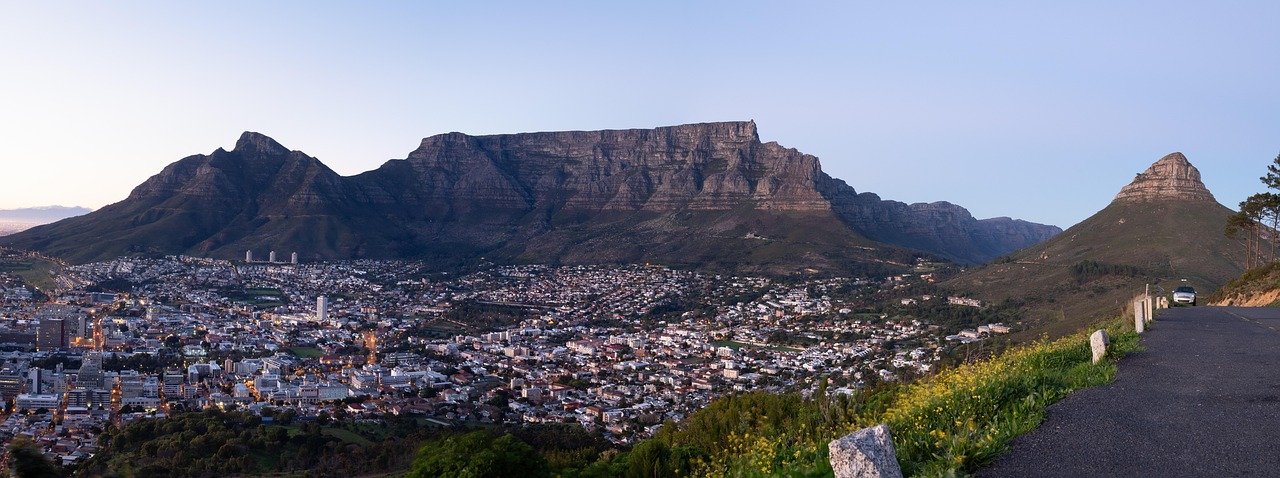
Few cities pack mountains, ocean, vineyards, and a serious food scene into a 45-minute radius. Cape Town does. Table Mountain National Park sits inside the city limits, the Atlantic Seaboard runs from the V&A Waterfront to Hout Bay, and the Cape Winelands begin about an hour inland.
That geography creates a rare luxury advantage: you can ski the sense of wilderness without leaving a five-star breakfast behind. A morning hike on Lion’s Head, a lunch in Constantia, and a sunset on Camps Bay beach can all happen in one day.
The city has also matured as a design and food destination. Its contemporary art scene, fashion, and hospitality have drawn increasing international attention, a shift explored in pieces like the new language of modern luxury, where understatement and provenance now matter more than logos.
When to Go: Season, Weather, and Crowds
Peak luxury season runs roughly November to March, the Southern Hemisphere summer. Expect the highest rates, the most competition for the best villas, and the windiest beach days. The Cape Doctor, a strong south-easterly wind, is a local fixture in December and January.
Shoulder months, April to May and September to October, often deliver the best value: mild weather, fewer crowds, and rates that can drop meaningfully at the same properties. Winter, June to August, is cool and wet but ideal for wine estate lunches with fireplaces and lower hotel pricing.
| Season | Months | Best For | Trade-Off |
|---|---|---|---|
| Peak summer | Nov–Mar | Beaches, outdoor dining, events | Highest rates, wind, crowds |
| Shoulder | Apr–May, Sep–Oct | Value, mild weather, wine country | Some variability in conditions |
| Winter | Jun–Aug | Wine estates, spa stays, lower rates | Rain, shorter beach days |
Book high-season villas and the most sought-after restaurants several months ahead. The best tables in the city do not hold walk-in space for long.
Where to Stay: Neighborhoods Decoded
Where you sleep shapes the entire trip. Each luxury zone has a distinct personality.
The Atlantic Seaboard: Camps Bay and Clifton
This is the postcard Cape Town: white sand, granite boulders, and sunset views. Clifton’s four beaches are sheltered from the wind, and the cliffside villas above them are among the most expensive real estate in Africa. Camps Bay offers more restaurants and a livelier strip. Expect premium pricing and steep stairs; many villas are not step-free.
The V&A Waterfront and City Bowl
The Waterfront delivers convenience: hotels, shopping, the Zeitz Museum of Contemporary Art Africa, and easy access to Robben Island ferries. The City Bowl, including Gardens and Oranjezicht, suits travelers who want walkable coffee culture and design hotels. Both areas trade some ocean drama for logistics.
Constantia, Stellenbosch, and Franschhoek
For wine-focused trips, the Winelands are the answer. Constantia is the closest to the city and known for its historic estates and cool-climate whites. Stellenbosch brings university-town energy and serious reds. Franschhoek is the most polished, with a compact village of galleries and destination restaurants. A split stay, city first and wine country second, works well.
If you want a broader sense of how high-end properties differentiate themselves, this collection of luxury resort ideas is a useful comparison exercise before you commit to a rate.
What Luxury Actually Buys in Cape Town
The rand’s exchange rate means international visitors often get more for their money than in Europe or the US. But “more” needs direction. Here is what the money realistically buys.
- Private villas with staff: Expect a house manager, daily housekeeping, and often a cook. Confirm exactly what is included; “staffed” can mean very different things.
- Boutique hotels with design pedigree: Small properties in the City Bowl and Winelands often outperform large chains on service and character.
- Guided wine and food experiences: Private cellar tastings, chef’s tables, and estate lunches with a dedicated driver.
- Chartered access: Sailing from the Waterfront, helicopter transfers to the Winelands, and private game reserves within a few hours’ drive.
The single biggest quality variable is not the property. It is the people running it. A well-managed four-star guesthouse frequently beats an understaffed five-star.
Food and Wine: Where the Real Splurge Lives
Cape Town’s restaurant scene is genuinely world-class, and the top tier is still priced below comparable cities. Book tasting menus well ahead, especially on weekends.
The Winelands deserve a full day, ideally two. A private driver removes the designated-driver problem entirely and is standard practice among luxury travelers. Ask estates about library tastings and vertical flights; these are often unlisted and available only by request.
Practical tip: many top restaurants release reservations on a rolling schedule. Set a reminder rather than relying on luck. And if a table is unavailable, ask about lunch service, which is frequently easier to secure and just as good.
For a wider view of how heritage and craftsmanship shape high-end dining and fashion, this look at luxury fashion houses and their legacy offers useful context on why provenance storytelling has become central to premium experiences.
Safaris, Coastlines, and Day Trips Worth the Drive
Cape Town works as a base, and it is also a destination. The most rewarding luxury add-ons:
- Cape Point and the Cape of Good Hope: Go early to beat tour buses; the drive through Chapman’s Peak is the highlight.
- The Whale Coast: Hermanus, roughly two hours east, is a seasonal whale-watching hub from roughly June to November.
- Private game reserves: Several malaria-free reserves sit within a few hours’ drive, making a two-night safari feasible.
- The West Coast: Quieter, wilder, and ideal for a slow luxury reset.
Hire a driver for full-day trips. Self-driving is easy, but parking at popular trailheads and beaches fills early, and a local driver saves hours.
Common Mistakes Luxury Travelers Make
Even experienced travelers trip on the same few points.
Overpacking the itinerary. Cape Town traffic and mountain roads eat time. Two activities a day is realistic; four is a recipe for exhaustion.
Ignoring the wind. Camps Bay can be blustery while Clifton is calm. Choose beaches by wind direction, not by reputation.
Underestimating distances. The Winelands look close on a map but demand a full day once tastings and lunch are included.
Booking on price alone. Ask about staffing ratios, recent renovations, and backup power. Reliable utilities matter, and good properties invest in them.
Skipping travel insurance for adventure activities. Paragliding, hiking, and shark-cage diving often need specific cover.
Safety and Practicalities, Handled Sensibly
Cape Town is a city with visible inequality and property crime in some areas. Luxury travel here is safe when handled with ordinary urban awareness: use reputable drivers at night, avoid displaying valuables, and take advice from your hotel on which routes to walk after dark.
Check entry requirements and visa rules directly with official government sources before booking, as policies change. Also confirm current cableway operating schedules and national park fees through official channels rather than third-party resellers. Currency is the rand, and cards are widely accepted, though carrying some cash helps at markets and smaller vendors.
Design, Craft, and the Future of Cape Town Luxury
The city’s luxury identity is shifting from imported glamour toward local authorship: Cape Dutch architecture restored with restraint, ceramics and textiles from regional studios, and restaurants built around small producers. This is part of a broader shift in how affluent travelers define value, a theme covered in the future of luxury living.
For travelers who care about watches, fashion, and design objects, the city’s independent boutiques and galleries reward slow browsing. A broader survey of watches, brands, and design helps frame what is genuinely worth buying versus what is simply expensive.
Building a Realistic Budget
Luxury pricing in Cape Town is tiered. A useful planning frame:
| Tier | Nightly Accommodation | Dining | Transport |
|---|---|---|---|
| Entry luxury | Mid-range boutique | One tasting menu per trip | Rideshare |
| Core luxury | Five-star or premium villa | Several top restaurants | Private driver by day |
| Peak luxury | Staffed cliffside villa | Chef’s table, private tastings | Dedicated driver and guide |
Add buffer for wine shipping, gratuities, and excursions. Gratuities of 10–15 percent are customary at restaurants, and drivers and guides appreciate daily tipping.
Conclusion
Cape Town delivers a combination that is hard to match: mountain wilderness inside a city, a serious food and wine culture, and pricing that still favors international visitors. The luxury traveler who does well here is not the one who books the most expensive villa. It is the one who matches neighborhood to purpose, books early, hires good drivers, and treats the Winelands as a full-day commitment rather than an afterthought.
Go in shoulder season if you can. Split your stay between the Atlantic Seaboard and the wine country. Ask detailed questions before you pay a premium. Do those three things, and the city’s high-end layer opens up in a way that feels less like a transaction and more like an introduction.
Frequently Asked Questions
What is the best area to stay in Cape Town for luxury travel?
Camps Bay and Clifton on the Atlantic Seaboard offer the most dramatic scenery and the highest concentration of premium villas. The V&A Waterfront and City Bowl suit travelers who prioritize convenience and walkability. For wine-focused trips, Constantia, Stellenbosch, and Franschhoek are the strongest choices.
When is the best time to visit Cape Town for a luxury trip?
November to March is peak season, with the best beach weather and the highest rates. April to May and September to October offer milder conditions, fewer crowds, and better value at the same properties. Winter is quieter and cheaper but wetter.
How much does a luxury trip to Cape Town cost?
Costs vary widely by tier. Entry luxury travelers can expect mid-range boutique pricing with one splurge meal. Core luxury involves five-star hotels or premium villas with private drivers. Peak luxury means staffed cliffside villas, chef’s tables, and chartered excursions. The rand’s exchange rate often stretches budgets for international visitors.
Do I need a car in Cape Town?
Not necessarily. Rideshares work well in the city, and a private driver is standard for Winelands day trips. A car helps for Cape Point, the West Coast, and flexible schedules, but parking at popular beaches and trailheads fills early.
Is Cape Town safe for luxury travelers?
It is safe with ordinary urban awareness. Use reputable drivers at night, avoid displaying valuables, and follow hotel advice on walking routes after dark. Check official government sources for current entry requirements before booking.
What should I not miss on a first luxury visit?
Prioritize a Table Mountain experience, a full day in the Winelands with a private driver, a sunset on the Atlantic Seaboard, and at least one top-tier tasting menu. Add Cape Point if time allows, and go early to avoid crowds.