
How to Choose Seats at the Opera: 2026 Seat Guide
 Abdul WadoodLast updated
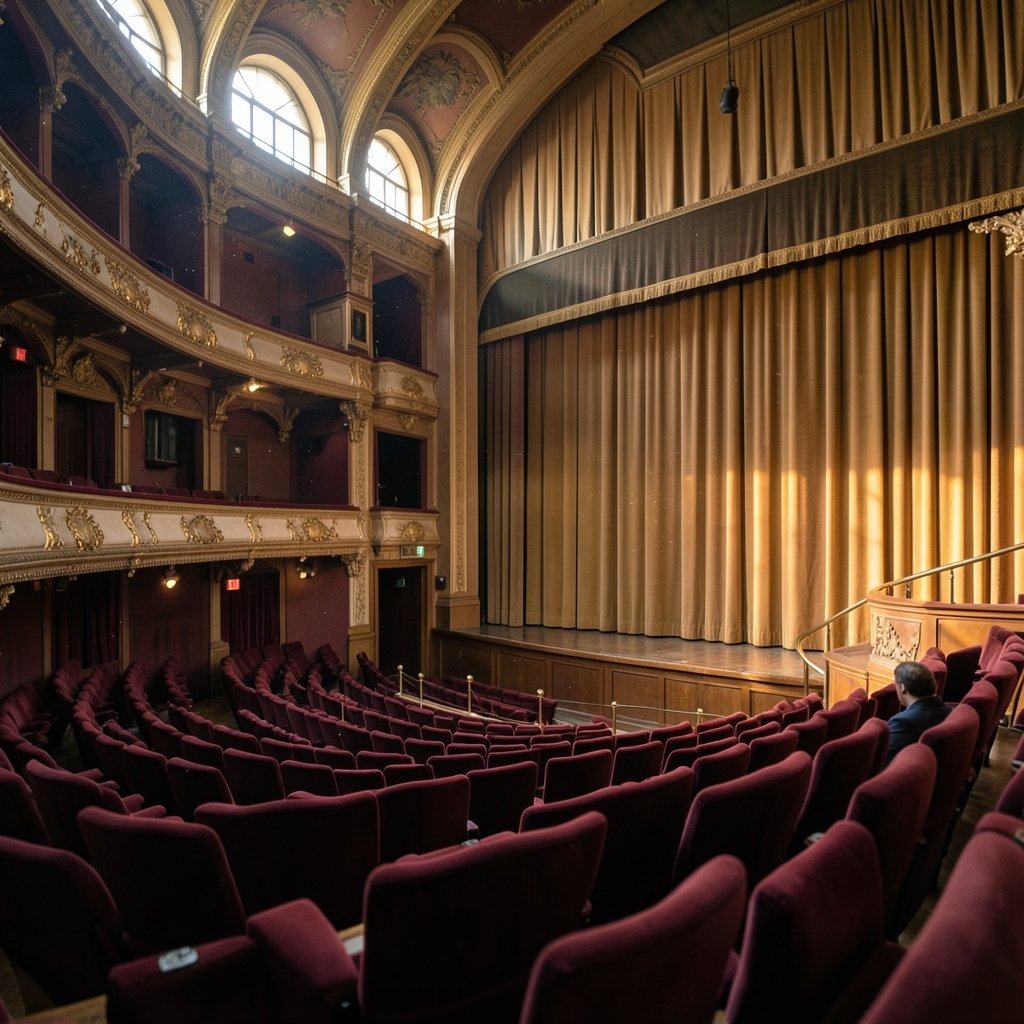
Opera tickets are among the most expensive in live entertainment, yet the difference between a great seat and a disappointing one often comes down to a single row, a side aisle, or a few feet of elevation. A seat that costs half as much can sometimes deliver a better experience than the premium center orchestra. The trick is knowing what actually shapes the view, the sound, and the surtitles. This guide walks through the real-world logic of picking opera seats, from reading a seating chart to spotting the traps that even seasoned ticket buyers miss. (Seating assignment)
Why the Best Seat Isn’t Always the Most Expensive
Walk into any major opera house and you’ll notice something odd: the most expensive seats cluster in the center orchestra and first-tier center, but they aren’t automatically the best. Price categories reflect tradition, sightlines, and prestige as much as acoustics.
The orchestra pit is the first thing to understand. In a typical opera house, the pit holds 60 to 100 musicians, and the conductor sits at the edge, facing the stage. That means the front rows of the orchestra section sit below the stage floor in many houses. You’ll hear the orchestra beautifully, but you may crane your neck to see singers’ feet rather than their faces. For a Wagner or Strauss opera with a huge orchestra, front-row seats can also be loud enough to overwhelm the voices.
The first tier (sometimes called the dress circle or grand tier) tends to sit above the stage lip, giving a fuller view of the stage picture and, often, better balance between voices and orchestra. Many regular opera-goers consider the front of the first tier the sweet spot. It’s rarely the cheapest, but it’s frequently the most satisfying.
Read the Seating Chart Like a Local
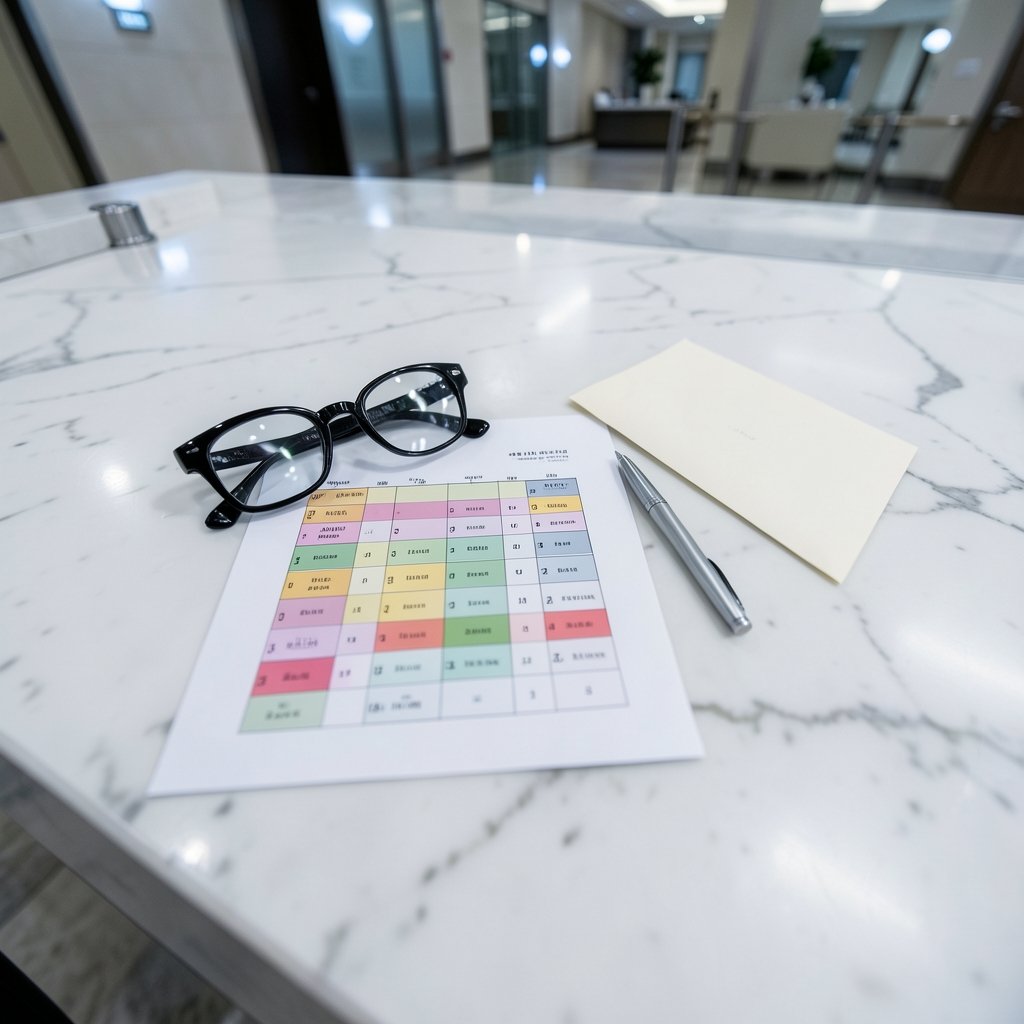
Every opera house publishes a seating plan with price categories, and this document is your most important tool. A few habits separate confident buyers from anxious ones:
- Find the stage orientation first. Charts are drawn from the audience’s perspective, but confirm which side is the stage. Some charts rotate the house.
- Locate the side aisles and cross aisles. Seats on an aisle cost the same as their neighbors but offer easier exits and a slightly less enclosed feeling.
- Look for “restricted view” labels. Houses flag seats with partial sightlines, usually at the extreme sides of upper tiers or behind pillars. These are legitimate bargains if you accept the trade-off.
- Check the row letters as well as the section. Row A in the balcony is not the same as Row A in the orchestra. Elevation matters more than horizontal position.
- Compare category prices across sections. Sometimes a rear first-tier seat costs the same as a mid-orchestra seat with a worse view.
A common mistake is buying the cheapest seat in a good section without checking what “cheap” means in that spot. A side seat in the upper balcony may have a clear view of the stage but no sightline to the surtitles, which sit above or beside the proscenium. If the opera is sung in a language you don’t speak, that’s a real loss.
The Sound Question: Where Opera Actually Sounds Best
Acoustics in opera houses follow patterns that repeat across centuries of theater design. The general rule: sound rises and travels, so seats under balconies or in deep overhangs can sound muffled, while open upper tiers often get surprisingly rich, balanced sound.
| Seat location | Sound quality | Sightline | Typical price |
|---|---|---|---|
| Front orchestra (rows 1–5) | Loud, orchestra-heavy | Low, may miss stage floor | High |
| Mid orchestra (rows 6–15) | Balanced, direct | Good to very good | Highest |
| Rear orchestra / under overhang | Muffled, less presence | Good | Moderate |
| Front first tier | Excellent balance | Excellent | High |
| Upper balcony, center | Bright, sometimes thin | Full stage view | Low to moderate |
| Side boxes near stage | Uneven, voices strong | Poor upstage view | Varies widely |
| Extreme side upper tiers | Variable | Restricted | Lowest |
Boxes deserve special mention. A box close to the stage on the side gives you an intimate, almost backstage view of the singers, and the voices can be thrillingly direct. But you’ll lose much of the upstage action and may see the set from an awkward angle. Rear boxes are often cheaper and more distant, sometimes with a pillar in the way. Boxes are wonderful for a special occasion and frustrating for a complex staging.
The upper balcony is the classic budget choice. In many European houses, the top tier is where students and devoted fans sit, and the sound can be excellent because nothing blocks it. The trade-off is distance: faces become small, and subtleties of expression disappear. For a first opera, that matters. For a familiar work, it rarely does.
Surtitles, Language, and Sightlines
Most houses now project surtitles (or supratitles) above the stage or on small screens at each seat. Their position changes everything about seat choice.
If titles are projected above the proscenium, seats far to the side or high in the balcony may not see them. If titles appear on individual screens, seat position matters less, but you’ll be glancing down rather than at the stage. Some houses offer titles in multiple languages, and some productions use none at all.
The practical tip: before buying, check the production page for the language of the libretto and whether titles are used. If you don’t know the work and titles are essential, prioritize a central seat in the orchestra or first tier over a cheaper side seat. If you know the opera well, the side seat becomes a smart saving.
Standing Room, Rush Tickets, and Other Cheap Options
Many European opera houses sell standing places at a fraction of seated prices. These are usually at the rear of the orchestra or upper tiers, with a rail to lean on and a clear view. They’re not for everyone, but they’re a genuine route to hearing world-class singers for the price of a sandwich. Policies vary by house and season, and some sell standing places only on the day of performance.
Rush tickets and last-minute discounts are another option, often released a day or hours before curtain. The catch is that you take what’s left, which may be restricted-view seats. For a flexible traveler, that’s a fine gamble. For a planned celebration, it’s risky.
Accessibility and Special Needs
Wheelchair spaces and companion seats are typically booked through the box office directly rather than through online seat maps. Houses vary in where these spaces sit and how many are available, so call ahead. The same applies to seats with extra legroom, aisle transfers, and hearing-assistance devices. If you have specific needs, the box office is your best resource, not the website’s checkout flow.
Matching the Seat to the Opera
Not every opera demands the same seat. A few practical pairings:
- Grand spectacle (Aida, Turandot): mid-orchestra or front first tier, so you can take in the full stage picture.
- Intimate chamber opera: smaller houses reward closer seats; the front rows of the balcony often work well.
- Bel canto showcase (Bellini, Donizetti): prioritize sound over spectacle; upper tiers and side seats can be magical.
- Long Wagner works: comfort matters. Aisle seats and slightly more legroom beat a cramped premium spot for a five-hour evening.
- First opera ever: center orchestra or front first tier, with titles visible. Pay for clarity once, then experiment later.
The same logic applies to other grooming and styling decisions around a big night out. If you’re planning your look for the evening, a practical guide to hair gel hold and finish or a quick read on choosing a hair mask can save you last-minute stress before curtain.
Common Mistakes That Cost Money and Enjoyment
Even experienced ticket buyers fall into predictable traps. The first is buying on price alone without checking the seat’s sightline notes. The second is ignoring the overhang: seats under a deep balcony can feel cut off from the room’s acoustic. The third is forgetting the pit: front-row seats in a brass-heavy opera can be overwhelming.
Another frequent error is assuming that a higher price means a better view. In some houses, the most expensive seats are in the center of the orchestra, but a seat a few rows back and slightly to the side costs less and sees more of the stage. Finally, many buyers overlook matinee performances and weeknights, which often carry lower prices for identical seats.
For a broader look at how to plan an evening’s styling and grooming, the hair styles guide covers looks that hold up through a long performance, and the hair brush guide helps with quick touch-ups between acts.
A Step-by-Step Buying Routine
- Check the production page for language, titles, and running time.
- Open the seating plan and identify the stage orientation and price categories.
- Shortlist two or three seats in different sections at similar prices.
- Read the restricted-view notes for each shortlisted seat.
- Consider the opera’s style: spectacle favors a wide view, bel canto favors sound.
- Call the box office for accessibility, standing room, or rush policies.
- Buy early for popular productions, but check for midweek and matinee savings.
Conclusion
Choosing opera seats is less about spending more and more about matching the seat to the evening. The center orchestra and front first tier remain reliable choices for a first visit, while upper tiers and side seats reward experienced listeners with savings and surprisingly good sound. Read the seating chart carefully, respect the restricted-view labels, and think about titles, sightlines, and the size of the orchestra. Do that, and the seat becomes part of the performance rather than a compromise.
Frequently Asked Questions
Where are the best seats at the opera for a first-timer?
Center orchestra around rows 8 to 15, or the front of the first tier, offer the best balance of sightlines, sound, and surtitle visibility. These seats are rarely the cheapest, but they remove the variables that can spoil a first experience. Avoid extreme side seats and deep under-balcony spots until you know the house.
Are cheap upper-balcony seats worth it?
Often, yes. Upper tiers frequently have excellent acoustics because nothing blocks the sound, and the full stage picture is visible. The trade-offs are distance from the singers’ expressions and, in some houses, a poor view of surtitles. For familiar works, they’re among the smartest buys in the house.
Do side boxes have good views?
It depends on the box. Boxes close to the stage give an intimate view of the singers but lose much of the upstage action. Rear boxes are cheaper but more distant and sometimes obstructed by pillars. Check the house’s notes on each box before buying, and expect a trade-off rather than a perfect view.
How can I see the surtitles from my seat?
Surtitle position varies by house. If titles are projected above the proscenium, central seats in the orchestra and first tier see them best. If titles appear on individual screens, seat position matters less. Check the production page and, when in doubt, ask the box office which seats have a clear title sightline.
Is standing room at the opera a good option?
For budget-conscious listeners who know the work, standing room can be outstanding value, offering clear views and full sound at a fraction of seated prices. It’s less comfortable for long works and not ideal for a first visit. Policies vary by house and season, and some sell standing places only on performance day. (Visit)
When is the best time to buy opera tickets?
Popular productions sell out months ahead, so early buying secures the best seats. For flexibility, midweek performances and matinees often carry lower prices for identical seats. Last-minute rush tickets can be excellent value but usually mean accepting whatever remains, including restricted-view seats.