
Best Places to Visit in July Without Extreme Heat
 Abdul WadoodLast updated

July is the world’s most popular travel month, and for good reason: school is out, offices slow down, and half the planet is on the move. But here’s the uncomfortable truth that travel brochures rarely mention: July is also when many of the world’s famous destinations turn into convection ovens. Rome regularly climbs past 35°C (95°F). Phoenix can hit 45°C (113°F). Parts of southern Spain and the Middle East become genuinely dangerous for walking tours between noon and six. (July)
The good news is that geography offers a workaround. Mountains, high latitudes, cold ocean currents, and elevation all create pockets where July stays mild. The even better news is that these places tend to be more pleasant, less crowded, and more photogenic than the hot spots. What follows is a practical, honest guide to where to go in July when you want warmth without the sweat-soaked misery.
Why July Heat Is a Bigger Problem Than It Used to Be
Before diving into destinations, it’s worth understanding the trend. Global temperatures have broken records repeatedly in recent years, and the World Meteorological Organization has documented a steady climb in annual mean temperatures alongside more frequent heat extremes. That matters for travelers because historical climate normals are becoming less reliable. A city that averaged 28°C in July two decades ago may now spike to 34°C during a heat dome. (Climate change, heat and health)
The practical takeaway: build flexibility into any July trip. Book refundable hotels, plan outdoor activity for early morning, and always have an indoor backup. And when you’re choosing a destination, favor places where the baseline is cool rather than places that depend on luck. A coastal town that averages 19°C will still be pleasant during a heatwave. A city that averages 33°C becomes unbearable.
Northern Europe: Long Days, Mild Air
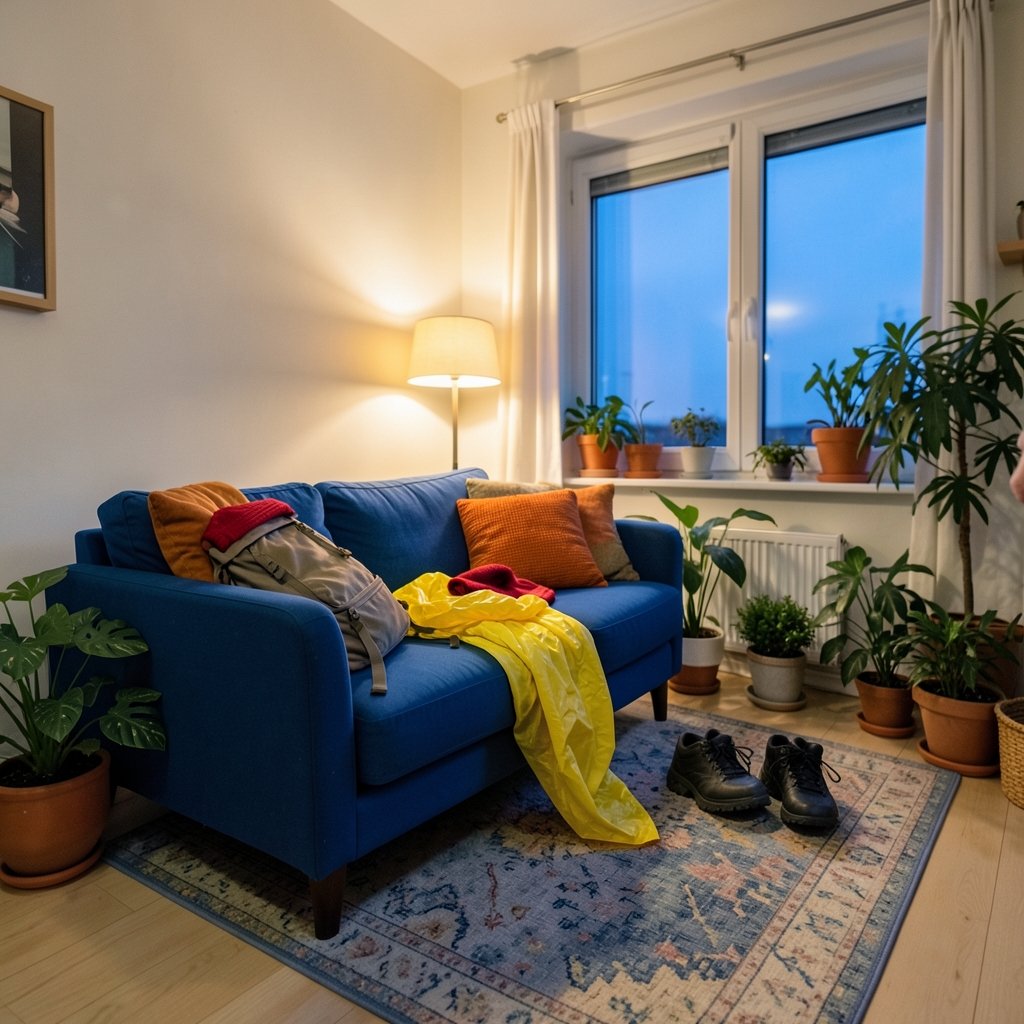
Scandinavia and the Baltic region are the classic answer to July heat, and the reputation holds up. Stockholm, Helsinki, Tallinn, and Riga typically see daytime highs in the 18–22°C range, with daylight stretching past 18 hours in the far north. You can hike at 9 p.m. and still have sun on your shoulders.
The catch is rain. July in this region is often showery, so pack a proper shell jacket rather than an umbrella. Another catch: recent summers have produced genuine heatwaves here too, with temperatures occasionally pushing above 30°C for short stretches. It’s rare, but it happens. Book accommodation with fans or air conditioning if you’re heat-sensitive, because many older Scandinavian buildings don’t have it.
Scotland and Ireland offer a similar deal: cool, changeable, green, and rarely hot. Edinburgh’s July highs hover around 19°C. The trade-off is that “sunny” is a relative concept, and midges in the Scottish Highlands are a genuine nuisance in July. Coastal and island routes avoid the worst of them.
The Andean Highlands: Near the Equator, Cool by Altitude
Here’s a counterintuitive option. Quito, Ecuador sits almost exactly on the equator, yet its July highs are typically around 19–20°C. The reason is elevation: the city sits at roughly 2,850 meters. Bogotá, Colombia, at about 2,640 meters, is similarly mild year-round. Cusco, Peru, sits near 3,400 meters and offers dry-season access to Machu Picchu in July.
This is one of the most underrated travel hacks in the world: latitude determines the season, but altitude determines the temperature. You get equatorial daylight, lush landscapes, and spring-like weather without the tropical heat.
The trade-offs are real, though. Altitude sickness affects a sizable share of visitors, and the UV index at these elevations is brutal even when the air feels cool. Plan a slow first day, drink more water than feels necessary, and wear sunscreen like it’s a religion. July is also dry season across much of the central Andes, which means clear skies and busy trails.
Southern Indian Ocean Islands: Austral Winter Perfection
July falls in the Southern Hemisphere’s winter, which makes islands like Réunion and Mauritius unusually comfortable. Daytime highs typically land in the 22–25°C range, and trade winds keep humidity in check. Réunion adds dramatic volcanic terrain and canyon hikes; Mauritius adds beaches and lagoons that are refreshing rather than scorching.
The trade-off: it’s winter, so evenings cool down and the southern coasts of these islands can be windy. Some water activities are seasonal. But if your goal is beach time without the oppressive stickiness of the Caribbean in July, this is a smart swap.
Pacific Northwest Coast: Dry Season, Gentle Temperatures
July is arguably the best month on the Oregon and Washington coasts and in British Columbia. The region’s famous rain largely shuts off, and coastal highs sit around 20–25°C. Inland valleys get hotter, so stay near the water if heat is your concern. Vancouver, Victoria, and the Olympic Peninsula all deliver forest, coastline, and mild air in the same trip.
One practical warning: the Pacific Ocean here is cold, typically 12–15°C even in July. This is hiking and kayaking weather, not swimming weather. Locals wear fleece in the evening. Visitors who pack only shorts end up buying hoodies at gift shops, a rite of passage.
East African Highlands: Cool Cities Near the Equator
Nairobi and Addis Ababa both sit at high elevation and enjoy July highs near 20–23°C. Nairobi’s July is typically cooler and drier, making it a comfortable base for safaris in nearby parks. Addis Ababa, at roughly 2,350 meters, stays mild year-round.
The trade-off here is that July falls within the long rains in parts of East Africa, and conditions vary significantly by region and year. Game viewing can be excellent, but road conditions in remote areas may be challenging. Travelers should check current conditions with local operators rather than relying on general seasonal assumptions.
Japan’s Hokkaido: Cooler Than the Rest of the Country
While Tokyo swelters in July humidity, Hokkaido in northern Japan stays notably cooler, with highs typically in the 22–26°C range. Sapporo, Furano, and the Daisetsuzan mountains offer hiking, flower fields, and seafood without the oppressive mugginess of Honshu.
The trade-off: Hokkaido’s rainy season timing varies by region, and July can bring wet stretches. It’s also peak domestic travel season, so book trains and hotels early. But for travelers who want Japan without the sweat, it’s the obvious choice.
A Quick Comparison Table
| Destination | Typical July High | Main Trade-Off |
|---|---|---|
| Stockholm / Helsinki | 18–22°C | Showers; occasional heat spikes |
| Edinburgh / Dublin | 18–20°C | Changeable weather; midges in Highlands |
| Quito / Bogotá | 19–20°C | Altitude sickness; intense UV |
| Réunion / Mauritius | 22–25°C | Windy coasts; cooler evenings |
| Oregon / BC coast | 20–25°C | Cold ocean; cool evenings |
| Nairobi / Addis Ababa | 20–23°C | Regional rain; variable road conditions |
| Hokkaido, Japan | 22–26°C | Rainy stretches; busy domestic season |
Practical Tips That Actually Make a Difference
Book accommodation with real cooling. In cool-climate destinations, air conditioning is often absent. A top-floor room with west-facing windows can become a greenhouse by afternoon. Ask specifically about fans, blackout curtains, and cross-ventilation.
Shift your schedule. Locals in warm places do their walking before 10 a.m. and after 6 p.m. Adopt that rhythm. Midday is for museums, cafés, and long lunches.
Dress in layers, not in light fabrics alone. Cool destinations swing 10–15°C between morning and evening. A packable insulating layer earns its space in every suitcase.
Check the UV index, rather than the temperature alone. High-altitude and equatorial destinations can deliver extreme UV at mild air temperatures. Sunburn happens fast when the air feels cool.
Don’t trust a single weather forecast. Mountain and coastal microclimates change quickly. Look at hourly forecasts and radar rather than a seven-day summary.
Plan one indoor anchor per day. A museum, a gallery, a spa, a cooking class. When a heat spike or rainstorm hits, you’re not scrambling.
If you’re also thinking about grooming and appearance before a trip, practical guides like this one on gray blending dark hair to soften contrast can help you plan a low-maintenance look for humid or changeable climates. Similarly, travelers heading somewhere with reliable sunshine may want to read up on flat irons and heat damage before packing styling tools. And if your July plans include a quick trim before departure, this walk-in guide to what salon shoppers should know before visiting a Hair Cuttery covers costs and timing.
Common Mistakes Travelers Make
The biggest error is assuming “not hot” means “not sunny.” Cool destinations like Scotland and Hokkaido can deliver brilliant, burning sunshine. Pack sunscreen regardless.
The second mistake is overpacking for heat. Travelers heading to Scandinavia in July often arrive with nothing but t-shirts and spend the first day buying a sweater. Check the actual forecast range, rather than the daily high alone.
The third mistake is ignoring altitude. Quito and Cusco are magnificent, but arriving from sea level and immediately hiking is a recipe for a miserable first 48 hours. Give your body a day.
The fourth mistake is booking non-refundable everything. In an era of increasingly unpredictable weather, flexibility is worth a small premium. Refundable rates and free-cancellation windows protect your budget when plans need to shift.
Frequently Asked Questions
What is the coolest destination in July that still feels like summer?
Northern Europe and the Andean highlands are the strongest contenders. Stockholm and Quito both average around 19–20°C in July, but they feel completely different: one offers long daylight and archipelago swimming, the other offers equatorial sunshine and mountain scenery. Neither is “cold” in any real sense; both are comfortable.
Is July a bad time to visit Europe?
It depends entirely on where. Southern Europe is hot and crowded, with prices to match. Northern Europe is mild, green, and far more relaxed. If you want Mediterranean beaches, July works but demands early starts and shade. If you want comfort, head north.
How do I avoid heatwaves when traveling in July?
You can’t eliminate the risk, but you can reduce it. Choose destinations with cool baselines, book refundable accommodation, plan outdoor activity for mornings and evenings, and identify indoor options in advance. Coastal and high-altitude locations tend to be more resilient than inland cities.
Do I need air conditioning in Scandinavia in July?
Usually not, but it’s worth asking. Many older buildings lack it, and top-floor rooms can get warm during a heatwave. If you’re heat-sensitive, filter your accommodation search for air conditioning or at least confirm that fans and blackout curtains are provided.
Is altitude a real concern in Quito or Cusco?
Yes. Both cities sit above 2,800 meters, and altitude sickness affects a noticeable share of visitors. Symptoms include headache, fatigue, and shortness of breath. Take the first day slowly, hydrate, and avoid alcohol. Most people adjust within 48 hours.
What should I pack for a cool-weather July trip?
Layers, a waterproof shell, comfortable walking shoes, sunscreen, sunglasses, and one warm mid-layer. Add a hat for sun protection and a small daypack for changing conditions. Skip the heavy coat unless you’re heading to the far north or high mountains.
Conclusion
July doesn’t have to mean heatstroke and crowded piazzas. The world is full of places where summer arrives gently: Scandinavian archipelagos with 19 hours of daylight, Andean cities where the equator feels like spring, Indian Ocean islands in their mild winter, and Pacific coastlines that dry out just in time for vacation season.
The key is to think in terms of baseline climate rather than peak-season reputation. Choose places that are naturally cool, plan around the daily rhythm of the sun, and keep your bookings flexible enough to adapt. Do that, and July becomes what it should be: the best travel month of the year, not the most punishing.