
Best Hotels in the World 2026: Top Luxury Stays
 Abdul WadoodLast updated
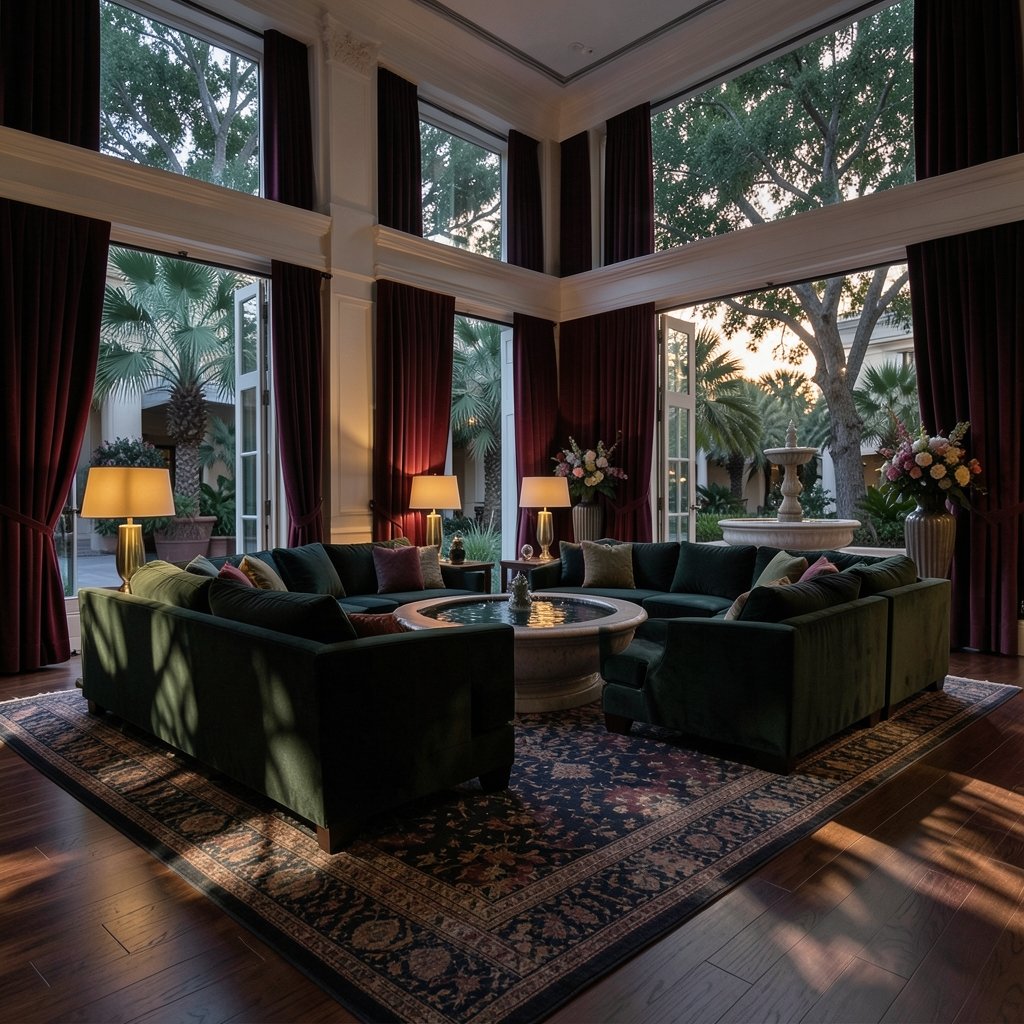
The average nightly rate at a five-star hotel in a major city crossed $1,000 in several markets in 2025, according to industry tracking by hospitality data firms. That figure shows the top end of travel is no longer a niche. Hotels compete hard on more than thread count. In 2026, the best hotels in the world are judged on design, service, sustainability, and a sense of place, beyond marble lobbies alone. This guide explains what separates great hotels from expensive ones, which properties and brands keep appearing on serious lists, and how to book wisely without overpaying for hype.
What “Best” Actually Means in 2026
Award lists are useful, but they are not gospel. The World’s 50 Best Hotels, an annual ranking run by the organization behind the World’s 50 Best Restaurants, published its first edition in 2023 and has become one of the most cited benchmarks in the industry. Reader-driven awards from major travel magazines and star ratings from Forbes Travel Guide and Michelin’s hotel “Keys” program add other lenses. Each measures something slightly different.
| Award or rating | How it’s decided | What it rewards |
|---|---|---|
| World’s 50 Best Hotels | Votes from a global panel of hoteliers and travel experts | Design, character, and buzz |
| Travel + Leisure World’s Best | Reader survey | Overall guest satisfaction |
| Condé Nast Traveler Readers’ Choice | Reader survey | Service and experience |
| Forbes Travel Guide Stars | Professional inspections | Standards and consistency |
| Michelin Keys | Anonymous inspections | Design, service, and sense of place |
The practical takeaway: a hotel that appears on three or more of these lists is almost certainly excellent. A hotel that appears on only one may still be wonderful, or it may simply have a strong PR machine. Cross-checking is the single most reliable shortcut in luxury travel planning. (Hotel)
The Properties That Keep Earning Top Spots
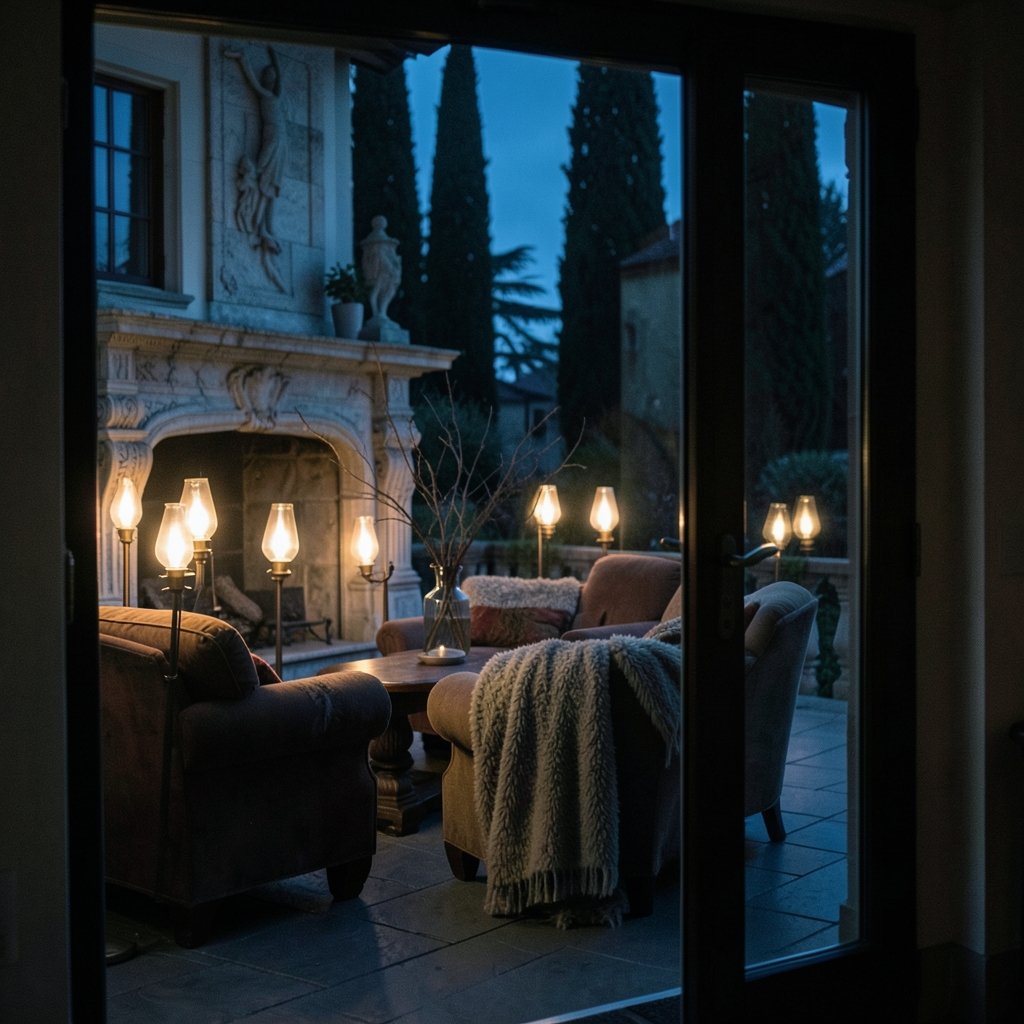
Across recent ranking cycles, a handful of names recur with unusual consistency. These are the properties that travel editors, hotel insiders, and repeat guests mention without prompting.
City hotels with genuine character
The Upper House in Hong Kong is a perennial favorite, praised for its calm, residential feel in the middle of one of the world’s densest cities. Passalacqua on Lake Como, which topped the World’s 50 Best Hotels list in 2023, remains a benchmark for intimate, beautifully restored historic properties. Cheval Blanc Paris and The Connaught in London appear repeatedly on expert lists for service that feels personal rather than scripted.
Resorts and retreats
Aman properties in Asia and the Caribbean continue to define the ultra-luxury resort category, though rates have climbed steeply. Six Senses and Belmond properties compete on wellness programming and location. In Africa, safari lodges in Botswana and South Africa have become some of the most sought-after stays on earth, often booked a year or more in advance.
The boutique tier
Smaller properties have gained real ground. Hotels with 30 to 60 rooms now routinely outperform larger luxury flagships in guest satisfaction surveys, largely because staff-to-guest ratios are higher and the experience feels more tailored. If a hotel’s restaurant is a destination in its own right, that is often a signal worth following. The same logic applies to ambience and design: properties that feel like a destination rather than a stopover tend to leave a stronger impression, much like the hotels that feel like a destination rather than a place to sleep.
What Guests Actually Pay For (and What They Don’t)
Here is where first-hand experience matters more than any award list. Frequent luxury travelers tend to agree on a few things that genuinely justify a high rate, and a few that do not.
Worth the money:
- Staff who remember your name and preferences without being prompted
- A genuinely excellent breakfast included in the rate
- Location that saves you 30 to 60 minutes of transit per day
- Soundproofing and blackout curtains (underrated, rarely advertised)
- Fast, free Wi-Fi and reliable air conditioning
Rarely worth the money:
- Paid “resort fees” that cover amenities you will not use
- Valet parking at $60 or more per night in walkable cities
- In-room minibar pricing at three to four times retail
- Suite upgrades sold at checkout when occupancy is low
A common mistake is booking the cheapest room category at a top-tier hotel. At many luxury properties, entry-level rooms are smaller and less well located than mid-tier rooms at a strong four-star competitor, and the service gap is often smaller than the price gap. The reverse mistake is also common: paying for a “luxury” label at a property that has not been renovated in a decade. Recent guest photos, not professional marketing shots, are the fastest way to check.
The Booking Tactics That Actually Work
Book direct, then ask
Booking directly with the hotel usually gives you more flexibility on upgrades, late checkout, and cancellation than third-party sites. It also means the front desk has an incentive to take care of you. When booking direct, it costs nothing to send a short email noting a special occasion or a preference. Properties with availability frequently respond with a room upgrade or a small welcome amenity.
Time your stay
Rates at top city hotels swing by 40 percent or more depending on the week. Business destinations are cheapest on weekends; resort destinations are cheapest midweek and in shoulder season. Booking 60 to 90 days out tends to capture the best combination of availability and price for peak-season luxury properties, while last-minute bookings work better in off-season.
Read the fine print on rates
Non-refundable luxury rates can save 15 to 20 percent, but they remove all flexibility. Given how often plans change, the refundable rate is frequently the better financial decision even when it looks more expensive. Travel insurance is worth pricing before you commit to a non-refundable booking. (Forbes Travel)
Use points strategically
Hotel loyalty programs vary enormously in value. Transferring credit card points to airline partners and booking hotels with cash, or vice versa, often beats a direct redemption. The math changes constantly, so it pays to check current transfer ratios before booking.
Design, Wellness, and Sustainability: The New Battleground
Three forces are reshaping what the best hotels in the world offer in 2026.
Design with a point of view. Generic luxury is fading. Hotels that win praise now tend to have interiors that reference local craft, history, or landscape rather than a universal beige palette. Restoration projects, in particular, have an edge, because they offer something a new build cannot.
Wellness as a core service. Sleep programs, in-house nutritionists, cold plunge and sauna circuits, and properly staffed spas have moved from amenity to expectation at the top end. Guests increasingly judge a hotel by how they feel on the morning they leave.
Sustainability with receipts. Green claims are now scrutinized. Hotels that publish measurable targets on energy, water, and waste, and that can explain what they actually changed, are earning trust. Vague “eco-luxury” language is increasingly a red flag rather than a selling point. The same principle of substance over marketing applies to personal care and styling: results come from understanding what you are working with, which is why a clear hair type chart beats generic product recommendations every time.
How to Judge a Hotel Before You Book
A simple five-step check filters out most disappointments:
- Read reviews from the last 90 days only. Older reviews describe a different property, especially after a renovation or management change.
- Search reviews for the word “noise.” It is the single most common complaint at city hotels and the hardest problem to fix after arrival.
- Check the room size in square meters or feet. Anything under 25 square meters (about 270 square feet) in a luxury property is tight.
- Look at the location on a map, not in the marketing copy. “Central” means very different things in different cities.
- Confirm what the rate includes. Breakfast, taxes, and resort fees can add 25 to 35 percent to the headline price.
The Brands Worth Watching
A few groups consistently deliver, which matters when you are booking somewhere unfamiliar. Aman remains the reference point for serene resort design. Four Seasons is the safest bet for consistent, warm service across dozens of cities. Rosewood and Belmond have built strong reputations for properties with real personality. Six Senses leads on wellness. Park Hyatt offers some of the best value in the five-star tier, particularly in Asia.
Independent hotels deserve equal attention. The best of them often outperform chains on service because decision-making is local and fast. If you are planning a trip around a specific look or aesthetic, the same research discipline that helps you choose a hotel also helps with personal styling decisions, whether that means finding the right copper hair color before a big trip or tracking down a reliable hair salon near you so you look sharp on arrival.
Budgeting Realistically for 2026
Luxury travel pricing has risen faster than general inflation for several years running. A realistic planning frame for 2026:
| Tier | Typical nightly rate | What to expect |
|---|---|---|
| Strong four-star | $180–$350 | Good location, reliable service, smaller rooms |
| Entry five-star | $350–$700 | Full amenities, inconsistent room quality |
| True luxury | $700–$1,500 | Excellent service, generous rooms, strong dining |
| Ultra-luxury and resorts | $1,500+ | Villas, private transfers, near one-to-one staffing |
These are broad ranges, and gateway cities such as London, Paris, New York, Tokyo, and Dubai sit at the top of each band. Emerging destinations in Portugal, Georgia, Vietnam, and Mexico offer noticeably better value for comparable quality.
Common Mistakes to Avoid
The most expensive error in luxury travel is choosing a hotel for its lobby. Beautiful public spaces photograph well and are often empty of atmosphere by evening. The second most expensive error is over-scheduling. The best hotels reward time spent in them, whether that is a long breakfast, an afternoon by the pool, or a spa treatment you almost skipped. Booking three cities in five days at $1,000 a night is a fast way to pay a great deal for very little actual enjoyment.
A third mistake is ignoring the season. A resort that is glorious in April can be unbearable in August, and a city hotel that is a bargain in July may be surrounded by closed restaurants. Checking local holidays and weather patterns takes five minutes and can transform a trip.
Conclusion
The best hotels in the world in 2026 are not defined by a single award or a famous name. They are defined by consistency, a sense of place, and service that anticipates rather than reacts. Award lists are a useful starting point, but the travelers who get the most from their money cross-check rankings, read recent reviews carefully, book direct, and prioritize the things that actually affect how a stay feels: location, room quality, and staff. Choose a hotel that fits the trip you are actually taking, budget honestly for extras, and leave room in the schedule to enjoy the property you paid for. That approach beats chasing a ranking every time.
Frequently Asked Questions
What are the best hotels in the world in 2026?
There is no single definitive answer, because rankings measure different things. The World’s 50 Best Hotels, the Travel + Leisure World’s Best Awards, and the Condé Nast Traveler Readers’ Choice Awards are the most widely cited lists. Properties that appear on several lists at once, such as long-established flagships in Hong Kong, Paris, London, and Lake Como, are the safest bets for a genuinely exceptional stay.
How much does it cost to stay at a top hotel?
Expect roughly $700 to $1,500 per night for true luxury in a major city, and $1,500 or more at ultra-luxury resorts. Rates vary widely by season, city, and room category. Always confirm whether breakfast, taxes, and resort fees are included, since these can add 25 to 35 percent to the headline price.
Is it better to book direct or through a travel site?
Booking direct usually gives more flexibility on upgrades, late checkout, and changes, and the hotel has a stronger incentive to look after you. Third-party sites sometimes offer lower headline rates but restrict changes. Compare both, then book direct if the difference is small.
When is the best time to book a luxury hotel?
For peak-season stays at popular resorts, booking 60 to 90 days ahead tends to capture the best mix of availability and price. City hotels are often cheapest on weekends, while resorts are cheapest midweek and in shoulder season. Last-minute bookings work better outside peak periods.
What should I check before booking a five-star hotel?
Read reviews from the last 90 days, search them for complaints about noise, confirm the room size in square meters or feet, check the location on a map, and verify exactly what the rate includes. Recent guest photos are more reliable than official marketing images.
Are boutique hotels better than big luxury chains?
Not automatically, but they often score higher on guest satisfaction because staff-to-guest ratios are higher and service decisions are made locally. Chains offer more consistency across cities. The right choice depends on whether you prioritize predictability or personality for that particular trip.