
Best Luxury Home Spa Features That Earn Their Price
 Abdul WadoodLast updated
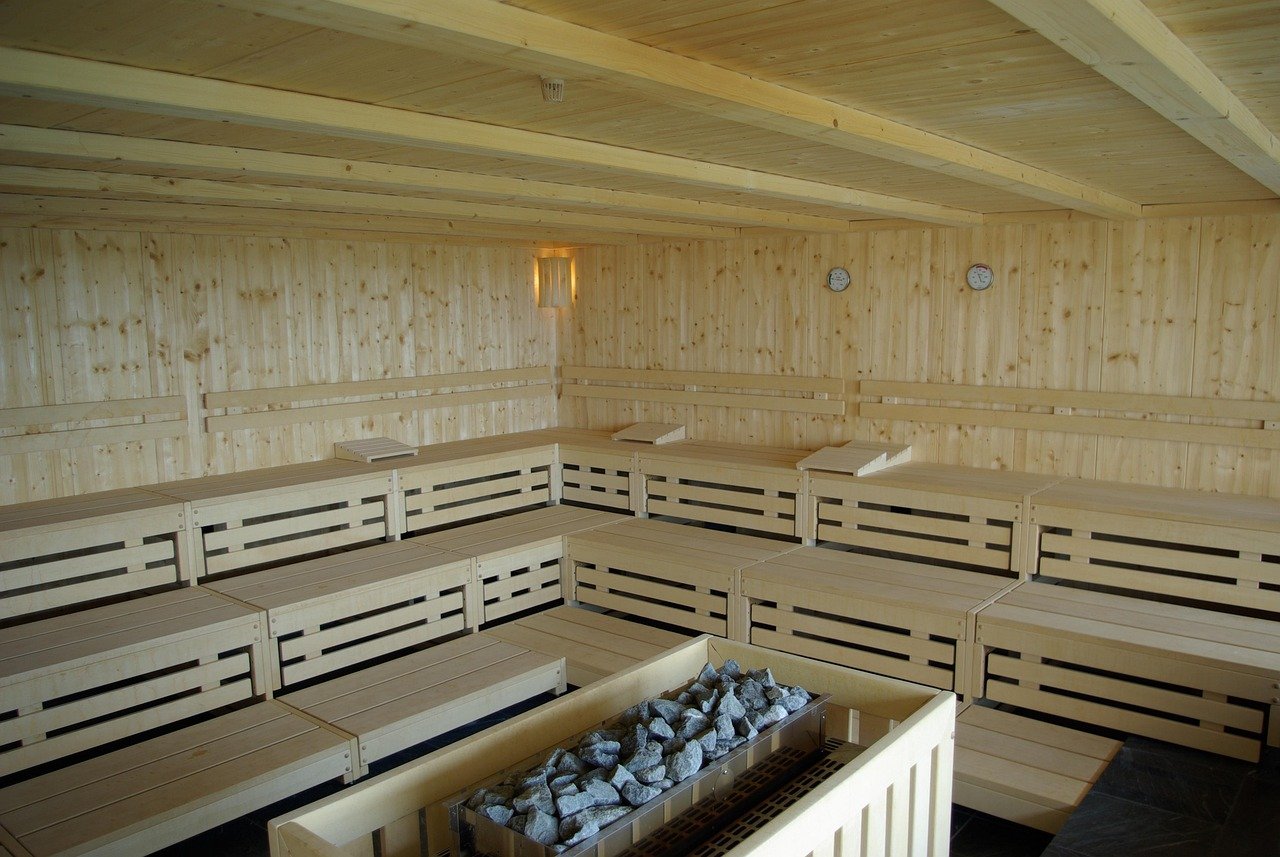
The global wellness economy is now valued at roughly $5.6 trillion, and a growing slice of that spending is moving into the home. Private saunas, steam rooms, cold plunges, and hydrotherapy tubs have shifted from celebrity novelty to mainstream remodeling line item. But a home spa is also one of the easiest places to waste money, because the features that photograph beautifully are not always the ones that hold up after five years of weekly use.
This guide separates the genuinely great from the merely expensive. It covers the features that deliver real comfort and lasting value, the ones that are overhyped, and the practical details that decide whether a spa feels like a retreat or a maintenance burden.
The Real Anatomy of a Luxury Home Spa
A luxury spa is not one product. It is a small system of wet and dry zones that share ventilation, drainage, and electrical infrastructure. That is why two identical saunas can cost wildly different amounts: most of the money sits behind the walls, in waterproofing membranes, dedicated circuits, and correctly sized ventilation.
The practical takeaway is simple. Spend on the invisible layers first, then on the fixtures. A mid-range heater in a perfectly built, well-ventilated room will outperform a premium heater in a poorly sealed one every time.
Saunas: The Cornerstone Feature
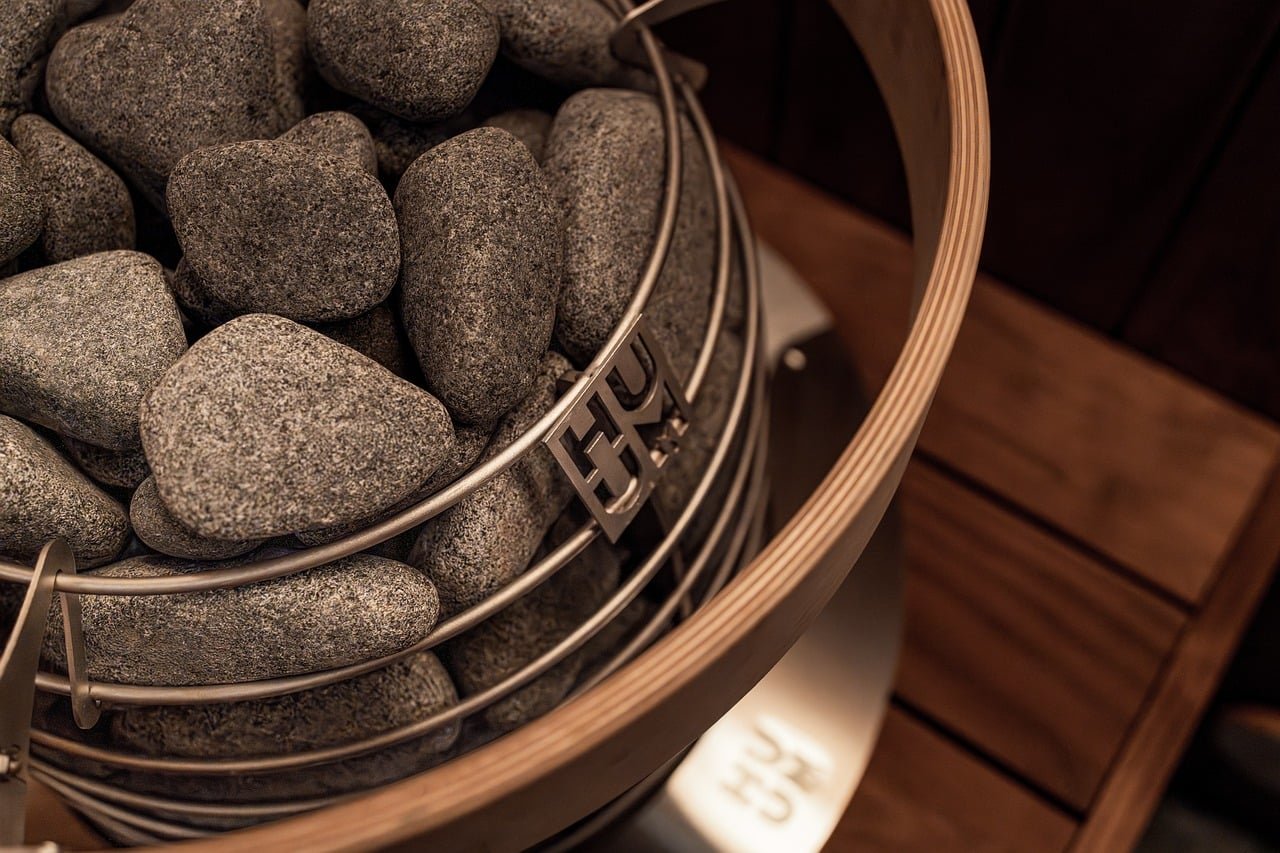
Traditional Finnish Sauna
The traditional Finnish sauna, with a hot stove and a bucket for water, remains the benchmark. It is also the type with the strongest clinical evidence base. Most peer-reviewed research on sauna and cardiovascular health concerns traditional Finnish saunas, not infrared cabins, which is worth remembering when comparing marketing claims.
What actually works in practice:
- Size the heater to the room volume, not the room’s floor area. Undersized heaters run constantly and disappoint.
- Place the thermostat per the manufacturer’s clearances. Moving it a few inches changes how the room behaves.
- Use a proper floor drain. Water spills, and a drain saves the floor.
- Choose benches in a wood that tolerates heat and moisture without splintering.
The most common mistake is treating the sauna as a standalone box rather than part of the building envelope. Insulation, vapor barriers, and ventilation matter as much as the cedar.
Infrared Cabins
Infrared cabins heat the body rather than the air. They are easier to install, run on standard circuits in many cases, and reach operating temperature quickly. They are also where the marketing gets loosest. Claims about “detoxification” outrun the evidence, and buyers should treat them skeptically.
Infrared can be an excellent choice for a small urban home or an apartment where a traditional sauna is impractical. It is a weaker choice if the goal is the classic sauna experience. (Sauna)
Steam Rooms
Steam rooms are the most demanding feature in the list. They require full-tile waterproofing, a sloped ceiling to prevent dripping, a steam generator sized to the room’s cubic footage, and mechanical ventilation. Done well, they are extraordinary. Done cheaply, they become a mold problem.
A useful rule: if the budget does not stretch to a correctly specified steam generator and a properly tanked room, a high-quality shower with a steam outlet is a better compromise than a badly built steam room.
Cold Plunge and Contrast Therapy
Cold plunges have become the signature feature of the modern luxury spa, and they pair naturally with saunas for contrast therapy. The appeal is real, but the practical considerations are often underestimated.
| Plunge Type | Best For | Main Trade-off |
|---|---|---|
| Built-in tiled plunge | Seamless design, resale value | High cost, complex waterproofing |
| Acrylic or composite tub | Faster install, lower cost | Less architectural integration |
| Chiller-equipped barrel | Outdoor settings, easy placement | Needs power and drainage nearby |
| Chest freezer conversion | Tight budgets, DIY | Warranty and safety concerns |
The details that matter most are water treatment, insulation, and access for cleaning. A plunge that is hard to drain and sanitize will quietly stop being used. Chillers add noise, so placement away from bedrooms is essential.
Hydrotherapy Tubs and Multi-Jet Baths
Hydrotherapy tubs range from simple air-jet baths to elaborate multi-jet systems with chromatherapy and heated backs. The feature that genuinely improves daily life is not the jet count. It is the quality of the pump, the ease of cleaning the internal lines, and whether the tub is comfortable to sit in for twenty minutes.
Buyers routinely overpay for jet quantity and underpay for drain-down and self-cleaning systems. Internal plumbing lines that cannot be purged become a hygiene issue over time. A tub with fewer, well-placed jets and a proper purge cycle is the smarter purchase.
Heated Floors, Towel Warmers, and the Small Comforts
The unsung heroes of a luxury spa are the features nobody films. Heated floors turn a cold tile room into somewhere you actually want to stand barefoot. A towel warmer costs a fraction of a sauna and delivers a daily moment of pleasure. Warm lighting on a dimmer, a waterproof Bluetooth speaker, and a bench wide enough to lie on all punch above their price.
These small features share a trait: they are used every single day, while the sauna may run twice a week. Designers who specialize in personal, lived-in spaces tend to weight daily-use comfort heavily. The same philosophy behind designing a home that feels personal applies directly to spa rooms, where the goal is a space that fits your routine rather than a showroom.
Ventilation, Waterproofing, and the Mistakes That Cost the Most
The most expensive home spa mistakes are invisible until they fail. A short list of the ones that recur:
- Skipping mechanical ventilation. Steam and moisture must leave the room. A quiet, correctly sized extract fan is not optional.
- Under-specifying waterproofing. Wet rooms need a continuous tanked membrane, not just cement board and tile.
- Ignoring the electrical load. Heaters, chillers, and steam generators need dedicated circuits. Retrofitting them later means opening walls.
- Forgetting the drain. Sloped floors and a drain protect everything else.
- Choosing finishes for looks alone. Smooth, glossy surfaces become slippery. Texture matters in wet zones.
A useful sanity check is to walk the room as a plumber, an electrician, and a cleaner before signing off on the design. Each will spot a different problem.
Materials and Finishes That Age Gracefully
Luxury is largely a question of how a room looks after a decade. The finishes that hold up share a few traits: they tolerate moisture, they hide wear, and they can be repaired.
| Material | Strength | Watch Out For |
|---|---|---|
| Cedar and thermowood | Natural aroma, heat tolerance | Requires periodic care |
| Porcelain tile | Durable, low maintenance | Can feel cold underfoot |
| Natural stone | Timeless look | Needs sealing, slippery when wet |
| Microcement | Seamless, modern | Requires skilled application |
| Glass | Light, spacious feel | Cleaning and safety glass spec |
The broader shift in high-end interiors has moved away from conspicuous polish toward materials with texture and honesty. The new language of modern luxury favors warmth and craft over gloss, and spa rooms are where that shift is most visible. A beautifully aged timber bench often reads as more luxurious than a mirrored wall.
Smart Controls and Integrated Wellness Tech
App-controlled heaters, preset steam cycles, and lighting scenes that shift from bright to amber are genuinely useful when they work and quietly annoying when they don’t. The sensible approach is to keep the core systems simple and manual, then add smart controls as a convenience layer rather than a dependency.
Practical guidance:
- Choose systems with a manual override.
- Avoid locking essential functions behind an app that may lose support.
- Keep firmware-update-dependent features to lighting and music, not safety systems.
- Confirm the warranty covers the control unit, not just the heater.
The wider conversation about the future of luxury living is increasingly about quiet integration: technology that disappears into the architecture rather than announcing itself.
Budget Allocation: Where the Money Should Go
A rough allocation for a mid-to-high-end home spa helps keep priorities straight:
| Category | Share of Budget | Why |
|---|---|---|
| Structure, waterproofing, ventilation | 30–40% | Failures here are catastrophic |
| Core equipment (heater, generator, chiller) | 25–30% | Defines the experience |
| Finishes and fixtures | 20–25% | Visual and tactile quality |
| Controls, lighting, audio | 5–10% | Convenience layer |
| Contingency | 10% | Wet rooms always surprise |
The pattern is consistent: the invisible work deserves the largest share. Buyers who invert this order end up with a beautiful room that malfunctions. (Stress, anxiety and depression)
What Actually Earns Its Price
Ranked by daily usefulness per dollar, the features that consistently justify their cost are heated floors, a well-built shower with excellent water pressure, a towel warmer, and generous bench space. A traditional sauna ranks next, provided it is properly ventilated. Cold plunges and steam rooms rank high on experience but demand the most discipline in specification.
The features that most often disappoint are high jet counts, elaborate app ecosystems, and decorative elements that complicate cleaning. None of these are bad. They are simply easier to overspend on than the fundamentals.
For anyone comparing the wider world of high-end design and objects, the same logic applies across categories. A curated look at luxury watches, brands, and design rewards the buyer who values build quality over badge, and the parallel with spa equipment is direct. Even the broader luxury collection makes the point that durability and craft outlast trend.
Conclusion
The best luxury home spa features are not the flashiest ones. They are the ones built on sound waterproofing, real ventilation, and correctly sized equipment, then finished with daily comforts like warm floors and a good towel. Spend first on what you cannot see, then on what you touch every day, and treat the showpiece features as the final layer rather than the foundation. A spa that is easy to clean, warm underfoot, and ventilated properly will be used for years. One built for photographs alone rarely survives its first winter.
Frequently Asked Questions
What is the single most important feature in a luxury home spa?
Ventilation and waterproofing. Every wet or hot feature depends on moisture leaving the room and water staying out of the structure. Without those two, even premium equipment fails early.
Is a traditional sauna or an infrared cabin better?
It depends on the goal. Traditional saunas deliver the classic experience and have the stronger evidence base for health research. Infrared cabins are easier to install in small or apartment settings and heat up faster. Neither is universally better.
How much space does a home spa need?
A compact sauna can fit in roughly a two-by-two-meter footprint, and a plunge tub in even less. Steam rooms need more because of bench depth and generator clearance. The binding constraint is usually drainage and ventilation routing, not floor area.
Are cold plunges worth the cost?
For people who use them regularly, yes. For everyone else, they become an expensive, high-maintenance tub. The deciding factors are water treatment, insulation, and easy access for cleaning, not the brand of chiller.
Do smart controls add real value to a home spa?
They add convenience, not capability. The sensible approach is to keep heaters and steam generators on simple manual controls with a manual override, and use smart systems for lighting, music, and scheduling.
How can I avoid overspending on a home spa?
Allocate the largest share of the budget to structure, waterproofing, and ventilation, then to core equipment. Resist paying for high jet counts and elaborate app ecosystems until the fundamentals are fully funded and a contingency remains.