
What Is Haute Maroquinerie? Inside Luxury Leather’s Top Tier
 Abdul WadoodLast updated
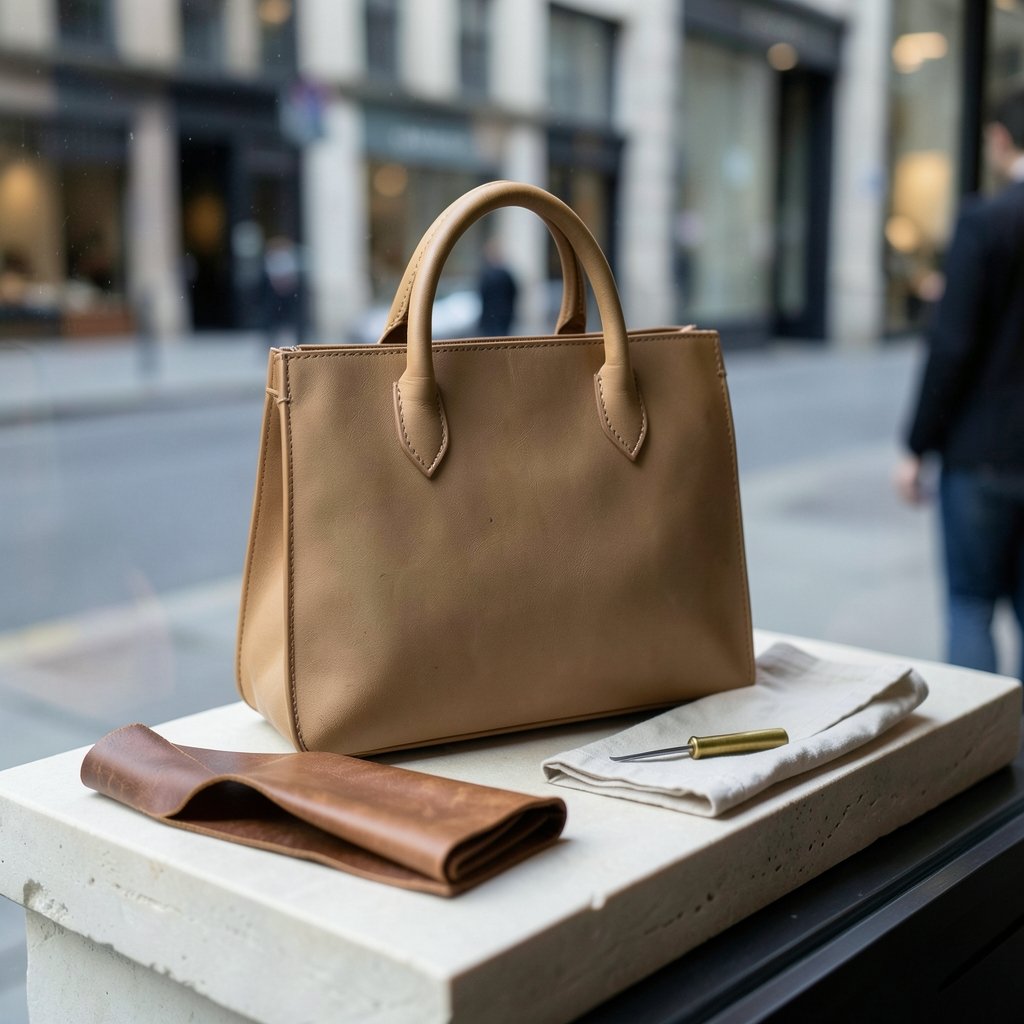
Quick Answer: What is haute maroquinerie?
Haute maroquinerie is the top tier of luxury leather goods: handcrafted bags, small leather goods, and travel pieces made from premium hides using traditional leatherworking techniques and substantial hand labor. The term is French, literally meaning “high leatherwork,” and it describes the craft-first end of the market rather than a legal category. It sits above ordinary maroquinerie, which in French simply means leather goods and covers everything from supermarket wallets to museum-grade handbags. (Leather Working Group)
The distinction matters because the term carries no official protection, unlike haute couture, which is a regulated designation in France. That means any brand can use it, and the label alone proves nothing about how a piece was made.
Before buying into the claim, check the stitching method, the hide’s origin and tannage, the edge finishing, the hardware quality, the maker’s repair and after-sales record, and whether the price reflects hand labor or marketing.
A Term Borrowed From Couture, With None of the Rules
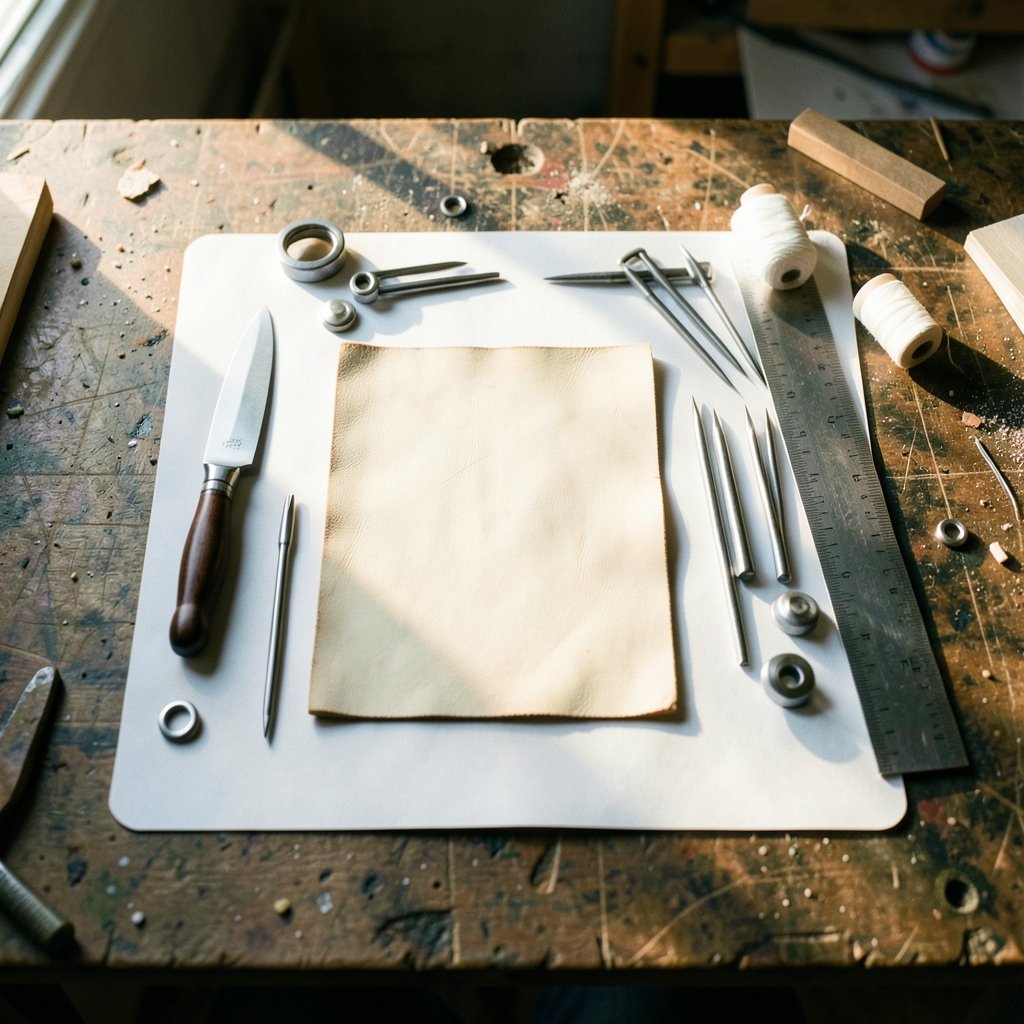
Here is the fact that surprises most people: haute couture is a protected designation in France, governed by a governing body that decides which houses qualify. Haute maroquinerie has no equivalent gatekeeper. There is no exam, no charter, no official list of approved ateliers. The phrase is a positioning statement, not a certification.
That is not cynicism. It is useful context. When a brand describes a bag as haute maroquinerie, it is making an aesthetic and technical claim, not a legal one. The word haute signals aspiration: the same logic that separates a couture gown from a ready-to-wear dress is being applied to a handbag. Whether the comparison holds depends entirely on how the object was made.
The practical takeaway is straightforward. Ignore the label and interrogate the object. A saddle-stitched card holder from a small French atelier may deserve the term more than a mass-produced tote from a global house. Craft, not vocabulary, is the real dividing line.
What Actually Separates Haute Maroquinerie From Ordinary Leather Goods
The clearest way to understand the category is to look at what changes between a mid-market leather bag and a piece genuinely made at the top of the craft. Four things move: the stitching, the leather, the construction time, and the finishing.
Saddle Stitching and the Two-Needle Rule
Saddle stitching (in French, point sellier) is the signature technique. Two needles work through the same hole from opposite directions, crossing inside the leather. If one thread breaks, the other holds the seam together. A machine lockstitch cannot do this, and it is the single most reliable visual test a buyer can apply.
Look closely at a seam. Hand saddle stitching produces slightly angled, individually tensioned stitches that never look perfectly uniform. Machine stitching is relentlessly even. Neither is automatically better in every context, but only one justifies the word haute.
Hides, Tannage, and Why “Full Grain” Is Not Enough
Premium hides are chosen for grain structure, scar density, and how they will age. Vegetable tanning, which uses plant-derived tannins over weeks rather than chromium salts over hours, is common in high-end work because it produces leather that develops a patina instead of merely wearing out.
The mistake buyers make is treating “full grain” as a finish line. It describes the top layer of the hide, not the quality of the animal, the tannery, or the cutting decisions made afterward. A full-grain hide can still be badly cut.
Time, Hands, and the Real Cost Structure
A single high-end bag can pass through many pairs of hands, with cutting, skiving, assembly, edge work, and hardware fitting handled by different specialists. That labor is the price. It is also why repair services matter so much at this tier: a piece built to be maintained is a piece built to last.
Edge Finishing and Hardware
Painted edges applied in thin layers and polished between coats, hand-burnished edges on thicker leathers, and solid brass hardware that can be re-plated all point to a workshop that expects the object to outlive its first owner. Plastic edge coating that cracks within a year does not.
| Factor | Ordinary Leather Goods | Haute Maroquinerie |
|---|---|---|
| Stitching | Machine lockstitch | Hand saddle stitch |
| Leather selection | Corrected grain, sprayed finish | Full grain, often vegetable-tanned |
| Edge finishing | Single coat or raw | Layered paint or hand-burnished |
| Hardware | Plated zinc alloy | Solid brass or treated steel |
| Construction | Assembly line | Multiple specialist hands |
| After-sales | Limited or none | Repair and restoration service |
Why France Owns the Category
The term is French because the industry is French. Leatherworking in France grew out of saddlery and harness-making, and several of the great houses began as equestrian workshops before they ever sold a handbag. That lineage explains the vocabulary: sellier stitching, saddle-stitched handles, and shapes borrowed from horse tack.
France also built the training infrastructure that sustains the craft. Vocational qualifications in leather goods making, known as CAP Maroquinerie, feed workshops with trained young artisans, and several luxury houses run their own internal schools to teach techniques that take years to master. This is the unglamorous backbone of the category: not the marketing, but the apprenticeship system.
The commercial weight is real too. Leather goods are among the most profitable segments in the global luxury market, and French houses dominate it. That dominance has a side effect worth naming: the term haute maroquinerie has become valuable marketing real estate, which is exactly why buyers should look past it.
Common Mistakes Buyers Make
Mistake one: equating price with craft. Price correlates with craft, but it also reflects marketing budgets, celebrity campaigns, and scarcity tactics. A high price is evidence of positioning, not proof of handwork.
Mistake two: not asking about repair. A workshop that will re-stitch a handle or replace hardware in ten years is telling you something about how the piece was built. One that will not is telling you something too.
Mistake three: judging leather by feel alone in a shop. New, heavily finished leather feels luxurious precisely because a coating is sitting on top of it. Ask about tannage and expect a specific answer.
Mistake four: ignoring weight and structure. Hand-constructed bags often feel different from factory-built ones: fewer stiffening boards, more leather, a different drape. Neither is wrong, but the difference is information.
Mistake five: buying the story instead of the object. Turn the bag inside out. Look at the back of the seams, the raw edges, the lining attachment. The inside is where shortcuts live.
How to Evaluate a Piece in Ten Minutes
- Find a seam and check whether the stitches are angled and slightly irregular, which suggests hand saddle stitching.
- Turn the piece over and inspect the back of the seam for a consistent, unpuckered line.
- Look at the edge finish under good light. Count the layers. Feel for a sharp, painted-over raw edge.
- Ask what tannery supplied the hide and what tanning method was used.
- Handle the hardware. Check for weight, smooth closure, and whether it is described as solid or plated.
- Ask directly what the brand’s repair policy covers and for how long.
- Check the interior lining attachment and any raw edges hidden inside pockets.
If a salesperson cannot answer questions four and six, that is your answer.
The Wider Context Around the Craft
Haute maroquinerie does not exist in isolation. It overlaps with jewelry-making, saddlery, trunk-making, and restoration, and the skills travel between them. Restoration specialists, for instance, often understand construction better than anyone selling new pieces, because they see what fails.
Independent ateliers matter here too. The category is not exclusively the property of the largest houses. Small workshops in France, Italy, Spain, and Japan produce work at the same technical level with far less branding, and their pieces are often the best value in the segment for buyers who care about craft over logo. The trade-off is resale value and after-sales infrastructure, which large houses handle better.
For anyone following the broader luxury and media landscape around these brands, industry coverage at voozon.media is worth a look, particularly on how heritage positioning gets built and defended.
Where the Term Gets Stretched
The honest position is that haute maroquinerie is used loosely, and sometimes dishonestly. Brands apply it to lines that are machine-stitched with hand-finished details, which is a legitimate manufacturing choice but not the same thing as full hand construction. Others use it for capsule collections made in the same factories as their main lines.
This is not fraud. It is the ordinary drift of a prestige word with no owner. The useful response is not cynicism but specificity: ask about stitching method, tannage, and repair, and let the answers sort the category for you. A brand confident in its craft will answer without flinching. One that will not has told you where it stands.
Craft vocabulary is easy to learn and hard to fake under inspection. That asymmetry is the buyer’s advantage.
Conclusion
Haute maroquinerie describes the craft-first summit of luxury leather goods: premium hides, saddle stitching, layered edge finishing, and hours of specialist hand labor. It is a French term with French roots in saddlery, and it carries real technical meaning even though it carries no legal protection. That combination, meaningful in practice but unregulated on paper, is precisely why it rewards a skeptical, hands-on approach.
The next time a product page uses the phrase, treat it as a question rather than a claim. Look for angled stitches, ask about tannage, check the edge finish, and confirm the repair policy before you commit. The pieces that deserve the label will survive that scrutiny easily. The ones that do not were never really about leatherwork in the first place.
Frequently Asked Questions
Is haute maroquinerie a legally protected term?
No. Unlike haute couture, which is a regulated designation in France with a governing body that decides which houses qualify, haute maroquinerie has no official definition, no certification, and no gatekeeper. Any brand can use the phrase. That makes it a positioning claim rather than a guarantee, and it means buyers should verify craft details directly instead of trusting the label.
How can I tell hand saddle stitching from machine stitching?
Hand saddle stitching uses two needles passing through the same hole from opposite directions, so the stitches sit at a slight angle and vary subtly in tension. Machine lockstitching looks mechanically even and flat. Look at a straight run of stitches under good light: perfect uniformity across a long seam usually means a machine, while gentle irregularity suggests a hand.
Is a more expensive leather bag always higher quality?
Not necessarily. Price reflects marketing spend, brand positioning, scarcity, and retail overhead as well as craft. A very expensive bag can still be machine-stitched with corrected-grain leather. The reliable indicators are construction details: stitching method, tannage, edge finishing, hardware composition, and whether the brand offers genuine repair services.
What does vegetable-tanned leather mean and why does it matter?
Vegetable tanning uses plant-derived tannins and takes weeks, compared with chromium tanning, which takes hours. The slower process typically produces leather that develops a patina and ages visibly rather than simply wearing through. It is common in high-end workshops, though it is not the only quality marker and some excellent leathers use other methods.
Can independent ateliers produce true haute maroquinerie?
Yes. Technical skill is not exclusive to the largest houses. Small workshops in France, Italy, Spain, and Japan often work at the same level of hand construction with less branding attached. The trade-offs are usually resale value, global after-sales networks, and repair access, which large houses handle more consistently.
What should I ask before buying a high-end leather bag?
Ask four questions: how the piece is stitched, which tannery supplied the hide and how it was tanned, how the edges are finished, and what the repair policy covers and for how long. A workshop confident in its methods will answer all four specifically. Vague answers about heritage and craftsmanship, without technical detail, are a warning sign.