
Best Used Cars to Buy in 2026: A Smart Buyer’s Guide
 Abdul WadoodLast updated
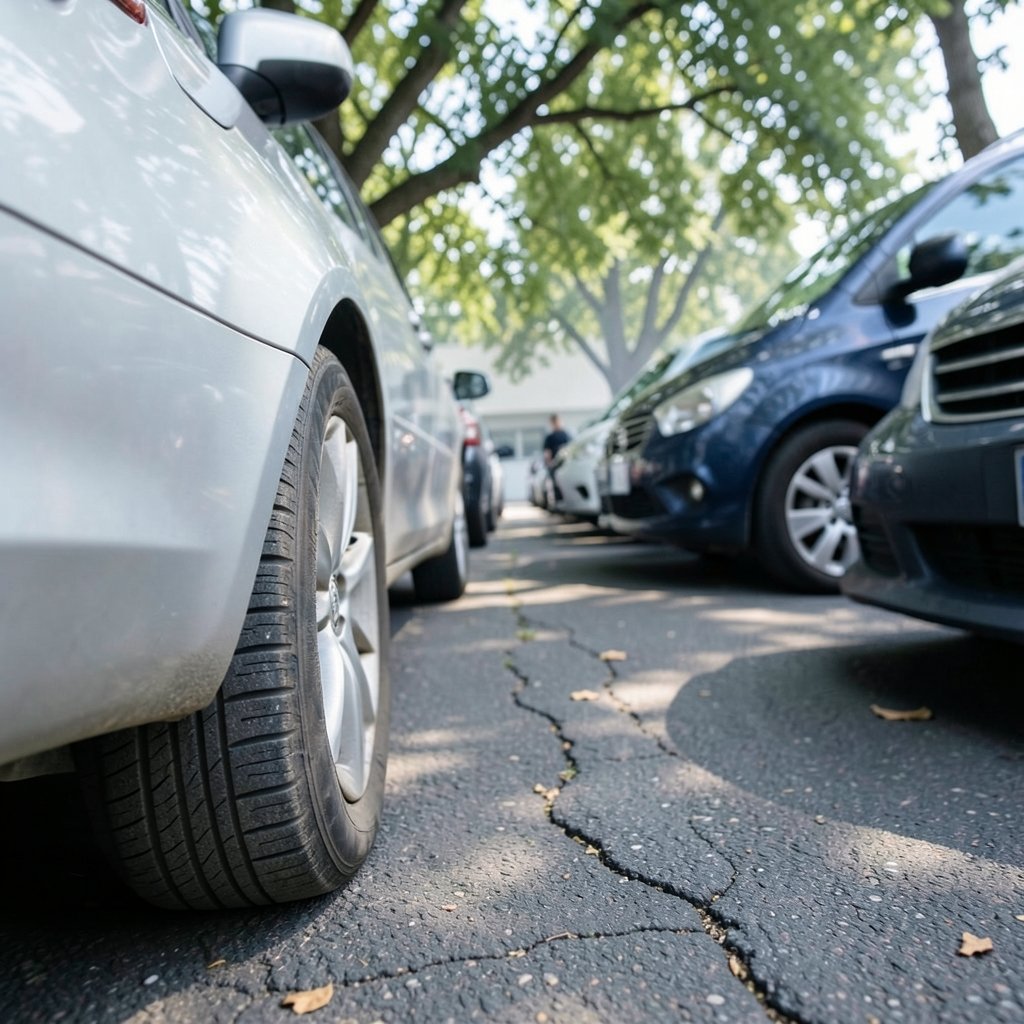
A new car loses a big chunk of its value the moment it leaves the lot. In fact, most vehicles shed a large share of their sticker price in the first few years, which is exactly why the used market is where smart buyers shop. The trick is knowing which used cars are worth your money and which ones will drain it. This guide cuts through the noise and shows you how to find the best used cars to buy based on reliability, real-world costs, and the mistakes that trip up even careful shoppers. (Used car)
Why Used Cars Are the Smarter Financial Move
Depreciation is the single biggest cost of car ownership, and it hits hardest in the early years. By the time a car is three to five years old, the steepest part of that curve is behind it. You get a vehicle that still has most of its useful life ahead, but you let someone else absorb the worst of the value drop.
That’s the core logic behind buying used. It isn’t about being cheap. It’s about letting depreciation work for you instead of against you. A well-chosen three-year-old model can offer nearly the same driving experience as a new one for a fraction of the price.
The catch? The used market is uneven. Two cars that look identical on a lot can have wildly different histories. That’s why the best used cars to buy aren’t simply “the cheapest ones” or “the ones with the lowest miles.” They’re the models with strong reliability records, affordable parts, and a price that reflects their true condition.
The Traits That Separate Good Used Cars From Bad Bets

Before you fall in love with a specific model, it helps to understand what actually makes a used car a good buy. These factors matter more than badge or styling.
Proven reliability over long ownership
Reliability is the backbone of any smart used purchase. A car that needs constant repairs wipes out every dollar you saved on the purchase price. Look for models with a track record of holding up past 100,000 miles, and check whether the specific generation you’re considering had known problem years.
Affordable parts and service
Even reliable cars need maintenance. A model with widely available parts and reasonable labor costs is far easier to own than a niche vehicle that requires expensive specialist service. This is one reason mass-market brands often beat luxury badges on total cost of ownership.
Insurance and fuel costs
The purchase price is only part of the picture. Insurance premiums and fuel economy shape your monthly budget for years. A sporty trim or a thirsty engine can quietly cost you thousands more than a sensible alternative.
Strong safety ratings
Safety technology has improved dramatically over the past decade. A used car from a recent model year often comes with standard features, like automatic emergency braking, that were optional or unavailable just a few years earlier. Government crash-test data and independent safety ratings are free to check and worth every minute.
How to Research a Used Car Before You Buy
The research phase is where most buyers either save or lose money. Here’s a practical sequence that works.
- Shortlist by reliability and budget. Start with models known for durability, then filter by what you can afford without stretching.
- Check recall and safety history. Government databases list recalls and complaints for specific models and years. A quick lookup can reveal a pattern of problems.
- Compare actual market prices. Use online listings to see what similar cars actually sell for in your area, rather than only what one dealer is asking.
- Get a vehicle history report. This flags accidents, title brands, and odometer issues, though it’s never a substitute for an inspection.
- Arrange a pre-purchase inspection. A trusted mechanic can spot problems a report will never show.
That fifth step is the one people skip most often, and it’s the one that saves the most money. A $150 inspection that uncovers a failing transmission is the best money you’ll spend all year.
Practical Tips That Actually Work in the Real World
Plenty of used-car advice sounds good but falls apart in practice. Here’s what genuinely helps when you’re standing on a lot or messaging a private seller.
Shop the end of the month and the end of the quarter. Dealers have targets to hit, and their willingness to negotiate often loosens as deadlines approach. This isn’t a guarantee, but it’s a real pattern.
Don’t ignore higher-mileage cars with good records. A well-maintained car with 90,000 highway miles can be a better buy than a low-mileage car that sat unused for years. Maintenance history beats mileage alone.
Beware the “too good to be true” price. A listing far below market value usually signals a hidden problem: a salvage title, prior flood damage, or a rolled-back odometer. Trust the market, not the bargain.
Test-drive like you mean it. Drive at highway speed, brake hard in a safe spot, and test every feature. Roll down the windows, check the air conditioning, and listen for unusual noises. Small issues found on a test drive give you room to negotiate.
Get everything in writing. Verbal promises about repairs or warranties mean nothing once you drive away. Put conditions in the contract before you sign.
If you’re cross-shopping different vehicle types and want structured comparisons, resources like Voozon Cars — Reviews, Comparisons & Car Guides can help you weigh options side by side. The same disciplined approach applies whether you’re buying a commuter sedan or a family SUV, much like how careful buyers approach other big purchases, such as reading a hair dryer guide before spending on an appliance they’ll use daily.
Common Mistakes That Cost Used-Car Buyers Money
Even informed buyers stumble. Watch for these traps.
- Buying on emotion. Falling for a car’s looks or a slick sales pitch leads to skipped inspections and overpaying.
- Financing without comparing. Dealer financing can be convenient but expensive. Compare rates from a bank or credit union first.
- Skipping the insurance quote. Buyers sometimes discover after purchase that their chosen model costs far more to insure than expected.
- Ignoring the total cost of ownership. Fuel, insurance, maintenance, and repairs all matter, along with the sticker price.
- Overpaying for low mileage. Low miles are nice, but not at any price. A fair deal on a well-maintained higher-mileage car often wins.
There’s a useful mental model here: the best used cars to buy are the ones where the whole picture makes sense, rather than one impressive number on the listing. Buyers who think in terms of total cost rather than headline price consistently come out ahead. The same principle shows up in everyday purchases, whether you’re following a hair store shopping guide or evaluating a used vehicle.
Comparing Used Car Categories
Different buyers need different things. Here’s how the main categories tend to stack up on the factors that matter most.
| Category | Typical Strength | Typical Weakness | Best For |
|---|---|---|---|
| Compact sedans | Low running costs, easy parking | Limited space | Commuters, first-time buyers |
| Midsize sedans | Comfort and space balance | Modest fuel economy gains | Families, road-trippers |
| Compact SUVs | Cargo room, ride height | Higher purchase prices | Small families, active lifestyles |
| Hybrids | Strong fuel economy | Battery age concerns on older models | High-mileage drivers |
| Pickup trucks | Utility and durability | Fuel costs, size | Work and hauling needs |
The right category depends on how you actually drive, not how you imagine you might. A buyer who commutes solo doesn’t need a three-row SUV, and someone hauling equipment shouldn’t settle for a compact hatchback.
Where Reliability Data Comes From and Why It Matters
Reliability rankings are the backbone of most “best used car” lists, but it’s worth understanding how those rankings are built. Different publishers use different methods: some survey owners, others analyze repair records, and others track complaints filed with regulators.
That means rankings can disagree, sometimes sharply. A brand that tops one list might land mid-pack on another. The lesson isn’t that the data is useless. It’s that you should look at multiple sources and pay attention to model-year specifics rather than brand-wide reputations. A brand’s overall score can hide a single problem year that happens to be exactly the one you’re shopping.
Government safety and recall databases are a valuable complement to reliability surveys because they’re free, official, and specific to individual models and years. Checking them takes minutes and can reveal recurring issues that owner surveys might miss.
The Inspection: Your Best Defense Against a Bad Buy
A pre-purchase inspection is the closest thing to a guarantee you’ll get in the used market. A qualified mechanic will check the engine, transmission, brakes, suspension, and electronics, and often scan for stored error codes that a seller might not mention.
Ask the seller if you can take the car to your own mechanic. A confident, honest seller will agree without hesitation. Reluctance is itself a red flag. If a seller refuses an inspection, walk away. There will be other cars.
For private sales, also verify the title is clean and matches the seller’s identity. A title with a “salvage,” “flood,” or “rebuilt” brand tells you the car has a history that affects both safety and resale value. Some buyers accept branded titles for the right price, but they should do so knowingly, never by accident. (Consumer Reports)
Negotiating a Fair Price Without Getting Played
Negotiation isn’t about being aggressive. It’s about being prepared. Know the market value of the car you want, know its flaws from the inspection, and make an offer grounded in both.
A simple approach works well: state your offer, explain the reasoning (market data plus any issues found), and be willing to walk away. Sellers respect informed buyers, and the willingness to leave is your strongest bargaining position. Dealers and private sellers alike tend to move on price when they sense you’ve done your homework.
Don’t negotiate on monthly payment. It’s a classic tactic that obscures the total price and the loan terms. Talk about the out-the-door price, including taxes and fees, and keep financing separate from the vehicle price discussion.
Conclusion
The best used cars to buy aren’t a secret list of magic models. They’re the vehicles that combine a solid reliability record, affordable ownership costs, and a price that reflects real market value. Do your research, check safety and recall data, insist on an inspection, and negotiate from a position of knowledge. Buyers who follow that process consistently land better deals than those who shop on impulse.
If you want to dig deeper into specific models and comparisons, explore the cars built around experience and browse more car reviews and buying guides to sharpen your shortlist. A little preparation now saves a lot of regret later.
FAQ
What is the best age to buy a used car?
Three to five years old is a common sweet spot. The steepest depreciation has already happened, but the car still has most of its life ahead and often includes modern safety features. That said, a well-maintained older car with full service records can be an even better value.
How many miles is too many on a used car?
There’s no fixed number. A well-maintained car with 100,000 highway miles can outlast a neglected one with half that. Focus on maintenance history, the specific model’s reputation for longevity, and the results of a pre-purchase inspection rather than mileage alone.
Is it worth paying for a pre-purchase inspection?
Almost always, yes. An inspection typically costs a modest fee and can uncover problems worth many times that amount. It’s especially important for private sales and for any car without complete service records.
Should I buy from a dealer or a private seller?
Dealers offer convenience, financing, and sometimes warranties, but usually at a higher price. Private sellers often offer lower prices but less protection. Either can work well if you inspect the car, verify the title, and get everything in writing.
How do I check a used car’s history?
Use a vehicle history report to check for accidents, title brands, and odometer problems, and check government recall and safety databases for model-specific issues. Neither replaces a hands-on inspection by a qualified mechanic.
Can I get financing for a used car?
Yes. Banks, credit unions, and dealers all offer used-car loans. Compare rates before you shop so you know your budget, and negotiate the vehicle price separately from the financing terms to avoid confusion.