
Crew Cab Trucks: 4-Door Pickup Guide for 2026
 Abdul WadoodLast updated
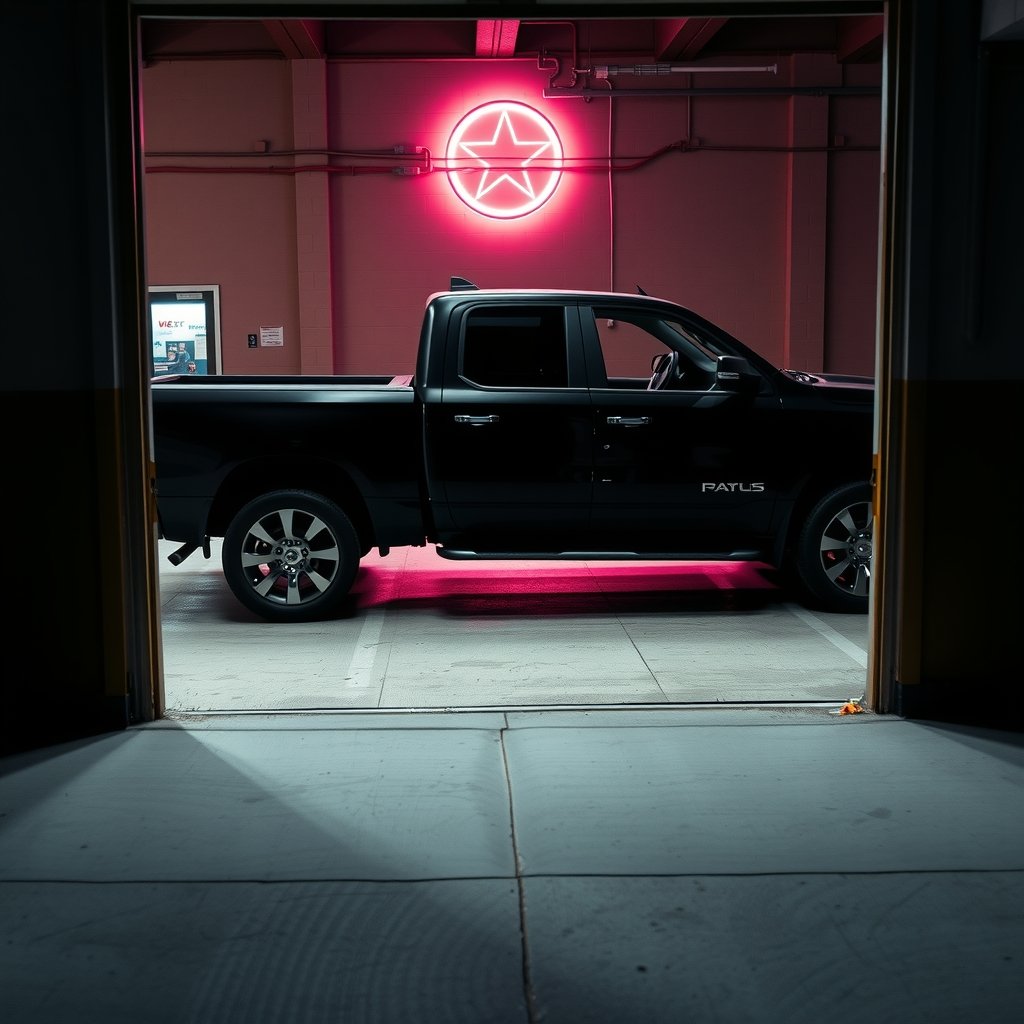
What do you call a pickup that carries a family of five, hauls a load of lumber, and still fits in a parking garage? For millions of buyers, the answer is a crew cab — the four-door body style that turned the humble work truck into a daily driver. But the label hides real differences in size, cost, and capability, and picking the wrong configuration is one of the most expensive mistakes truck shoppers make. This guide breaks down what a crew cab actually is, where it came from, how it compares with rival layouts, and what to check before signing.
What Is a Crew Cab, Exactly?
A crew cab is a pickup body style with four full-size doors and a rear passenger seat designed for adults. That is the working definition most manufacturers use, though the details vary. Some makers market a “supercrew” or “double cab” that sits somewhere between a true crew cab and a smaller extended cab.
The key distinction is door count and rear-seat room. A regular cab has two doors and no rear seat. An extended cab (sometimes called a super cab or king cab) has a small rear compartment, often reached through rear-hinged half doors, with a seat that works for children or short trips but not much else. A crew cab gives rear passengers their own doors, real legroom, and headroom.
Terminology shifts by market. In Australia, the same layout is usually called a dual cab, and the vehicle itself is a “ute.” In parts of Europe and Asia, “double cab” is common. There is no single standards-body definition of “crew cab,” so door count, rear-seat size, and marketing labels differ from one manufacturer to the next. That is worth remembering when comparing spec sheets across brands.
Where the Crew Cab Came From
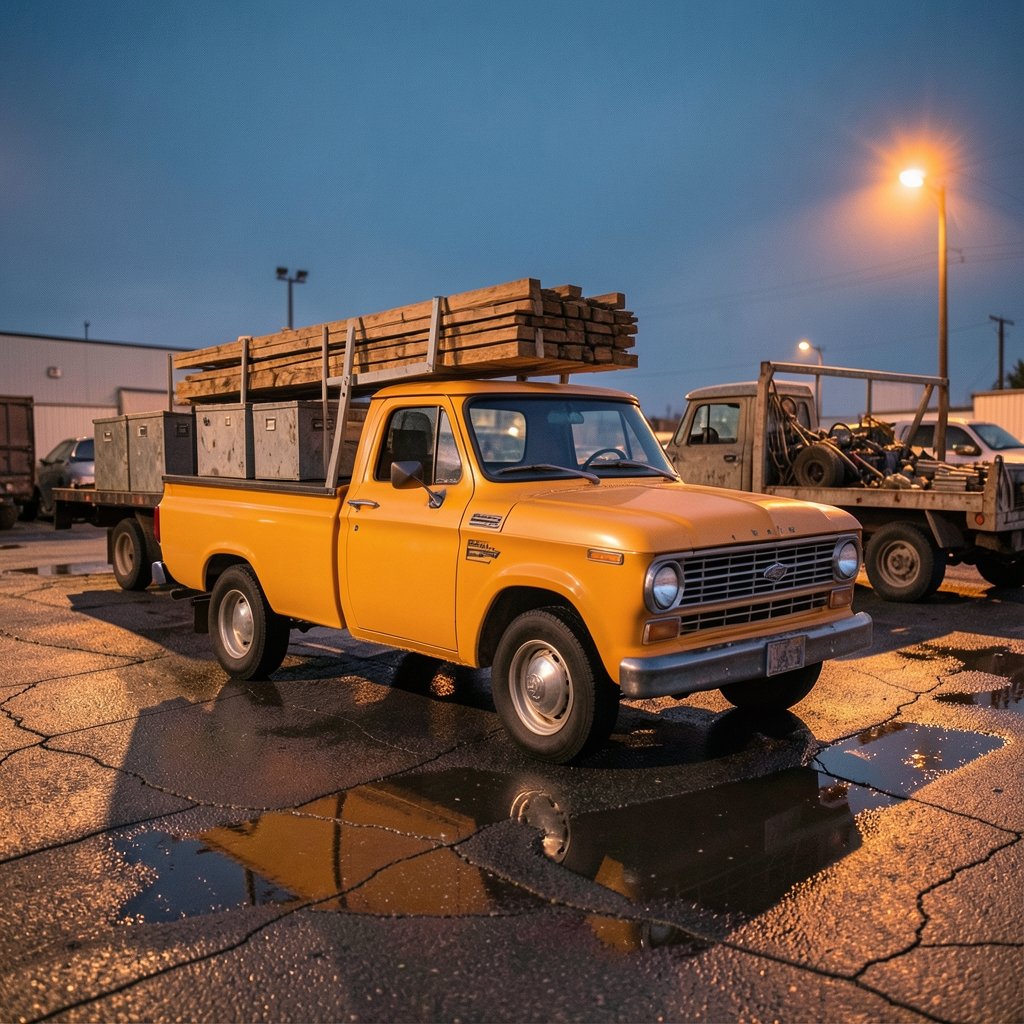
The four-door pickup is not a modern invention. Dodge offered a four-door Crew Cab on its D-Series trucks from 1963, and Ford followed with a factory four-door F-Series crew cab around 1965. These early trucks were aimed at work crews — utilities, construction outfits, and municipal fleets that needed to move several workers plus equipment in one vehicle. The name itself came from that job: it was the cab for the crew.
For decades the layout stayed a niche. Then something changed. Through roughly the 2000s and 2010s, crew cabs went from a specialty order to the dominant light-duty configuration in the United States, as pickups became family and commuter vehicles rather than pure work tools. Buyers wanted the utility of a bed without giving up passenger space, and manufacturers responded by pushing four-door models to the center of their lineups.
That shift has a cost side, too. A crew cab adds weight, length, and price compared with a regular cab. It also changes how the truck is regulated, taxed, and insured in ways many buyers never consider.
Crew Cab vs. Extended Cab vs. Regular Cab
The table below sums up the practical differences. Exact dimensions vary by model year and maker, so treat these as general patterns rather than fixed numbers.
| Feature | Regular Cab | Extended Cab | Crew Cab |
|---|---|---|---|
| Doors | 2 full-size | 2 full + 2 half/rear-hinged | 4 full-size |
| Rear seat | None | Small, short-trip | Full-size, adult-capable |
| Bed length (typical) | Longest option | Mid-length | Shortest option |
| Maneuverability | Best | Moderate | Least (longest wheelbase) |
| Family use | Poor | Limited | Strong |
| Typical price | Lowest | Middle | Highest |
The trade-off is simple: passenger space versus bed space and maneuverability. A crew cab with a short bed is brilliant for hauling people and groceries, less brilliant for hauling sheet goods. If cargo length matters more than rear legroom, an extended cab with a longer bed may serve better.
Why Crew Cabs Dominate — and What It Costs You
Crew cabs sell because they solve a real problem. Most truck owners use their vehicle as primary transport rather than only a work tool. Four doors mean school runs, road trips, and carpool duty without a second vehicle. That versatility is why the layout won.
But the practical costs are easy to underestimate:
- Turning circle and parking. A crew cab with a long wheelbase is genuinely harder to park in tight lots and city garages. Test a three-point turn before you buy, not after.
- Bed length. Short beds are common on crew cabs. Measure what you actually haul — plywood, ladders, bikes — before assuming the bed is big enough.
- Payload. Four adults plus gear eats into payload fast. Check the door-jamb sticker, not the brochure, for the real limit on your specific trim.
- Price and depreciation. Crew cabs carry a premium new and used. That premium holds value well in strong truck markets but can sting if you bought more truck than you need.
A common mistake is buying the biggest cab and then discovering the bed is too short for the job. Another is assuming all crew cabs are equal. They are not: rear-seat legroom, door-check angles, and child-seat anchor placement vary widely between models.
Safety and Family Use: What to Check
Because crew cabs carry rear-seat passengers, rear-occupant protection deserves real attention. Crash-test programs evaluate rear seats specifically, and pickup ratings increasingly discuss crew-cab rear rows rather than treating the truck as a two-person vehicle. When comparing models, look at rear-seat scores as well as the overall star rating.
Child seats are the other big one. Crew cabs are commonly used as family vehicles, so check:
- Lower anchors and top tethers in the rear seat, and how easy they are to reach.
- Rear seat width — can three child seats fit side by side if needed?
- Door opening angle — a wide-opening rear door makes buckling a child far easier.
- Head restraint height for taller rear passengers.
Seat belts, anchor positions, and rear head restraints are the details that separate a genuinely family-friendly crew cab from one that merely has four doors.
The Money Side: Regulation, Tax, and Running Costs
In the United States, fuel-economy rules classify light trucks by footprint — track width multiplied by wheelbase — rather than by cab style. That means a crew cab is regulated as a light truck, not a passenger car, regardless of how family-oriented it is. The footprint-based approach shapes how manufacturers size and price trucks, and it is one reason big crew cabs remain viable in a way large passenger cars are not.
There is also a business-buyer angle. Depreciation rules can make heavier light-duty trucks attractive for business owners, and crew cabs are common in that segment. Tax law changes frequently, so any buyer weighing this should confirm current-year rules rather than relying on an old article. The same caution applies to insurance: a longer, heavier, more expensive truck usually costs more to cover.
In Australia, dual-cab utes are regulated as light commercial vehicles, and state road agencies publish the definitions that matter for licensing and load rules. If you are cross-shopping markets, do not assume the labels translate cleanly.
How Crew Cabs Fit Into a Bigger Picture
Truck buyers rarely shop in isolation. The same person weighing a crew cab may also be comparing charter options for a vacation, sizing up a theme park trip with the family, or working out what separates a premium product from a mass-market one. Those decisions share a common thread: match the configuration to the actual use, not the brochure fantasy.
That logic shows up in surprising places. The way a luxury cruise ship’s size, crew, and cost interact mirrors how cab size, payload, and price interact on a truck — bigger is not automatically better, and the ratio matters more than any single number. Families planning a road trip in a crew cab often end up comparing the best fun parks in the USA and how to pick the right one for your crew, and the same “fit the vehicle to the mission” thinking applies. Even a seemingly unrelated choice, like motor yacht versus sailing yacht charter cost, crew, and itinerary, comes down to the same question: what will you actually do with it, and who is coming along?
Practical Buying Tips That Actually Work
Here is what experienced buyers do differently, based on how crew cabs are really used.
Measure the garage first. Crew cabs are long. A truck that fits the driveway may not fit the garage, and a truck that fits the garage may not fit the parking structure at work. Get the actual length, width, and height from the spec sheet and check them against real openings.
Drive the trim you plan to buy. Wheelbase, tire size, and suspension vary by trim. A base crew cab and a lifted off-road crew cab handle very differently in a parking lot.
Check the payload sticker on the actual vehicle. Payload figures in ads are for the lightest configuration. The sticker in the door jamb is the legal number for that truck.
Sit in the back seat yourself. Rear legroom and seat height vary enormously. Bring a car seat if you use one, and test the install.
Think about the bed before the cab. If you regularly haul long items, a crew cab with a short bed plus a bed extender may beat an extended cab with a long bed — or it may not. Only your real hauling list answers that.
Common Mistakes to Avoid
The most frequent error is overbuying the cab and underbuying the bed. Buyers fall for the showroom appeal of a huge rear seat, then discover the bed cannot take a standard sheet of plywood flat. The second most common mistake is assuming four doors mean family-ready: anchor placement, rear head restraints, and door angles matter more than door count. Third is ignoring running costs — bigger tires, heavier curb weight, and thirstier engines all add up over years of ownership. Finally, many buyers compare brochure payload instead of the door-jamb sticker, then find themselves overloaded on the first camping trip.
Conclusion
The crew cab earned its place by being genuinely useful: four real doors, a rear seat adults can use, and the utility of a pickup bed. It went from a fleet special in the 1960s to the default family truck because it solved a problem no other body style could. But the label is not a guarantee of quality or fit. Door count, rear-seat room, bed length, payload, and safety details all vary by model, and the right crew cab is the one that matches how you actually drive, haul, and carry passengers. Measure, test, and check the sticker — then buy the truck, not the marketing.
What Is a Crew Cab on a Pickup Truck?
A crew cab is a pickup body style with four full-size doors and a rear passenger seat sized for adults. It differs from a regular cab (two doors, no rear seat) and an extended cab (smaller rear compartment, often with rear-hinged half doors). In Australia, the same layout is usually called a dual cab.
Is a Crew Cab the Same as a Double Cab?
Not always. “Double cab” is used loosely and sometimes refers to a smaller four-door layout with tighter rear space, while “crew cab” generally implies full-size rear doors and adult-capable legroom. Because there is no single standards-body definition, the safest approach is to check the actual rear legroom and door size for the specific model.
When Did Crew Cabs First Appear?
Dodge offered a four-door Crew Cab on its D-Series trucks from 1963, and Ford followed with a factory four-door F-Series crew cab around 1965. These early models targeted work crews and fleets. Crew cabs became the dominant light-duty configuration in the US market over roughly the 2000s and 2010s.
Do Crew Cabs Cost More to Own?
Generally, yes. Crew cabs carry a higher purchase price, weigh more, and often come with shorter beds and thirstier engines. Insurance tends to cost more because the vehicle is longer and more expensive. Payload also shrinks once you add passengers and gear, so check the door-jamb sticker rather than the brochure figure.
Are Crew Cabs Good Family Vehicles?
They can be, but four doors alone do not make a truck family-ready. Look at rear-seat crash-test scores, lower anchor and tether access for child seats, rear head restraint height, and how wide the rear doors open. Rear-seat width matters if you need three child seats across.
Can I Fit a Crew Cab in a Normal Garage?
Sometimes, but measure first. Crew cabs have longer wheelbases and greater overall length than regular or extended cabs, and height varies with trim and suspension. Get the exact length, width, and height from the spec sheet and compare them with your garage opening, mirror clearance, and any parking structures you use regularly.