
Bad Bunny Tattoos: Meaning Behind His Ink & Fan Designs
 Abdul WadoodLast updated
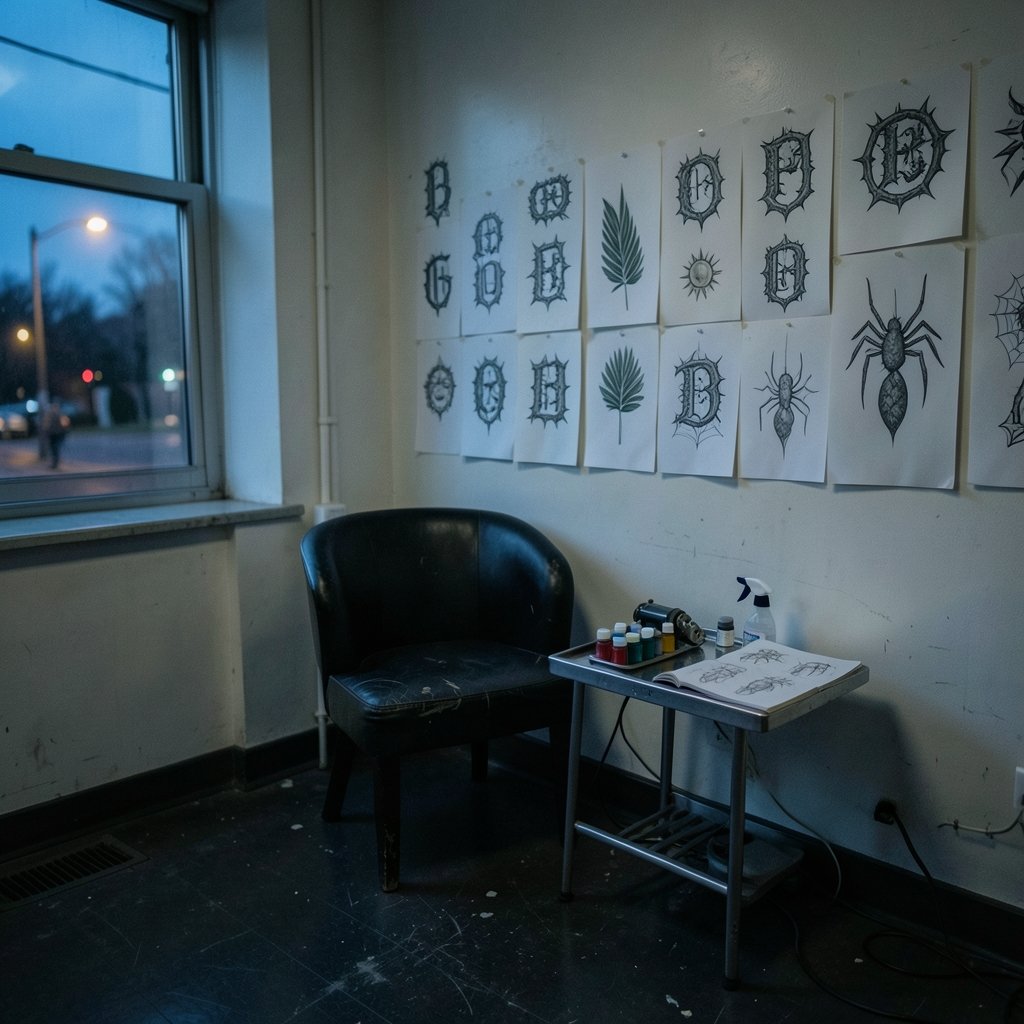
Bad Bunny has never been shy about his body art. The Puerto Rican superstar has accumulated a collection of tattoos that trace his career from SoundCloud uploads to sold-out stadiums, and his fans have followed suit. Search interest in Bad Bunny tattoos spikes every time he drops an album or appears shirtless on a magazine cover, and tattoo artists from San Juan to Los Angeles report steady demand for designs inspired by his imagery. What makes these tattoos interesting isn’t just the celebrity factor. It’s the way a single artist’s ink has become a shared visual language for a generation of Latin music fans.
Why Bad Bunny Tattoos Matter Beyond Celebrity Gossip
Plenty of pop stars have tattoos. Few have tattoos that function as fan identity markers the way Bad Bunny’s do. His body art blends Puerto Rican symbolism, personal milestones, and pop-culture references in a way that feels deliberately unpolished. That authenticity is exactly what draws people in.
Tattoo culture has shifted dramatically in the past two decades. Once associated with sailors, bikers, and rebellion, tattoos are now mainstream self-expression. The history of tattooing stretches back thousands of years across Polynesian, Japanese, and Indigenous American cultures, but the modern celebrity-driven wave is a much newer phenomenon. Bad Bunny sits right at the intersection: an artist who treats his skin like a scrapbook and invites fans to do the same.
A Closer Look at Bad Bunny’s Own Tattoos
Bad Bunny, born Benito Antonio Martínez Ocasio, has been photographed with a wide range of tattoos. Some are highly visible, like the ones on his forearms and hands. Others sit on his chest, back, and legs and only appear in specific photo shoots or performances.
The Visible Ones
His hand and forearm tattoos tend to be the most recognizable. They include stylized lettering, small symbols, and references to his music and heritage. Because he often performs in sleeveless tops or goes shirtless, these pieces get enormous screen time. For fans, that visibility turns them into iconic images almost overnight.
The Personal Ones
Some of his tattoos nod to family, his hometown, and his rise from bagging groceries in Vega Baja to headlining Coachella. Others are playful or ironic, which fits his public persona. He has spoken in interviews about getting tattoos impulsively rather than planning them out, and that spontaneous approach shows. The collection doesn’t follow one artistic style. It’s a mix of fine-line work, bold traditional pieces, and script, which is part of what makes it feel genuine. (Tattoos: A Cultural History)
What He Has Said About Getting Inked
Bad Bunny has discussed his tattoos in various interviews over the years, often casually. The recurring theme is that his ink is personal and not designed for public consumption, even though it inevitably becomes public. That tension, between private meaning and public spectacle, is something any heavily tattooed person understands.
Why Fans Get Bad Bunny Tattoos
Walk into any tattoo shop in a major city with a large Latin population and ask about recent requests. Odds are someone has asked for something Bad Bunny-related in the past month. The reasons vary, but a few patterns show up again and again.
- Cultural pride. His unapologetic embrace of Spanish-language music and Puerto Rican identity resonates deeply with fans who grew up code-switching.
- Career milestones. People get his lyrics or imagery tattooed to mark a personal turning point, the same way others get graduation dates or children’s names.
- Aesthetic appeal. Some designs are simply striking, and fans want the look regardless of deeper meaning.
- Fandom as identity. For younger fans especially, a Bad Bunny tattoo signals belonging to a community.
There’s a practical side to this too. Finding a shop that can execute the style you want matters more than the design itself. Anyone hunting for a studio should read up on how to find the right hair store near you and apply the same logic to tattoo parlors: check reviews, look at healed work, and visit in person before booking. The principles of vetting a local business are universal, whether you’re buying products or paying someone to permanently mark your skin.
The Most Requested Bad Bunny Tattoo Designs
Tattoo artists describe a fairly predictable menu of requests. Here’s a breakdown of the most common categories and what typically goes wrong with each.
| Design Type | What Fans Ask For | Common Pitfall |
|---|---|---|
| Lyrics in script | Short phrases from hits like “Yo Perreo Sola” | Lettering too small, blurring within a year |
| The bunny eyes logo | His signature red-eye graphic | Overly detailed versions that lose clarity at small sizes |
| Portraits | Realistic or stylized likeness | Poor source photos leading to weak reference work |
| Cultural symbols | Puerto Rican flag elements, coquí frogs | Cluttered composition when too many elements are combined |
| Heart and hand motifs | References to specific album art | Rushing the placement decision |
The single biggest mistake artists report is size. Fans bring in screenshots of intricate designs and want them shrunk to fit a wrist or finger. Fine detail needs space. A design that looks crisp on a phone screen will turn into a smudge once it heals if it’s crammed into too small an area. Experienced artists will push back on this, and clients should listen.
Getting a Celebrity Tattoo Done Right: Practical Advice
First-hand experience from working artists points to a few rules that save people from regret.
- Bring multiple references, not one. A single blurry screenshot gives the artist almost nothing to work with. Bring high-resolution images and be clear about which elements matter most.
- Ask for the artist’s interpretation. The best celebrity-inspired tattoos aren’t copies. They take a concept and rebuild it in the artist’s own style, which produces better work and avoids the awkwardness of a literal replica.
- Choose placement with healing in mind. Hands, fingers, and ribs heal poorly because of friction and movement. If it’s a first tattoo, start somewhere more forgiving.
- Budget for quality. Celebrity tattoos attract bargain hunters, and cheap work shows. A well-executed piece costs what it costs.
- Think about ten years out. Trends fade. A design tied to a specific era of an artist’s career may feel dated later, so consider whether the meaning will hold up.
The Cover-Up Problem
Artists also see a steady stream of people wanting to cover or rework old Bad Bunny tattoos. Usually the issue isn’t the subject, it’s the execution: blown-out lines, faded lettering, or a design that was too ambitious for the chosen spot. Cover-ups cost more and limit design options, so getting it right the first time is genuinely cheaper.
The Cultural Weight of the Trend
There’s a broader story here about how Latin music has reshaped global pop culture. Bad Bunny’s rise coincided with streaming platforms breaking down language barriers, and his tattoos are part of a visual package that signals a new kind of star: one who doesn’t soften his identity for a wider audience. Research on how celebrities influence consumer behavior consistently finds that authenticity, not polish, drives audience connection. His ink reads as authentic because it clearly wasn’t designed by a branding committee.
That said, it’s worth being clear-eyed. A tattoo is permanent, and celebrity trends move fast. The fans who end up happiest with their Bad Bunny tattoos tend to be the ones who connected the design to something personal, a song that got them through a hard year, a trip, a friendship, rather than the ones who wanted a straight copy of his exact ink.
What Artists Wish Fans Knew
Ask anyone who works in a shop and they’ll tell you the same things. Consultation matters more than the appointment itself. Healing instructions get ignored far too often, and a beautiful tattoo ruined by picking at scabs is a heartbreaking sight. Sunscreen is non-negotiable if you want lines to stay crisp.
They’ll also tell you that the best celebrity-inspired tattoos are the ones that get transformed. A fan who walks in and says “I want the vibe, not the exact design” almost always leaves with better work than the one who brings a printout and demands a photocopy. Tattooing is an interpretive craft, and giving the artist room to work is the difference between a piece you love and one you tolerate.
Conclusion
Bad Bunny tattoos occupy a strange, fascinating space. They’re celebrity artifacts, cultural signifiers, and deeply personal statements all at once. His own collection reflects an artist who treats his body as a running record of where he’s been, and the fans who follow suit are doing something similar: marking a moment in their own lives with imagery borrowed from someone who soundtracked it. The trend will evolve as his career does, but the underlying impulse, using skin as a diary, is as old as tattooing itself. Anyone considering one should take the time to find a skilled artist, bring good references, choose a sensible placement, and make sure the meaning is theirs first and the celebrity’s second.
FAQ
How many tattoos does Bad Bunny have?
He has never published an official count, and the number keeps changing as he adds new work. Photographs over the years show pieces on his hands, forearms, chest, back, and legs, with new additions appearing periodically. Because many are in areas typically covered by clothing, the full total isn’t publicly known.
What do Bad Bunny’s tattoos mean?
The meanings are largely personal and only partly explained in interviews. Some reference his Puerto Rican heritage, family, and career milestones. Others appear to be spontaneous or playful. He has generally treated his tattoos as private matters rather than promotional statements, so fans and journalists infer a lot from context.
Are Bad Bunny tattoos a good idea?
They can be, if the design means something to the person getting it. The risks are the same as any trend-driven tattoo: fading enthusiasm, poor execution, and placement mistakes. Getting a well-drawn piece from a skilled artist in a sensible spot dramatically improves the odds of long-term satisfaction.
What is the most popular Bad Bunny tattoo design?
Lyrics in script lettering and the signature red-eye bunny graphic are the two most commonly requested. Portraits and Puerto Rican cultural symbols follow closely. Artists note that small script pieces are popular but prone to blurring over time, so sizing them up slightly is usually wise.
How much does a Bad Bunny tattoo cost?
Pricing depends on size, detail, artist skill, and location. Small script pieces typically sit at shop minimums, while larger portraits or detailed graphics run into the hundreds or more. Highly sought-after artists charge premium rates, and cover-ups cost more than fresh work because they require extra planning and ink.
Should I get an exact copy of his tattoo?
Most artists advise against it, for practical and creative reasons. Exact copies often rely on poor reference images, and they leave no room for the artist’s own strengths. A reinterpreted design based on the elements you love usually produces sharper, more original work that ages better.
The smartest approach is to treat his ink as inspiration rather than instruction, borrowing the elements that resonate and leaving the rest behind. Trends fade, but a well-chosen design tied to your own story tends to hold its meaning. Whether you’re drawn to the red-eye bunny, a lyric you’ve carried through hard years, or a coquí frog that reminds you of home, the tattoo will only be as good as the thought behind it. Find an artist whose style matches your vision, trust their judgment on size and placement, and follow the aftercare advice to the letter. Do that, and you’ll end up with a piece that honors both the artist who inspired it and the person wearing it.