
Can Dogs Have Pineapple? Safe Serving Guide 2026
 Abdul WadoodLast updated
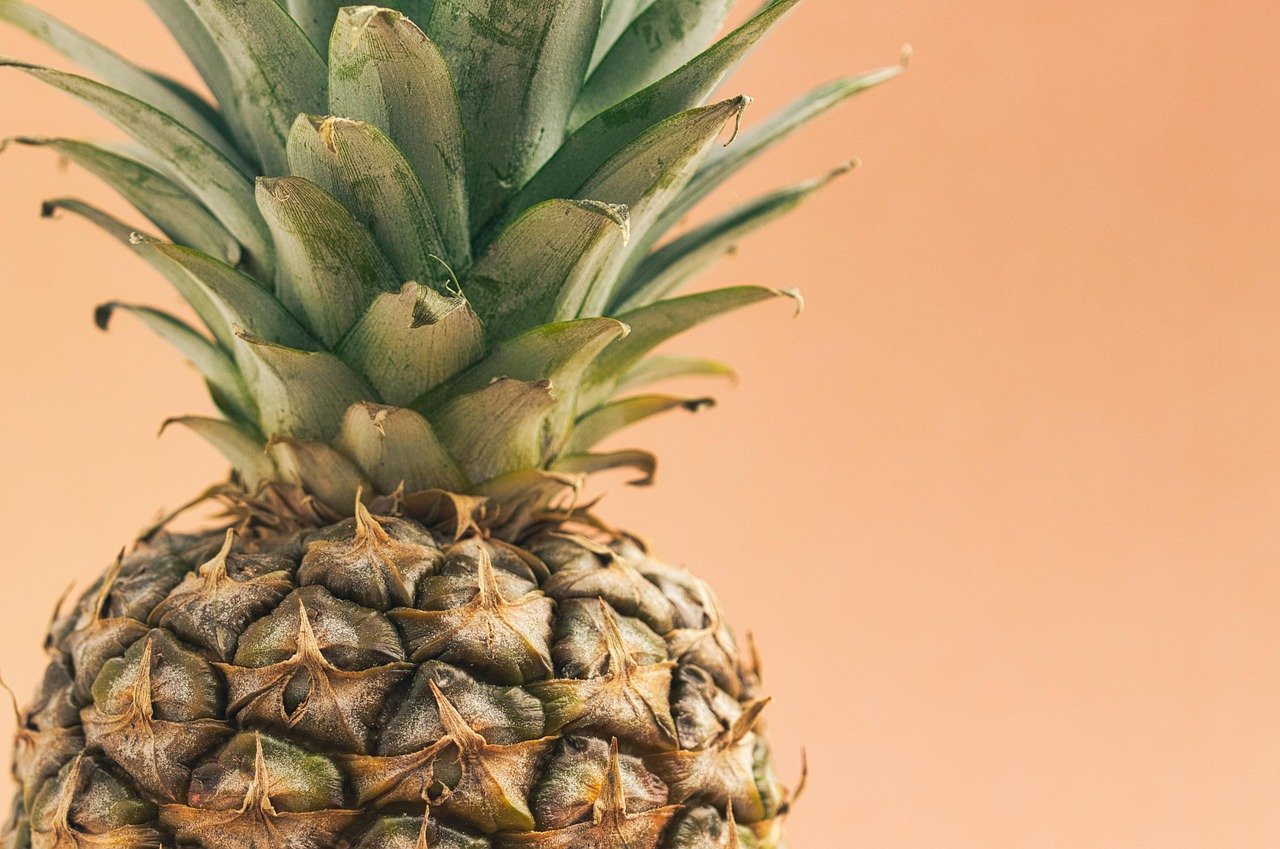
Quick Answer: Can dogs have pineapple?
Yes. Fresh pineapple is safe for most dogs in small amounts, served as bite-sized pieces of ripe flesh with the skin and core removed. It works best as an occasional treat rather than a regular part of the bowl.
Other fruits follow a similar pattern. Plain watermelon, blueberries, and apple slices (no seeds or core) are also fine in moderation, while grapes and raisins are not. Canned pineapple in heavy syrup and any product containing artificial sweeteners should stay away from dogs entirely.
Before feeding a new fruit, check the portion size against the dog’s daily calories, the ripeness and preparation method, any health conditions like diabetes or obesity, and whether the dog has a sensitive stomach.
Ever watched a dog stare down a chunk of pineapple like it’s the last piece of food on earth? The nose twitches, the head tilts, and suddenly those puppy eyes are working overtime. It’s a fair question, and the answer is more encouraging than many owners expect. Pineapple can absolutely be part of a dog’s treat rotation, as long as it’s served the right way. The tricky part isn’t whether dogs can eat pineapple. It’s knowing which parts of the fruit to avoid, how much is too much, and why the canned stuff on the pantry shelf is a different story altogether.
Why pineapple is generally safe for dogs
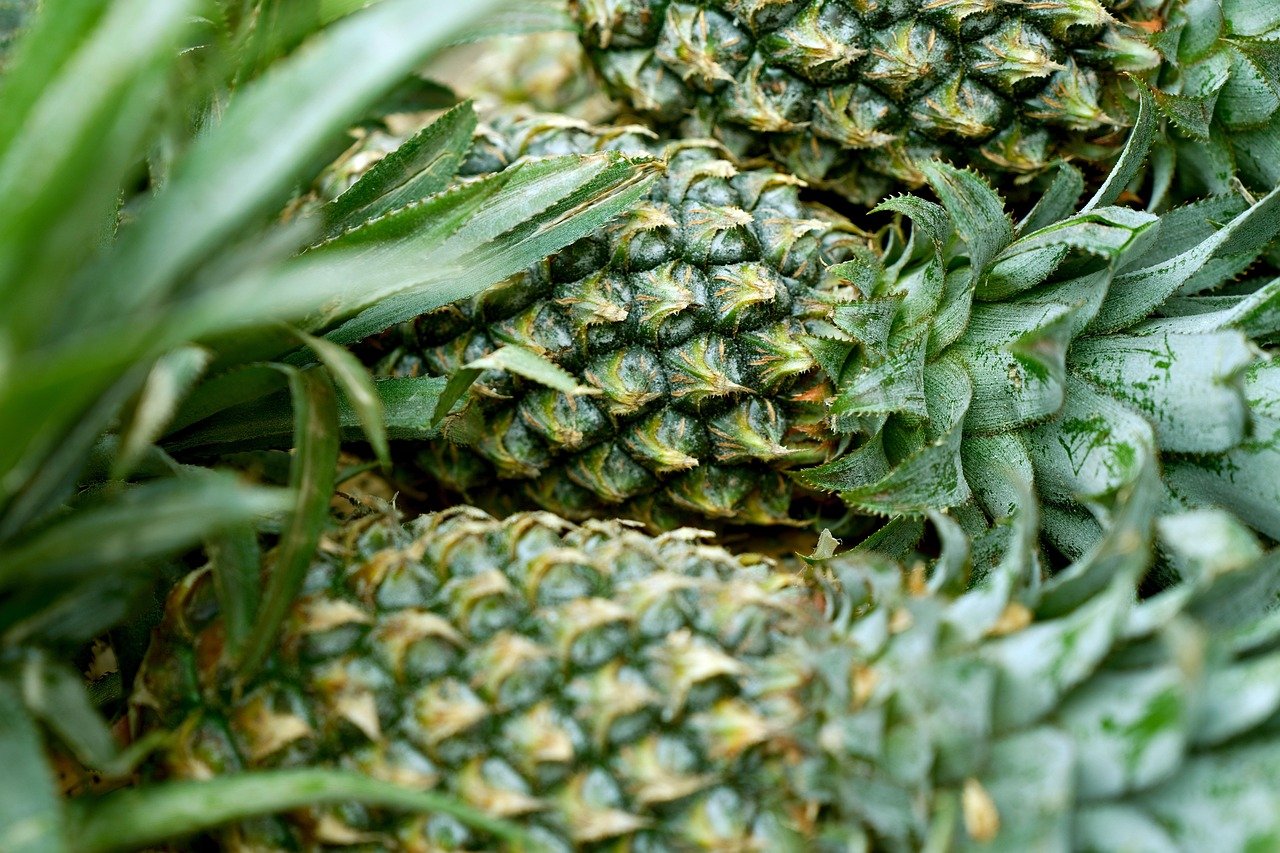
Fresh pineapple doesn’t contain anything inherently toxic to dogs. It’s a fruit, not a poison, and the flesh is mostly water, natural sugar, and a handful of vitamins. That places it in the same casual category as watermelon or blueberries, which most vets treat as fine in moderation.
The confusion usually comes from a labeling detail. Pineapple plants appear on non-toxic plant lists for pets, but those entries describe the plant itself, not a formal seal of approval on eating the fruit. Some articles blur that line. The practical takeaway stays the same: ripe flesh, small pieces, occasional serving. The fruit isn’t a health food for dogs and it isn’t a hazard either. It’s a treat, and treats live on the edges of a balanced diet, not in the middle of it.
What pineapple actually brings to the bowl
Pineapple has real nutritional content, and some of it transfers to a dog in small doses.
| Nutrient | What it does | Why it matters for dogs |
|---|---|---|
| Vitamin C | Supports immune function | Dogs make their own, so this is a bonus, not a need |
| Manganese | Helps with enzyme function | Small amounts add up across a varied diet |
| Fiber | Supports digestion | Too much can loosen stools |
| Bromelain | An enzyme that breaks down protein | Anecdotal joint and digestion claims, limited dog-specific evidence |
| Natural sugar | Quick energy | The main reason to keep portions small |
That bromelain angle deserves a caveat. You’ll see it marketed as a miracle for joints and inflammation, but the evidence in dogs is thin, and the amounts in a couple of chunks are tiny. Anyone hoping a pineapple cube will fix a stiff hip is going to be disappointed. It’s a nice bonus in a treat, not a supplement.
How much pineapple is safe for a dog
Portion size is where most owners go wrong, usually out of enthusiasm rather than carelessness. A dog who loves pineapple will happily keep eating it, and a generous owner will happily keep handing it over.
A sensible rule is to keep treats at or below roughly 10 percent of a dog’s daily calories, a widely repeated guideline in veterinary nutrition advice. For pineapple specifically, that translates to a few small cubes for a medium dog and just one or two pieces for a toy breed. A large dog might handle a small handful, but even then, it’s a treat, not a side dish.
Here’s a rough starting point by size:
- Toy breeds (under 10 lbs): 1 small cube, once or twice a week at most
- Small breeds (10–25 lbs): 2–3 small cubes
- Medium breeds (25–60 lbs): 3–4 cubes
- Large breeds (60+ lbs): a small handful, cut small
These are starting points, not prescriptions. A dog’s weight, activity level, and overall diet change the math. When in doubt, smaller is always the safer bet.
Preparing pineapple so it’s actually safe
The fruit itself is fine. The preparation is where accidents happen, and a few simple habits prevent almost all of them.
- Cut off the skin completely. The spiky exterior is tough, hard to chew, and a choking risk.
- Remove the core. It’s fibrous and stringy, and dogs can’t break it down well. Some dogs gulp it whole, which is worse.
- Cut the flesh into bite-sized pieces. Match the size to the dog’s mouth, not to a human’s idea of a snack.
- Serve it fresh and plain. No sugar, no syrup, no toppings.
- Introduce it slowly. One small piece first, then watch for a day.
That last step gets skipped constantly. A dog who has never eaten pineapple shouldn’t get a whole bowl on the first try. A single piece tells you plenty. If the stool stays firm and the stomach stays quiet, the next serving can be slightly bigger.
The canned pineapple problem
Canned pineapple in syrup is the most common mistake, and it’s an easy one to make. The can is convenient, the fruit is already cut, and the dog is already drooling. The problem is what comes with it.
Syrup packs added sugar, which pushes a small treat well past sensible limits and offers nothing a dog needs. Light syrup isn’t much better. Pineapple canned in its own juice is closer to acceptable, but it still carries more sugar than fresh and often sits in a liquid that’s better rinsed away. Even then, fresh is simpler and safer.
The bigger red flag is anything containing artificial sweeteners. Xylitol, a sugar alcohol found in some sugar-free products, is highly toxic to dogs and can cause dangerous drops in blood sugar. It isn’t typical in canned pineapple, but checking labels on any fruit product is a habit worth building. When in doubt, skip the can and buy the fruit.
Which dogs should skip pineapple
Pineapple isn’t right for every dog, and a few groups need extra caution.
Dogs with diabetes or those on a weight-management plan should avoid or strictly limit high-sugar fruit. A veterinarian should weigh in before any new treat enters the rotation. Overweight dogs face the same math: pineapple calories count, even if they come from fruit.
Dogs with sensitive stomachs often react to new foods with loose stools or vomiting, and pineapple’s sugar and fiber can trigger that. Dogs with a history of pancreatitis tend to do better on low-fat, low-sugar treats, and pineapple doesn’t fit neatly into that plan.
Puppies and senior dogs deserve a slower introduction too. Their digestive systems are either still developing or less forgiving, so smaller portions and closer observation make sense. Owners comparing treat options across life stages often find that the right choice depends far more on the individual dog than on the food itself, a theme that runs through guidance on best dogs for seniors breeds that fit real life.
Signs a dog has had too much pineapple
Dogs rarely hide a stomach ache, and pineapple overload tends to announce itself quickly. Watch for loose stools, vomiting, gas, or a dog who seems uncomfortable or restless after eating. Some dogs get a mild upset from just a couple of pieces, especially on the first try.
If symptoms are mild, the fix is usually simple: no more pineapple, plenty of water, and a bland diet for a day. If vomiting repeats, the dog seems lethargic, or there’s any sign of choking or trouble swallowing, a vet visit is the right move. Tough core pieces are the main choking hazard, which is why cutting matters so much.
Pineapple as part of a bigger treat strategy
Treats work best when they’re varied and small. Pineapple earns a spot in that rotation, but it shouldn’t be the only thing in it. Plain cooked chicken, carrot sticks, green beans, and a bit of plain pumpkin all do the job with less sugar.
Owners who live in smaller spaces often think harder about treat choices and portion control, since a bored dog in a small apartment tends to get more snacks. That’s a useful lens, and it’s the same one behind practical guidance on best apartment dogs breeds that actually thrive in small spaces. The treat itself matters less than the habit around it: small portions, clear limits, and a dog who learns that good things come in modest sizes.
Households with kids need a slightly different conversation. Children love feeding dogs, and a piece of pineapple is an easy, tempting handoff. The risk is quantity and size, not intent. A quick rule for the whole family, such as “one small piece, cut by an adult,” prevents most problems before they start. Families thinking through that dynamic often find the same principle applies across the board, which is why advice on best dogs for kids actually matters more than breed keeps circling back to supervision and simple ground rules rather than breed labels.
What about pineapple in other forms
Fresh is the gold standard, but owners ask about the alternatives often enough to address them.
Frozen pineapple chunks work well as a summer treat, provided they’re plain and cut small. Some dogs love the cold texture. Others gulp them, so supervision matters.
Dried pineapple is trickier. Drying concentrates the sugar, and many commercial versions add more. It’s also chewy in a way that can be a choking risk for small dogs. If it’s used at all, it should be in tiny pieces and plain.
Pineapple juice isn’t a good idea. It’s concentrated sugar with none of the fiber, and it offers no benefit a piece of fruit doesn’t already provide.
Pineapple cores are a no. They’re tough, fibrous, and hard to digest.
The pattern holds across every form: the simpler and less processed, the better.
Conclusion
Pineapple can be a perfectly good treat for most dogs, and the rules around it are refreshingly simple. Fresh fruit, ripe and plain. Skin and core removed. Small pieces, small portions, and a slow introduction. Keep it occasional, watch how the dog responds, and skip it entirely for dogs managing diabetes, weight, or a sensitive stomach. The canned version in syrup stays on the shelf, and anything with artificial sweeteners stays out of the house.
The bigger lesson is the one that applies to every treat in the bowl. Dogs don’t need much to be happy, and a single cube of pineapple delivered with a bit of ceremony will delight most of them as much as a whole bowl would. Moderation isn’t a restriction here. It’s what makes the treat work.
Frequently asked questions
Can puppies eat pineapple?
Yes, in very small amounts. Puppies have delicate digestive systems, so a single tiny piece is enough for a first try. Watch for loose stools or an upset stomach over the next day, and keep the total treat intake low since puppies need their calories from complete food, not fruit.
Is pineapple core safe for dogs?
No, it’s best avoided. The core is tough, fibrous, and difficult for dogs to chew and digest. It poses a choking risk and, in larger pieces, a potential obstruction risk. Cut it away and feed only the soft flesh.
Can dogs eat pineapple every day?
They can, but they probably shouldn’t. Pineapple is high in natural sugar, and daily servings add up quickly against a dog’s calorie budget. A few times a week is a more sensible rhythm, and some dogs do better with less.
Does pineapple help dogs with digestion?
The bromelain in pineapple is often credited with digestive and anti-inflammatory benefits, but the evidence in dogs is limited and the amounts in a small treat are tiny. It’s not a reliable remedy. A dog with digestive issues needs a vet’s guidance, not extra fruit.
Is canned pineapple okay for dogs?
Generally no, especially the kind packed in syrup. Added sugar pushes it well past sensible treat limits, and some products contain artificial sweeteners that are dangerous for dogs. If canned pineapple is used at all, it should be packed in juice, rinsed, and given sparingly. Fresh is the better choice.
What should I do if my dog ate too much pineapple?
Stop all pineapple and other treats for the day, make sure fresh water is available, and offer a bland meal if the stomach seems unsettled. Mild loose stools usually settle within a day. Repeated vomiting, lethargy, or signs of choking warrant a call to the vet.