
Best Ways to Support Local Businesses in 2026
 Abdul WadoodLast updated

What if the most useful thing you did for your town this month cost you exactly nothing extra? Supporting local businesses has become a popular slogan, printed on tote bags and repeated in social feeds. But the gap between saying you back local shops and actually keeping them alive is wide. A post can look like help without keeping a shop open. Other spending choices quietly do more harm than good.
The good news is that effective support is mostly about small, repeated choices rather than grand gestures. It is about where your money lands, how you talk about the places you love, and whether you treat local owners as neighbors or as vending machines. This guide covers what actually works, what tends to backfire, and the mistakes even well-meaning people make.
Why local spending matters more than most people think
Money spent with an independent business tends to stay closer to home. Local owners pay local rent, hire local staff, and often use local suppliers. Chains send a larger share of each dollar back to a head office somewhere else. That difference is the whole argument in a nutshell. (Local currency)
The local multiplier effect is the term economists use for this. The idea is that a dollar spent locally gets re-spent locally, creating extra economic activity with each round. The exact size of that multiplier is where things get messy. Figures get repeated online without their original context, and the number varies enormously by town, industry, and year. Treat any specific percentage you see quoted as needing a check against the original report, not a law of nature.
What is not in dispute is the structure. Independent businesses tend to spend more of their revenue on local wages, local services, and local goods. Chains tend to spend more on centralized supply chains and corporate overhead. So the direction of the effect is reliable even when the headline number is not.
There is also a less measurable benefit. A street with independent shops tends to have more variety, more character, and more reasons for people to linger. That is why town centers with a healthy mix of small businesses often feel different from ones dominated by identical storefronts.
Spend on purpose, not only now and then
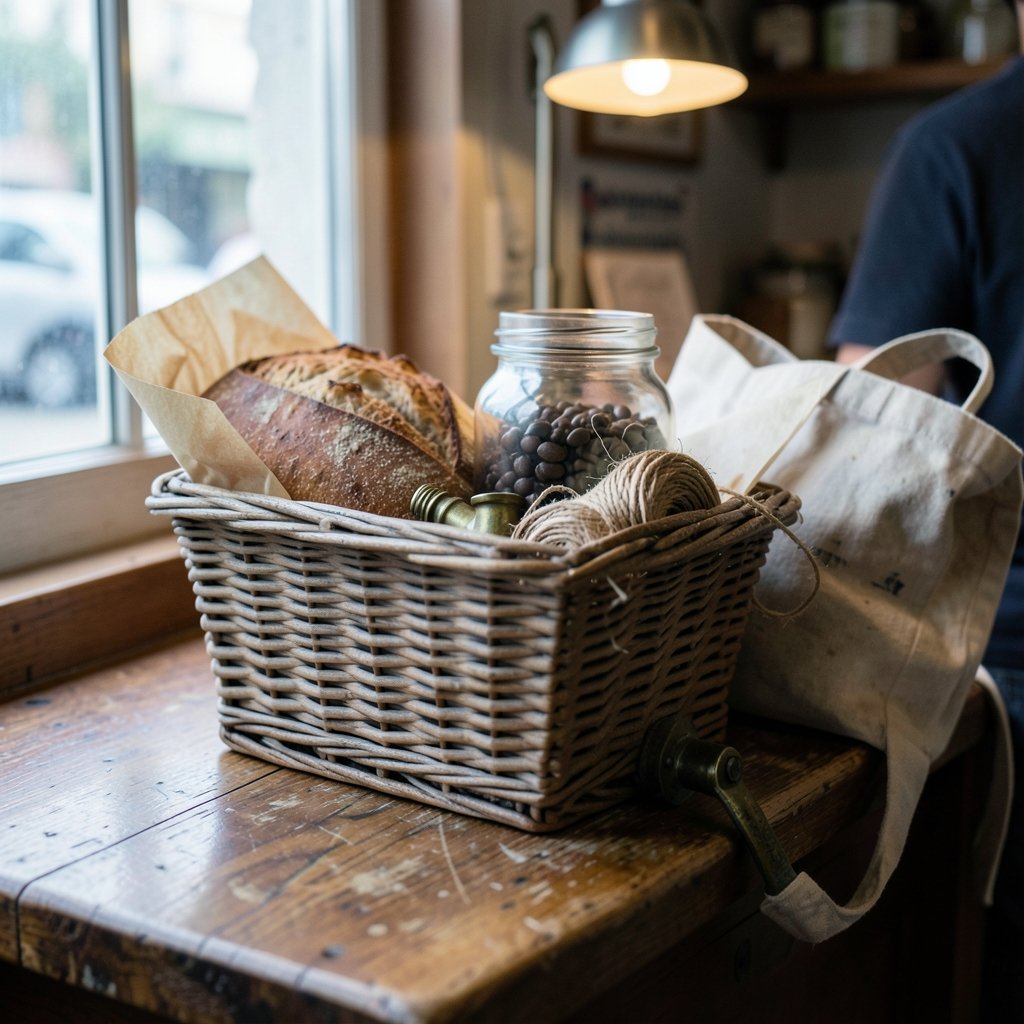
The single biggest lever is your regular spending. One dramatic shopping day a year does less than shifting a steady slice of your normal budget. A practical target many households find workable is moving 10 to 20 percent of routine spending to local businesses. That means groceries, coffee, hardware, repairs, haircuts, and gifts.
Here is a simple way to structure it:
- List the categories you spend on every month.
- Pick two or three where a local option exists within a reasonable distance.
- Move those categories to local providers for a trial period of three months.
- Review what worked and what was genuinely inconvenient.
The trial period matters. People often try once, hit a minor friction, and give up. Local businesses frequently run on tighter staffing, so hours and stock can be less predictable than a big-box store. That is a real trade-off, not a reason to abandon the whole idea.
One underrated category is services rather than products. Repairs, alterations, plumbing, tutoring, and pet care are often better value locally because you can talk to the person doing the work. A local repair shop that fixes a lamp or a jacket also keeps items out of landfill, which is a bonus worth mentioning.
Buy gift cards and prepay when a business is struggling
When a local shop faces a cash crunch, the fastest help is money now for goods later. Buying a gift card or prepaying for a service puts cash in the owner’s hands immediately. It also gives you something you will actually use.
This became common advice during the pandemic and it remains one of the most direct forms of support. A few practical cautions:
- Check whether the business has an expiry policy on gift cards.
- Keep the receipt and a record of the purchase.
- Prefer businesses you genuinely expect to use.
The risk, of course, is that a struggling business closes before you redeem. That is a real possibility, so treat prepayment as part support and part gamble rather than a guaranteed purchase. If that risk feels unacceptable, a straightforward purchase of something you need is the safer version of the same gesture.
Referrals and honest reviews do more than social posts
A share on social media feels good and mostly disappears. A specific recommendation to a friend who is about to buy something carries more weight. Word of mouth still drives a large share of decisions for small businesses, especially services where trust matters.
Online reviews are the modern version of that. A detailed, honest review with specifics helps a business far more than a generic five stars. Mention what you bought, what the service was like, and who it would suit. Specifics get read; vague praise gets skipped.
There is a right and wrong way to do this. The wrong way is posting a review for a business you have never used, or trading reviews with a friend’s shop. Review platforms increasingly detect this, and it can hurt the business you were trying to help. The right way is simply describing a real experience clearly.
If you want to go further, a short practical guide on how to support local arts organizations practical guide that covers the same principle for cultural groups: specific, useful help beats vague enthusiasm every time.
Show up in person and build actual relationships
Small business owners notice regulars. They remember names, preferences, and the small details that make a place feel welcoming. Becoming a regular is one of the cheapest and most effective forms of support, because it converts a one-off transaction into a relationship.
That relationship pays you back. A regular customer often gets better advice, faster help with a problem, and a heads-up when something is in stock. It also makes the business more resilient, because a base of repeat customers is what carries a shop through a slow season.
Practical ways to build that:
- Learn the owner’s and staff’s names and use them.
- Ask questions about the products rather than scrolling your phone in line.
- Give feedback directly and kindly before you post it publicly.
- Show up during quiet hours rather than only at peak times.
That last point is underrated. Many small businesses have dead periods, mid-afternoon on weekdays or early evenings. Spending there gives the owner revenue without adding to a crush.
Be a good customer, not a demanding one
Some of the most damaging behavior toward local businesses comes from people who think they are being loyal. Common mistakes include:
| Mistake | Why it hurts | Better approach |
|---|---|---|
| Asking for discounts because you are a regular | Squeezes already thin margins | Pay full price and tip well |
| Expecting big-box return policies | Small shops cannot absorb open-ended returns | Ask about the policy before buying |
| Ordering online then asking the shop to match the price | Undercuts the reason to keep stock | Buy from whoever you want to keep |
| Leaving a harsh public review over one bad day | Permanent damage for a temporary problem | Raise it privately first |
The discount habit is worth calling out. Regulars sometimes feel entitled to a deal, but a small shop’s margin is often thinner than a chain’s. Paying full price is itself a form of support, and it signals that you value the business rather than the bargain.
Similarly, treat staff with patience. A shop with two employees cannot staff a queue the way a supermarket can. A little grace goes a long way, and owners remember who gave it.
Think about the categories where local really wins
Not every purchase is better made locally. Being honest about that makes the whole idea more credible. Local wins clearly in some areas:
- Fresh food from markets, butchers, and greengrocers, where quality and seasonality matter.
- Repairs and alterations, where you can discuss the job face to face.
- Services built on trust, such as childcare, tutoring, and trades.
- Gifts and specialty goods, where character and provenance are the point.
Local is a weaker fit for standardized goods where price and convenience dominate, like bulk household items or electronics. Nobody needs to feel guilty about that. The goal is a sensible shift, not purity.
The same logic applies to big-ticket purchases. If you are weighing a used cars sale near me shop local without getting burned purchase, a reputable local dealer can be a better bet than an anonymous listing, but only if you do the checks. Localness is not a substitute for diligence.
Use local marketplaces and directories wisely
Online marketplaces that focus on a region can connect buyers and sellers who would never otherwise meet. They work best when you treat them as a starting point rather than a guarantee. A listing tells you a business exists; it does not tell you whether it is any good.
A useful pattern is to check a local marketplace, then verify the seller independently. Look for a physical address, recent reviews, and a phone number you can actually call. If you are browsing cars near me search local listings without getting burned, the same rules apply: a local listing is convenient, but the inspection and paperwork still decide the outcome.
For home projects, the pattern repeats. If you are comparing luxury vinyl plank flooring near me vet local sellers, a local supplier can offer samples, advice, and a return path that an online-only seller cannot. That is real value, but only if you actually vet them rather than assuming local means trustworthy.
Support the infrastructure, not only the storefronts
Businesses need more than customers. They need foot traffic, safe streets, affordable space, and a local government that does not make opening a shop impossible. Showing up to a planning meeting about a vacant lot or a parking policy is unglamorous and genuinely useful.
Other forms of infrastructure support:
- Join or donate to a local business association or chamber.
- Attend farmers markets and community events, even when you buy little.
- Advocate for policies that let small spaces stay affordable.
- Use local banks and credit unions where it makes sense for you.
These are slower levers than buying a coffee, but they shape whether local businesses can exist at all. A town that makes it easy to open a small shop gets more of them.
Avoid the performative trap
The biggest mistake in this whole area is confusing visible enthusiasm with actual help. A photo of a receipt is not support. A hashtag is not support. Support is money changing hands, time being given, and reputations being built honestly.
There is a second trap too: treating local businesses as charities. They are not. They want customers who pay, not pity. The best supporters are people who buy things they need, recommend honestly, and come back. That is it.
If you want a single rule to remember, make it this: spend where you want the money to stay, and tell the truth about what happened. Everything else is detail.
Conclusion
Supporting local businesses is less about slogans and more about a handful of habits. Shift a steady slice of your regular spending. Prepay when a shop is in trouble. Write specific, honest reviews. Build real relationships with the people behind the counter. Pay full price, be patient, and show up to the boring meetings that decide whether small shops can survive.
None of this requires heroics. It requires attention. A town’s independent businesses are shaped by thousands of small decisions made by ordinary people, and those decisions are entirely within your control. Start with one category of spending this month, and see what changes.
Frequently Asked Questions
How much of my spending should go to local businesses?
There is no official target, and any specific percentage should be treated as a rough guide rather than a rule. A workable starting point is moving 10 to 20 percent of routine spending to local providers, then adjusting based on what is genuinely convenient. The consistency of the shift matters more than the size.
Is it better to shop local or buy online?
It depends on the category. Local tends to win for fresh food, repairs, services built on trust, and gifts where character matters. Online often wins for standardized goods where price and convenience dominate. A sensible approach is to choose local where the difference is meaningful and not feel guilty about the rest.
Do gift cards actually help a struggling local business?
Yes, because they provide cash immediately for goods delivered later. That can bridge a short-term crunch. The catch is that if the business closes before you redeem, you may lose the value, so treat it as part support and part risk. Check expiry terms and keep your receipt.
Are online reviews really that important for small businesses?
They matter a great deal, especially for services where trust drives the decision. A detailed review describing what you bought and how the experience went is far more useful than a generic rating. Avoid fake or traded reviews, which can backfire and damage the business you meant to help.
What is the local multiplier effect?
It is the idea that money spent with a local business gets re-spent locally, creating additional economic activity with each round. The direction of the effect is well established, but specific multiplier figures vary widely by place and study and are often misquoted online. Check any percentage against its original source.
What is the most common mistake people make when trying to support local?
Confusing visible enthusiasm with real help. Social posts and hashtags feel supportive but rarely change a business’s finances. Money changing hands, honest referrals, and repeat visits do. A close second is demanding discounts as a regular, which squeezes margins that are often already thin.