
Cars Near Me: Search Local Listings Safely in 2026
 Abdul WadoodLast updated
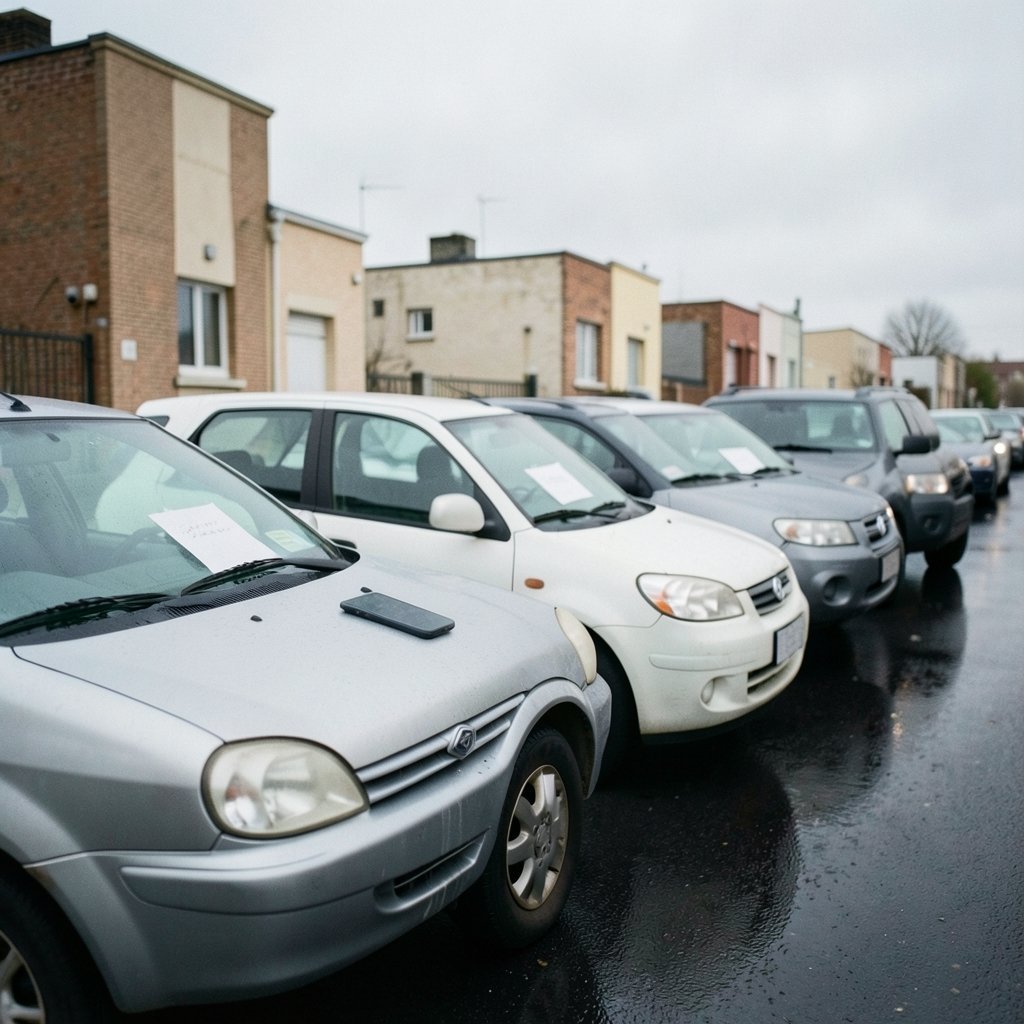
Roughly 36 million used vehicles change hands in the United States each year, and a growing share of those deals begin with two words typed into a phone: “cars near me.” It sounds simple. It rarely is. The results you get are shaped by your location, your search history, paid placements, and a handful of listing platforms that all want you to stay on their pages. Understanding how that machinery works is the difference between finding a solid car two miles away and driving home in someone else’s expensive mistake.
What “Cars Near Me” Actually Returns
When you type a location-based query, the search engine isn’t reading the words “near me” as a place name. It’s using signals like your IP address, device location, and past activity to guess where you are, then serving results it thinks are relevant to that spot. That’s why two people in the same city can get different dealerships at the top of the page.
The practical consequence: your results are a guess, not a guarantee. If your phone’s location services are off, or your VPN exits through another city, you may see inventory from 80 miles away without realizing it. Always check the distance filter and the listed ZIP code on each result before you get attached to a price.
There are three broad categories of result you’ll encounter:
| Result type | What it usually is | Watch for |
|---|---|---|
| Dealer listings | Franchised or independent lots paying for placement | Add-on fees, “call for price” bait |
| Marketplace listings | Peer-to-peer and small-lot inventory | Thin history, salvage titles, curbstoners |
| Aggregators | Sites that pull inventory from many sources | Stale listings that sold weeks ago |
Aggregators are the biggest time sink. A car can appear on a dozen sites and be gone from all of them. Before you drive anywhere, call and ask for the stock number and confirm the vehicle is physically on the lot.
The Search Terms That Actually Narrow Things Down

“cars near me” is a starting point, not a search strategy. The people who find good vehicles quickly tend to use a stack of modifiers rather than one broad phrase. Useful patterns include:
- Body style plus location — “used hatchback [your city]” beats a generic query because it filters out the pickups and SUVs that dominate local inventory.
- Price ceiling — “cars under 15k near me” forces the platform to show you reality instead of aspirational listings.
- Trim or engine — ” Civic LX near me” surfaces the specific configuration you want.
- Certification status — “certified pre-owned near me” restricts results to manufacturer-backed programs with warranty coverage.
- Dealer type — “independent dealer near me” versus “franchise dealer near me” produce very different inventory and financing options.
If you’re cross-shopping categories rather than hunting a single model, it helps to read broader buying guides alongside your local search. The team at Voozon Cars — Reviews, Comparisons & Car Guides covers how different vehicle types behave in daily use, which is useful context when you’re staring at forty listings and can’t decide what to filter for. (The cars built around experience)
Verify the Dealer Before You Verify the Car
Most buyers do this backwards. They fall in love with a listing, then check the seller. Flip it.
Dealer licensing is handled at the state level, and every state motor vehicle agency publishes a way to look up whether a business holds a valid dealer license. That lookup takes two minutes and eliminates a surprising number of “dealers” operating out of a strip-mall parking space. Independent lots that won’t give you a physical business address, a license number, or a landline are a hard pass.
For used vehicles sold by dealers, federal rules require a Buyers Guide sticker on the window disclosing whether the car comes with a warranty or is sold “as-is.” Private-party sales don’t carry that sticker, which is one reason private sales are cheaper and riskier in equal measure. If a dealer can’t or won’t show you the Buyers Guide, that’s your answer.
A few field-tested habits that save people real money:
- Photograph the VIN plate on the dashboard and the door jamb, then compare the two. Mismatches mean something is wrong.
- Ask for the title status in writing before you visit. “Clean” and “rebuilt” are not synonyms, and a rebuilt title can cut resale value by half.
- Run a recall check yourself using the free VIN lookup maintained by the National Highway Traffic Safety Administration at nhtsa.gov. Dealers don’t always complete open recalls before resale.
- Never send a deposit to hold a car you haven’t seen. Deposit scams are the most common fraud pattern in local vehicle listings.
How Location Shapes Price, and Why You Should Exploit It
Vehicle prices are not national. They’re local, and the spread can be startling. The same 2019 sedan might list for $1,800 less in a rural county ninety minutes away than in a dense metro where demand outpaces supply.
Three factors drive most of that gap:
Supply density. Metro areas have more dealers competing, which pushes prices down on common models but up on anything scarce. Rural areas are the reverse.
Regional preferences. All-wheel drive commands a premium in mountain states and a discount in the Sun Belt. Trucks cost more in Texas than in coastal cities. If you’re flexible on drivetrain, you can arbitrage this.
Registration and tax differences. Buying across a state line means understanding how your home state handles use tax, inspection, and titling. Some states charge sales tax on the spot; others collect it when you register. Budget for it before you commit.
The broader point is that “near me” is a default, not an obligation. Expanding your radius to 100 miles often surfaces better-conditioned cars at lower prices, even after you account for a day of driving. What you shouldn’t do is expand your radius so far that you can’t easily return for warranty work or a follow-up repair.
New Versus Used: What Local Inventory Really Looks Like
Walk onto any lot and the split is obvious. New inventory is concentrated at franchised dealers, priced with little room to negotiate in tight markets, and increasingly sold before it arrives. Used inventory is scattered across franchise lots, independents, rental fleet resellers, and private sellers.
| Factor | New | Used |
|---|---|---|
| Where to find it | Franchise dealers, factory orders | Franchise, independent, private, fleet |
| Price negotiation | Limited, especially on popular models | Wide, varies by days-on-lot |
| History risk | None | Title, accident, and service history vary |
| Warranty | Full factory coverage | Remaining factory, CPO, or none |
| Best local search tactic | Check dealer sites directly for incoming stock | Aggregators plus direct calls |
For used shopping, the single most useful data point is days on lot. A car that’s been sitting for 60 days is a car the dealer wants gone. Most listing platforms show a “listed on” date, and a polite question about how long it’s been in inventory often gets an honest answer. That’s leverage. (Car)
For new shopping, the local search is almost beside the point. Inventory moves fast enough that dealer websites lag reality by days. Calling the internet sales desk and asking what’s physically on the ground beats any listing site.
The Financing Trap Nobody Warns You About
Here’s where local shopping quietly gets expensive. Dealers make significant revenue on financing, and the quote you get in the showroom is rarely the best one available to you. The fix is boring and effective: get pre-approved by a credit union or bank before you shop. A pre-approval converts the conversation from “what monthly payment can we arrange” to “here’s my rate, can you beat it.”
Two specific things to check in any finance offer:
- The total of payments, not the monthly figure. Longer terms lower the payment and raise the interest dramatically.
- Add-on products bundled into the contract — gap insurance, paint protection, extended warranties. Each is negotiable and often available cheaper elsewhere.
Also confirm whether the advertised price includes dealer documentation fees, which vary wildly by state and can add several hundred dollars. A price that looks $900 below the competition often isn’t, once fees land.
Practical Steps for a Weekend of Local Car Hunting
If you want a repeatable process rather than a pile of tabs, this sequence works:
- Set your hard budget including tax, title, registration, and insurance for the first year.
- Get pre-approved for financing so you know your ceiling.
- Run the search with body style, price cap, and a 50-mile radius.
- Shortlist five cars, not fifteen. More than that and you’ll stop evaluating carefully.
- Call each seller and ask for VIN, title status, and days on lot.
- Check recall status and history on the VIN before scheduling a visit.
- Inspect in daylight and arrange a pre-purchase inspection with an independent mechanic. Roughly $150 well spent.
- Negotiate on the out-the-door number, not the sticker.
The step people skip is number seven. An independent inspection catches frame damage, pending transmission failures, and odometer discrepancies that a test drive never will. Sellers who resist an inspection are telling you something useful.
Conclusion
“Cars near me” is a search box, not a strategy. The results you get are shaped by location signals, paid placement, and platform incentives that have nothing to do with finding you a good vehicle. What actually works is unglamorous: verify the seller’s license, pull the VIN, check recalls, get pre-approved, and pay for an independent inspection. Expand your radius when it makes sense, but not so far that servicing becomes a chore. Do those things and the local search stops being a gamble and starts being a filter — one that quietly removes the cars you’d have regretted, before you ever leave the driveway.
Frequently Asked Questions
How far should I expand my search radius for cars near me?
Start at 25 miles, then try 50 and 100 to compare pricing. Most buyers find the best value between 30 and 75 miles out. Beyond that, the savings rarely offset the inconvenience of returning for warranty work or service.
Are “near me” search results based on my actual location?
Usually, yes, but not reliably. Search engines estimate location from your IP address and device settings, which can be wrong if location services are off or you’re on a VPN. Always confirm the ZIP code on each listing rather than trusting the result order.
Is it safer to buy from a dealer or a private seller?
Dealers are licensed, must display a Buyers Guide on used cars, and are easier to hold accountable. Private sellers usually offer lower prices but no warranty and no regulatory oversight. Either way, an independent pre-purchase inspection is the single best protection you have.
How do I check if a used car has open safety recalls?
Use the free VIN-based lookup tool from the National Highway Traffic Safety Administration at nhtsa.gov. Enter the 17-character VIN from the dashboard or door jamb. Open recalls are repaired free at franchised dealers regardless of where you bought the car.
Why do the same cars show up on so many listing sites?
Most listing platforms pull inventory from shared feeds, so one car can appear on a dozen sites simultaneously. This also means listings go stale. Always call to confirm the vehicle is physically on the lot before making the drive.
What fees should I expect beyond the advertised price?
Expect dealer documentation fees, sales tax, title and registration costs, and possibly a preparation or delivery charge. Ask for the out-the-door price in writing before you visit. That single number makes it easy to compare dealers honestly.