
Best Breakfast Guide: Evidence-Based Tips for 2026
 Abdul WadoodLast updated
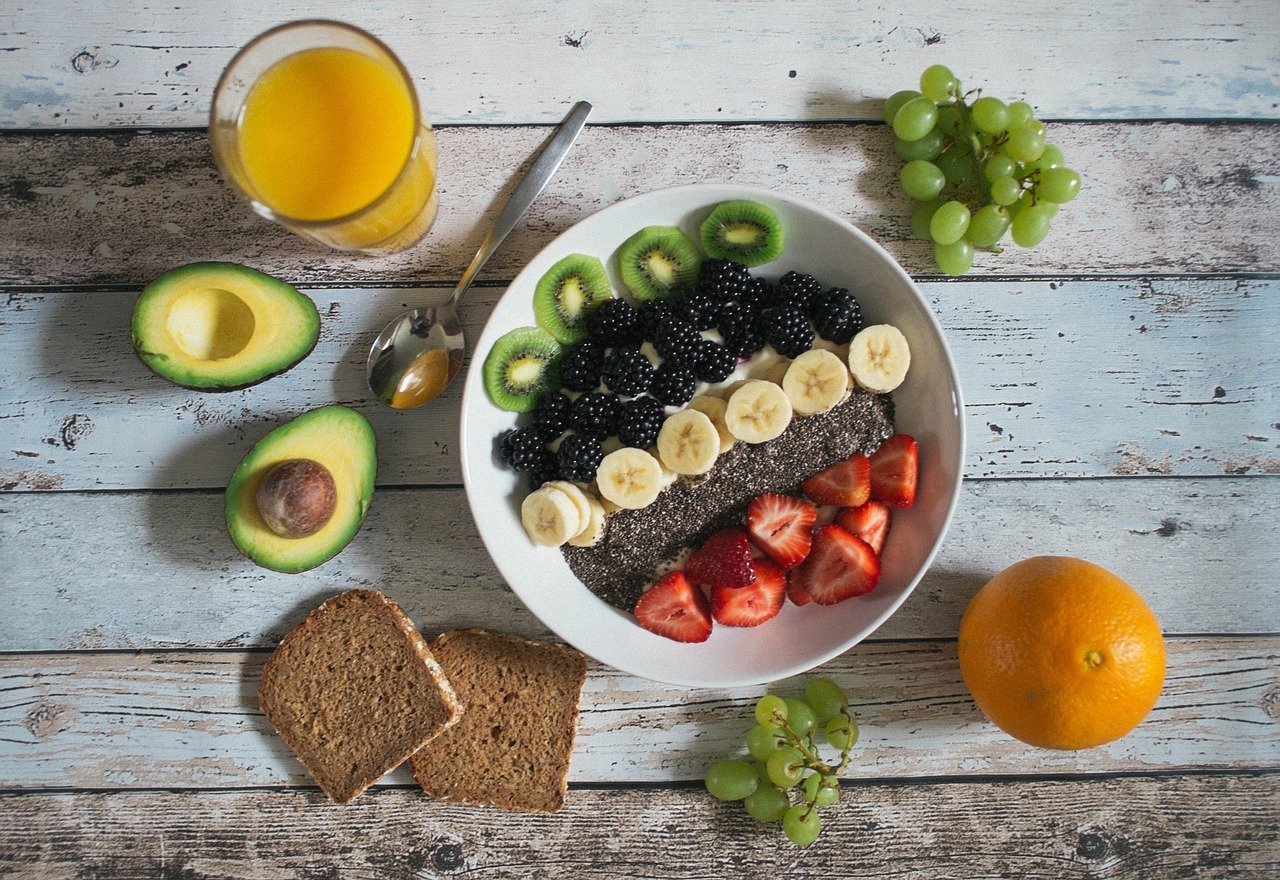
What did you eat this morning? A pastry grabbed on the way out? A bowl of cereal? Nothing at all? Few meals attract as much advice, guilt and marketing as breakfast, and few are as misunderstood. The honest answer to “what is the best breakfast?” is that there is no single perfect plate. But there is a surprisingly clear set of principles that public-health bodies, nutrition scientists and practical cooks broadly agree on, and once you know them, you can build a breakfast that fits your body, your budget and your morning reality. (Paris hotel breakfast worth it practical cost quality guide) (Breakfast)
This guide walks through what the evidence actually says, where it conflicts, and how to turn the principles into something you will genuinely eat on a Tuesday when you are running late.
Why Breakfast Gets So Much Attention
Breakfast carries cultural weight far beyond its calories. It is the meal most tied to routine, family memory and national identity. It is also the meal most heavily marketed, which is why so much breakfast advice is really advertising in disguise.
Nutritionally, breakfast is a chance after an overnight fast to take in fibre, protein, vitamins and minerals that many people otherwise fall short on. Whether you eat it matters more than the time on the clock. Strong trial evidence does not support the idea that breakfast is mandatory for everyone, and it does not support the idea that breakfast is harmful either. It is a meal, not a moral test.
The Evidence-Based Core: Fibre, Sugar and Protein
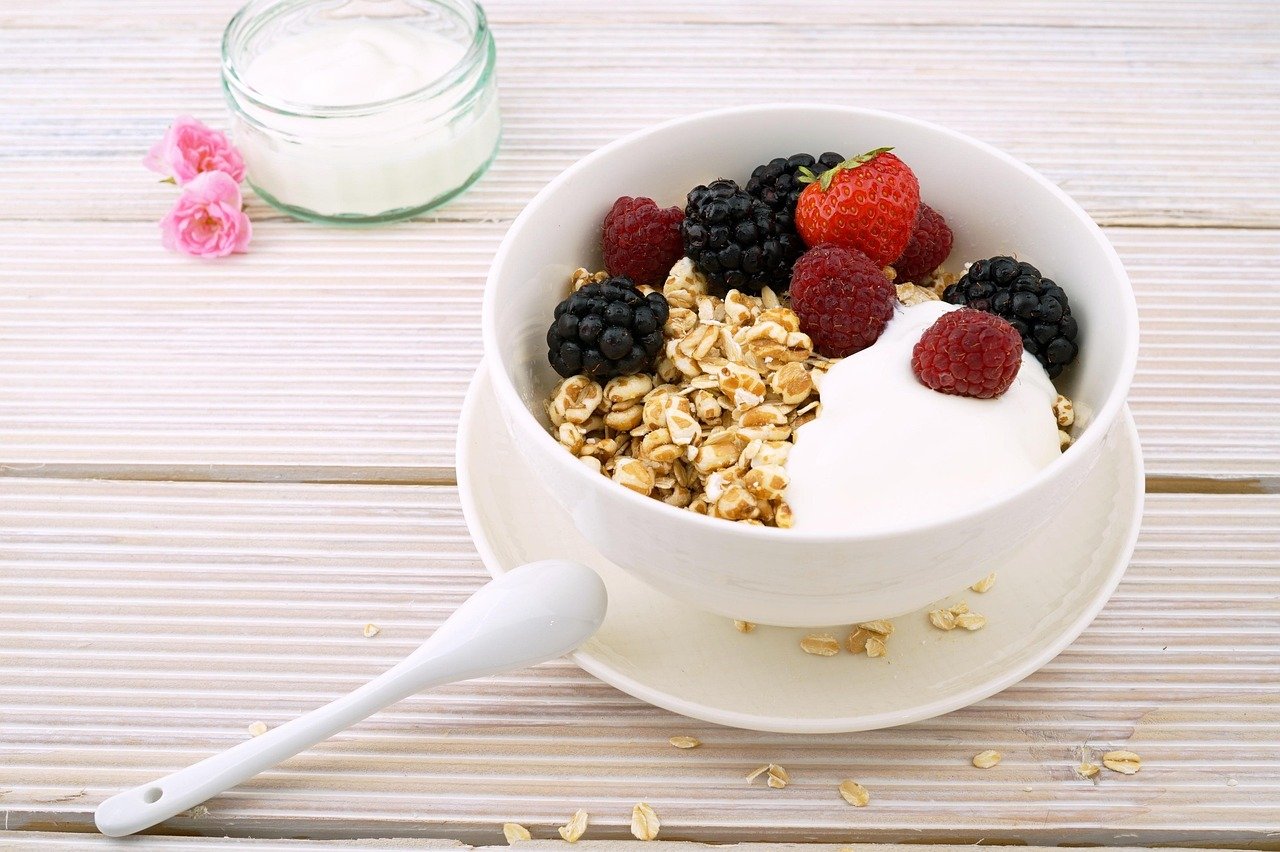
If you strip away brand claims, most official guidance converges on three practical priorities.
Fibre first. Fibre intake sits below recommendations in many high-income countries. UK guidance, set out in the Scientific Advisory Committee on Nutrition’s report on carbohydrates and health, points to around 30 g a day for adults. Most people get roughly half that. Breakfast is one of the easiest places to close the gap, because oats, wholemeal bread, nuts, seeds and fruit are all fibre-dense and all breakfast-friendly.
Keep added sugar low. The World Health Organization’s guideline on sugars intake for adults and children recommends limiting free sugars to less than 10% of total energy, with further benefit below 5%. Free sugars include the sugar added to cereals, yoghurts, pastries and juices. This single principle eliminates a large share of the supermarket breakfast aisle, because sweetened cereals, flavoured yoghurts and fruit drinks can carry a lot of sugar for very little fibre or protein. Campaign surveys have reported some cereals at more than 20 g of sugar per 100 g, though product samples and methods vary, so treat any single figure as indicative rather than universal.
Include protein. Protein at breakfast tends to improve satiety, the feeling of fullness that carries you to lunch. Eggs, plain yoghurt, milk, beans, nuts and seeds all work. This is not a rule about macros; it is a practical trick to stop the 10:30 a.m. biscuit run.
What the Mediterranean Pattern Teaches
The most-studied dietary pattern in the world is the Mediterranean pattern, built around whole grains, legumes, vegetables, fruit, olive oil, nuts and fish, with modest amounts of dairy and red meat. Its best-known trial, PREDIMED, reported lower rates of cardiovascular events among people assigned to a Mediterranean diet than among those in a control group. The trial’s conduct and statistics have been debated since, and effect sizes should be read cautiously, but the direction of evidence is consistent across many studies. (Eating a balanced diet)
Breakfast in that pattern looks nothing like a cereal box. It looks like wholemeal bread with olive oil and tomato, plain yoghurt with nuts and fruit, or a bowl of beans. The lesson is not that you must eat like a Cretan farmer. It is that a breakfast built from whole foods, with fat from nuts or olive oil and fibre from grains and produce, tends to score well on every measure that matters.
Breakfast Around the World
Food-based dietary guidelines differ by country, and the UN’s Food and Agriculture Organization maintains a global database of national food-based dietary guidelines that shows how differently countries frame the same meal. That variety is useful, because it proves there is no biological requirement for a particular breakfast.
| Country | Typical breakfast | Nutritional strength | Common weakness |
|---|---|---|---|
| UK | Cereal or toast, tea | Quick, can be high-fibre | Added sugar, low protein |
| France | Bread, butter, jam, coffee | Simple, culturally anchored | Low protein, low fibre |
| Japan | Rice, miso soup, fish, egg | Balanced, high protein | Can be high in salt |
| Turkey | Cheese, olives, egg, bread | Nutrient-dense, varied | Portion creep |
| USA | Cereal, pancakes, eggs | Flexible | Sugar and portion size |
| India | Idli, dosa, poha, upma | Fermented, fibre-rich | Refined grains in some versions |
Read the table as a menu of ideas, not a league table. The strongest breakfasts in every culture share the same features: something wholegrain, something protein-rich, and some produce.
The Breakfast-Skipping Question
Does skipping breakfast ruin your metabolism? The popular claim is that it does. The evidence is messier. Observational studies do link breakfast skipping with poorer cardiometabolic markers, but observational data cannot separate breakfast habits from everything else about a person’s life.
Randomised trials are more informative, and they have generally found no clear weight-loss benefit from eating breakfast. A 2019 randomised trial published in the BMJ, for example, found that advising overweight adults to eat breakfast did not help them lose weight. The fairest summary is that breakfast works for people who are hungry in the morning and does no harm to those who are not. If you are not hungry at 7 a.m., forcing down a bowl of porridge is not a health strategy.
There is one caveat. People who skip breakfast and then arrive at lunch ravenous often make poorer food choices later. If that is you, a small, protein-led breakfast is a practical fix, not a moral one.
Building a Breakfast That Actually Works
The gap between knowing what to eat and actually eating it is where most advice collapses. Here is what tends to work in practice.
- Pick a base you will repeat. Oats, wholemeal toast, plain yoghurt or eggs. Repetition removes decisions, and decisions are what derail mornings.
- Add a protein. Two eggs, a spoon of Greek yoghurt, a handful of nuts, some beans. Aim for something that is not pure carbohydrate.
- Add fibre and colour. Fruit, seeds, vegetables, or a wholegrain base. Frozen berries count and are cheaper.
- Check the label on anything boxed. Look at sugar per 100 g and fibre per 100 g, not the marketing on the front.
- Prepare for the bad mornings. Keep a fallback that takes under two minutes: overnight oats made the night before, a boiled egg from the fridge, or plain yoghurt with nuts.
The single most common mistake is treating breakfast as a health project that requires time and equipment. The second most common is buying a product that markets itself as healthy while carrying 15 g of sugar per serving. The third is skipping breakfast entirely and then eating a huge, low-fibre lunch.
Eggs, Cholesterol and the Reversal
For decades, eggs were limited because of dietary cholesterol. That advice has largely been dropped for healthy people. US dietary guidance stopped setting a specific cholesterol limit in the mid-2010s, and UK guidance no longer sets one either, though advice differs for people with certain medical conditions and varies between countries.
In practice, eggs are one of the most useful breakfast foods available: cheap, fast, protein-rich and versatile. Two eggs on wholemeal toast with tomato is a better breakfast than most things sold in a box, and it takes six minutes. (Sports cars actually separates real one from fast car)
Oats, Beta-Glucan and the Cholesterol Claim
Oats deserve a specific mention because they carry an approved health claim. The European Food Safety Authority approved a claim in 2011 that 3 g of oat beta-glucan a day, a soluble fibre found in oats, contributes to the maintenance of normal blood cholesterol. Note the careful wording: the claim concerns cholesterol maintenance, not disease prevention, and it requires a meaningful daily dose, roughly a large bowl of porridge rather than a token sprinkle.
Oats are also cheap, high in fibre and endlessly adaptable. The practical catch is that most flavoured instant oat sachets are sweetened. Plain oats plus your own fruit and nuts is almost always better value and lower in sugar.
What About Cereal, Juice and Smoothies?
Three breakfast staples deserve honest scrutiny.
Cereal. Wholegrain, low-sugar cereals can be a genuinely good breakfast, especially with milk and fruit. The category also contains products that are closer to dessert. The NHS Eatwell guidance advises checking labels for added sugar and salt, which is the simplest defence.
Juice. A small glass of juice counts toward fruit and vegetable intake in some national guidance, but it delivers sugar without the fibre of whole fruit. Whole fruit is almost always the better choice at breakfast.
Smoothies. A smoothie can be excellent if you made it and know what went in. Shop-bought versions often contain several servings of fruit sugar in one bottle with little protein. Add yoghurt or milk and keep the portion sensible.
Matching Breakfast to Your Life
The best breakfast is the one that fits your actual circumstances. A few common situations:
- If you have diabetes or prediabetes: prioritise protein and fibre, keep added sugar low, and follow your clinical team’s advice rather than general articles.
- If you train in the morning: a carbohydrate source before and protein after is a reasonable pattern; the specifics matter less than consistency.
- If you are feeding children: fibre and protein first, sugar low, and no battles. A child who eats wholemeal toast with peanut butter is doing fine.
- If money is tight: oats, eggs, beans, plain yoghurt, bananas and frozen berries are among the cheapest nutrient-dense foods available.
- If you travel or eat in hotels: a breakfast buffet is easier to navigate than it looks. The practical skill of choosing well from a spread, covered in this guide to a Paris hotel breakfast and whether it is worth the cost, is mostly about skipping the pastry table and heading for eggs, fruit and plain yoghurt.
The same principle applies to how the meal is presented and eaten. A calm table, a proper plate and no phone in hand changes how much you notice and how much you eat. If your mornings feel chaotic, small changes to how you set the breakfast table so it looks calm rather than cluttered can make the meal feel less like a race.
Common Mistakes and How to Avoid Them
Most breakfast problems are structural, not motivational. The person who skips breakfast usually has a schedule problem, not a willpower problem. The person who eats a sugary cereal usually has a shopping problem, not a character flaw. Fix the structure and the behaviour follows.
The most effective single change for most people is to make one high-fibre, high-protein breakfast the default and keep the ingredients permanently in stock. Variety is overrated at breakfast; reliability is not. The second most effective change is to read labels once, in the shop, and then stop thinking about it.
Conclusion
The best breakfast is not a product, a trend or a single perfect meal. It is a pattern: whole or minimally processed foods, plenty of fibre, a real source of protein, low added sugar, and a portion that leaves you comfortable rather than stuffed. Within that pattern there is enormous room for culture, taste, budget and habit, from miso soup to porridge to beans on toast. The evidence does not demand that you eat breakfast, and it does not forbid you from skipping it. It does suggest that when you do eat, you should make it count. Pick a base, add protein, add colour, check the label, and keep a two-minute fallback for the mornings when everything goes wrong. That is a breakfast worth repeating.
Frequently Asked Questions
What is the healthiest breakfast?
There is no single healthiest breakfast, but the strongest pattern combines fibre, protein and low added sugar. Plain oats with nuts and fruit, eggs on wholemeal toast, or plain yoghurt with seeds all fit. Public-health guidance converges on wholegrain, higher-fibre options and advises checking labels for added sugar and salt.
Is skipping breakfast bad for you?
Not necessarily. Observational studies link skipping breakfast with poorer health markers, but randomised trials have generally found no clear weight-loss benefit from eating breakfast. If you are not hungry in the morning, forcing a meal is not required. If skipping leaves you overeating later, a small protein-led breakfast helps.
Are eggs good for breakfast?
For most healthy people, yes. Dietary cholesterol limits were dropped in UK and US guidance in the mid-2010s, though advice varies for people with certain conditions. Eggs are cheap, fast and protein-rich, which makes them one of the most practical breakfast foods available.
Is cereal a healthy breakfast?
It depends entirely on the product. Wholegrain, low-sugar cereals with milk and fruit can be a good breakfast. Many products, however, carry substantial added sugar. Check sugar and fibre per 100 g on the label rather than trusting front-of-pack marketing.
What should I eat for breakfast if I want to lose weight?
Prioritise protein and fibre, keep added sugar low, and watch portions rather than skipping meals. Trials suggest breakfast itself is not a weight-loss tool, so the goal is a satisfying meal that reduces later snacking. Consistency matters more than any specific food.
Is orange juice a good breakfast drink?
Whole fruit is generally better, because juice delivers sugar without the fibre. A small glass can count toward fruit intake in some national guidance, but it should not replace whole fruit. Water, tea or coffee without sugar are simpler defaults.