
MK vs Coach: Which Is More Luxury? 2026 Comparison
 Abdul WadoodLast updated
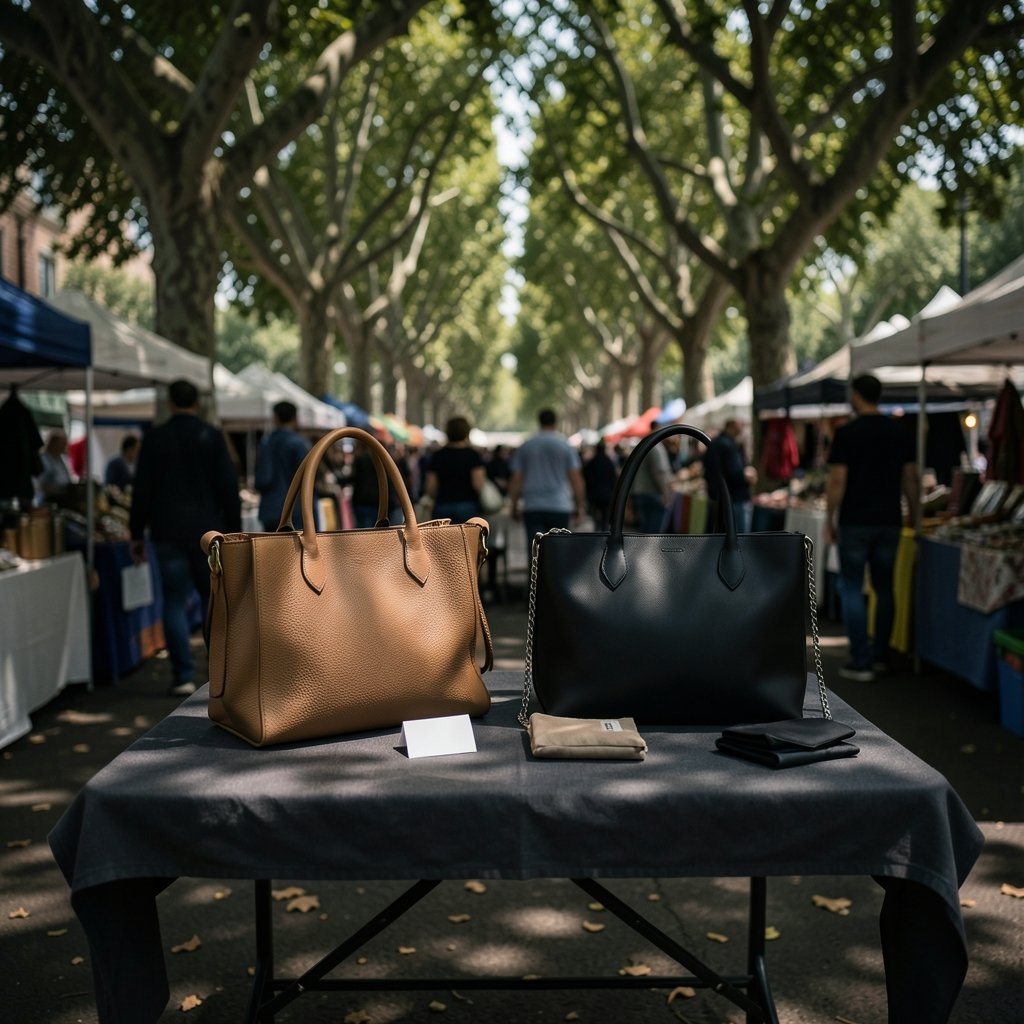
Quick Answer: Which is more luxury, mk or coach?
Neither Michael Kors nor Coach is true luxury in the strict sense. Both sit in the accessible luxury or premium tier, one step below heritage houses like Hermès, Chanel, and Louis Vuitton. Coach generally edges ahead on heritage and current positioning, while Michael Kors leans harder into logo-driven styling and outlet volume.
The distinction matters most when you are choosing a bag for a specific purpose: a durable everyday piece, a gift, a resale-minded purchase, or a status signal. The two brands overlap heavily on price, so the decision usually comes down to design language and how each brand is perceived in your social and professional circles.
Before buying, compare founding heritage, leather quality and construction, retail versus outlet pricing, discount frequency, resale value, and how visible the branding is on the specific style you want.
Two Brands, One Awkward Question
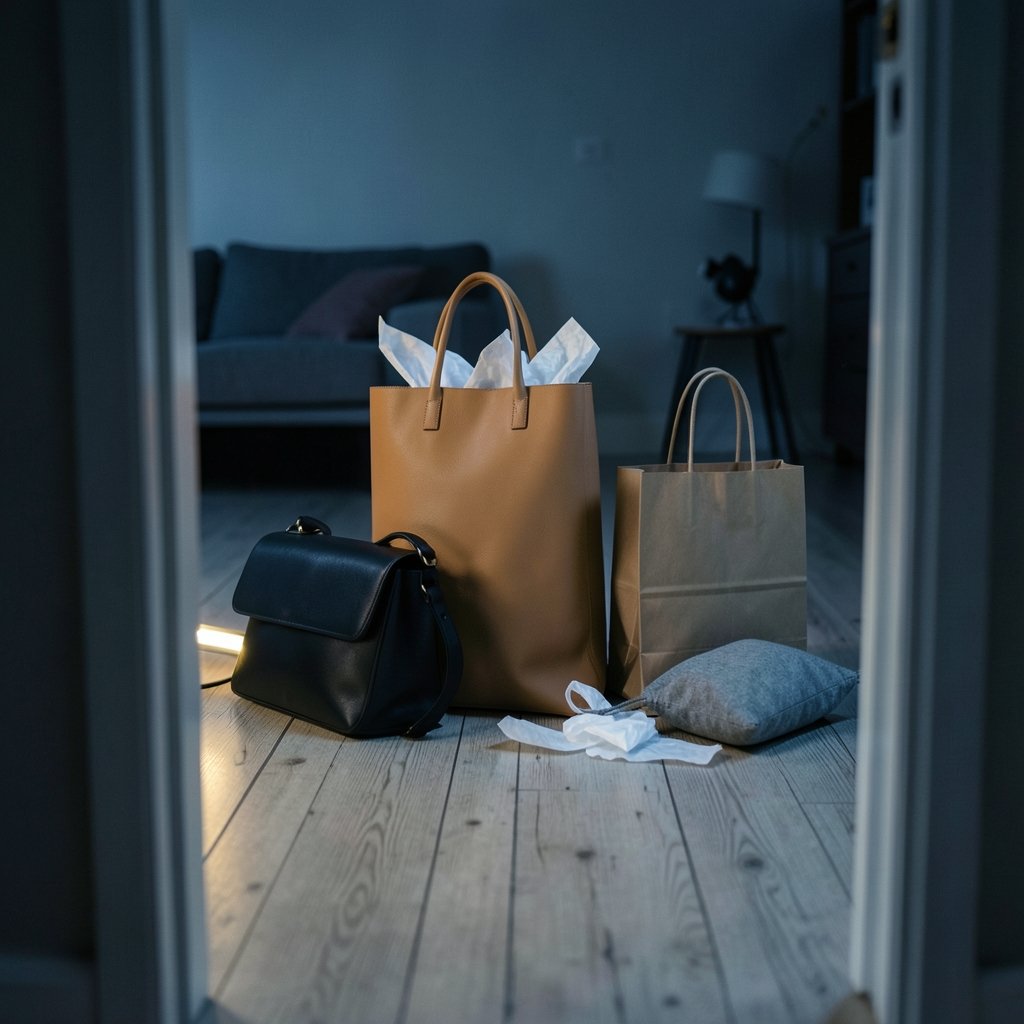
Have you ever stood in a department store, holding a Coach tote in one hand and a Michael Kors satchel in the other, and wondered whether either one actually counts as “luxury”? You are not alone. It is one of the most common questions in handbag forums, and the honest answer is more interesting than a simple vote for one logo over another.
The short version: neither brand is luxury in the way a fashion historian would use the word, but they are not identical either. Coach has a longer history and a more credible leather-goods story. Michael Kors built its reputation on glamour, logos, and television-era fame. Which one feels more luxurious depends partly on the brand and partly on the specific bag in your hand.
What “Luxury” Actually Means in Fashion
Before crowning a winner, it helps to define the term. In the fashion industry, luxury usually implies four things: a long heritage, production at small scale, pricing that excludes most buyers, and a design authority that sets trends rather than following them. True luxury houses rarely discount, control their distribution tightly, and treat scarcity as part of the product.
Below that sits accessible luxury, sometimes called premium or mass-premium. These brands borrow the aesthetics and marketing language of luxury but compete on volume, availability, and price. They sell through department stores, outlet malls, and their own e-commerce sites, and they run seasonal promotions.
Coach and Michael Kors both live in that second tier. Neither is positioned against Hermès. Both are positioned against each other, against Kate Spade, Tory Burch, and Longchamp, and increasingly against mid-range European labels. If you want a broader frame for how tiers shape buying decisions, this comparison of experiential luxury vs material luxury explores how consumers weigh status against substance. (Luxury goods)
Heritage: Coach Wins on Age and Origin Story
Coach is the older house by a wide margin. It was founded in 1941 as a Manhattan leather workshop, originally making wallets and small leather goods before becoming known for sturdy handbags. That origin as a leatherworker, not a fashion label, gives Coach a craft narrative that Michael Kors simply does not have.
Michael Kors launched as a label in 1981 and only opened its first retail stores in 2006. Its rise was tied to designer television fame and to a very specific early-2000s aesthetic: jet-set glamour, big sunglasses, gold hardware, and monogram prints. That is a legitimate brand story, but it is a fashion story, not a leather-craft story.
In practical terms, heritage affects three things buyers care about:
- Design continuity. Older houses tend to keep archive-inspired shapes in rotation, which makes a bag look less dated after five years.
- Repair and service culture. Long-established leather brands are more likely to offer conditioning advice, hardware replacement, or cleaning guidance.
- Perceived seriousness. A bag with an eighty-year backstory reads differently in a room full of fashion people than one associated with a reality-TV era.
Coach’s archive-driven lines, particularly its structured top-handle and shoulder bags, are frequently cited as giving it slightly more design credibility. That is commentary rather than a measurable fact, but it is consistent commentary.
Design Language and Branding: Logos Versus Leather
This is where the two brands diverge most visibly, and where most buyers form their gut preference.
Michael Kors is strongly associated with logo-driven, high-gloss styling. Monogram canvas, gold-tone hardware, chain straps, and conspicuous branding are central to its identity. For some buyers that reads as glamorous. For others it reads as loud, and loudness is the opposite of how traditional luxury signals status.
Coach has moved in the other direction. Its modern lineup leans on pebbled leather, subtle hardware, and restrained branding, with the logo often reduced to a small charm or embossed detail. The brand has spent years pushing what the industry calls premiumization: higher average prices, fewer promotional events, and more full-price sales.
If your personal definition of luxury is quiet and tactile, Coach’s current direction will feel closer to the mark. If your definition is bold and attention-getting, Michael Kors delivers that more directly. Neither is wrong. The same tension runs through the wider debate on luxury minimalism vs maximalism, which is worth reading if you are unsure which aesthetic will still feel right in a decade.
Price, Discounts, and the Outlet Problem
Here is the uncomfortable truth about both brands: their outlet presence does more damage to their luxury credentials than any design decision.
Both Coach and Michael Kors operate large outlet networks and appear frequently in discount department stores. That availability is great for buyers and corrosive for exclusivity. When a bag that retails for several hundred dollars can be found at a factory store for a fraction of that, the brand’s luxury signal weakens.
| Factor | Coach | Michael Kors |
|---|---|---|
| Founded | 1941 | 1981 (stores from 2006) |
| Typical full-price handbag range | Low hundreds to roughly $500+ | Low hundreds to roughly $500+ |
| Branding style | Increasingly subtle, leather-led | Often logo-driven, hardware-heavy |
| Outlet exposure | High, but reduced in recent years | High and central to volume strategy |
| Parent company | Tapestry, Inc. | Capri Holdings |
| Sibling brands | Kate Spade, Stuart Weitzman | Versace, Jimmy Choo |
| Recent positioning | Premiumization, fewer discounts | Broad distribution, licensing history |
Both parents are large multi-brand groups. Coach’s owner also holds Kate Spade and Stuart Weitzman. Michael Kors’ owner also holds Versace and Jimmy Choo, which creates an odd dynamic: the group owns genuine luxury houses while its biggest revenue brand sits a tier below them.
A proposed merger between the two parent companies, valued at roughly $8.5 billion, was blocked by a U.S. federal court in late 2024 on antitrust grounds, and the deal was terminated. That episode says something about the market: these two brands are close enough in positioning that regulators treated them as direct competitors.
Craft, Materials, and What Actually Lasts
Strip away the marketing and the question becomes physical. Which bag holds up?
Coach has a genuine edge in leather consistency. Its pebbled and glovetanned leathers are widely regarded as durable for the price, and its stitching is generally tidy at the seams and stress points. Michael Kors uses a wider spread of materials, from smooth leathers to coated canvas, and quality varies more from style to style within the same collection.
Practical guidance that holds up in real use:
- Check the base. A reinforced, stitched base outlasts a glued one, especially on totes that get set down on floors.
- Inspect hardware attachment. Look for rivets or reinforced tabs where the strap meets the body. That is the first failure point on any bag.
- Feel the lining. Cheap, thin lining tears before the exterior wears out. Suede or tightly woven cotton lasts longer.
- Ask about care. Leather conditioning every few months prevents cracking at folds, which is the most common reason a bag looks old before its time.
- Avoid buying outlet versions blind. Outlet lines are often made specifically for outlet channels with different materials than the full-price version of a similar style.
A common mistake buyers make is assuming a higher price automatically means better construction. Within both brands, a $150 well-built leather crossbody can outlast a $400 logo piece with thin hardware.
Resale Value and Long-Term Perception
If luxury means holding value, neither brand performs like a true luxury house. Bags from Hermès, Chanel, and Louis Vuitton can retain or gain value on the secondary market. Coach and Michael Kors typically resell for a fraction of retail, with logo-heavy styles depreciating fastest.
That said, Coach’s quieter leather styles tend to hold slightly better resale than heavily branded pieces, largely because they are easier to restyle and less tied to a specific trend cycle. If resale matters to you, buy the least logoed version of whichever brand you choose.
How the Brands Compare With Genuine Luxury Houses
It helps to see the gap in concrete terms. True luxury houses keep production limited, avoid outlet channels, raise prices annually, and treat discounts as brand damage. Coach and Michael Kors both do the opposite to varying degrees. (Trademarks)
If you are weighing a mid-range purchase against a stretch purchase, it is worth understanding how other categories handle the same tier question. The logic behind Fendi vs Gucci bags shows what separates two genuine luxury houses from each other, and the same framework applies to Celine vs Saint Laurent bags on the French side. Comparing those pairs makes the accessible-luxury tier look much more uniform than brand marketing suggests.
The Verdict: Which One Reads as More Luxury?
Coach takes the edge, but narrowly and conditionally.
It wins on heritage (1941 versus 1981), on leather credibility, on design restraint, and on recent premiumization efforts. Those factors align more closely with how the fashion industry defines luxury. Michael Kors wins on glamour, on brand recognition in some markets, and on bold styling for buyers who want a bag that announces itself.
Neither brand will be mistaken for Chanel. Both will serve you well as a durable, well-priced everyday bag. The honest ranking is Coach first, Michael Kors second, and true luxury houses in a different category entirely.
FAQ
Is Coach considered a luxury brand?
Coach is classified as accessible luxury or premium, not true luxury. It has genuine leather-goods heritage dating to 1941 and has pushed toward higher prices and fewer discounts, but its heavy outlet presence and broad distribution keep it a tier below heritage houses.
Is Michael Kors more expensive than Coach?
They overlap heavily. Both sell full-price handbags from the low hundreds into the $500-plus range, and both discount through outlets. Coach has generally raised average prices and reduced promotions in recent years, while Michael Kors has leaned more on outlet volume and licensing.
Why do people say Michael Kors is not luxury?
The criticism centers on logo-heavy styling, wide availability, frequent discounting, and a relatively short retail history. Those traits signal mass-premium positioning rather than the scarcity and exclusivity that define luxury houses.
Which brand holds its value better?
Coach generally resells slightly better, especially its quieter leather styles. Neither brand retains value like Hermès, Chanel, or Louis Vuitton. Logo-heavy bags from either brand tend to depreciate fastest on the secondary market.
Who owns Coach and Michael Kors now?
Coach is owned by Tapestry, Inc., which also holds Kate Spade and Stuart Weitzman. Michael Kors is owned by Capri Holdings, which also owns Versace and Jimmy Choo. A proposed merger between the two parent companies was blocked on antitrust grounds in 2024 and later terminated.
Is it worth buying a Coach or Michael Kors bag on sale?
Yes, if you check construction first. Look for a reinforced base, riveted strap attachments, and a substantial lining. Be aware that outlet-specific lines are often made with different materials than full-price styles, so compare the exact product rather than assuming the name guarantees the quality.