
Is Michael Kors or Coach More Luxury? 2026 Comparison
 Abdul WadoodLast updated
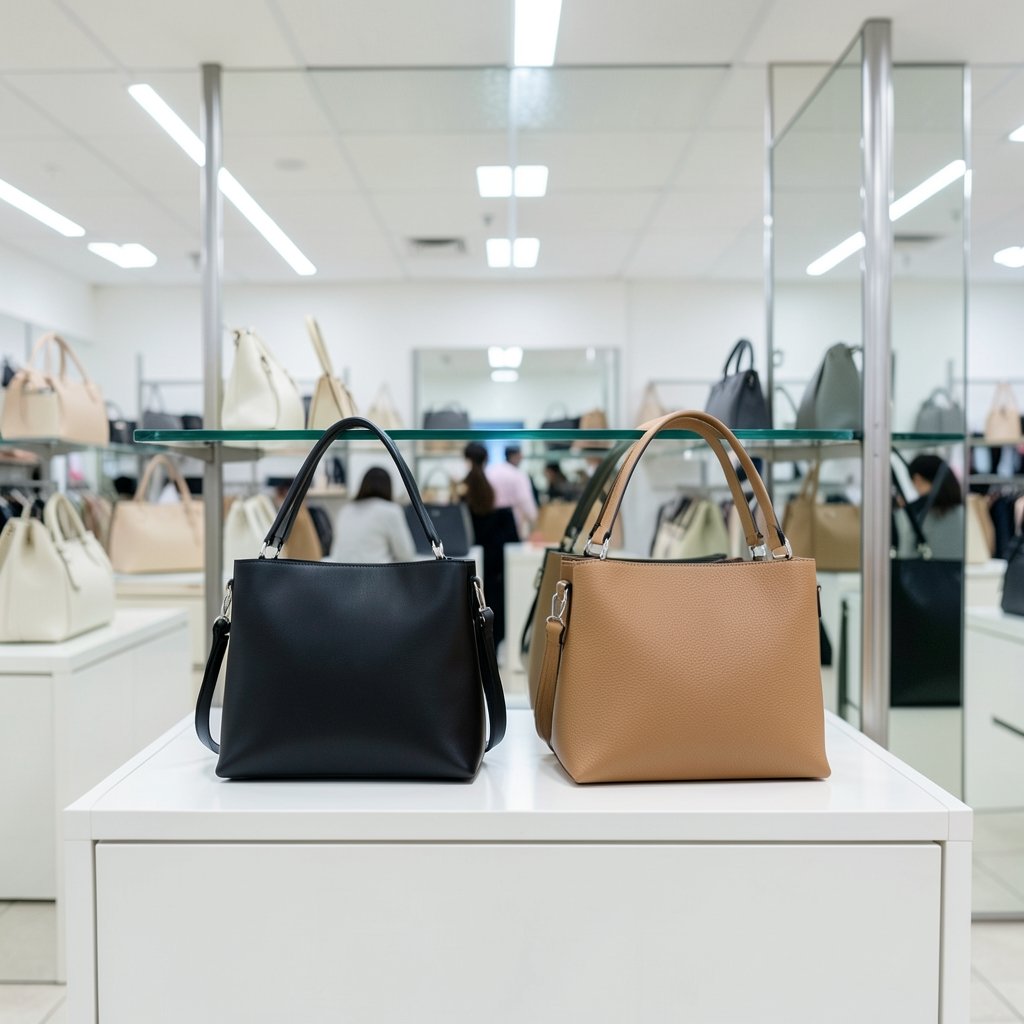
Quick Answer: Is michael kors or coach more luxury?
It depends. Most industry analysts group Coach and Michael Kors together as accessible luxury brands, so neither clearly outranks the other. Coach has the longer heritage, dating to a 1941 Manhattan leather workshop, while Michael Kors built a sharper fashion identity after its 1981 founding.
The two also sit inside different corporate families. Coach belongs to Tapestry, Inc., which also owns Kate Spade and Stuart Weitzman. Michael Kors belongs to Capri Holdings, which added Versace and Jimmy Choo in 2017 and 2018.
Before choosing, compare founding heritage, price positioning, materials and craftsmanship, outlet and discount exposure, resale value, and how each brand fits your personal style.
Two Brands, One Awkward Question
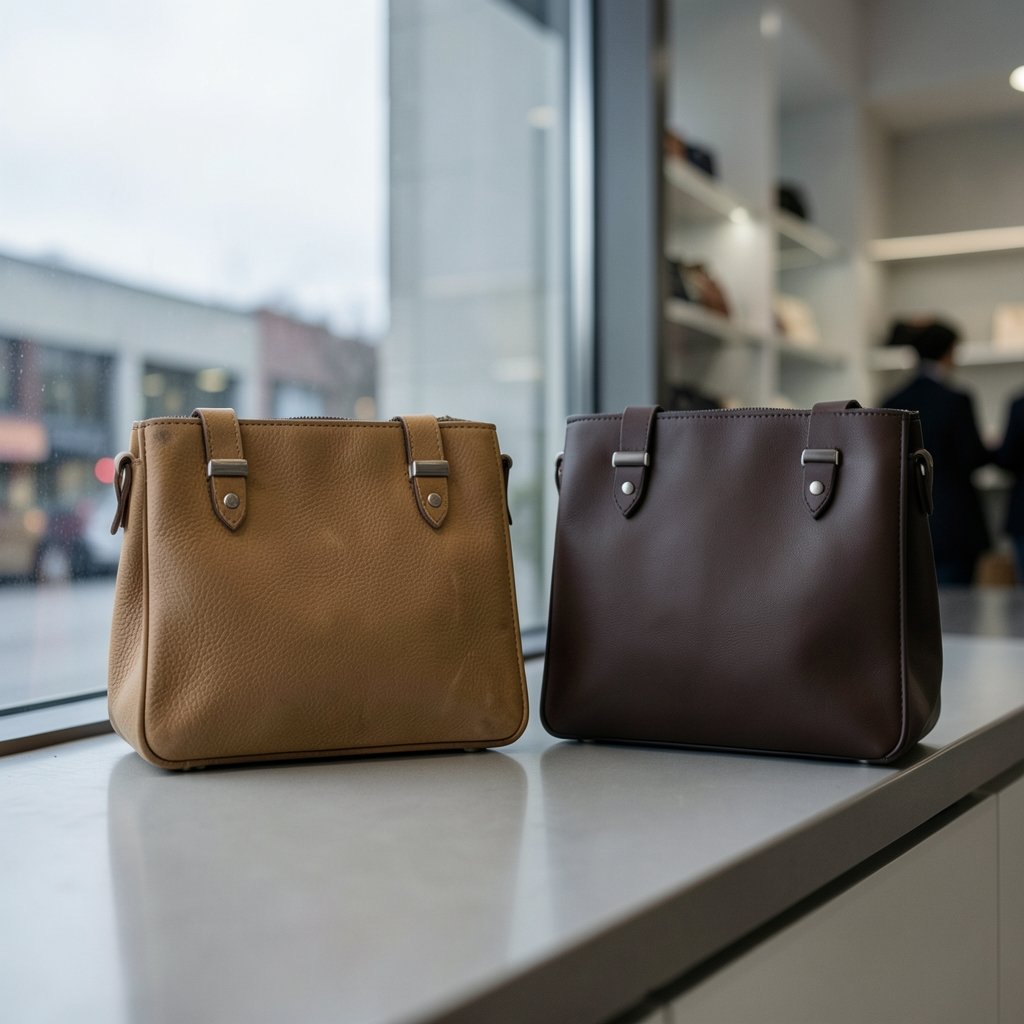
Have you ever stood in a department store, a Coach bag in one hand and a Michael Kors bag in the other, and wondered which one actually counts as luxury? It is a surprisingly loaded question. Ask five shoppers and you may get five answers, each delivered with strong opinions about monograms, outlet malls, and what “real luxury” means.
The honest answer is more interesting than a simple winner. Coach and Michael Kors are close competitors that occupy nearly the same tier of the market. The differences that matter are about heritage, design identity, pricing discipline, and how each brand protects its image. Understanding those differences helps you shop smarter, whether you are buying your first designer bag or adding to a collection. It also helps you judge whether either brand deserves a place next to the European houses, or whether the smarter move is to spend differently.
What “Luxury” Actually Means in Fashion
Before crowning a winner, it helps to separate the word luxury into layers. In fashion retail, the term usually covers three things: price, craft, and scarcity.
True luxury houses such as Hermès, Chanel, and Louis Vuitton sit at the top. They command high prices, control distribution tightly, rarely discount, and often make certain products deliberately hard to buy. Accessible luxury, sometimes called affordable luxury or premium, sits one rung down. These brands offer designer names and better-than-mass-market materials at prices a broad middle class can reach. Mass market sits below that, where price and volume drive everything.
Coach and Michael Kors are textbook examples of the middle tier. That is not an insult. Accessible luxury is a deliberate, highly profitable business model, and both brands have executed it well for decades. But it does mean that asking which one is “more luxury” is a bit like asking which compact car is more of a sports car. The answer depends on which qualities you are measuring, and neither one crosses into the top tier. (Quietest luxury cars actually makes cabin silent) (Luxury goods)
Heritage and Founding Stories
If age and origin count for anything, Coach has the edge. The company began in 1941 as a family-run leather workshop in Manhattan, making small leather goods before growing into a handbag house. That origin story gives Coach a genuine craft pedigree, and the brand leans on it heavily in its marketing.
Michael Kors arrived four decades later, in 1981, founded by a designer whose name became the label. That founder-designer structure gives the brand a fashion-forward identity from day one. Some shoppers read a named designer as a stronger signal of fashion credibility, the way European houses are built around a creative figurehead.
Here is the practical takeaway: Coach tends to win on leather-goods heritage, while Michael Kors tends to win on runway-adjacent style. Neither claim is objectively more luxurious. They are simply different kinds of credibility, and which one matters more depends on what you want the bag to say.
Corporate Ownership and Brand Positioning
Both brands are publicly traded and file detailed financial reports, which makes their positioning unusually transparent. Coach’s parent company, Tapestry, Inc., also owns Kate Spade and Stuart Weitzman. Michael Kors’ parent, Capri Holdings, owns Versace and Jimmy Choo.
That ownership structure matters more than it first appears. Capri’s acquisitions of Versace and Jimmy Choo in 2017 and 2018 positioned the group as a multi-brand luxury player, which some observers read as an attempt to lift the whole portfolio’s prestige. Tapestry, by contrast, has stayed closer to accessible premium categories. If you want to see how each company describes itself in its own filings, the U.S. Securities and Exchange Commission’s EDGAR database is the primary source for corporate filings and annual reports.
In 2024, the U.S. Federal Trade Commission sued to block Tapestry’s $8.5 billion acquisition of Capri Holdings, arguing the deal would reduce competition in accessible luxury handbags. A federal judge blocked the merger, and the deal was terminated in late 2024. That episode is a useful window into how regulators see these brands: as direct competitors in the same market segment, not as brands operating on different luxury planes.
Price Positioning: Closer Than You Think
Walk through the handbag floor of a department store and the price tags tell a similar story. Both brands’ core handbags typically retail from the low hundreds to roughly $1,000 or a little more. Both run seasonal sales. Both have outlet channels that sell lower-priced or made-for-outlet goods.
| Factor | Coach | Michael Kors |
|---|---|---|
| Founded | 1941 | 1981 |
| Parent company | Tapestry, Inc. | Capri Holdings |
| Typical handbag price | Low hundreds to about $1,000+ | Low hundreds to about $1,000+ |
| Brand tier | Accessible luxury | Accessible luxury |
| Design identity | Leather heritage, classic shapes | Fashion-forward, logo-driven |
| Outlet presence | Extensive | Extensive |
The table shows why the debate rarely produces a clean winner. On price, the two brands are near peers. Both sit well below the entry points of European luxury houses, where a single classic flap bag can cost several thousand dollars. If price alone defined luxury, Coach and Michael Kors would tie. (Lake como luxury travel guide villas boats where stay)
Craft, Materials, and What You Actually Get
Materials are where the conversation gets practical. Coach has invested heavily in leather quality and in repairing and reusing bags through its circularity programs, which signals confidence in durability. Michael Kors offers a wider spread, from entry-level coated canvas to leather styles that feel notably more substantial.
A few habits separate satisfied buyers from disappointed ones:
- Check the material label before falling for a silhouette. Full-grain or pebbled leather generally outlasts coated canvas, which scuffs and peels over time.
- Compare hardware weight in person. Heavier, solid hardware usually signals sturdier construction.
- Ask whether the item is made for the main line or the outlet. Outlet-specific pieces are often built to a lower price point.
- Look at stitching density and edge finishing. Uneven stitching is the fastest tell of rushed production.
- Check the return window and repair policy before buying.
The most common mistake shoppers make is assuming the logo guarantees quality. At this tier, a $400 bag and a $150 bag from the same brand can differ dramatically in construction. The label tells you the design language, not the durability.
The Outlet Problem Both Brands Share
If there is one issue that drags on both brands’ luxury credentials, it is discount exposure. Analysts have long argued that heavy outlet and discount-channel presence dilutes the perception of exclusivity. When a bag is routinely available at 40 percent off in an outlet mall, it becomes harder to view the brand as scarce or aspirational.
Both Coach and Michael Kors have faced this critique for years. Both have responded by tightening some distribution and pushing higher-end main-line collections. Neither has fully escaped the association. If exclusivity is your personal definition of luxury, this is the factor to weigh most heavily, and it applies roughly equally to both brands. The same discipline applies to other premium purchases, which is why a practical guide to conscious luxury buying can help you decide when a name is worth the premium and when it is not.
Design Identity and Cultural Signals
Style is subjective, but the two brands send different signals. Coach has leaned into Americana: sturdy leather, heritage shapes, and collaborations with pop-culture figures that keep it feeling current without chasing every trend. Michael Kors has leaned into jet-set glamour: bold logos, metallic hardware, and silhouettes that read as overtly fashionable.
That difference shapes who each brand appeals to. If you want a bag that looks expensive in a quiet, understated way, Coach’s classic leather styles often fit better. If you want a bag that announces itself, Michael Kors delivers more visual punch. Neither approach is more luxurious in any objective sense. They are different aesthetic strategies, and the right one depends on how you dress and where you carry it. The distinction between quiet luxury and louder status signaling is worth understanding before you spend, because it shapes how a purchase ages.
Resale Value and Long-Term Worth
Resale is one of the few places where luxury claims get tested with real money. Bags from top-tier European houses routinely hold a meaningful share of their retail price on the secondary market. Coach and Michael Kors bags generally do not. Most resale for both brands lands well below retail, and outlet-specific styles often resell for very little.
That does not make them bad purchases. It simply reframes them. Treat a Coach or Michael Kors bag as a well-made everyday item you will use hard for years, not as an investment. If resale value is central to your definition of luxury, neither brand will satisfy you, and saving toward a higher tier may be the better plan.
Where Each Brand Fits in a Real Wardrobe
Here is where the abstract debate becomes useful. Coach tends to suit people who want one dependable leather bag they can carry daily for a decade. Its classic shapes age slowly, and its repair and reuse programs add practical value. Michael Kors tends to suit people who treat bags as fashion pieces, rotating them with outfits and seasons.
Neither choice is more sophisticated. A well-chosen bag from either brand, cared for properly, will look better than a neglected status symbol. If you are building a travel wardrobe around a single versatile piece, the same logic applies as with a considered luxury travel guide: buy fewer, better things that work across many situations.
Conclusion: A Tie With Different Strengths
So, is Michael Kors or Coach more luxury? The most defensible answer is that they are peers in accessible luxury, and neither clearly outranks the other. Coach brings a longer heritage, a leather-first identity, and a steadier brand image. Michael Kors brings a founder-designer story, bolder fashion energy, and a parent group that now includes Versace and Jimmy Choo.
What separates them in practice is not tier but fit. Choose Coach if you value classic leather goods and understated durability. Choose Michael Kors if you want visible style and seasonal variety. Judge either one on materials, construction, and price discipline rather than the logo. And if true top-tier luxury is your goal, treat both as excellent everyday brands rather than final destinations.
Frequently Asked Questions
Are Coach and Michael Kors considered luxury brands?
Most industry analysts classify both as accessible luxury or premium brands. They sit above mass-market labels but below European luxury houses such as Chanel, Hermès, and Louis Vuitton in price, exclusivity, and distribution control.
Which brand is older, Coach or Michael Kors?
Coach is older. It was founded in 1941 as a family-run leather workshop in Manhattan. Michael Kors was founded in 1981 by designer Michael Kors.
Do Coach and Michael Kors bags hold their value?
Generally, no. Bags from both brands typically resell well below retail, and outlet-specific styles often resell for very little. They are better treated as durable everyday purchases than as investments.
Who owns Coach and Michael Kors today?
Coach is owned by Tapestry, Inc., which also owns Kate Spade and Stuart Weitzman. Michael Kors is owned by Capri Holdings, which also owns Versace and Jimmy Choo.
Is Michael Kors more fashion-forward than Coach?
Broadly, yes. Michael Kors leans into bold logos, metallic hardware, and trend-driven silhouettes, while Coach emphasizes classic leather shapes and understated Americana styling. Style preference is subjective, so neither approach is objectively better.
Does buying at an outlet affect quality?
It can. Outlet stores often sell made-for-outlet products built to a lower price point than main-line goods. Check the material label, hardware weight, and stitching before buying, and ask whether the item is main-line or outlet-specific.