
Is Coach Considered a Luxury Brand? 2026 Market Truth
 Abdul WadoodLast updated
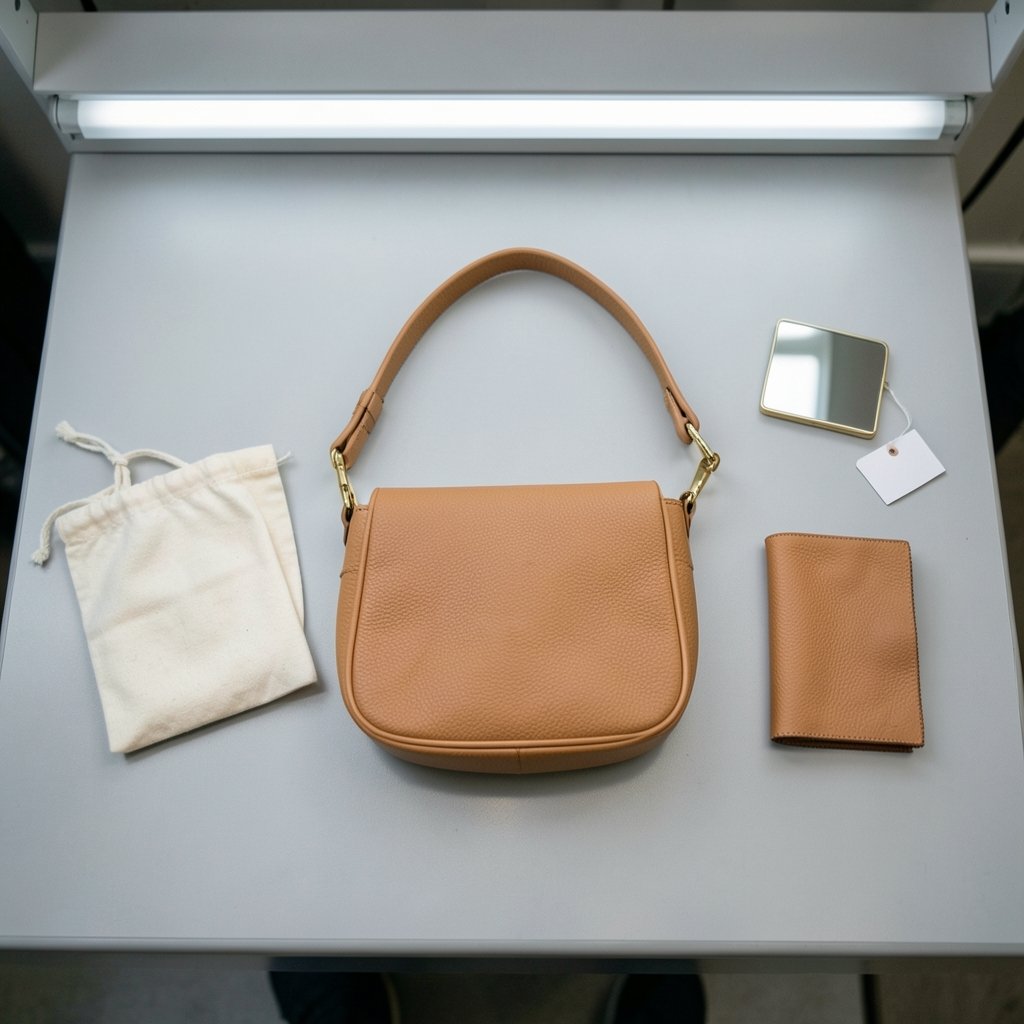
Quick Answer: Is coach considered a luxury brand?
It depends on which definition of luxury you use. Coach is widely classified as accessible luxury or affordable luxury rather than true luxury in the Hermès or Chanel sense. Most analysts place it a tier below heritage houses on price, exclusivity and prestige, while still calling it a premium brand. (Valentino brand history from rome atelier global luxury) (Luxury goods)
The distinction matters because “luxury” has no formal, agreed definition. Some frameworks judge a brand by craftsmanship and heritage, others by price and scarcity, and others by how a shopper feels carrying it. Coach scores well on some of these and poorly on others.
Before deciding, compare price points, materials and construction, resale value, outlet and discount exposure, brand prestige rankings, and after-sales service.
Why the Answer Depends on How You Define Luxury

Ask ten people whether Coach is luxury and you will likely get three different answers. That is not confusion. It is a definition problem.
A luxury house like Hermès builds its case on extreme scarcity, handmade construction and waiting lists. A shopper who defines luxury that way will never call Coach luxury. Someone who defines luxury as “better than what I could otherwise afford, with real leather and a recognizable name” will say yes without hesitation. (Acura cars makes hondas luxury brand different)
The fashion industry has quietly settled on a middle term for brands like Coach: accessible luxury. It signals genuine quality and brand equity, sold at a price that a broad middle class can reach. That label is descriptive, not official. No standards body certifies who is luxury and who is not. (Chanel Brand History: From Hat Shop to Luxury Empire)
What Actually Makes a Brand “Luxury”
Most credible frameworks agree on a handful of markers. Coach meets some of them and falls short on others.
| Marker | What It Means | How Coach Compares |
|---|---|---|
| Price positioning | Handbags in the thousands, rarely discounted | Low hundreds to about $1,000, frequent promotions |
| Scarcity | Limited production, waitlists, few stores | Wide distribution, heavy outlet presence |
| Craftsmanship | Hand-finished, exotic leathers, artisanal methods | Solid leather goods, mostly machine-assisted production |
| Heritage | Decades of couture or artisan lineage | Founded 1941 as a leather workshop, strong but shorter prestige arc |
| Resale value | Often holds or gains value | Typically depreciates after purchase |
| Brand prestige rankings | Consistent top-tier placement | Strong premium brand, rarely in top luxury tiers |
The pattern is clear. Coach is a well-made, respected brand that sits below the top tier on scarcity, price and resale. That is not an insult. It is a different business model.
Coach’s Real Position: Accessible Luxury, Explained
Coach was founded in 1941 as a family-run leather workshop in Manhattan, and it built its reputation on sturdy, understated leather bags. That origin story is genuinely artisanal. Over the decades, though, the company scaled into a mass premium business with hundreds of stores and a large outlet network.
That scale is exactly what separates accessible luxury from true luxury. Luxury houses deliberately limit supply to protect pricing power. Coach’s growth depended on volume. The two strategies pull in opposite directions.
In recent years Coach has pushed a “modern luxury” repositioning, raising prices, cutting back on discounting and leaning on creative direction to lift the brand. It is a real strategy, not marketing spin. Whether it moves Coach into a higher tier is a question only the next several years of pricing and resale data can answer.
This pattern is not unique to Coach. Plenty of brands live in the space between mass market and true luxury, and the line moves. The story of how Burberry climbed from a raincoat workshop into global luxury is a useful comparison for anyone interested in how that ascent actually happens.
The Tapestry Factor: Why Ownership Shapes Perception
Coach is not a standalone company. It is the flagship brand of Tapestry, Inc., the parent group that renamed itself from Coach, Inc. in October 2017. Tapestry also owns Kate Spade and Stuart Weitzman.
That portfolio structure matters for perception. Luxury conglomerates like LVMH and Kering group several elite houses under one roof, and the halo effect lifts every brand in the group. Tapestry’s mix leans toward accessible premium, so the group identity reinforces Coach’s position rather than elevating it.
A proposed merger between Tapestry and Capri Holdings, the owner of Versace, Jimmy Choo and Michael Kors, was blocked by a U.S. federal judge in October 2024 on antitrust grounds, and the deal was later terminated. The episode is a reminder that Coach’s corporate story is watched closely by regulators and analysts, not just shoppers.
Ownership does not determine quality. It does shape pricing strategy, discount policy and how the brand is discussed in the press, and all three feed into whether people call a label luxury.
Price, Outlets and the Exclusivity Problem
Here is where the debate gets practical. Two factors do most of the work in keeping Coach out of the true-luxury conversation.
The first is price. Coach handbags typically retail from the low hundreds up to roughly $1,000. Chanel and Hermès bags start in the thousands and climb from there. Price alone does not prove quality, but in luxury it functions as a signal. High prices create distance, and distance creates desire.
The second is outlets. Coach operates a large outlet business, and luxury analysts routinely cite outlet exposure as a diluting force. When a shopper knows a bag might appear at 40 percent off a few months later, the willingness to pay full price drops. True luxury houses avoid this trap by destroying unsold stock or keeping it off the discount market entirely.
None of this means Coach bags are poor value. Many buyers get exactly what they want: durable leather, practical design and a recognizable label at a fair price. The point is that value and luxury are different claims.
What Coach Gets Right, and What It Does Not
A balanced look helps shoppers decide with clear eyes.
What works well:
- Leather quality is genuinely good for the price bracket.
- Designs are practical and hold up to daily use.
- Repair and after-sales support exist, which many fast-fashion rivals lack.
- Entry prices make a first “nice bag” achievable.
Where it falls short of luxury:
- Resale value is weak compared with top-tier houses.
- Frequent promotions undercut the sense of exclusivity.
- Brand prestige rankings rarely place Coach in the top luxury tier.
- Outlet overlap creates confusion about what a Coach bag is “worth.”
The pattern repeats across premium car brands too. Acura, Honda’s premium division, occupies a similar middle ground: better than mainstream, short of true luxury, and constantly debated by enthusiasts. The same logic applies to fashion.
Common Mistakes Shoppers Make
A few traps catch people again and again.
Assuming price equals luxury. A high price on a mid-tier brand does not make it Hermès. Check resale data and construction, not just the tag.
Buying at outlet without comparing. Outlet lines are often made specifically for outlet stores, with different materials and hardware than full-price collections. Compare the model number before assuming you got a deal.
Ignoring resale before buying. If holding value matters to you, check what the bag sells for used. Coach typically depreciates. That is fine if you plan to keep it, less fine if you rotate bags often.
Confusing brand prestige with personal taste. A brand can be mid-tier and still be the right choice for your life. Plenty of people prefer a bag they can use hard without anxiety.
Overlooking care and repair. Leather needs conditioning, and edges need attention. A well-cared-for Coach bag can last a decade, which changes the value math considerably.
How Coach Compares With Other Premium Labels
Context helps. Here is how Coach sits against a few reference points.
| Brand | Typical Tier | Signature Strength | Signature Weakness |
|---|---|---|---|
| Coach | Accessible luxury | Value, durability, wide availability | Low resale, heavy discounting |
| Michael Kors | Accessible luxury | Trend-led design, broad reach | Similar outlet dilution |
| Longchamp | Accessible to mid luxury | Iconic utilitarian designs | Limited prestige ceiling |
| Burberry | Entry to true luxury | Heritage and check signature | Uneven pricing discipline |
| Chanel | True luxury | Scarcity, craftsmanship, resale strength | Very high entry prices |
Notice that the tiers blur at the edges. Burberry spent decades climbing from a functional raincoat maker to a global luxury name, and the journey was neither smooth nor guaranteed. Quiet luxury labels like Goyard took the opposite route, staying small and scarce for generations. Coach chose scale, and scale has a cost.
So, Should You Buy Coach?
The honest answer depends on what you want from a bag.
If you want a well-made leather bag that will survive daily commuting, travel and toddler chaos without you wincing, Coach is a strong choice. The price-to-durability ratio is genuinely good, and the brand has decades of experience making exactly that product.
If you want an asset, a status marker or a piece that holds value, look higher up the market. True luxury delivers on those fronts, and it charges accordingly.
The worst outcome is buying Coach expecting Chanel outcomes. The best is buying Coach for what it is: a solid premium brand with a real heritage and a fair price. That is a perfectly good thing to be.
Conclusion
Coach is not a true luxury brand in the strict sense, and it is not a mass-market throwaway either. It sits in the accessible luxury tier, a well-defined middle ground where quality is real, prices are reachable and exclusivity is limited by design. Its 1941 leather-workshop origins give it genuine heritage, its Tapestry ownership shapes its strategy, and its outlet network keeps it from competing on scarcity.
Whether that counts as luxury is ultimately a question about your definition. Judged by craftsmanship and usefulness, Coach earns respect. Judged by price, scarcity and resale, it stays a tier below the heritage houses. Both judgments can be true at once, and shoppers are better off knowing which one they are making.
Frequently Asked Questions
Is Coach a luxury brand like Louis Vuitton?
No, not by the standards most analysts use. Louis Vuitton sits in the true luxury tier on price, scarcity and resale value. Coach is generally classified as accessible luxury, a step below on those measures while still offering genuine leather quality.
Why is Coach cheaper than Chanel?
Coach relies on volume and wide distribution, including a large outlet network, to sell at reachable prices. Chanel limits supply and avoids discounting to protect its pricing power. Different business models produce very different price points.
Does Coach hold its value?
Generally no. Coach bags typically depreciate after purchase, while top-tier luxury bags sometimes hold or gain value. If resale matters to you, check recent used-market prices for the specific model before buying.
Are Coach outlet bags the same quality as full-price ones?
Not always. Outlet lines are often produced specifically for outlet stores, sometimes with different materials or hardware than full-price collections. Compare model numbers and materials rather than assuming a discount means the same product.
Who owns Coach now?
Coach is the flagship brand of Tapestry, Inc., the parent company that renamed itself from Coach, Inc. in October 2017. Tapestry also owns Kate Spade and Stuart Weitzman, which shapes the group’s accessible-premium positioning.
Is Coach worth buying?
For many shoppers, yes. The leather is durable, the designs are practical and the prices are fair for what you get. It is a poor choice only if you are buying it as an investment or a status asset, which is not what the brand is built to deliver.